Welcome to our company

Leave Your Message
The global food and beverage landscape is undergoing a massive transformation, driven largely by consumer demand for convenience, portion control, and on-the-go consumption. This shift has led to an unprecedented surge in the production of single-serve snacks and sachet portions. From airplane peanuts and hotel coffee sachets to retail-ready condiment packets and individual biscuit wrappings, the primary packaging of these items is typically lightweight flexible film. However, the critical challenge lies not in the primary packaging, but in the secondary packaging required for bulk transportation, wholesale distribution, and global supply chain management. Enter the Woven Sack For Single-Serve Snack And Sachet Portions.
Traditionally, manufacturers relied heavily on corrugated cardboard boxes to transport thousands of tiny sachets or single-serve snacks. While functional, corrugated boxes present significant industrial limitations: they are susceptible to moisture, prone to crushing under heavy stacking, and add unnecessary weight and dimensional volume to shipments. In response, the packaging industry has pivoted towards Polypropylene (PP) woven sacks. These sacks offer an unparalleled strength-to-weight ratio, ensuring that thousands of delicate single-serve items can be transported across continents without the secondary packaging failing.
In the current commercial landscape, the adoption of woven sacks for secondary packaging is not merely a trend; it is an industrial necessity driven by cost-efficiency and supply chain optimization. The manufacturing process of PP woven sacks involves extruding polypropylene resin into tapes, which are then woven together in a tight, crisscross pattern. This results in a fabric that is highly resistant to tearing, puncturing, and bursting. When dealing with single-serve snack portions—which often contain sharp edges in their primary film seals or rigid plastic trays—the puncture resistance of the secondary woven sack is paramount.
Furthermore, the industrial status of these sacks is being elevated by lamination technologies. A laminated PP woven sack provides an excellent moisture barrier, protecting sensitive food sachets (like powdered coffee, sugar, or dehydrated snacks) from humidity during sea freight. Economically, woven sacks cost significantly less per unit than heavy-duty corrugated boxes and require vastly less storage space when empty. For large-scale distributors handling millions of sachet portions monthly, switching to woven sacks translates to massive reductions in packaging procurement costs and carbon footprint associated with transport weight.
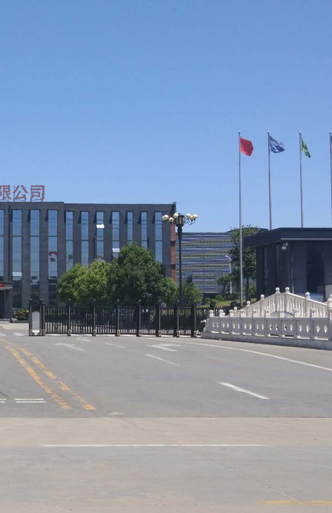
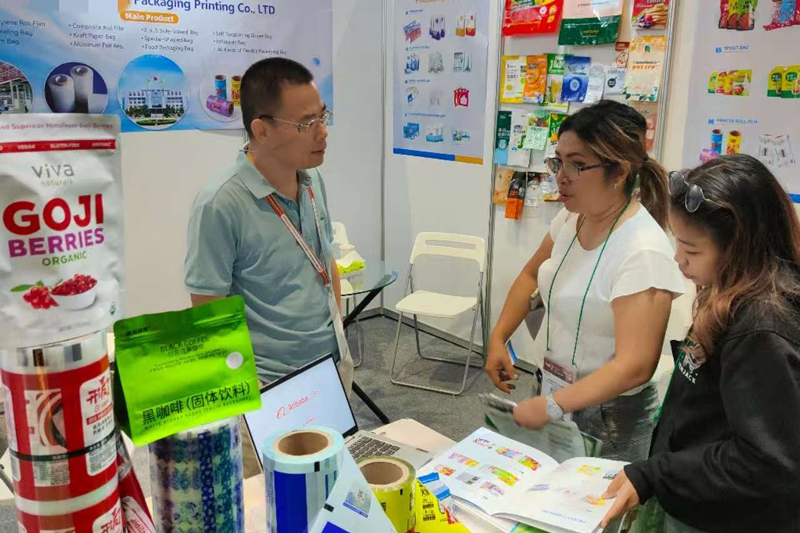
Shandong Jike International Trade Co., Ltd. is a state-owned professional food packaging and printing enterprise, established in 2003 and located in Shandong Province, eastern China. We have positioned ourselves at the forefront of the packaging revolution, recognizing early on the shift towards robust secondary packaging like the woven sack for single-serve snack and sachet portions.
The company has obtained and passed ISO9001, ISO14001, and ISO45001 certifications, and all our products have passed QS food safety certification. This rigorous adherence to international standards ensures that whether our woven sacks are holding bulk agricultural goods or acting as the secondary protective layer for delicate food-grade sachets, they meet the highest global safety and quality benchmarks.
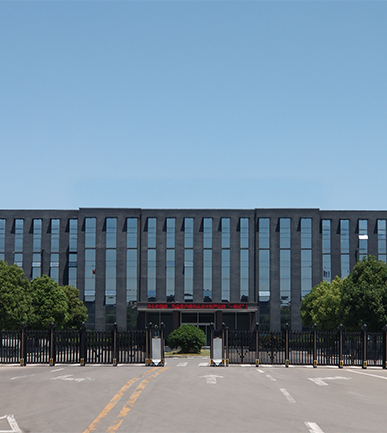
 Over 23 years of production experience
The future of the Woven Sack For Single-Serve Snack And Sachet Portions is deeply intertwined with technological advancements. As global supply chains become more complex, the packaging that moves through them must become smarter. We are witnessing a rapid development trend where traditional PP woven sacks are being upgraded with AI-readable smart labels, RFID tags, and high-definition QR codes. Because single-serve portions are high-volume, low-margin items, tracking their movement with absolute precision is vital to prevent loss and manage inventory.
Modern printing technologies now allow for high-quality, multi-color flexographic and rotogravure printing directly onto laminated woven sacks. This means that a sack carrying 5,000 individual ketchup sachets or single-serve trail mix packets can feature scannable AI-vision codes. Automated warehouse robots and AI-driven sorting systems use these codes to instantly identify the contents, batch numbers, and expiration dates without needing to open the sack. This seamless integration of physical packaging with digital AI logistics drastically reduces human error and accelerates cross-border customs clearance.
Understanding the versatility of these sacks requires a deep dive into specific application scenarios. Consider the Airline and Hospitality Industry. Airlines require millions of single-serve peanut, pretzel, and biscuit packets daily. These are centrally manufactured, then shipped globally to various catering hubs. Cardboard boxes take up excessive space in airline catering warehouses. Woven sacks, however, can be tightly packed, stacked, and easily handled by personnel. Their tear-resistant nature ensures that even when roughly handled on the tarmac, the delicate primary snacks inside remain intact.
Another critical scenario is Disaster Relief and Military Rations. In emergency situations, single-serve nutritional sachets, water purification packets, and high-energy snacks must be airdropped or transported through rugged terrain. Woven sacks provide an impenetrable barrier against dirt, rough handling, and varying weather conditions. Their UV-resistant properties mean they can be left outdoors in staging areas without the polymer degrading, ensuring the life-saving sachet portions inside are perfectly preserved.
Finally, in the realm of Retail Ready Packaging (RRP) and wholesale clubs, we see woven sacks being used as bulk dispensers. A beautifully printed woven sack containing hundreds of single-serve coffee pods or candy portions can be placed directly on a wholesale floor. The aesthetic appeal of modern BOPP (Biaxially Oriented Polypropylene) laminated sacks means they no longer look like industrial feed bags, but rather high-end consumer packaging.
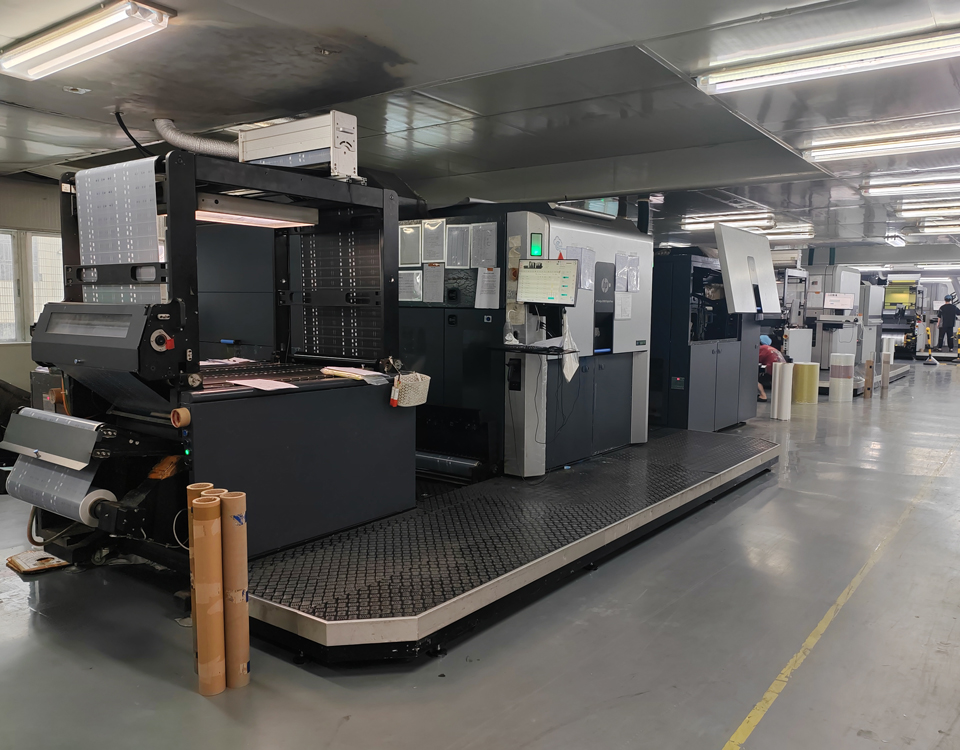

The company's core export products cover the needs of multiple industries, mainly including food-grade flexible packaging, pet food packaging, polyethylene film, and woven packaging bags, which can accurately match the market standards of different regions such as North America, the European Union, Southeast Asia, and the Middle East. We also support multi-language design and printing, barcode/QR code customization, material combination selection, and thickness selection to fully meet the needs of cross-border trade, especially for specialized products like the woven sack for single-serve snack and sachet portions.
In terms of supply chain and service, the company has strong cross-border delivery capabilities. We have standardized production workshops and automated production lines, with flexible minimum order quantities for regular products. We undertake both small-batch customization and large-volume order production; we have established a strict quality control system, tracing the entire process from raw material procurement and production processing to finished product inspection, ensuring that every batch of products meets the quality standards of the importing country; and we are equipped with a professional cross-border logistics team to support various transportation methods such as full container shipping, LCL shipping, and air freight.
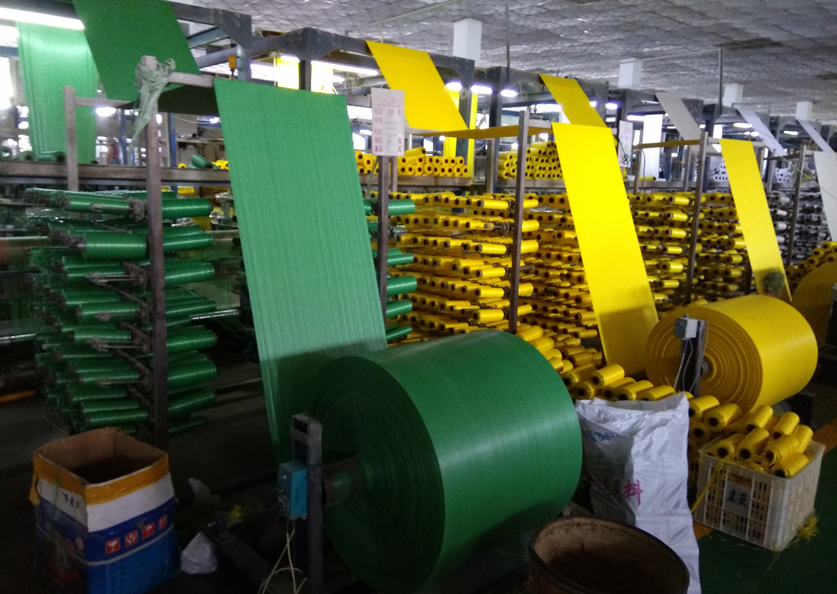
Since its establishment 23 years ago, relying on excellent product quality, comprehensive compliance guarantees, and efficient cross-border services, Jike Packaging Printing has established long-term cooperative relationships with customers in more than 50 countries and regions worldwide, serving clients including globally renowned food manufacturers, brand owners, and trading companies. In the future, we will continue to focus on changes in international market demand, using innovative technology and high-quality services as a link to become a trusted cross-border flexible packaging printing partner for global customers.
Contact Us
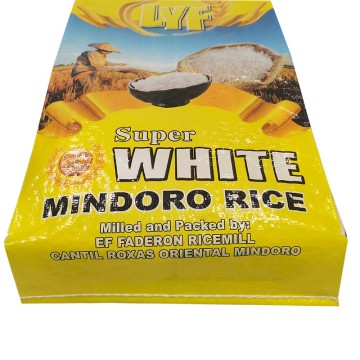 Laminated Polypropylene Sack 5kg 10 Kg 25kg Rice Corn Wheat Maize PP Woven Sack Bag
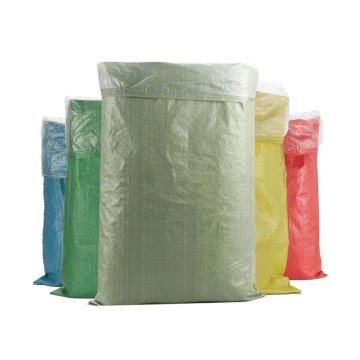 One-Stop Customization Solution for PP Woven Bags