Welcome to our company

Leave Your Message
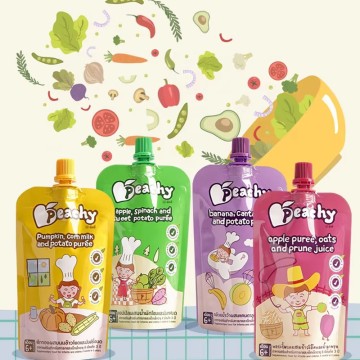
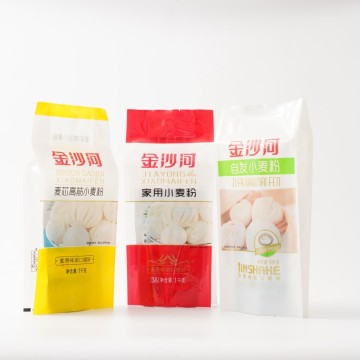
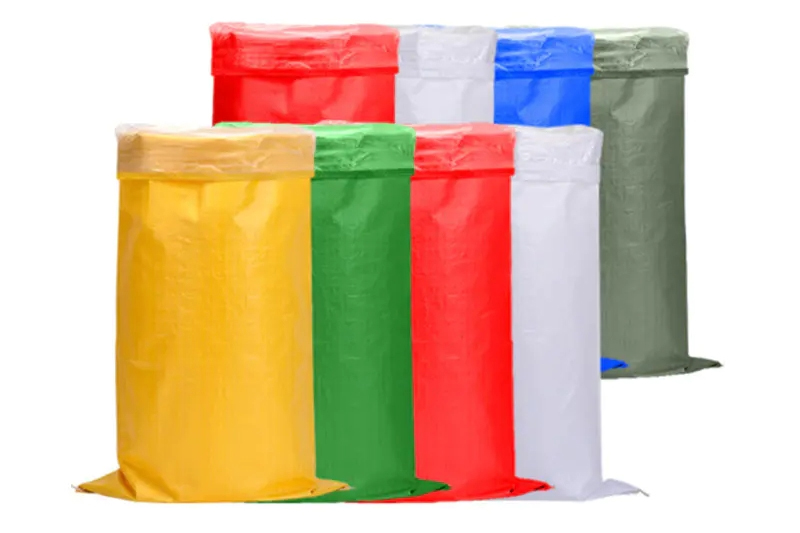
In today's competitive food retail landscape, packaging serves as more than just a protective barrier—it's a powerful branding tool that communicates quality, sustainability, and brand identity directly to consumers. Woven sacks, particularly polypropylene (PP) woven bags, have emerged as a leading solution for retail-ready printed food branding, combining durability, cost-effectiveness, and exceptional printability to meet the evolving demands of modern food packaging.
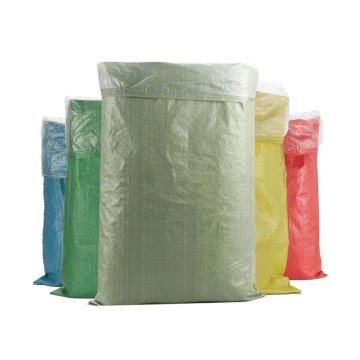
The global woven sack market has experienced remarkable growth, driven by increasing demand from the food and agriculture sectors. These versatile packaging solutions offer superior strength-to-weight ratios, moisture resistance, and the ability to showcase vibrant, high-quality graphics that capture consumer attention on crowded retail shelves. From rice and flour to pet food and specialty grains, woven sacks provide an ideal canvas for brands to tell their story while ensuring product integrity throughout the supply chain.
The retail-ready packaging market is projected to reach $85 billion by 2027, with woven sacks capturing an increasing share due to their sustainability profile and branding capabilities. Consumer preference for eco-friendly packaging has accelerated adoption, with 73% of shoppers willing to pay premium prices for products in sustainable packaging.
Current Market Status and Development Trends
The woven sack industry is experiencing a compound annual growth rate (CAGR) of 5.8%, driven by expanding food retail sectors in emerging markets. Asia-Pacific leads consumption, accounting for 42% of global demand, followed by North America and Europe. The shift toward organized retail and modern trade channels has created unprecedented opportunities for branded woven packaging solutions.
Environmental consciousness is reshaping packaging choices. PP woven sacks offer significant sustainability advantages: they're 100% recyclable, require less energy to produce than alternatives, and can be reused multiple times. Leading brands are adopting post-consumer recycled (PCR) content in woven sacks, with some achieving up to 30% PCR integration while maintaining structural integrity and print quality.
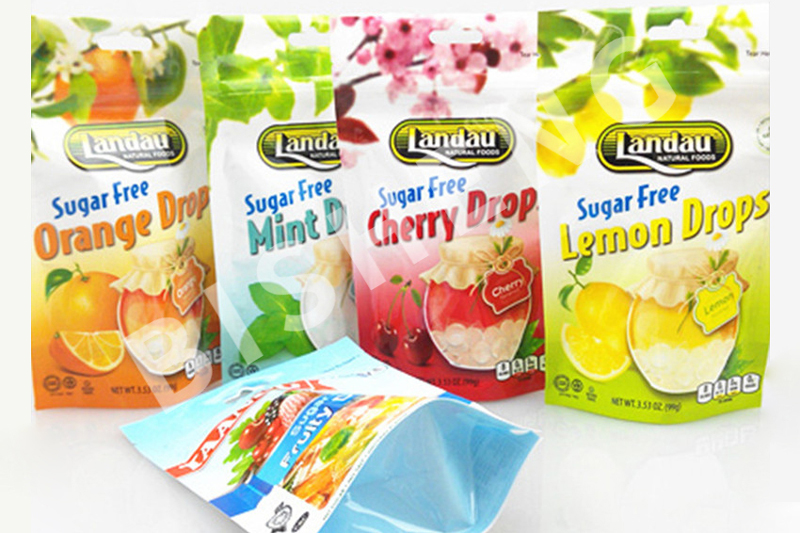
Digital and flexographic printing innovations have transformed woven sacks into premium branding vehicles. High-definition printing capabilities now enable photo-realistic graphics, gradient colors, and intricate designs that were previously impossible. UV-resistant inks ensure long-lasting vibrancy, while lamination techniques add premium aesthetics and additional barrier properties for sensitive food products.
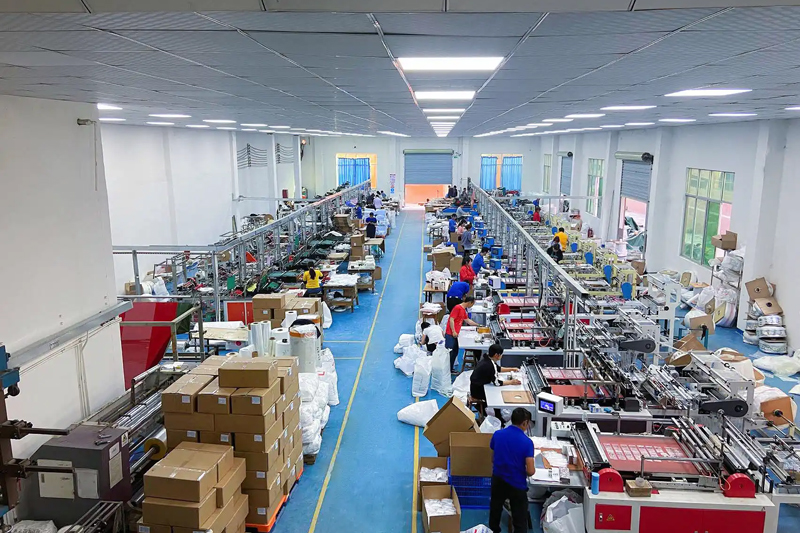
Modern production facilities leverage automation and quality control systems to ensure consistency. Advanced circular looms produce uniform fabric with precise tensile strength, while automated printing lines deliver registration accuracy within 0.5mm. Industry leaders like Shandong Jike International Trade Co., Ltd. have invested in state-of-the-art equipment capable of producing 8,000 tons annually with ISO-certified quality standards.
International trade in woven sacks has intensified, with China, India, and Vietnam emerging as major exporters. Cross-border commerce demands compliance with diverse food safety regulations, driving standardization of materials and processes. Multi-language printing capabilities and barcode integration have become essential features for brands operating in multiple markets.
The convergence of packaging and technology is creating new possibilities. QR codes and NFC tags embedded in woven sack designs enable consumer engagement, supply chain tracking, and anti-counterfeiting measures. Brands are leveraging these features to share product stories, recipes, and sustainability credentials, transforming packaging into an interactive marketing platform.
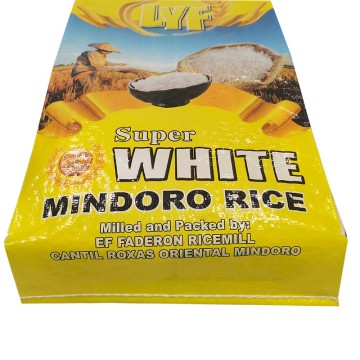
Premium rice brands utilize laminated PP woven sacks (5kg-25kg) with high-resolution printing to differentiate products on retail shelves. The breathable yet moisture-resistant nature preserves grain quality while transparent windows allow product visibility. Leading Asian brands report 23% sales increases after upgrading to branded woven packaging with enhanced graphics and resealable features.
Commercial bakeries and retail flour brands demand packaging that prevents moisture ingress while showcasing brand identity. Multi-layer laminated woven sacks with PE inner liners provide excellent barrier properties. Custom printing enables recipe suggestions, nutritional information, and brand storytelling that resonates with home bakers and professional users alike.
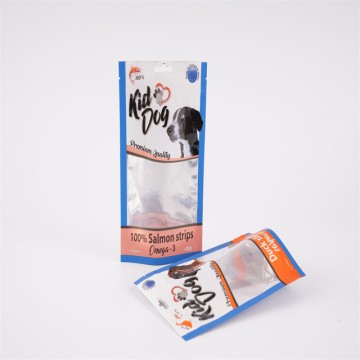
The booming pet food industry increasingly favors woven sacks for dry food products (10kg-20kg formats). The material's durability withstands rough handling while printed graphics communicate premium quality. Brands leverage full-color photography of happy pets alongside ingredient highlights, creating emotional connections with pet owners at point-of-purchase.
Organic food producers embrace woven sacks to align with eco-conscious brand positioning. Natural-toned fabrics with minimalist printing convey authenticity, while certifications and origin stories printed directly on packaging build consumer trust. The reusability factor appeals to environmentally aware shoppers, with many consumers repurposing bags for storage or shopping.
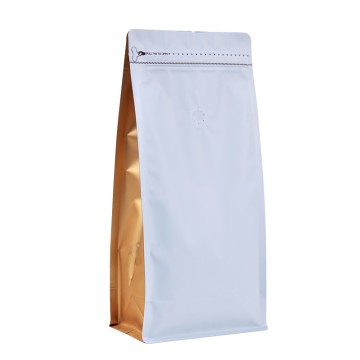
Specialty coffee roasters and tea distributors utilize smaller woven sacks (1kg-5kg) with degassing valves for retail presentation. The fabric's breathability complements coffee aging processes while UV-resistant printing preserves brand aesthetics. Artisanal designs featuring origin maps and roast profiles transform functional packaging into collectible items that enhance brand loyalty.
International food exporters require packaging that withstands long-distance shipping while meeting destination country regulations. Woven sacks with multi-language printing, compliance markings, and traceability codes serve this need effectively. The material's strength reduces product loss during transit, while professional branding facilitates market entry and distributor acceptance.
A Southeast Asian rice producer partnered with Jike Industries to redesign their retail packaging using laminated PP woven sacks with full-color printing. The new packaging featured transparent windows, resealable tops, and storytelling graphics about farming heritage. Results: 34% increase in premium segment sales, 28% improvement in brand recognition, and 41% reduction in packaging costs compared to previous composite materials. The success demonstrates how strategic woven sack implementation drives both commercial and operational benefits.
Biodegradable Material Integration: Research into bio-based polypropylene and additives that enhance degradability is accelerating. Next-generation woven sacks will combine traditional durability with end-of-life biodegradability, addressing circular economy requirements. Several manufacturers are piloting blends incorporating 15-20% bio-content without compromising strength or printability.
Customization at Scale: Digital printing technology is enabling economic short-run production, allowing brands to create limited editions, regional variations, and seasonal designs without prohibitive setup costs. This flexibility supports hyper-targeted marketing campaigns and rapid response to market trends, particularly valuable for emerging food brands testing new markets.
Enhanced Barrier Technologies: Advanced lamination and coating techniques are expanding woven sack applications into moisture-sensitive and oxygen-sensitive products previously requiring rigid packaging. Nano-coating technologies promise to deliver near-hermetic sealing while maintaining the breathability advantages that make woven sacks ideal for certain food categories.
Supply Chain Transparency: Blockchain integration and serialized printing are emerging as tools for supply chain verification. Each woven sack can carry unique identifiers linking to production data, ingredient sourcing, and distribution history. This transparency appeals to conscious consumers and helps brands combat counterfeiting in premium food segments.
Lightweighting Initiatives: Material science advances enable production of thinner, lighter woven fabrics that maintain strength characteristics. This reduces material consumption, lowers transportation costs, and improves sustainability metrics—all while preserving the structural integrity required for food packaging applications.
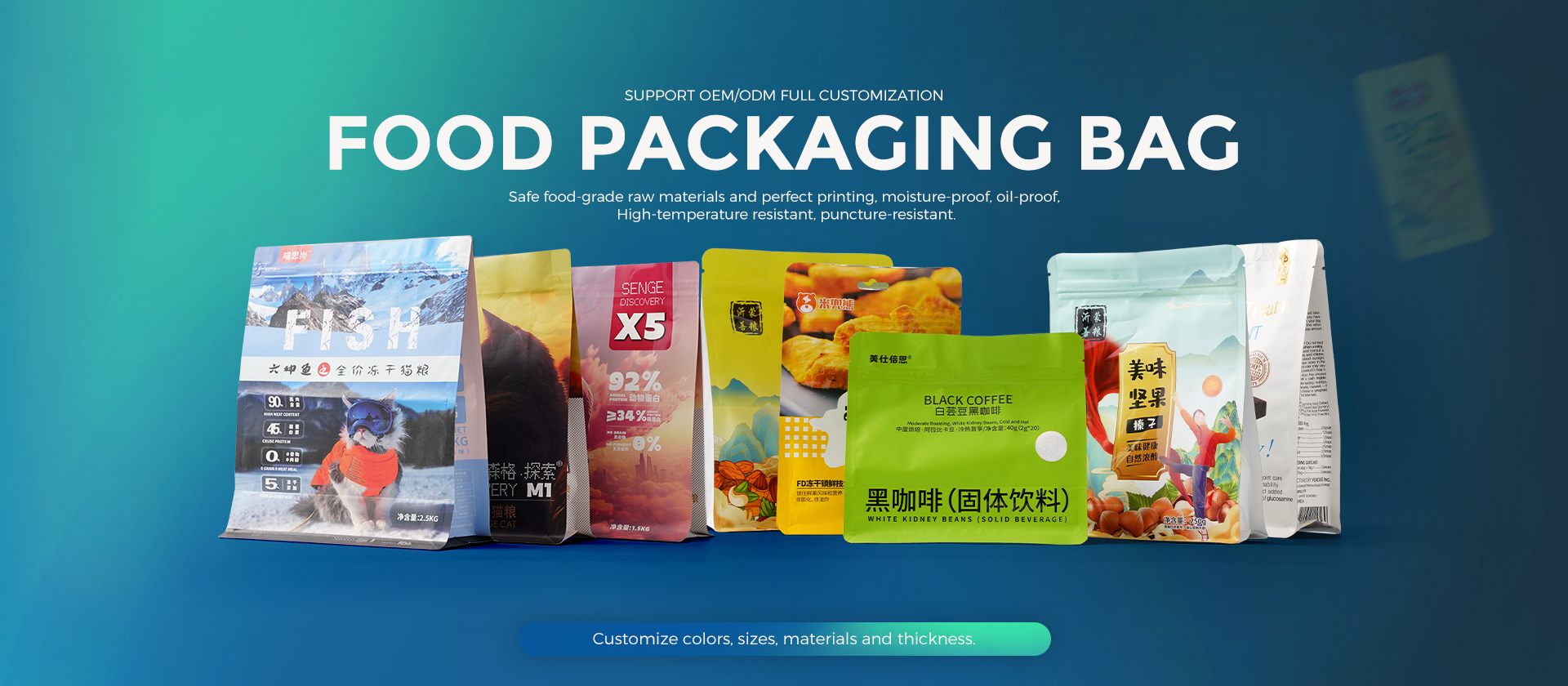
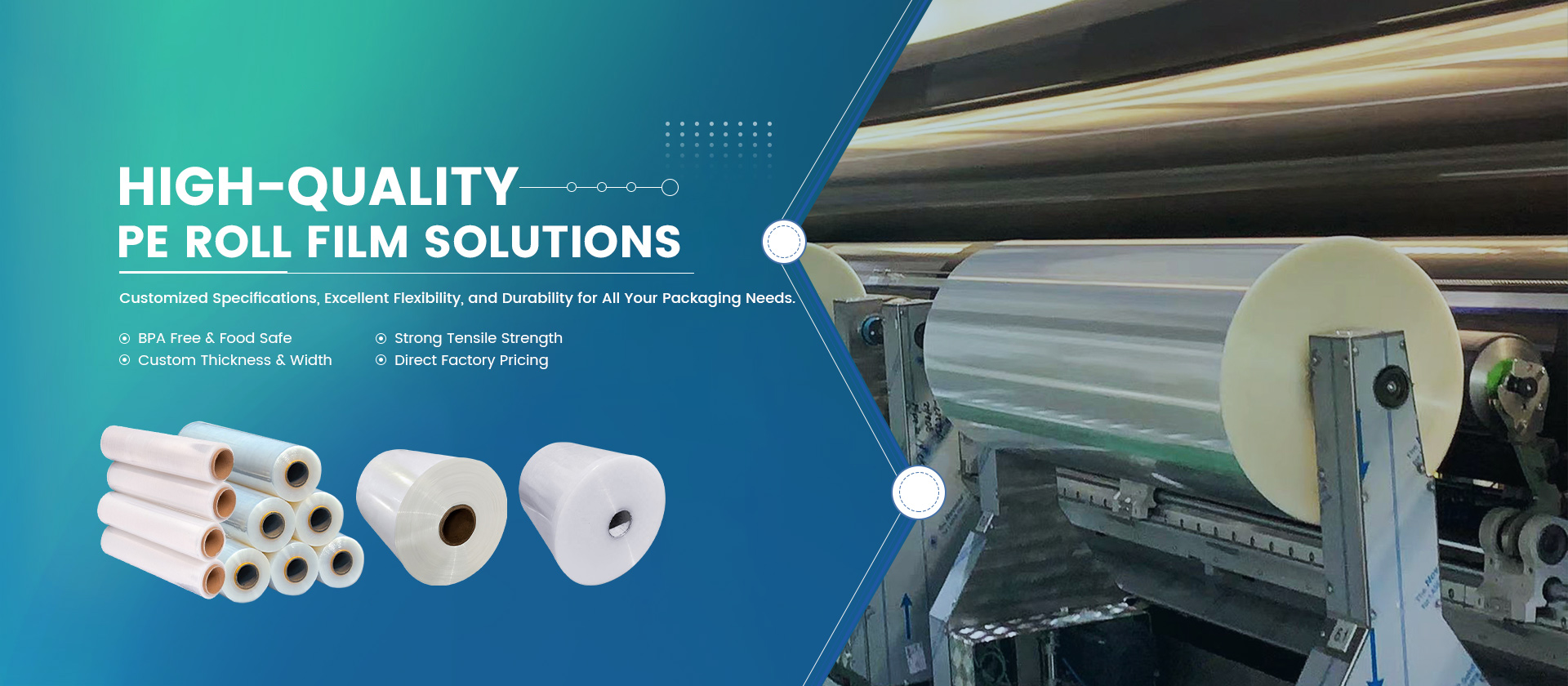
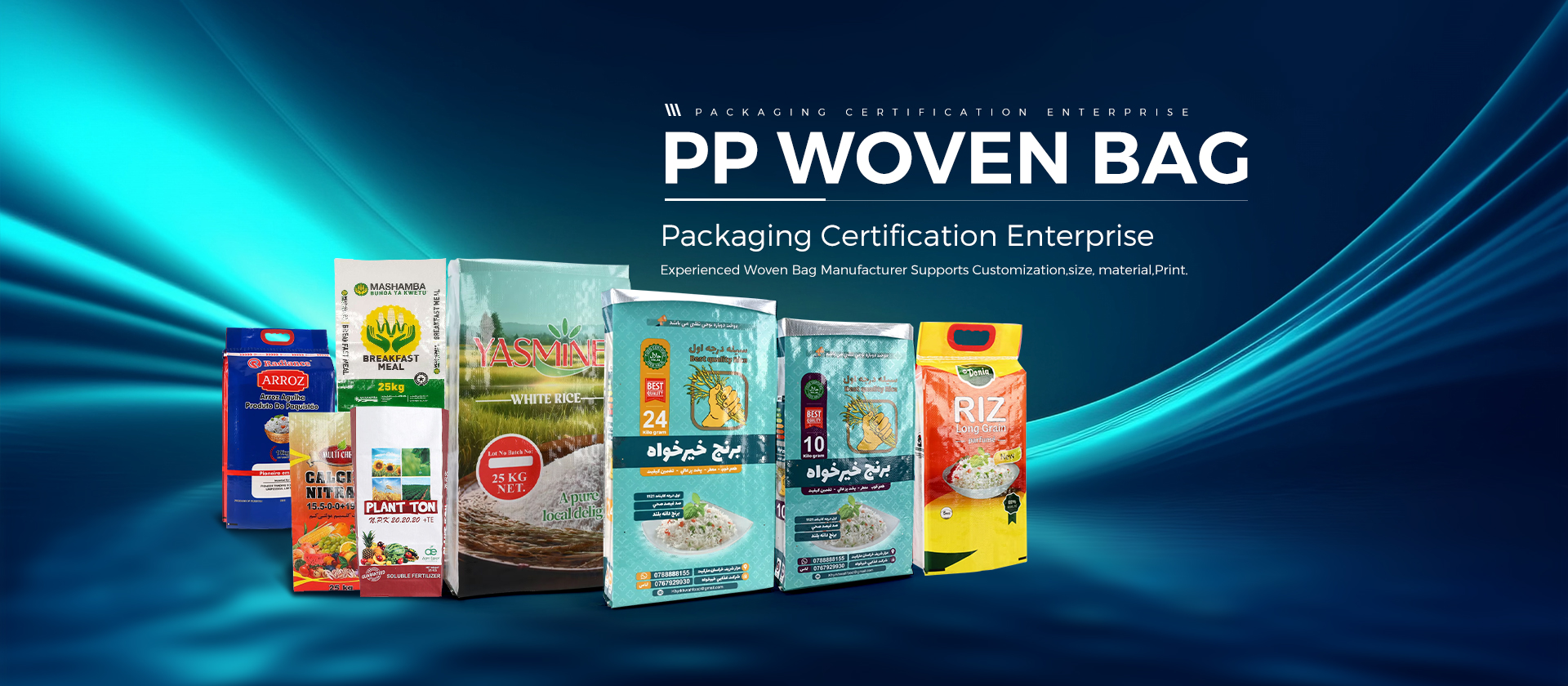
Shandong Jike International Trade Co., Ltd
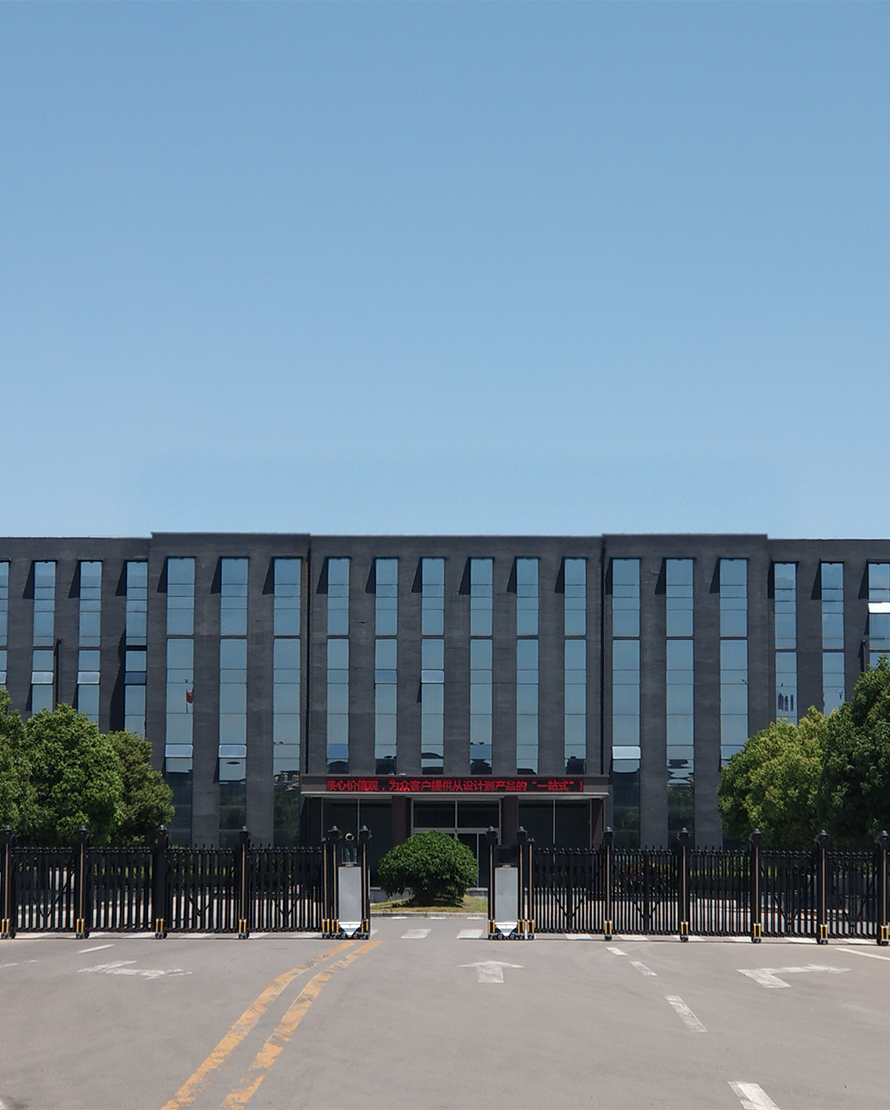
Shandong Jike International Trade Co., Ltd. is a state-owned professional food packaging and printing enterprise, established in 2003 and located in Shandong Province, eastern China. The company has obtained and passed ISO9001, ISO14001, and ISO45001 certifications, and all our products have passed QS food safety certification.
View MoreWe also support multi-language design and printing, barcode/QR code customization, material combination selection, and thickness selection to fully meet the needs of cross-border trade.



Comprehensive Solutions from Jike Industries