Welcome to our company

Leave Your Message
Premium PP woven sack solutions designed for long-term vacuum food storage, available in custom sizes, weights, and print specifications.
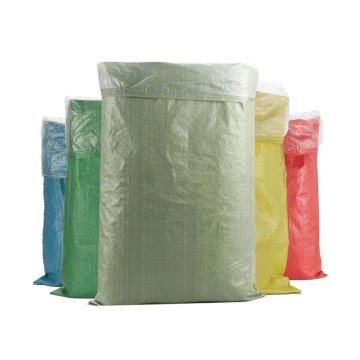
A woven sack for long-term vacuum food storage is a specialized packaging solution that combines the structural strength of polypropylene (PP) woven fabric with advanced barrier technologies — including laminated films, inner liners, and vacuum-sealed closures — to preserve food quality over extended periods. Unlike conventional bags, these sacks are engineered to resist moisture, oxygen infiltration, UV exposure, and physical stress during transportation and warehousing.
The combination of woven polypropylene substrate and vacuum-compatible inner lining creates a dual-barrier system: the outer woven layer provides mechanical protection and load-bearing strength, while the inner laminated film maintains an airtight seal that dramatically slows oxidation, microbial growth, and moisture absorption — extending shelf life by 2–5× compared to standard packaging.
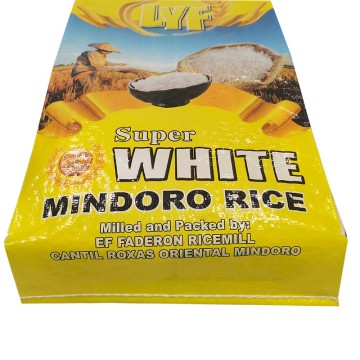
These sacks are widely used for packaging rice, flour, corn, wheat, maize, dried legumes, pet food, seeds, and other agricultural commodities that require both bulk handling capability and strict freshness preservation. The food-grade materials used comply with international safety standards including FDA, EU food contact regulations, and QS certifications.
The global market for woven packaging sacks has experienced consistent growth over the past decade, driven by the rising demand for bulk food storage, expanding agricultural exports, and the increasing need for cost-effective yet high-performance packaging in developing economies. According to industry reports, the global woven sacks market is projected to surpass USD 8 billion by 2028, with food packaging representing one of the fastest-growing segments.
In industrial food processing and distribution, woven sacks have become the preferred choice for companies handling large volumes of grains, cereals, and powdered food products. Their ability to be customized with lamination, inner PE liners, and vacuum-sealing features makes them versatile enough to serve both retail and wholesale supply chains simultaneously.
The woven sack industry is undergoing a significant transformation, influenced by technological innovation, sustainability imperatives, and evolving consumer expectations. Several key trends are redefining how manufacturers design and produce vacuum food storage sacks.
Manufacturers are increasingly adopting recycled PP resins and bio-based polymers to reduce environmental impact. Recyclable laminated woven sacks are gaining traction in European and North American markets where sustainability regulations are tightening.
Advanced circular looms, automated cutting and stitching lines, and AI-powered defect detection systems are enabling manufacturers to achieve higher consistency, lower waste, and faster turnaround times — critical for large-volume food packaging orders.
New lamination technologies combining BOPP, LDPE, and aluminum foil layers are pushing the oxygen and moisture barrier performance of woven sacks to levels previously only achievable with rigid or semi-rigid containers, enabling true long-term vacuum food storage.
QR codes, RFID tags, and digital watermarks are being integrated into woven sack printing, enabling end-to-end supply chain traceability, anti-counterfeiting protection, and consumer engagement — particularly valuable for premium food brands.
Rapid urbanization and food security initiatives in Africa, Southeast Asia, and Latin America are creating massive new demand for affordable, durable vacuum food storage sacks. Local production capacity is expanding, but quality imports remain dominant.
Solar-powered production facilities and heat-recovery systems in extrusion and lamination processes are reducing the carbon footprint of woven sack manufacturing, aligning with global ESG investment criteria and customer sustainability requirements.
Woven sacks for long-term vacuum food storage serve a diverse range of commercial, industrial, and humanitarian applications worldwide.
Large-scale grain traders and government food reserves use heavy-duty PP woven sacks with inner PE liners to store rice, wheat, corn, and maize in controlled-atmosphere warehouses. Vacuum sealing within the woven outer bag extends grain viability to 18–36 months, critical for national food security stockpiling programs.
Premium pet food brands require packaging that prevents fat oxidation and maintains palatability over long distribution cycles. Laminated woven sacks with vacuum-compatible inner bags provide the necessary oxygen barrier while allowing high-quality flexographic printing for retail shelf appeal.
Seed companies rely on vacuum woven sacks to maintain germination rates during long-distance shipping and off-season storage. The moisture barrier properties of laminated PP woven sacks are essential for preserving seed viability, particularly in tropical climates with high humidity.
Flour mills, starch processors, and sugar refineries use woven sacks as intermediate bulk containers between production stages. Vacuum-sealed inner liners prevent caking and contamination during transit between processing facilities, maintaining product quality for downstream manufacturers.
Cross-border food trade demands packaging that withstands weeks of ocean freight in varying temperature and humidity conditions. Multi-layer laminated woven sacks with vacuum sealing ensure that products arriving in North America, Europe, or the Middle East meet strict import freshness and safety standards.
International aid organizations and disaster preparedness agencies specify vacuum woven sacks for emergency food stockpiles due to their combination of durability, cost-effectiveness, and extended shelf life. These sacks must meet strict food safety certifications and withstand harsh storage conditions in remote locations.
When a PP woven sack is paired with a vacuum-sealed inner liner, oxygen levels inside the package drop below 1% — effectively halting aerobic microbial activity and dramatically slowing lipid oxidation. This extends the shelf life of rice and grains from 6–12 months (standard packaging) to 2–5 years, representing a transformational improvement for food security and supply chain efficiency.
Selecting the optimal woven sack configuration for long-term vacuum food storage requires careful consideration of multiple technical parameters:
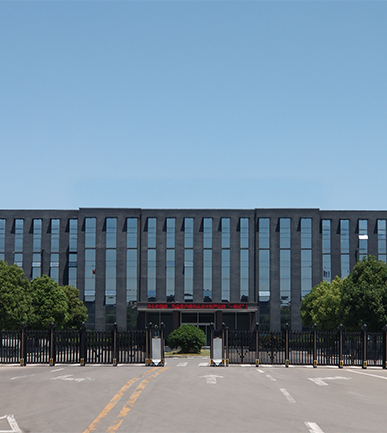
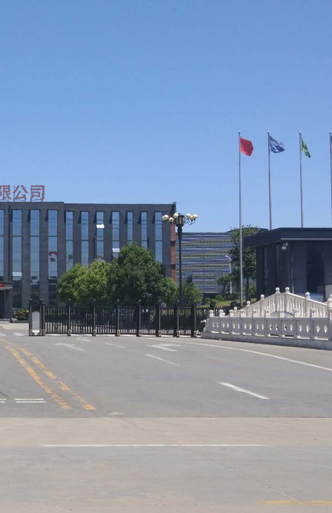
Shandong Jike International Trade Co., Ltd. is a state-owned professional food packaging and printing enterprise, established in 2003 and located in Shandong Province, eastern China. The company has obtained and passed ISO9001, ISO14001, and ISO45001 certifications, and all our products have passed QS food safety certification.
With over 23 years of expertise in manufacturing woven sacks for long-term vacuum food storage, we deliver precision-engineered packaging solutions that meet the rigorous standards of global food trade — from grain storage in Southeast Asia to premium food retail in Europe and North America.

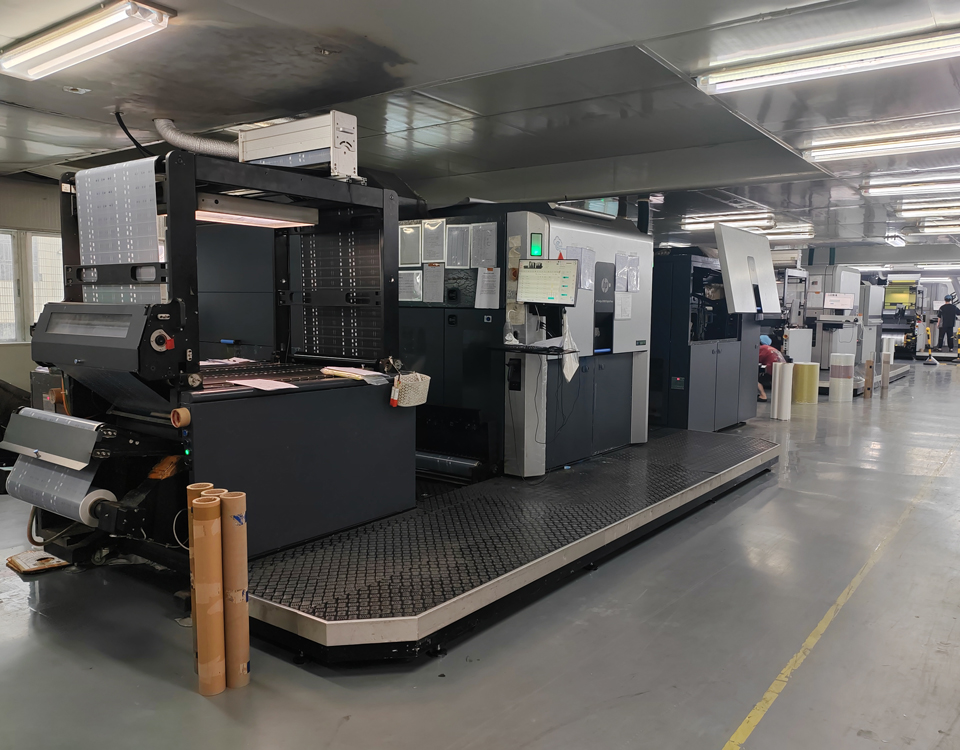
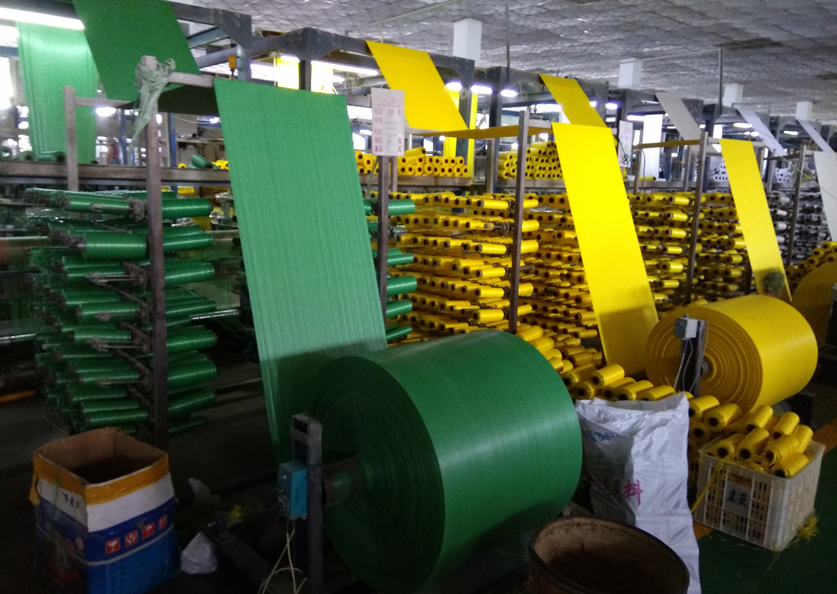
The company's core export products cover the needs of multiple industries, mainly including food-grade flexible packaging, pet food packaging, polyethylene film, and woven packaging bags for long-term vacuum food storage. Our products accurately match the market standards of different regions such as North America, the European Union, Southeast Asia, and the Middle East.
We also support multi-language design and printing, barcode/QR code customization, material combination selection, and thickness selection to fully meet the needs of cross-border trade.
In terms of supply chain and service, the company has strong cross-border delivery capabilities. We have standardized production workshops and automated production lines, with flexible minimum order quantities for regular products. We undertake both small-batch customization and large-volume order production.
We have established a strict quality control system, tracing the entire process from raw material procurement and production processing to finished product inspection, ensuring that every batch of products meets the quality standards of the importing country. We are equipped with a professional cross-border logistics team to support various transportation methods such as full container shipping, LCL shipping, and air freight.
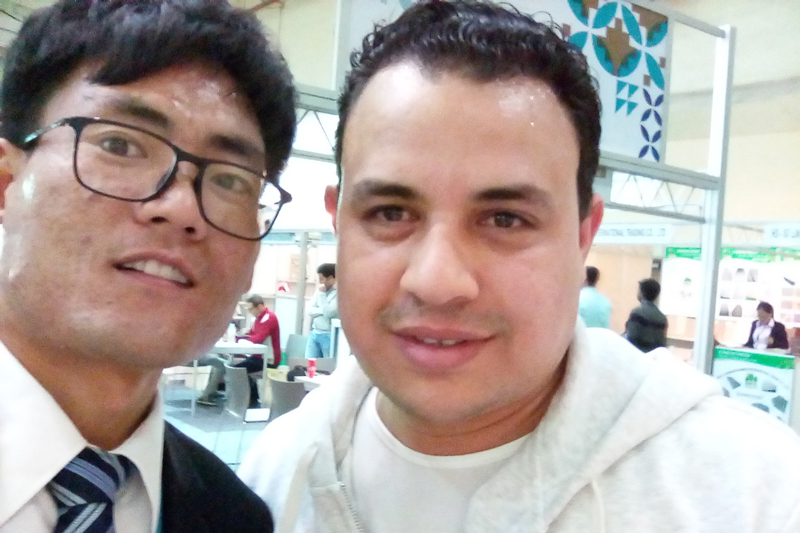
Showcasing our woven sack and vacuum food storage packaging solutions at international trade exhibitions worldwide.
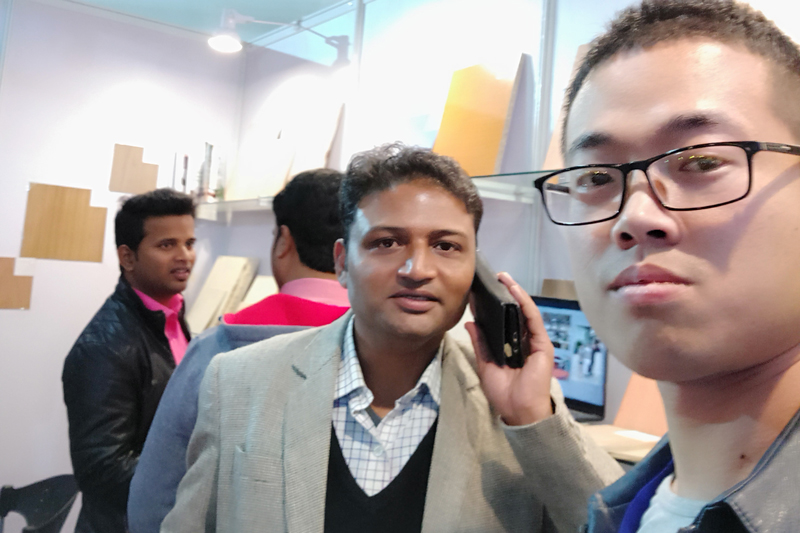
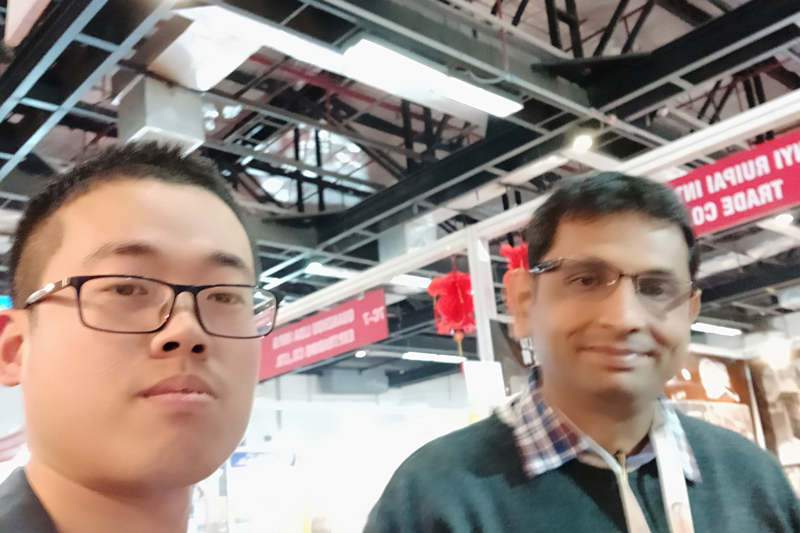
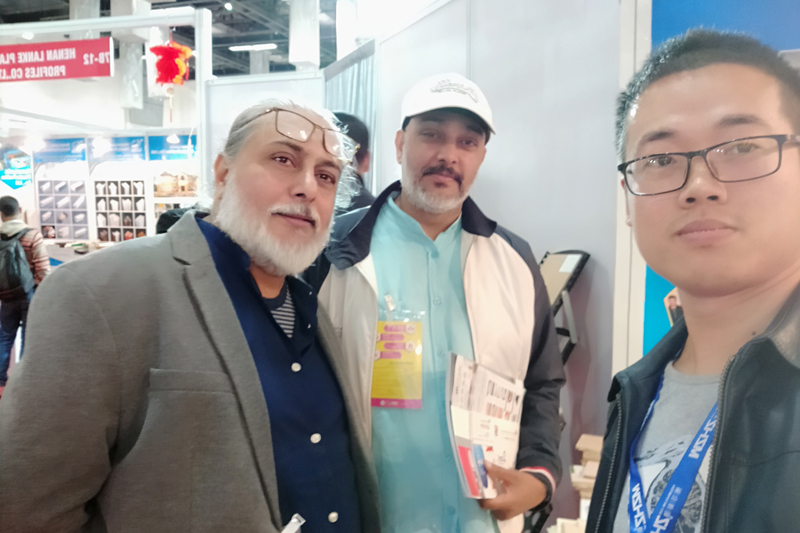
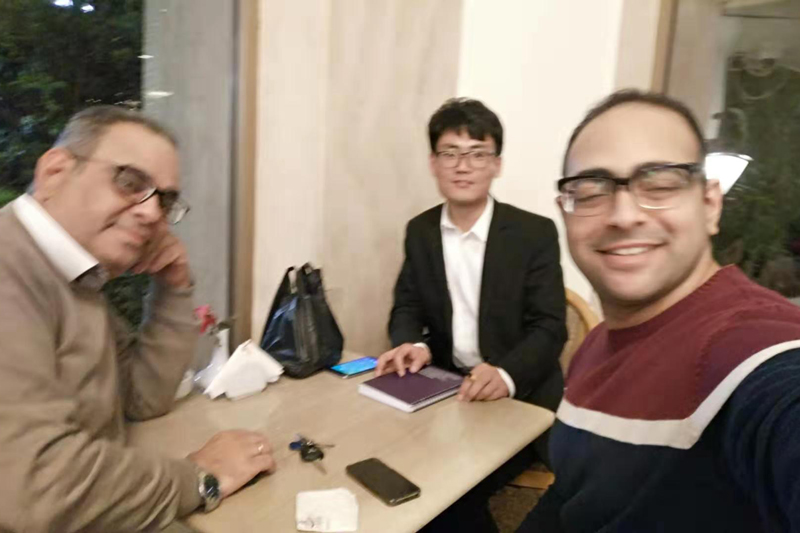
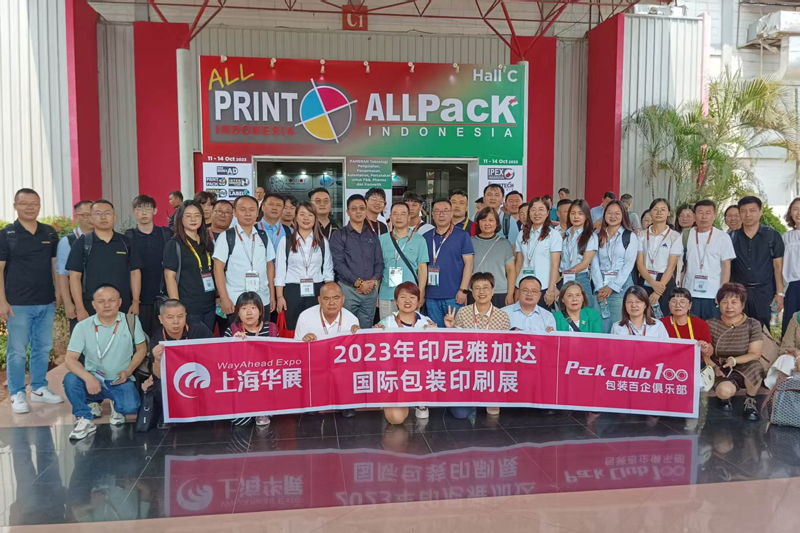
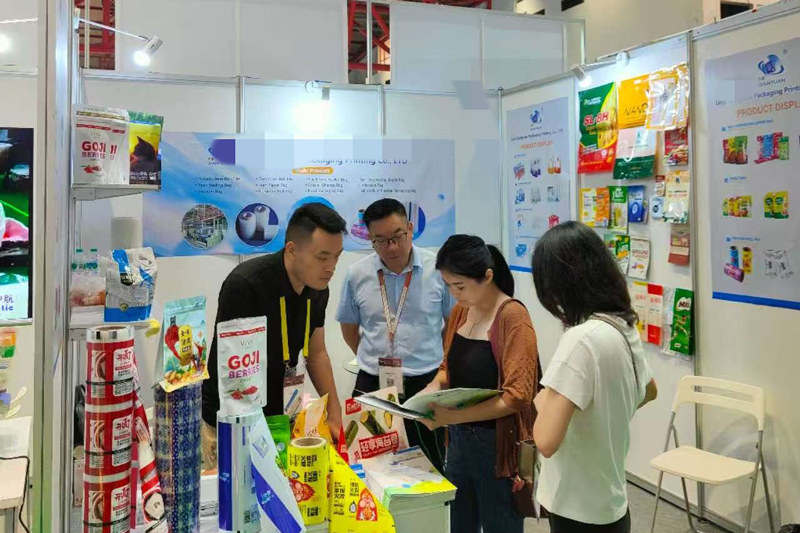
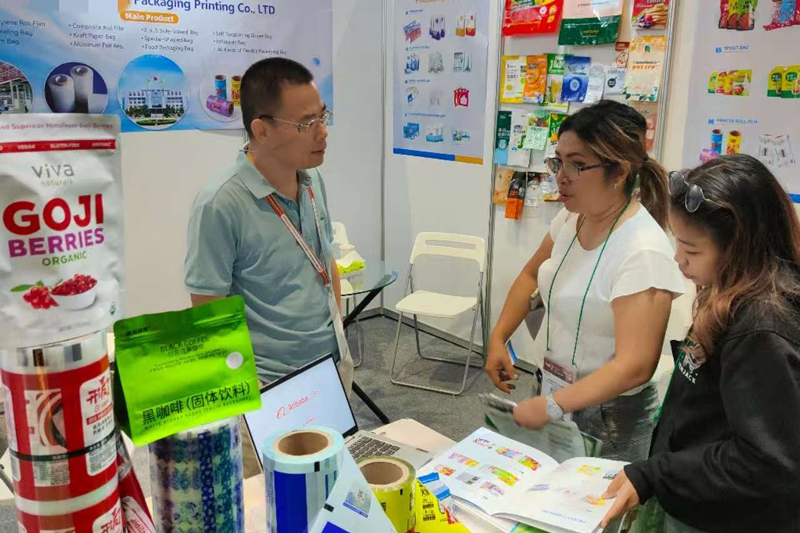
Since its establishment 23 years ago, relying on excellent product quality, comprehensive compliance guarantees, and efficient cross-border services, Jike Packaging Printing has established long-term cooperative relationships with customers in more than 50 countries and regions worldwide, serving clients including globally renowned food manufacturers, brand owners, and trading companies. In the future, we will continue to focus on changes in international market demand, using innovative technology and high-quality services as a link to become a trusted cross-border flexible packaging printing partner for global customers.
Contact UsExplore our complete range of PP woven sacks engineered for long-term vacuum food storage across diverse industries.