
Optimizing Bulk Material Transport with Advanced Woven Sacks
The industrial and commercial sectors worldwide increasingly rely on robust, reliable packaging solutions, and woven sacks have emerged as a pivotal component for heavy-duty bulk material transport. Known for their strength, durability, and versatility, woven sacks facilitate efficient handling, storage, and transportation of materials across diverse industries.
Woven sacks, traditionally crafted using polypropylene (PP) fibers, have undergone technological advances that enhance their load-bearing capacities, environmental resistance, and customization options. In the context of heavy-duty bulk material transport, these sacks serve as indispensable tools for sectors ranging from agriculture to construction, mining, and chemical manufacturing.
Current Industrial Landscape of Woven Sacks
Globally, the market for woven sacks is robust and growing, fueled by expanding infrastructure projects, global food supply chains, and advancements in materials technology. Heavy-duty woven sacks are preferred over alternative containers due to their lighter weight, cost efficiency, and adaptability to various filling and discharge mechanisms.
In agricultural supply chains, they secure grains, seeds, and fertilizers, assuring protection against moisture and pests while facilitating large volume shipments. The construction industry uses woven sacks to transport aggregates like sand, gravel, and cement, capitalizing on their strength to endure rough handling and environmental exposure.
Emerging Trends Driving Development
Innovation within woven sacks is shaped by environmental concerns, regulatory pressures, and technological progress:
- Sustainability Initiatives: Incorporation of recycled polypropylene and biodegradable coatings is transforming the traditional sack into an eco-conscious packaging solution, addressing plastic waste challenges while maintaining performance.
- Enhanced Barrier Technologies: Multi-layer lamination and coating methods are being developed to improve resistance against moisture, UV radiation, and chemical exposure, critical for sensitive bulk goods.
- Customization and Smart Packaging: Advancements in printing technologies enable detailed branding, traceability codes such as QR/barcodes, and smart features like RFID tags integrated into woven sacs to optimize inventory and logistics management.
- Automation-Friendly Designs: Compatibility with automated filling and sealing systems is driving sack designs towards uniform shapes, reinforced lifting loops, and quick release mechanisms.
In-Depth Application Analysis
Woven sacks for bulk transport handle diverse materials that impose specific demands on strength, chemical compatibility, and regulatory compliance.
Agricultural Sector:
For heavy grains like wheat, rice, maize, and beans, woven sacks must ensure integrity during long-distance transport and avoid contamination. Laminated sacks with breathable membranes facilitate air circulation while preventing moisture ingress, preserving seed viability.
Construction and Industrial Raw Materials:
Sacks designed for cement, sand, fertilizers, and aggregates require high tensile and tear resistance. Reinforced woven fabrics combined with water-resistant coatings prevent material degradation from ambient moisture and rough handling at loading docks and construction sites.
Chemicals and Minerals:
Specialized sacks with chemical-resistant inner linings and anti-static properties enable safe transport of powdered chemicals, minerals, and hazardous bulk solids, adhering to stringent occupational and environmental safety standards.
Food Industry:
Food-grade woven sacks, approved by food safety regulations (e.g., QS certification), are used extensively for bulk packaging of flour, sugar, salt, coffee beans, and pet foods. Their laminated layers prevent contamination, help maintain freshness, and support hygienic supply chains.
Commercial Advantages of Using Woven Sacks
Businesses adopting premium woven sacks gain:
- Cost Efficiency: Compared to rigid packaging, woven sacks reduce shipping weight and optimize space usage.
- Durability: Resistance to tearing, abrasion, and puncture translates into less product loss and damage.
- Environmental Impact Mitigation: New recyclable and reusable woven sacks reduce packaging waste footprint.
- Branding and Differentiation: High-quality prints and personalization enhance product visibility on retail shelves and supply chains.
- Logistical Optimization: Standardized sack sizes and features expedite mechanized handling and inventory control.
These attributes underpin the increasing preference for woven sacks in industries where bulk material transport is integral to operations, such as agriculture logistics hubs, cement manufacturing plants, chemical producers, and large-scale food packaging facilities.
Woven Sack Innovations Shaping the Future
With Industry 4.0 and sustainability converging on packaging, woven sacks are evolving as smart, adaptive, and environmentally responsible solutions:
- Integration of IoT Sensors: Embedded sensors in woven sacks monitor conditions such as humidity, temperature, and mechanical stress, providing real-time data for improved supply chain transparency and quality assurance.
- Advanced Material Engineering: Nanotechnology and composite fibers are being researched to create ultra-strong, lightweight, and biodegradable woven fabrics.
- Closed-loop Recycling Systems: Companies aim to collect and remanufacture used woven sacks, reducing reliance on virgin plastics and lowering carbon footprints.
- Customization for Automated Systems: Woven sacks engineered for robotic handling, automatic palletizing, and integrated filling minimize human error and enhance operational safety.
These developments will not only improve functionality but also align with global carbon neutrality goals, allowing industries to transport bulk materials more sustainably and efficiently.
Original Product Showcase
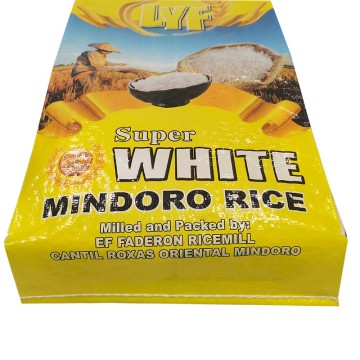
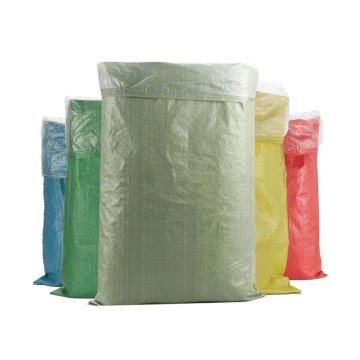
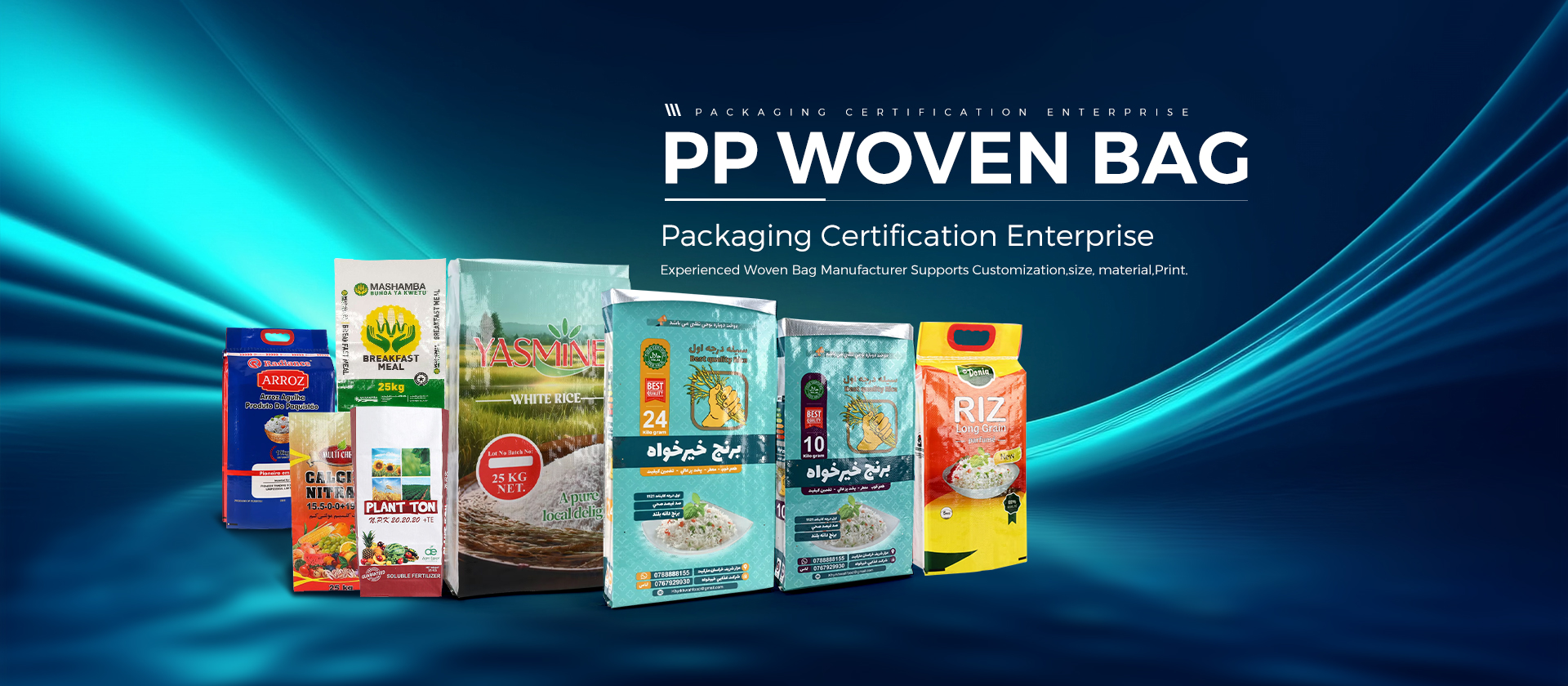
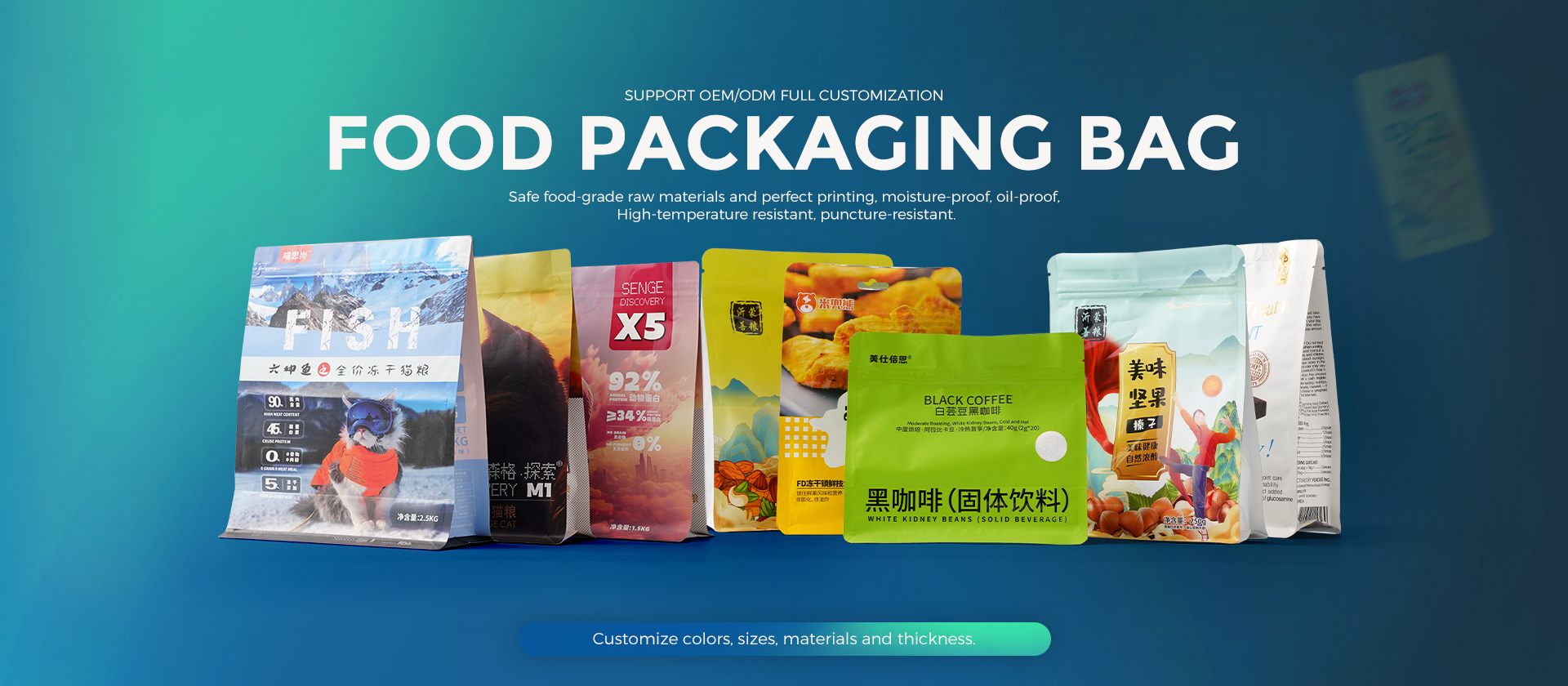
Extended Product Range Related to Bulk Transport
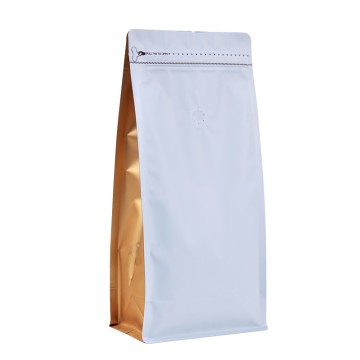
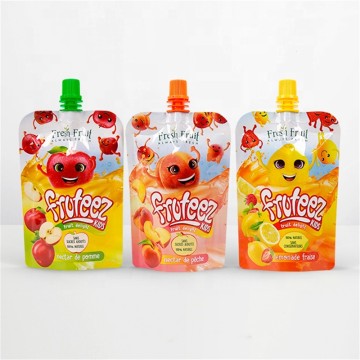
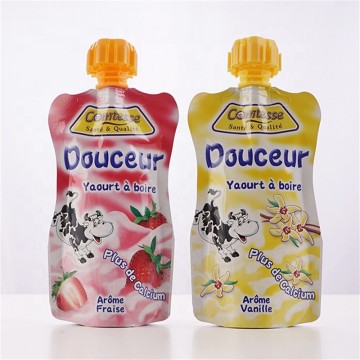

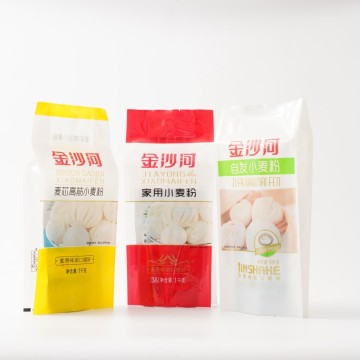

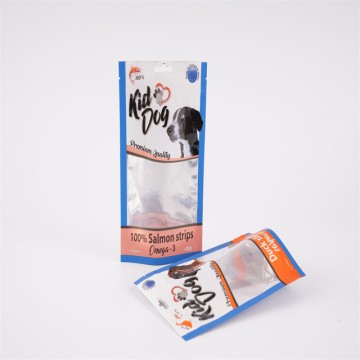
Industry Insights: Why Choose Woven Sacks for Heavy-Duty Bulk Material Transport?
Exceptional Durability & Strength
Woven sacks engineered for heavy bulk transport feature high tensile strength yarns and tightly woven fabric architecture designed to resist tearing, punctures, and abrasion. This ensures safe containment and reduces losses during rough industrial handling.
Sustainability & Reusability
Increasingly, manufacturers develop woven sacks from recycled polypropylene materials, allowing for reuse and recycling programs that contribute to circular economies and lower environmental footprints without compromising performance.
Customization to Industry Needs
From reinforced lifting loops for easy forklift handling to water-resistant coatings, UV blockers, and multi-layer laminations, the flexibility in weaving and finishing technology meets the diverse needs of industries transporting bulk foods, chemicals, minerals, and construction materials.
Efficient Logistics & Handling
Standardized sack dimensions simplify palletizing and stacking, while compatibility with automated filling and sealing stations accelerates throughput in distribution centers, reducing labor costs and human error.
The Future of Woven Sacks in Bulk Material Transport
As global industries focus more sharply on sustainability and operational efficiency, woven sacks are poised to integrate smart packaging technologies, advanced biopolymers, and enhanced durability features that extend their lifecycle and traceability. This will reinforce their role as essential components in the supply chains of tomorrow, delivering safe, eco-friendly, and economical bulk handling solutions.