Welcome to our company

Leave Your Message
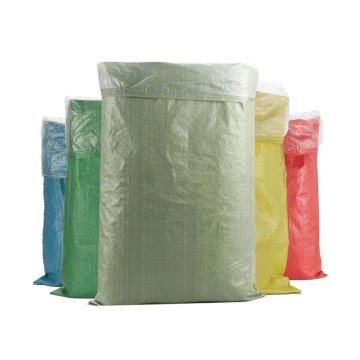
Discover our most popular PP woven sack products — customized for recyclable, sustainable packaging across agriculture, food, and industrial sectors.
As global industries accelerate their transition to greener supply chains, the woven sack has emerged as one of the most strategically important packaging formats of the 21st century.
The global packaging industry is undergoing a fundamental transformation. With governments worldwide enacting stricter regulations on single-use plastics, and consumers demanding more sustainable choices, businesses across agriculture, construction, chemicals, and food processing are actively seeking packaging alternatives that combine durability, recyclability, and cost-effectiveness. The PP woven sack — also known as polypropylene woven bag — stands at the center of this shift, delivering an unmatched combination of mechanical strength, moisture resistance, reusability, and eco-friendly recyclability.
Unlike single-use polyethylene bags or non-woven alternatives, PP woven sacks are manufactured from interlocking polypropylene tapes that can be fully recycled at end-of-life. Their superior tensile strength — typically handling loads from 5 kg to 1,000 kg — means fewer bags are required per shipment, directly reducing total material consumption and carbon footprint per unit of product transported.
According to recent market research, the global woven sacks market was valued at over USD 8.5 billion in 2023 and is projected to exceed USD 13 billion by 2030, driven primarily by growth in agriculture, construction materials, and sustainable packaging mandates in Europe, North America, and Southeast Asia. This trajectory reflects not just demand for volume, but a qualitative upgrade — buyers are increasingly specifying laminated, printed, and recycled-content woven sacks as standard.
Today, woven polypropylene sacks represent the dominant bulk packaging format across multiple sectors. In the global agricultural commodities market alone, an estimated 40 billion woven sacks are consumed annually for rice, wheat, corn, fertilizer, and animal feed. This staggering volume underscores their central role in global food security infrastructure.
From an industrial perspective, the construction sector relies heavily on woven sacks for cement, sand, gravel, and chemical compound storage. In the chemicals and petrochemical industries, FIBC (Flexible Intermediate Bulk Container) variants of woven sacks are approved for UN-rated hazardous goods transport, meeting international safety standards. The versatility of woven sack technology — from a simple open-top grain bag to a multi-layer laminated valve sack for fine powders — makes it an irreplaceable platform.
China remains the world's largest manufacturer and exporter of PP woven sacks, accounting for over 35% of global production capacity. Leading Chinese manufacturers such as Shandong Jike International Trade Co., Ltd. have invested heavily in ISO-certified production lines, digital printing systems, and sustainable raw material sourcing to serve export markets across 70+ countries.
The environmental credentials of PP woven sacks have improved dramatically in recent years. Modern production facilities utilize recycled polypropylene (rPP) content ranging from 20% to 100% in non-food-contact applications, significantly lowering the carbon footprint versus virgin plastic. Life-cycle analysis (LCA) studies consistently show that a durable, reusable woven sack used 3–5 times produces substantially less environmental impact per functional unit than paper or non-woven alternatives.
Laminated woven sacks with inner PE liners provide additional moisture and contamination barriers without compromising recyclability, as both layers can be processed by existing plastic recycling streams. In Europe, major retailers and regulatory bodies now recognize PP woven sacks as Category A recyclable packaging, eligible for extended producer responsibility (EPR) compliance credits. This regulatory recognition is accelerating adoption among European importers of bulk agricultural and construction goods.
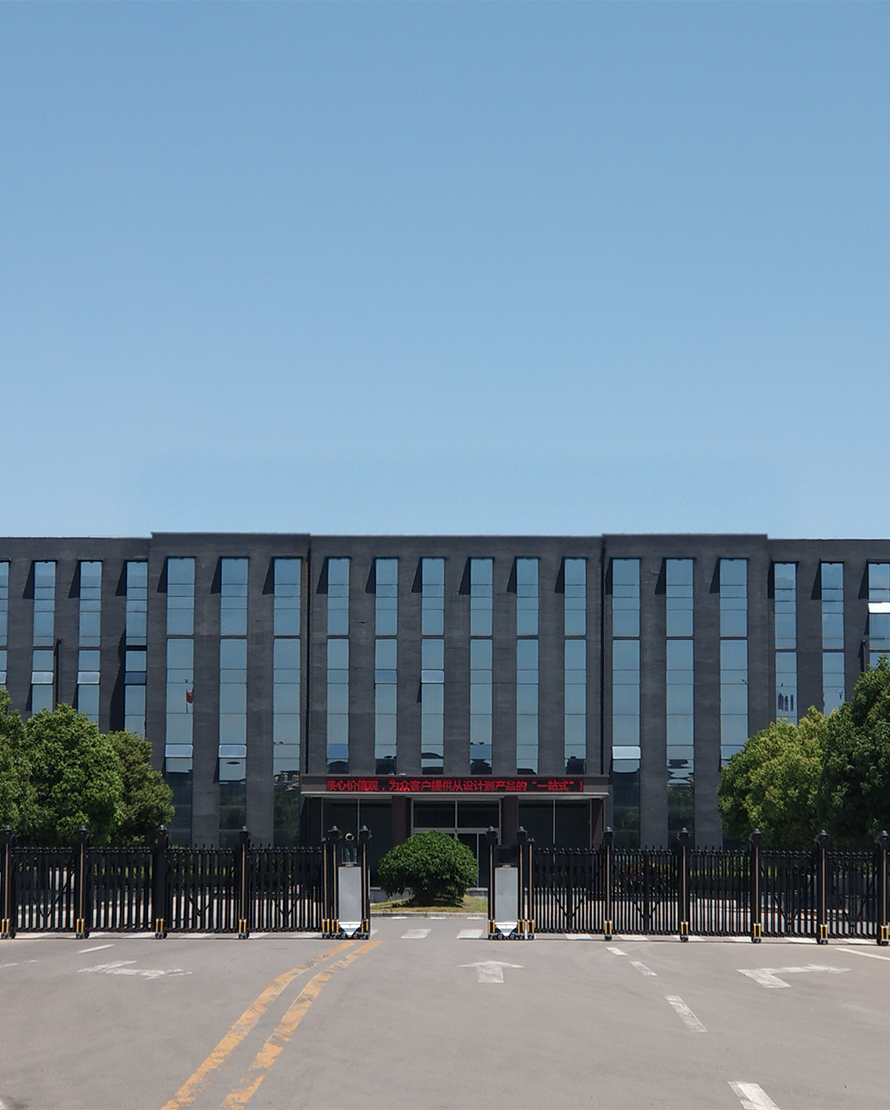
Shandong Jike International Trade Co., Ltd. is a state-owned professional food packaging and printing enterprise, established in 2003 and located in Shandong Province, eastern China. The company has obtained and passed ISO 9001, ISO 14001, and ISO 45001 certifications, and all our products have passed QS food safety certification.
As a pioneer in the packaging industry deeply rooted in North China, Jike is a one-stop provider of food packaging bags, pet packaging bags, and woven bags. Since our founding in 2003, we have built upon more than 22 years of profound industry experience, achieving an impressive annual capacity of 5,000 tons of food packaging bags and 3,000 tons of woven bags.
We also support multi-language design and printing, barcode/QR code customization, material combination selection, and thickness selection to fully meet the needs of cross-border trade.
Learn More About Jike →From grain fields to construction sites, from chemical warehouses to e-commerce fulfillment centers — woven sacks deliver measurable performance advantages in every environment.
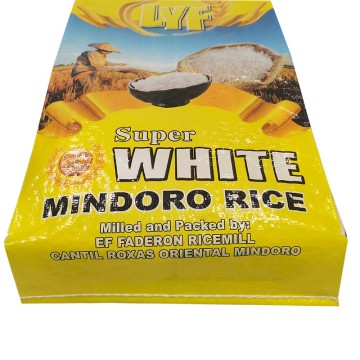
Laminated PP woven sacks (5 kg, 10 kg, 25 kg, 50 kg) are the gold standard for packaging rice, wheat, corn, maize, soybeans, and animal feed. The laminated inner surface prevents moisture ingress while the woven outer layer provides breathability and anti-slip stacking properties — critical for warehouse storage in tropical climates. Printed branding panels support retail display and traceability labeling.
Heavy-duty woven sacks for cement (25 kg, 50 kg), sand, gravel aggregates, and tile adhesives withstand rough handling during transport and on-site storage. Anti-UV treated sacks extend outdoor shelf life. Valve-top designs enable automated filling on high-speed production lines, reducing labor costs and spillage at cement plants.
Multi-wall and FIBC woven sack formats handle plastic resin pellets, fertilizers, sulfur, carbon black, and industrial salts. UN-rated constructions comply with international dangerous goods regulations. Inner PE liners with heat-sealing provide complete moisture and contamination isolation for hygroscopic chemical powders.
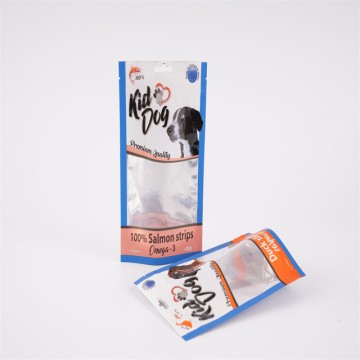
Laminated woven sacks with high-quality gravure printing offer premium shelf presence for branded pet food and animal feed products. Resealable or sewn-top closures accommodate retail and bulk distribution channels. Food-grade inner films ensure compliance with international pet food safety regulations.
Large-format woven sacks (500 kg–1,000 kg FIBCs) are widely deployed in municipal waste sorting, plastic flake transport, and post-consumer recycled material logistics. Their reusability and mechanical durability make them the most cost-effective container for circular economy material flows.
Geo-textile woven sacks and sandbags are critical components in flood control, coastal erosion prevention, and civil engineering applications. UV-stabilized grades maintain structural integrity under prolonged outdoor exposure, making them a preferred choice for government infrastructure projects worldwide.
The woven sack industry is evolving rapidly. Understanding these macro trends is essential for buyers seeking packaging partners who can deliver competitive advantage in 2025 and beyond.
The EU Packaging and Packaging Waste Regulation (PPWR), set for phased implementation from 2025–2030, mandates minimum recycled content thresholds for plastic packaging. PP woven sack manufacturers are investing in rPP supply chains to ensure compliance and maintain market access in European export channels.
Brand owners in food, agriculture, and retail are demanding photographic-quality printing on woven sacks to drive shelf appeal and consumer trust. Advanced gravure and flexographic printing systems now support up to 10-color photorealistic designs on laminated woven substrates, turning functional sacks into powerful brand communication tools.
QR codes, NFC chips, and printed track-and-trace barcodes are increasingly incorporated into woven sack designs to enable end-to-end supply chain transparency. This capability is particularly valued in food safety auditing, pharmaceutical ingredient logistics, and export compliance documentation.
The rise of automated packaging lines in food processing, fertilizer, and chemical plants is driving demand for woven sacks engineered for robotic palletizing, high-speed form-fill-seal machines, and automated valve-filling systems. Precise dimensional tolerances and consistent seam strength are now standard buyer requirements.
Research into bio-PP and PHA-based woven fabric is gaining momentum, with pilot-scale production expected to reach commercial viability by 2027. These materials would allow woven sacks to achieve full industrial compostability without sacrificing the mechanical performance that makes them so valuable in heavy-duty applications.
Post-pandemic supply chain resilience concerns are driving buyers to diversify sourcing beyond single-country dependency. Leading Chinese manufacturers are responding by expanding direct factory partnerships, investing in digital order management platforms, and offering bonded warehouse programs in target export markets to reduce lead times and inventory risk.
Explore the full range of Jike packaging solutions — from PP woven sacks to food-grade flexible pouches.
From concept to doorstep — Jike delivers a fully integrated packaging solution backed by 22+ years of manufacturing excellence and global logistics capability.

JIKE is a one-stop provider of food packaging bags, pet packaging bags, and woven sacks. You can find all the bags you need from a single trusted manufacturer — eliminating multi-vendor complexity and reducing procurement costs.

We customize everything — from design, material structure, and lamination thickness to different sizes, closure styles, and printing specifications — meeting any special requirements from global clients.

From raw material sourcing, color printing, lamination, curing, and bag-making to final packaging and shipping — every production stage undergoes rigorous quality inspection to meet the most demanding customer requirements.

We handle LCL and FCL container shipments globally, as well as DHL and FedEx express delivery for small quantities. Whether container or courier — we deliver door-to-door to your warehouse anywhere in the world.
Share your specifications, target market, and volume requirements. Our technical team advises on optimal material structure, sizing, and printing options.
Our design team creates print-ready artwork. Physical samples are produced and dispatched for your approval before mass production begins.
Every production batch is manufactured under ISO 9001 quality management protocols with in-line inspection at each critical process stage.
We coordinate container loading, export documentation, and last-mile delivery — ensuring your woven sacks arrive on time, in perfect condition.
Ready to upgrade your packaging to eco-friendly, recyclable PP woven sacks? Connect with Jike's team today for a custom quote, free samples, and expert packaging consultation.
Stay informed on the latest developments in sustainable packaging, woven sack innovation, and global packaging trends.
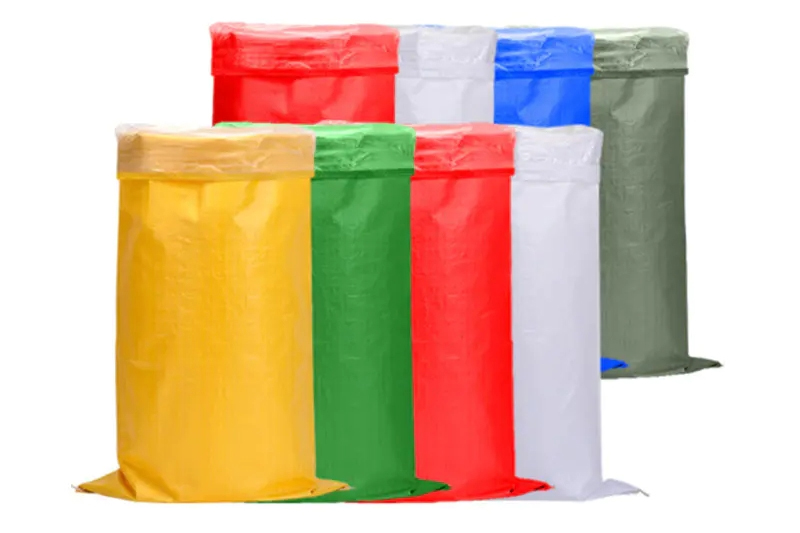
As the global demand for sustainable packaging continues to grow, more and more businesses are turning to innovative PP woven and FIBC solutions that combine performance with environmental responsibility.

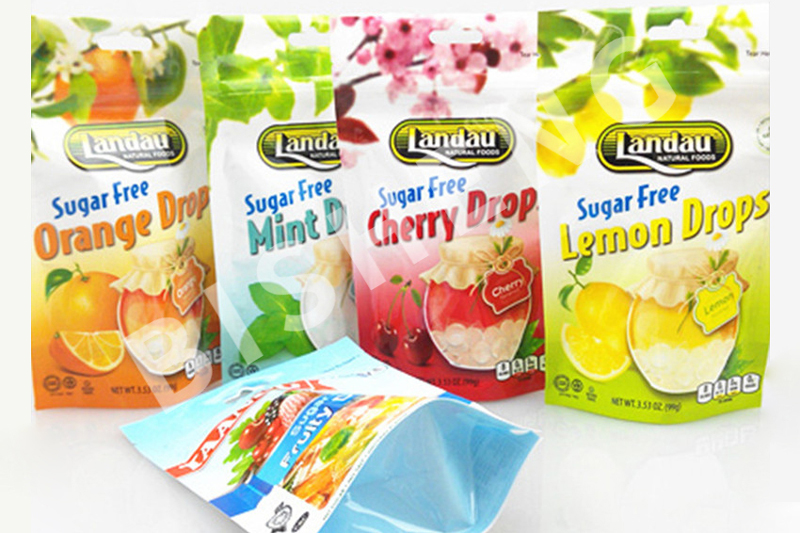
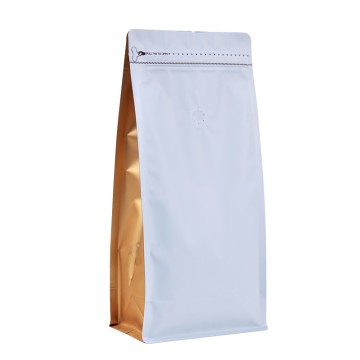
Stand-up bags are becoming increasingly popular in the packaging industry due to their functional versatility, brand display advantages, and compatibility with modern retail environments and automated filling lines.
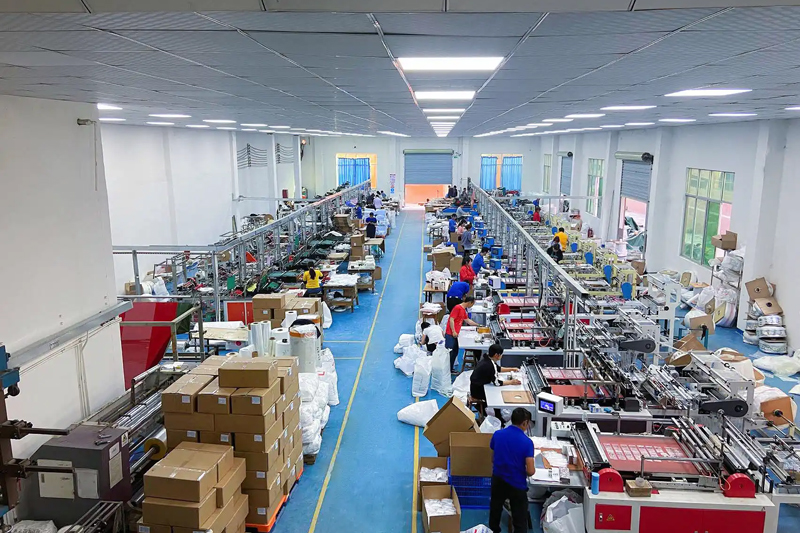
Entering 2026 and beyond, packaging trends will reflect broader shifts in sustainability mandates, smart packaging technology, circular economy design, and the growing demand for recyclable bulk packaging formats worldwide.
Browse the complete Jike product catalog — all customizable, all eco-compliant, all export-ready.
 CUSTOMIZE MY OWN STYLE
