Welcome to our company

Leave Your Message
Ethiopia's packaging industry is experiencing unprecedented growth, driven by the country's rapidly expanding agricultural sector and increasing industrialization. As one of Africa's fastest-growing economies, Ethiopia presents enormous opportunities for woven sack manufacturers and exporters.
Agriculture accounts for approximately 35% of Ethiopia's GDP and employs over 70% of the population. The country is Africa's largest producer of coffee and a major exporter of sesame seeds, pulses, oilseeds, and cereals. This agricultural abundance creates massive demand for reliable, cost-effective packaging solutions, particularly PP woven sacks.
Ethiopian farmers and agricultural cooperatives require millions of woven sacks annually for packaging teff (Ethiopia's indigenous grain), coffee beans, pulses, wheat, maize, and barley. The government's Agricultural Transformation Agenda has further accelerated demand by promoting commercial farming and export-oriented agriculture.

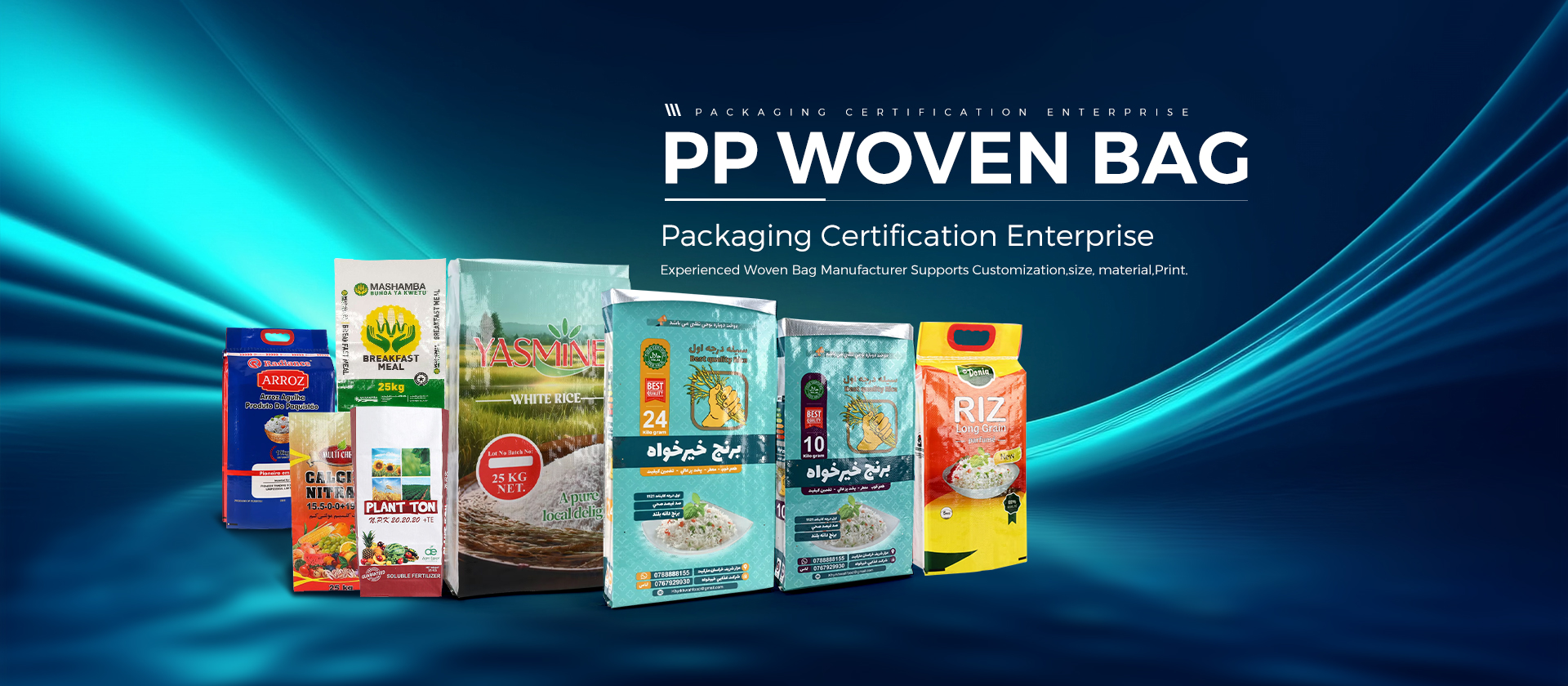
Ethiopia has established numerous industrial parks across the country, including dedicated agro-processing zones. These facilities require substantial quantities of packaging materials, creating steady demand for woven sacks, food-grade bags, and specialized packaging solutions.
The Ethiopian government's focus on increasing agricultural exports has led to stricter quality standards for packaging. International buyers demand food-safe, durable, and professionally printed packaging, driving demand for high-quality PP woven sacks with lamination and custom printing capabilities.
Environmental consciousness is growing in Ethiopia. Reusable and recyclable PP woven sacks are increasingly preferred over single-use alternatives, aligning with global sustainability trends and Ethiopian environmental policies.
Ethiopia's renowned coffee industry requires specialized jute-lined PP woven sacks that preserve aroma and quality during export. Custom-printed bags with origin certification are essential for premium Ethiopian coffee brands.
Teff, Ethiopia's staple grain, requires moisture-resistant packaging. Laminated PP woven sacks with inner liners protect this valuable crop from humidity and pests during storage and distribution across the country.
Ethiopia's construction boom drives demand for durable cement bags. High-strength PP woven sacks with block-bottom design and moisture barriers are essential for the country's expanding infrastructure projects.
Agricultural input suppliers need chemical-resistant woven sacks for fertilizer distribution. UV-stabilized bags ensure product integrity in Ethiopia's highland climate with intense sun exposure.
Ethiopia's growing livestock sector requires reliable feed packaging. Breathable yet protective PP woven bags maintain feed quality while preventing moisture accumulation and contamination.
International aid organizations operating in Ethiopia require food-grade woven sacks for grain distribution programs. Durable, clearly marked bags ensure safe delivery to remote communities.
Ethiopia's diverse geography and climate zones require tailored packaging solutions. Highland regions with cooler temperatures and higher rainfall need moisture-resistant laminated sacks, while lowland areas require UV-stabilized materials to withstand intense heat and sun exposure.
The country's infrastructure challenges also influence packaging design. Products must withstand rough handling during transport on unpaved roads and multiple transfers between trucks, warehouses, and retail points. Reinforced stitching and higher GSM fabric specifications are essential for the Ethiopian market.
Ethiopian business culture values long-term relationships and reliability. Suppliers who understand local market dynamics, provide consistent quality, and offer flexible payment terms build lasting partnerships. Multilingual printing capabilities (Amharic, Oromifa, English) add significant value for domestic distribution.
Ethiopia's packaging market is projected to grow at over 8% annually through 2030. Several factors contribute to this optimistic outlook:
Agricultural Processing Expansion: New processing facilities for coffee, pulses, and oilseeds require sophisticated packaging solutions that meet international export standards.
Retail Sector Growth: Modern retail chains expanding across Ethiopian cities demand branded, consumer-friendly packaging for rice, sugar, flour, and other staples.
Manufacturing Diversification: Ethiopia's emerging manufacturing sector, including textiles, pharmaceuticals, and consumer goods, creates demand for industrial packaging solutions.
Ethiopian importers increasingly require ISO certifications, food safety compliance, and quality documentation. Suppliers offering QS food safety certification, ISO 9001, and material test reports gain competitive advantage in this evolving market.
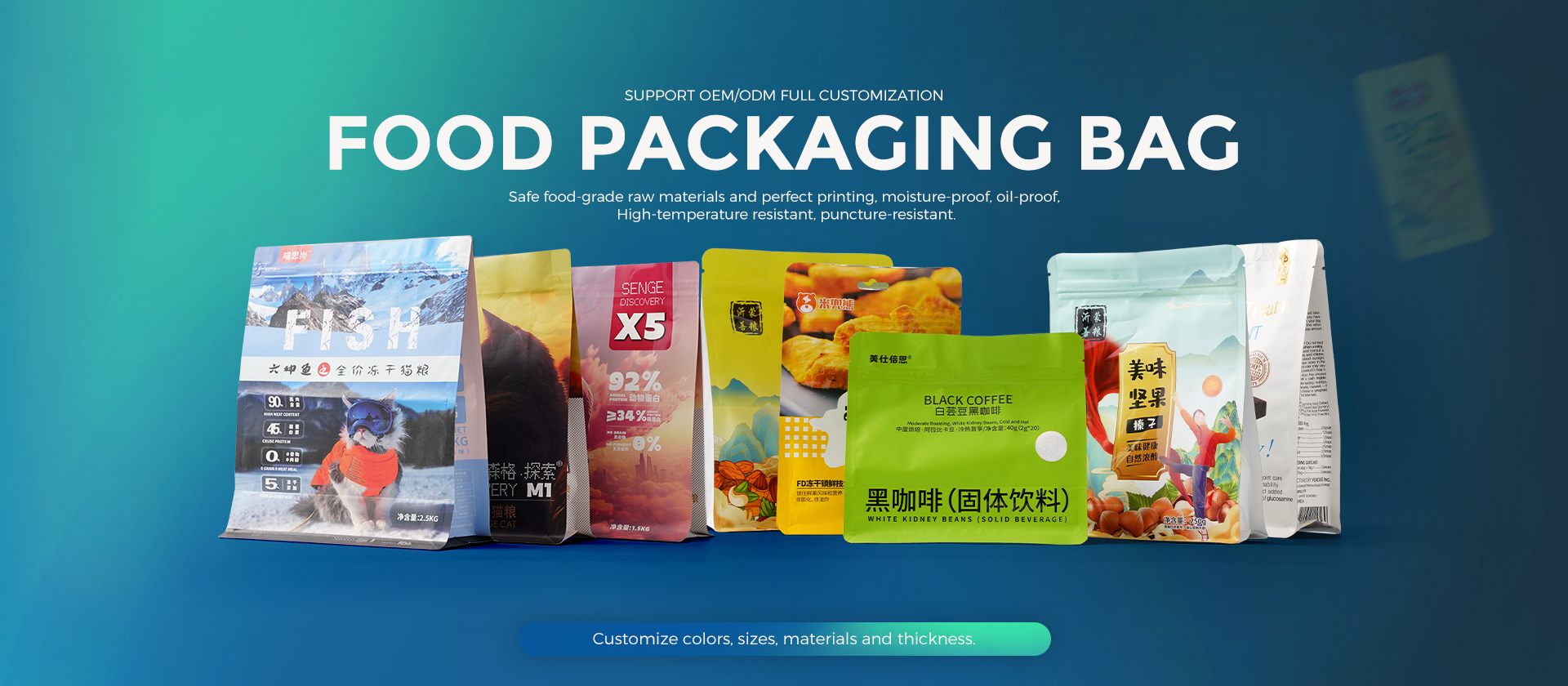
Shandong Jike International Trade Co., Ltd
Shandong Jike International Trade Co., Ltd. is a state-owned professional food packaging and printing enterprise, established in 2003 and located in Shandong Province, eastern China. The company has obtained and passed ISO9001, ISO14001, and ISO45001 certifications, and all our products have passed QS food safety certification.
View MoreWe also support multi-language design and printing, barcode/QR code customization, material combination selection, and thickness selection to fully meet the needs of cross-border trade.