Welcome to our company

Leave Your Message
Ethiopia's packaging industry, particularly woven packaging bags, is experiencing significant growth driven by the country's expanding agricultural sector and increasing industrialization. As one of Africa's fastest-growing economies, Ethiopia presents substantial opportunities for woven packaging manufacturers and suppliers.
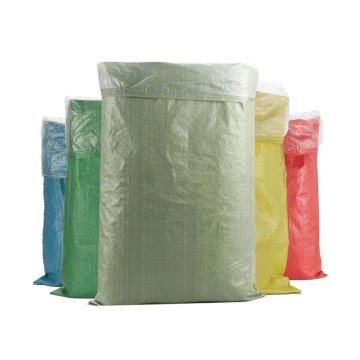
The agricultural sector, which contributes approximately 35% to Ethiopia's GDP, creates massive demand for woven packaging solutions. Ethiopian farmers produce millions of tons of coffee, teff, wheat, barley, maize, and pulses annually, all requiring durable and cost-effective packaging. PP woven bags have become the preferred choice due to their strength, moisture resistance, and affordability.
Ethiopia's government has prioritized agricultural modernization and value chain development through initiatives like the Agricultural Transformation Agency (ATA). These programs emphasize improved post-harvest handling and storage, directly increasing demand for quality packaging materials. The country's cement, fertilizer, and chemical industries also require substantial quantities of woven bags for product distribution.
Ethiopia's packaging market is projected to grow at 8-10% annually, fueled by agricultural exports, manufacturing expansion, and improved supply chain infrastructure. The country's strategic location in the Horn of Africa positions it as a regional hub for East African trade, further boosting packaging demand.
Ethiopia is Africa's largest coffee producer and a major exporter of oilseeds, pulses, and flowers. The coffee industry alone requires millions of woven bags annually for domestic processing and export. Ethiopian coffee cooperatives and exporters increasingly demand high-quality, food-grade woven bags that meet international standards for export markets in Europe, Asia, and North America.
Ethiopia's industrial parks, including Hawassa, Bole Lemi, and Kilinto, house numerous textile, food processing, and manufacturing facilities. These enterprises require consistent supplies of packaging materials. The cement industry, with major producers like Dangote Cement and National Cement, consumes vast quantities of woven bags for product packaging and distribution across Ethiopia and neighboring countries.
Currently, Ethiopia imports a significant portion of its packaging materials, creating opportunities for international suppliers. However, the government encourages local manufacturing through investment incentives and reduced import tariffs on machinery and raw materials for packaging production. This creates opportunities for both direct exports and technology transfer partnerships.
Ethiopian businesses increasingly prioritize sustainable packaging solutions. There's growing demand for recyclable PP woven bags, biodegradable options, and reusable packaging systems. International buyers of Ethiopian coffee and agricultural products often require eco-certified packaging, pushing local suppliers toward sustainable materials and manufacturing processes.
As Ethiopian products penetrate international markets, packaging must meet stringent quality standards. ISO certifications, food-grade compliance, and traceability requirements are becoming standard expectations. Suppliers offering certified products with quality documentation gain competitive advantages in the Ethiopian market.
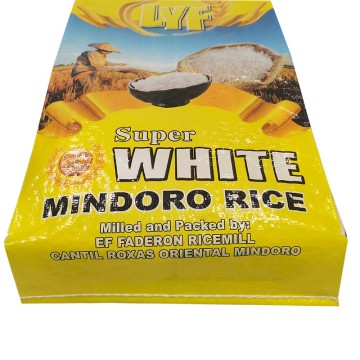
Ethiopian businesses are moving beyond generic packaging toward branded, customized solutions. Coffee exporters, food processors, and consumer goods manufacturers seek woven bags with high-quality printing, logos, and product information. This trend creates opportunities for suppliers offering design services and advanced printing technologies.
Ethiopia's participation in the African Continental Free Trade Area (AfCFTA) expands market opportunities. Ethiopian manufacturers can access larger regional markets, increasing packaging demand. Conversely, international suppliers can use Ethiopia as a gateway to East African markets, leveraging its central location and improving infrastructure.
Modern packaging technologies are gradually entering the Ethiopian market. Automated filling systems, advanced sealing technologies, and quality control equipment require compatible packaging materials. Suppliers offering technical support and training alongside products gain market preference.
Ethiopian buyers increasingly value comprehensive service packages including logistics support, flexible payment terms, and technical consultation. Suppliers offering complete solutions—from material selection to after-sales support—build stronger, longer-term partnerships in this developing market.

Over 23 years of production experience
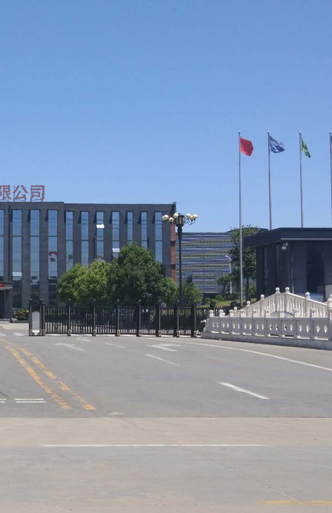


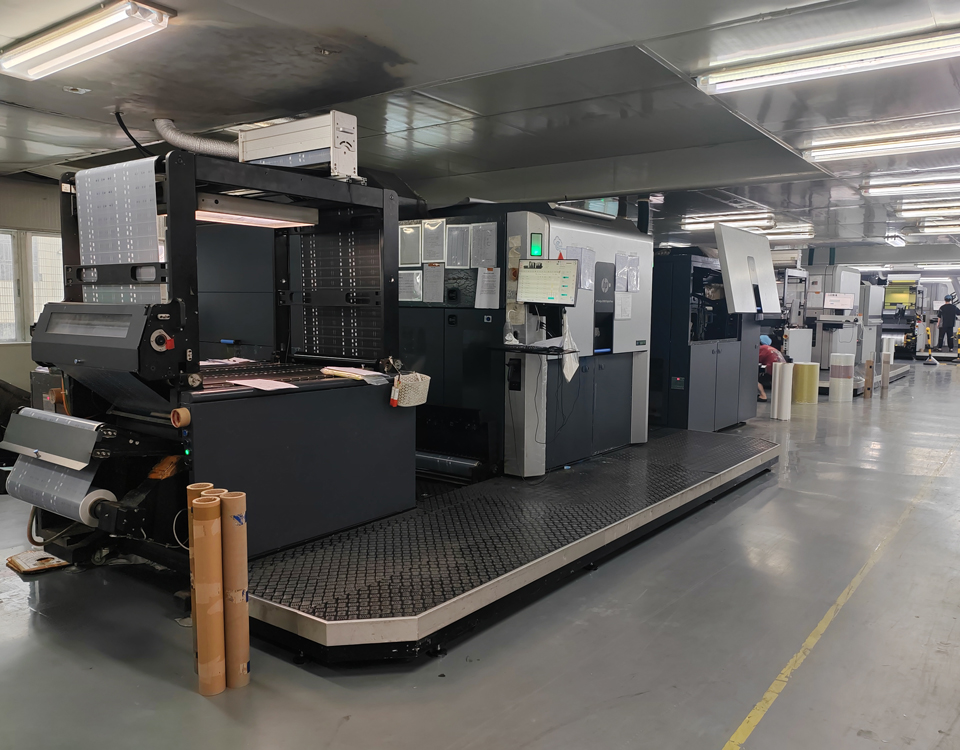

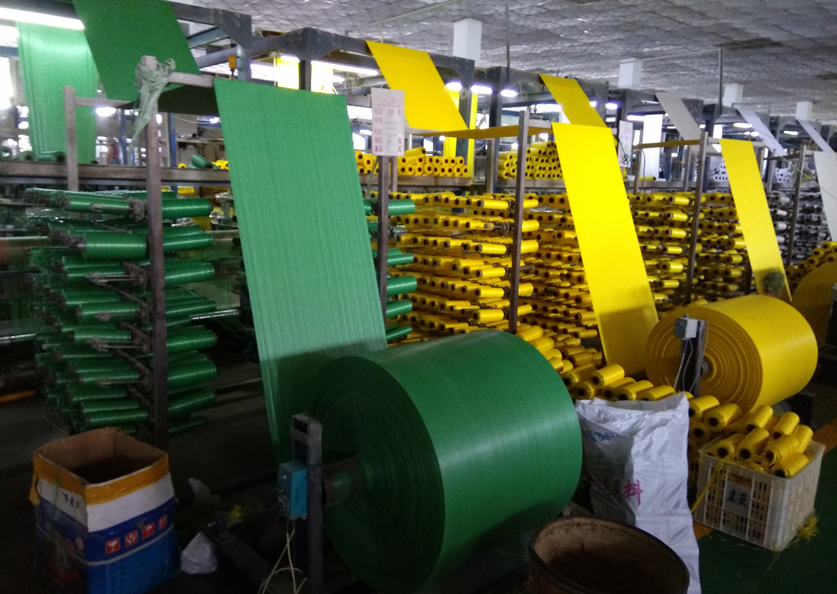
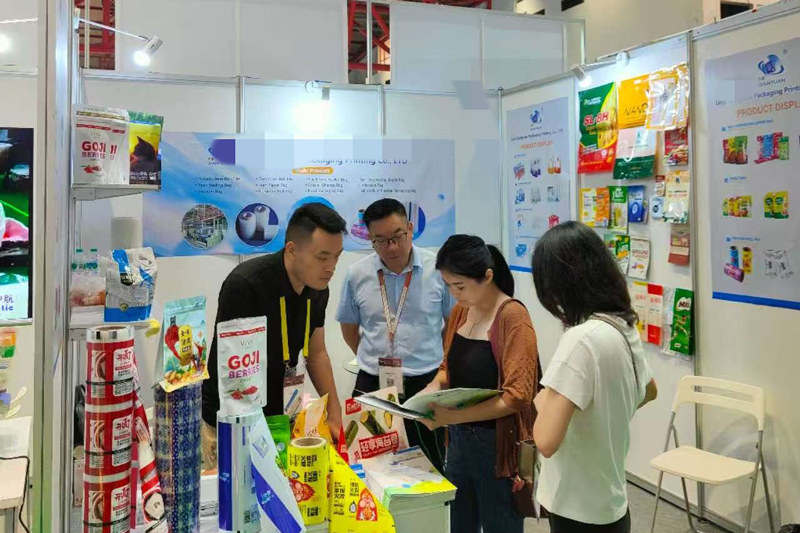
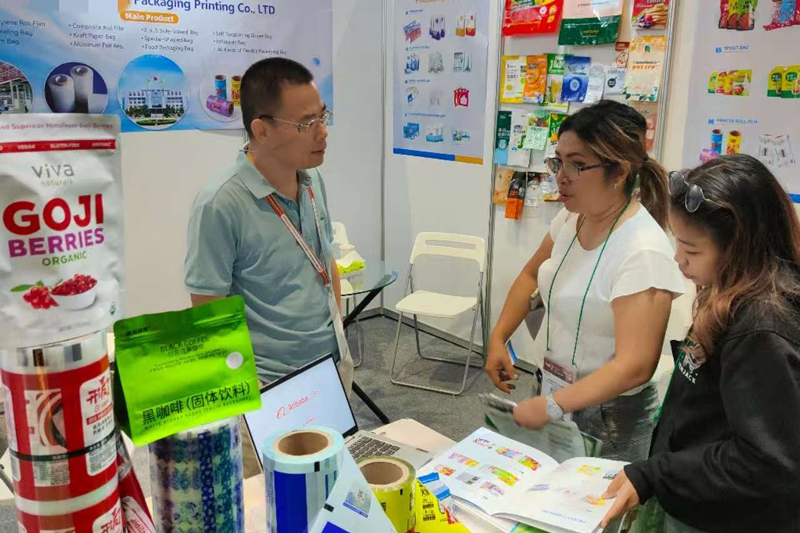
Since its establishment 23 years ago, relying on excellent product quality, comprehensive compliance guarantees, and efficient cross-border services, Jike Packaging Printing has established long-term cooperative relationships with customers in more than 50 countries and regions worldwide, serving clients including globally renowned food manufacturers, brand owners, and trading companies. We have extensive experience working with Ethiopian coffee exporters, agricultural cooperatives, manufacturing facilities, and distribution companies. In the future, we will continue to focus on changes in international market demand, using innovative technology and high-quality services as a link to become a trusted cross-border flexible packaging printing partner for global customers, with special emphasis on supporting Ethiopia's growing economy and expanding industrial sector.