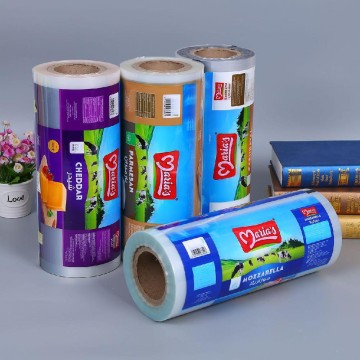
The Rise of Woven Packaging Bags in Retail-Ready Food Branding
Industry landscape, commercial drivers, and why printed PP woven bags are reshaping global food retail shelves.
The global food packaging industry is undergoing a structural transformation. As consumer expectations evolve and retail competition intensifies, brands across every food category — from staple grains and rice to premium pet food, flour, sugar, and specialty snacks — are turning to woven packaging bags with high-quality printed branding as their primary retail-ready solution. Polypropylene (PP) woven bags, once considered purely functional industrial containers, have emerged as a powerful commercial vehicle for shelf differentiation, brand storytelling, and supply chain efficiency.
According to recent market research, the global woven sack market was valued at over USD 6 billion in 2023 and is projected to grow at a CAGR of approximately 5.2% through 2030. This growth is driven by surging demand from food retail, agriculture, and e-commerce logistics sectors, particularly across Asia-Pacific, Latin America, the Middle East, and Sub-Saharan Africa — markets where bulk food packaging combined with strong visual branding is a primary purchase driver.
Market Insight: Printed Woven Bags Drive 35%+ Higher Shelf Conversion
Retail studies across Southeast Asia and the Middle East show that food products packaged in fully printed, retail-ready woven bags achieve 35% or greater conversion uplift on shelf compared to plain or minimally branded alternatives. Print quality and color vibrancy are now ranked as top-three purchase decision factors for staple food categories.
What Makes a Woven Packaging Bag "Retail-Ready" for Food Branding?
The term "retail-ready" in the context of woven food packaging encompasses far more than aesthetics. A truly retail-ready printed woven bag must satisfy a convergence of structural, regulatory, logistical, and brand requirements simultaneously.
1. Structural Integrity Under Retail Conditions
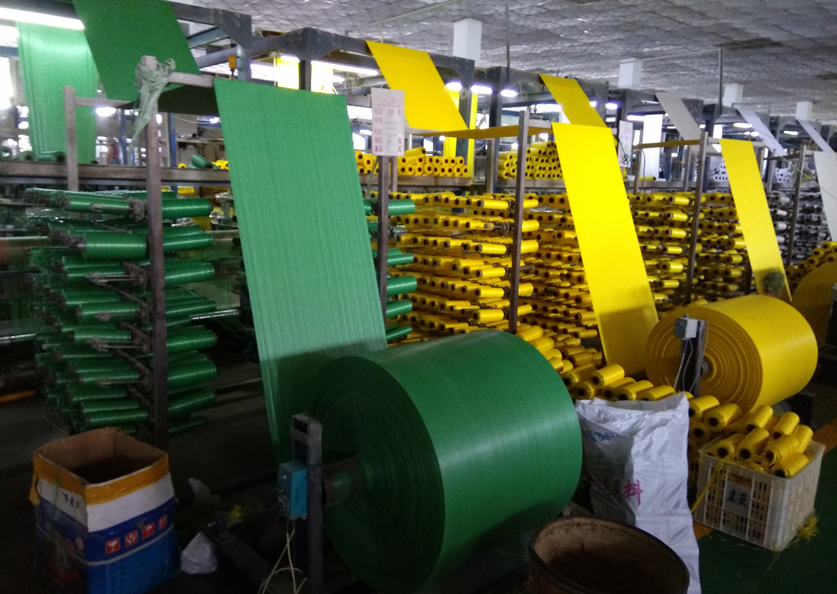
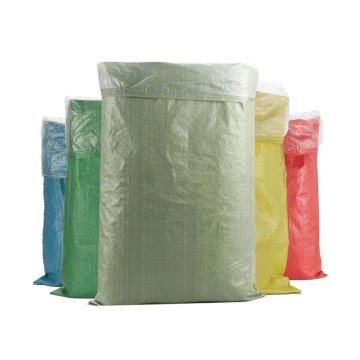
Retail environments subject packaging to stacking pressures, humidity variation, and frequent handling. High-quality PP woven bags are constructed with a precisely controlled weave density (measured in threads per inch) and laminated with BOPP or PE film to provide moisture resistance, puncture resistance, and load-bearing capacity. For food retail applications — particularly 1kg, 2kg, 5kg, 10kg, and 25kg rice, flour, and grain bags — the structural specification must ensure zero failure from warehouse to shelf to consumer home.
2. Print Quality That Meets Brand Standards
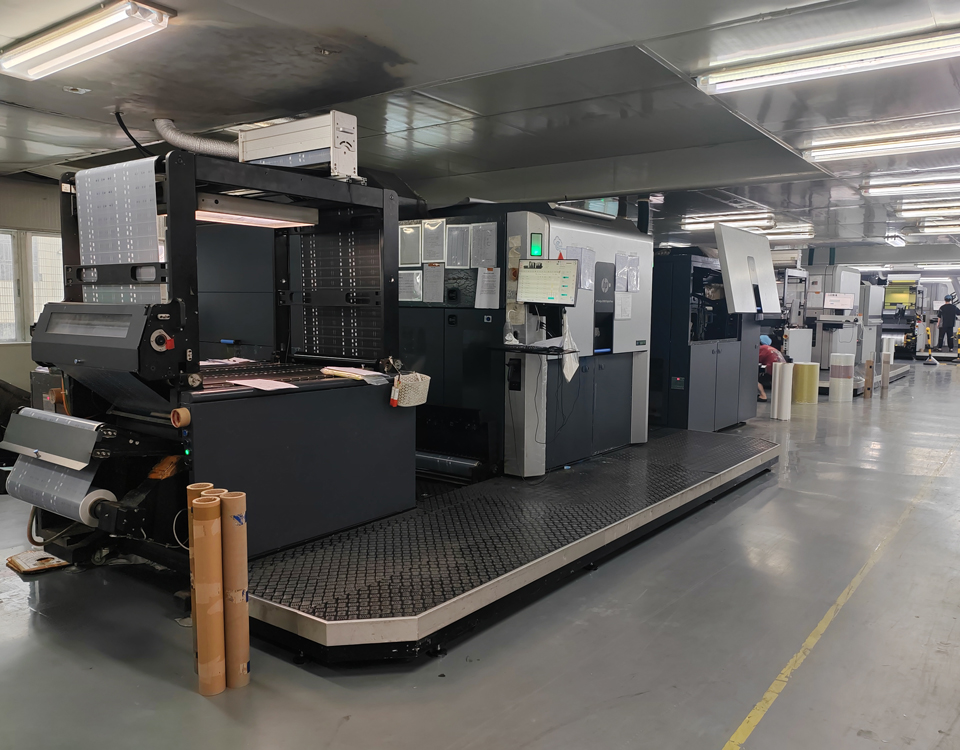
Modern retail food brands demand photographic-quality print reproduction on woven substrates. Advanced flexographic and gravure printing techniques, applied to BOPP lamination layers, now enable up to 10-color process printing with accurate Pantone matching, fine-detail logo reproduction, and consistent color across production runs of millions of units. This capability transforms the woven bag from a commodity container into a full brand communication medium — carrying product photography, nutritional panels, QR codes, barcodes, certifications, and multi-language text.
3. Regulatory Compliance for Food Contact
Food-grade woven packaging must comply with the food contact material regulations of the target market. For North American exports, this means FDA compliance; for the European Union, EU Regulation No. 10/2011; for Southeast Asian markets, respective national food safety authority standards. All inks, adhesives, and lamination materials must be food-safe, non-toxic, and non-migratory. Certifications such as ISO9001, ISO14001, and QS food safety certification are baseline requirements for credible food-grade woven bag suppliers.
4. Functional Features for Consumer Convenience
Retail-ready woven food bags increasingly incorporate consumer-friendly features: die-cut carry handles, resealable zipper closures, tear notches, hang holes, and flat-bottom gusseted constructions that allow the bag to stand upright on shelf. These features, once exclusive to flexible plastic pouches, are now standard options in premium woven packaging — enabling brands to offer the structural durability of woven material with the convenience features of modern flexible packaging.
Key Differentiator: Laminated BOPP Woven Bags vs. Standard Woven Sacks
Laminated BOPP-printed woven bags deliver a glossy, high-impact retail appearance while adding a critical moisture barrier. This dual function — branding vehicle plus protective packaging — is the core commercial reason why food brands globally are migrating from plain woven sacks to fully printed laminated woven packaging.