Welcome to our company

Leave Your Message
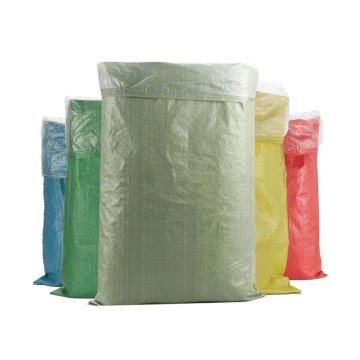
The United States woven packaging bag industry represents a critical component of the nation's broader flexible packaging market, which is valued at over $35 billion annually. Woven polypropylene (PP) bags have become indispensable across multiple sectors including agriculture, construction, food processing, chemical manufacturing, and retail distribution. The American market demonstrates strong demand for high-quality, durable packaging solutions that meet stringent FDA regulations and environmental standards.
Major industrial hubs such as California's Central Valley, the Midwest agricultural belt, Texas manufacturing zones, and East Coast distribution centers drive consistent demand for woven packaging solutions. The rise of e-commerce and direct-to-consumer shipping has further accelerated the need for robust, lightweight, and cost-effective packaging materials that can withstand the rigors of modern supply chain logistics.
US-based manufacturers and importers prioritize suppliers who can demonstrate compliance with food safety regulations (FDA 21 CFR), environmental certifications (such as recyclability claims), and social responsibility standards. The market increasingly favors suppliers offering customization capabilities, including multi-color printing, UV resistance, moisture barriers, and specialized closure systems tailored to specific product requirements.
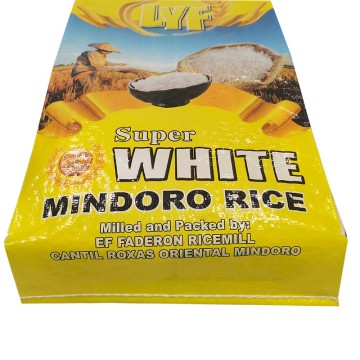
Woven PP bags are extensively used throughout American agricultural regions for packaging grains (corn, wheat, soybeans), rice, seeds, animal feed, and fertilizers. California, Iowa, Nebraska, and Kansas farms rely on durable 25kg-50kg capacity bags that protect contents from moisture and pests during storage and transportation. Custom printing with farm branding and product information supports direct-to-consumer sales at farmers' markets.
The booming US construction industry utilizes woven bags for cement, sand, gravel, and building materials across residential and commercial projects. Texas, Florida, and Arizona construction sites demand UV-resistant bags that maintain integrity under intense sunlight. The lightweight yet strong characteristics of woven PP bags reduce shipping costs while ensuring product protection on job sites nationwide.
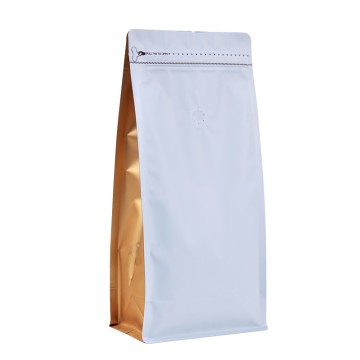
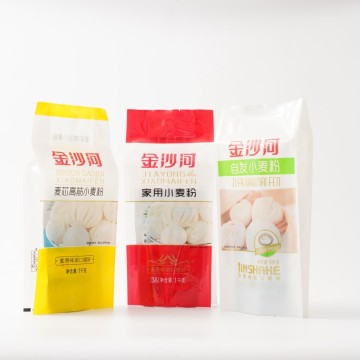
Food-grade woven packaging serves the massive American food industry, from flour mills in the Midwest to coffee roasters in Seattle and Portland. FDA-compliant bags with moisture barriers protect rice, flour, sugar, coffee beans, and pet food. Major retailers and food distributors require customized printing with nutritional information, barcodes, and brand messaging that complies with US labeling regulations.
Chemical manufacturers across the Gulf Coast and Northeast utilize specialized woven bags for polymers, resins, and industrial powders. These applications demand bags with specific barrier properties, anti-static features, and compliance with OSHA safety standards. Customization includes hazard warnings, handling instructions, and company-specific safety protocols printed directly on packaging.
Environmental services companies throughout the US employ heavy-duty woven bags for recyclable materials collection, yard waste, and debris removal. Municipalities in environmentally conscious states like California, Oregon, and Washington prefer recyclable or reusable woven bags that align with sustainability initiatives and reduce landfill waste.
The explosive growth of online retail has created new demand for woven packaging in fulfillment centers across the country. Amazon, Walmart, and regional distributors use woven bags for bulk product storage and shipping protection. The bags' tear resistance and reusability make them ideal for returns processing and warehouse organization in major logistics hubs like Memphis, Louisville, and Los Angeles.
American businesses increasingly prioritize eco-friendly packaging solutions. The trend toward recyclable, reusable, and biodegradable woven bags accelerates as corporations set ambitious sustainability targets. Major brands demand suppliers who can provide carbon footprint data, recycled content percentages, and end-of-life disposal solutions. States like California lead with legislation requiring minimum recycled content in packaging materials.
The integration of QR codes, RFID tags, and NFC technology into woven packaging enables supply chain transparency and consumer engagement. US companies leverage smart packaging for inventory tracking, authenticity verification, and interactive marketing campaigns. This trend particularly benefits agricultural cooperatives and specialty food producers seeking to differentiate products in competitive markets.
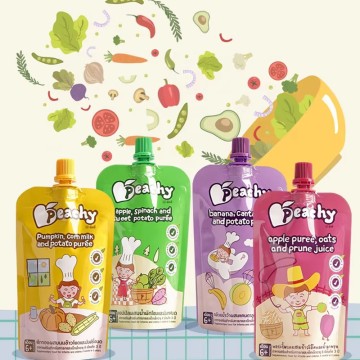
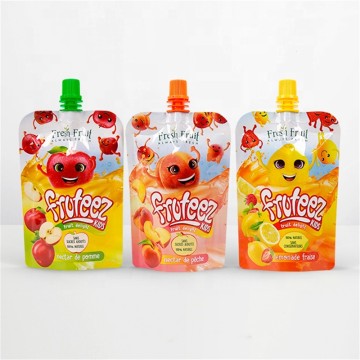
American consumers respond strongly to unique, branded packaging experiences. Woven bag suppliers offering advanced printing techniques (photographic quality, metallic inks, embossing) gain competitive advantages. Craft food producers, boutique coffee roasters, and artisanal product manufacturers demand packaging that tells their brand story and stands out on retail shelves and online marketplaces.
Technological advancements in lamination and coating processes produce woven bags with superior moisture, oxygen, and UV barriers. These innovations extend product shelf life and reduce food waste—critical concerns for American retailers and food processors. Multi-layer constructions combining woven PP with specialized films meet diverse product protection requirements across temperature zones and climate conditions.
Industry analysts project the US woven packaging market will grow at a compound annual growth rate (CAGR) of 4.8% through 2029, driven by expanding e-commerce, agricultural production increases, and infrastructure investments. The shift toward nearshoring and domestic manufacturing may increase demand for US-based packaging suppliers, though cost-competitive imports from established Asian manufacturers will remain significant.
Regulatory developments around single-use plastics and extended producer responsibility (EPR) programs will shape product design and material selection. Forward-thinking suppliers investing in recycling infrastructure, alternative materials research, and circular economy business models will capture growing market share among sustainability-focused American enterprises.
Digital transformation in packaging procurement—including online ordering platforms, automated reordering systems, and virtual design consultations—will become standard expectations. Suppliers offering seamless digital experiences alongside high-quality physical products will strengthen customer relationships and improve operational efficiency across the supply chain.
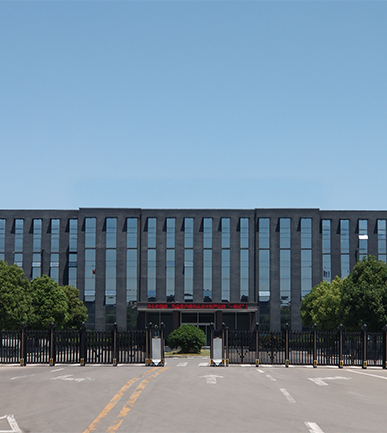
Over 23 years of production experience
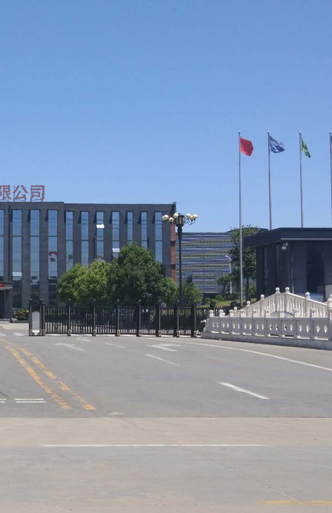


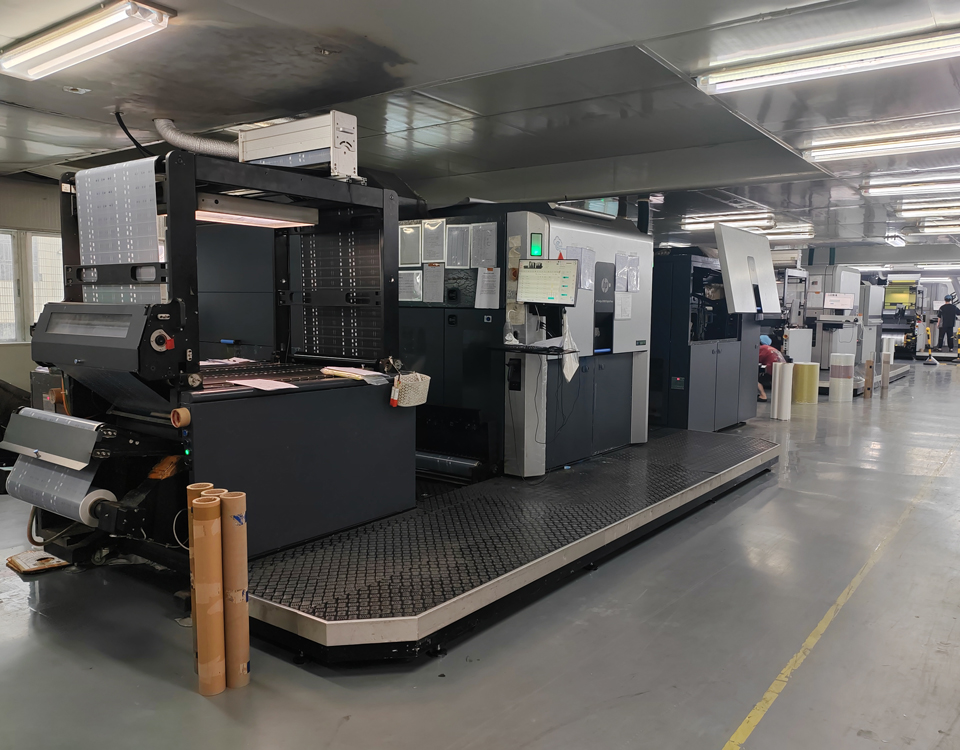

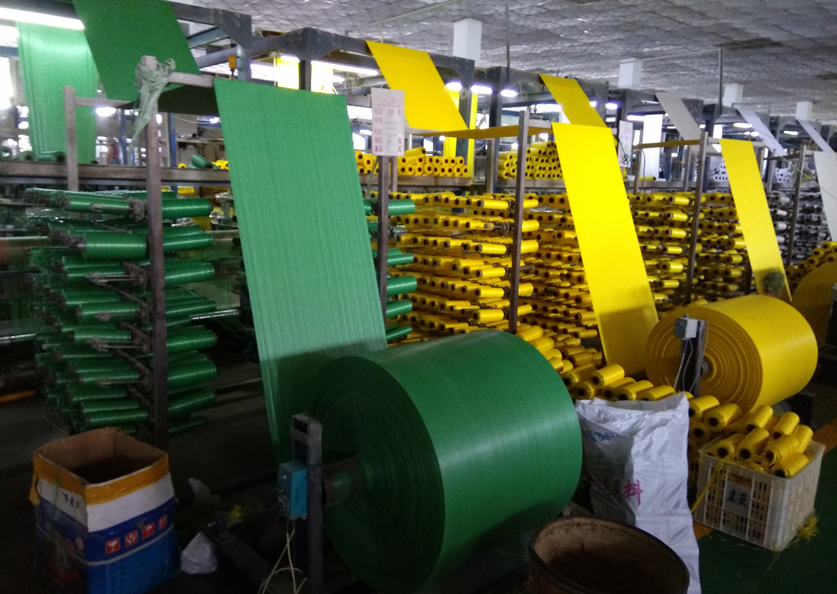
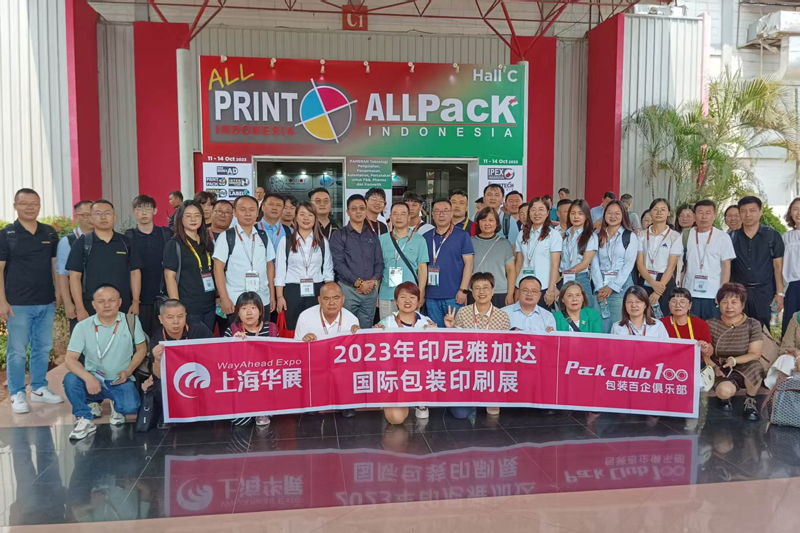
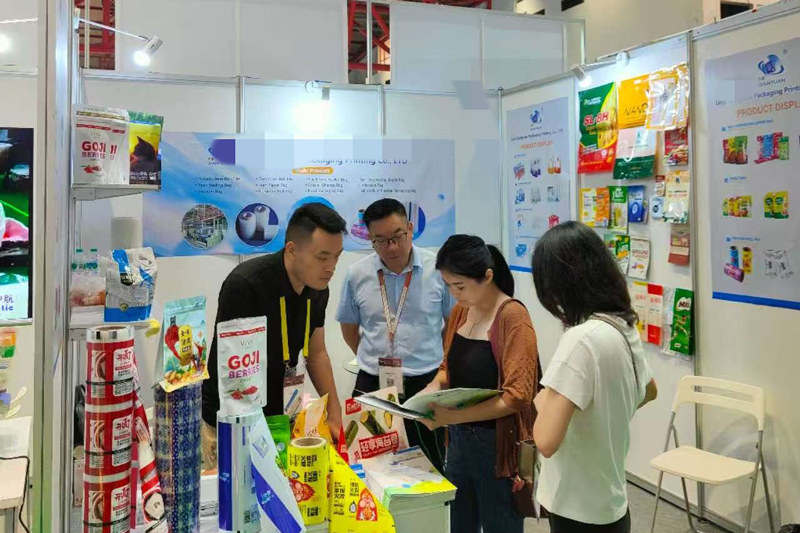
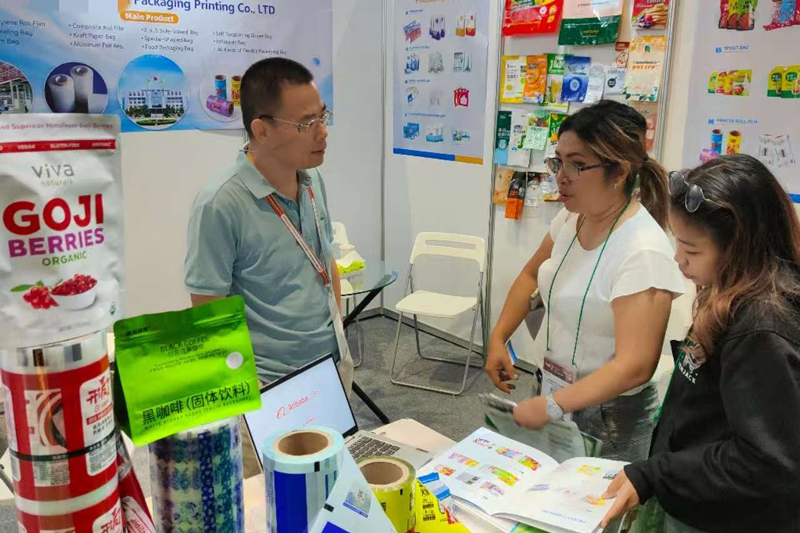
Since its establishment 23 years ago, relying on excellent product quality, comprehensive compliance guarantees, and efficient cross-border services, Jike Packaging Printing has established long-term cooperative relationships with customers in more than 50 countries and regions worldwide, including a growing portfolio of American clients spanning California tech companies, Midwest agricultural cooperatives, Texas food processors, and East Coast distribution networks. We serve globally renowned food manufacturers, brand owners, and trading companies who value reliability, quality consistency, and responsive partnership. In the future, we will continue to focus on changes in international market demand, with particular attention to evolving US regulatory requirements, sustainability expectations, and consumer preferences. Using innovative technology and high-quality services as a foundation, we aim to become the trusted cross-border flexible packaging printing partner for American businesses seeking competitive advantages through superior packaging solutions. Contact us today to discuss how our expertise can support your packaging needs across the United States market.