Welcome to our company

Leave Your Message
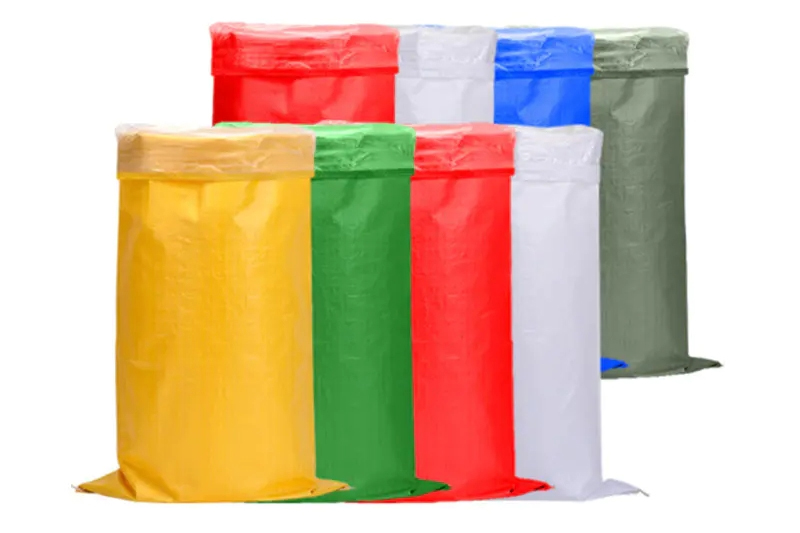
Engineered for agricultural reliability — our top-rated woven bags deliver superior moisture resistance, load-bearing strength, and long-term preservation for grain, seed, and bulk commodity storage.
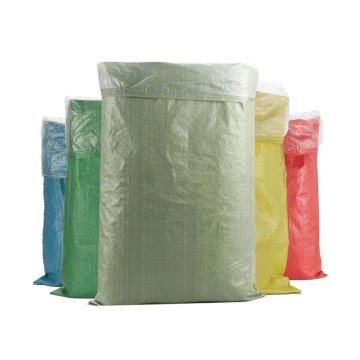
Every year, the world loses an estimated 14% of its food supply between harvest and retail — a staggering figure driven largely by inadequate packaging and storage solutions. Moisture infiltration is the single greatest enemy of stored grain and seed, enabling mold growth, pest infestation, mycotoxin contamination, and catastrophic germination failure. In this context, the polypropylene (PP) woven bag has emerged as the most widely deployed, commercially proven, and technically advanced primary packaging solution for grain and seed storage across global agricultural supply chains.
The global PP woven bags market was valued at over USD 5.8 billion in 2023 and is projected to exceed USD 9.2 billion by 2031, driven primarily by surging demand from grain, seed, and agri-commodity sectors in Asia-Pacific, Africa, and Latin America.
The woven bag industry for grain and seed storage has evolved from simple utility packaging into a sophisticated, technology-driven sector. Modern PP woven sacks are engineered with multi-layer lamination, UV stabilization, anti-static treatments, and customized breathability or barrier properties depending on the commodity being stored. The shift from traditional jute sacks to PP woven alternatives has been driven by three core commercial imperatives: cost efficiency, performance reliability, and supply chain scalability.
Major grain-producing nations — including China, India, Brazil, the United States, and Ukraine — have standardized PP woven bags as the primary packaging medium for bulk commodities including rice, wheat, corn, maize, sorghum, millet, soybeans, and a wide spectrum of agricultural seeds. Government grain reserve programs, multinational agribusiness corporations, and smallholder cooperatives alike rely on these bags to maintain grain quality from farm gate to consumer.
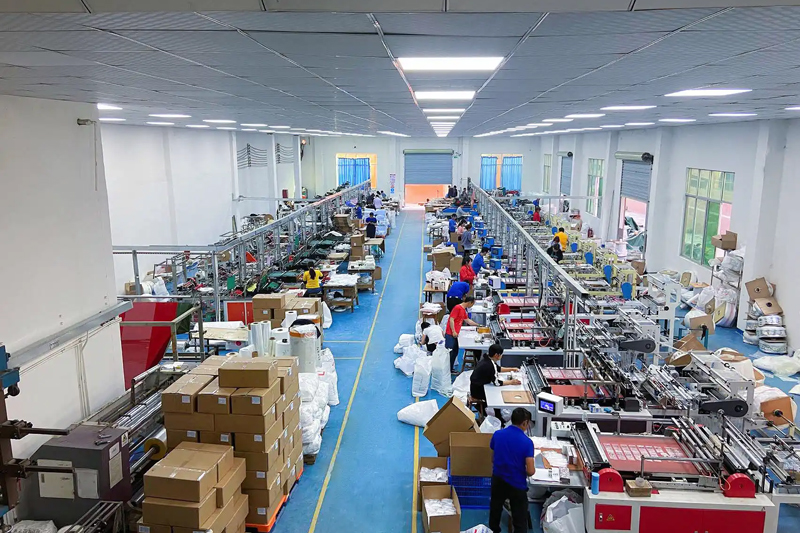
China, as the world's largest producer and exporter of PP woven bags, has developed an industrial ecosystem capable of producing billions of units annually. Leading manufacturers like Shandong Jike International Trade Co., Ltd. have invested in state-of-the-art circular loom technology, gravure printing systems, and automated lamination lines to deliver products that meet international food safety and quality standards including ISO9001, ISO14001, ISO45001, and QS food safety certification.
The moisture-proof performance of a woven bag is not accidental — it is the result of deliberate engineering decisions at every stage of production. Understanding the technical architecture helps procurement teams, agricultural businesses, and logistics operators select the right solution for their specific storage environment.
The versatility of moisture-proof woven bags extends far beyond simple bulk grain storage. A detailed examination of application scenarios reveals the sophisticated role these packaging solutions play across the entire agricultural and food processing value chain.
The woven bag sector is undergoing rapid technological and regulatory transformation. These five megatrends are defining the industry's trajectory through 2030 and beyond.
Regulatory pressure from the EU, UK, and major Asian markets is accelerating the adoption of recycled-content PP and bio-based polypropylene derived from sugarcane. Leading manufacturers are developing woven bags with 30–50% post-consumer recycled content without compromising moisture barrier performance.
Embedded RFID tags, QR codes, and NFC chips are being integrated into woven bag designs to enable real-time supply chain tracking, moisture sensor data logging, and anti-counterfeiting verification — transforming passive packaging into active supply chain intelligence nodes.
Next-generation hermetic PP woven bags with oxygen-scavenging inner layers and pressure-equalizing valves are enabling grain storage without chemical fumigation, addressing growing consumer demand for pesticide-free, naturally preserved grain products.
High-speed digital printing technology is enabling economically viable short-run custom printing on woven bags, allowing regional grain brands, cooperatives, and specialty seed companies to achieve premium branded packaging at accessible minimum order quantities.
Machine vision and AI-powered inspection systems are being deployed in leading Chinese manufacturing facilities to achieve 100% defect detection in bag seam integrity, lamination adhesion, and print quality — dramatically reducing field failure rates and customer claims.

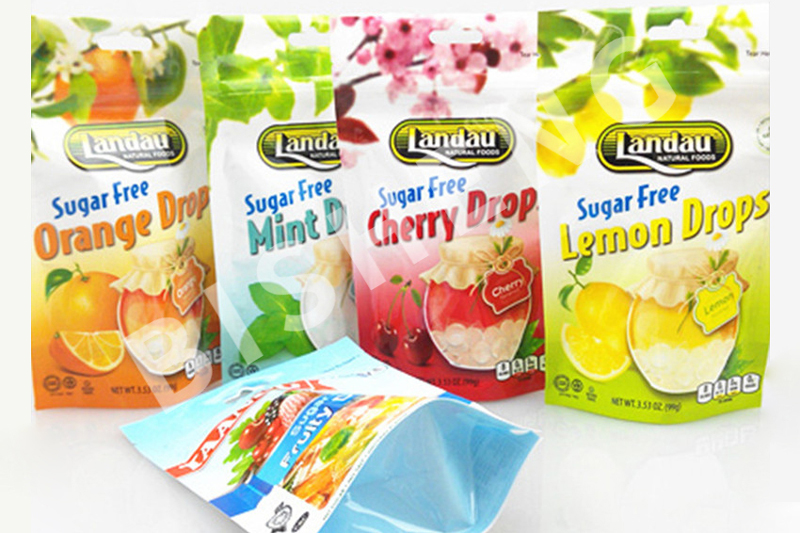
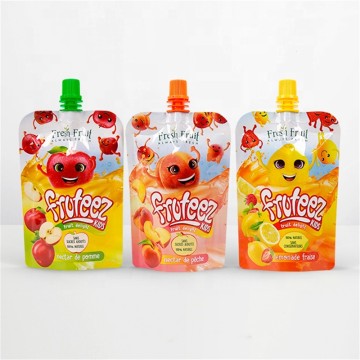
Shandong Jike International Trade Co., Ltd. is a state-owned professional food packaging and printing enterprise, established in 2003 and located in Shandong Province, eastern China. With over 22 years of deep industry expertise, Jike has built a complete value chain encompassing food packaging bags, pet food packaging bags, and PP woven bags for grain and seed storage.
The company has obtained and passed ISO9001, ISO14001, and ISO45001 certifications, with all products carrying QS food safety certification. Our annual production capacity reaches 8,000 tons — 5,000 tons of food packaging bags and 3,000 tons of woven bags — serving 500+ clients across 70+ countries.
We support multi-language design and printing, barcode/QR code customization, material combination selection, and custom thickness specifications to fully meet the demands of international cross-border trade in grain and agricultural commodities.
Learn More About Jike
JIKE is a one-stop provider of food packaging bags, pet packaging bags, and moisture-proof woven bags for grain and seed storage. Find every packaging solution you need from a single trusted partner.

We customize everything — design, material structure, lamination type, thickness, size, closure style, and print — to meet your exact moisture-proof grain storage requirements and brand specifications.

From raw material selection through color printing, lamination, curing, bag making, and final packaging — every production stage undergoes strict quality inspection to ensure your moisture-proof bags perform as specified.

LCL and FCL container shipping plus DHL/FedEx express delivery for small quantities — complete door-to-door logistics service regardless of your order size or destination country.
Selecting the optimal moisture-proof woven bag for grain and seed storage requires a systematic evaluation of storage environment, commodity characteristics, regulatory requirements, and commercial constraints. The following framework guides procurement professionals through the key decision variables.
Relative humidity levels, temperature ranges, and storage duration are the primary drivers of moisture barrier specification. Coastal and tropical environments with RH above 70% require BOPP laminated bags with PE inner liners as a minimum specification. High-altitude or continental environments with lower ambient humidity may be adequately served by standard laminated PP woven sacks without inner liners.
Different grains and seeds have varying equilibrium moisture content requirements. Rice requires storage below 14% moisture content; wheat below 13.5%; corn below 13%; and most vegetable seeds below 10%. Your bag specification must provide sufficient moisture barrier performance to maintain these thresholds throughout the intended storage period in your specific environment.
PP woven bags for grain storage are typically specified in standard capacities of 5kg, 10kg, 25kg, 50kg, and 100kg. The weave density, fabric weight (expressed in grams per square meter), and seam construction must be matched to the bag's fill weight and stacking configuration. Standard 50kg grain bags typically require fabric weights of 80–100 gsm with reinforced bottom seams capable of withstanding 4:1 safety factors.
Food-grade grain packaging must comply with applicable food contact material regulations in your target market — including FDA 21 CFR in the United States, EU Regulation 10/2011 in Europe, and GB standards in China. Ensure your supplier holds current certifications and can provide material safety data sheets and migration test reports for all lamination adhesives and printing inks.
Pro Tip: Always request a pre-production sample and conduct an accelerated aging test before committing to large-volume orders. Expose sample bags to your target storage conditions for 30 days and test moisture transmission rates to validate supplier claims.
The true cost of grain storage packaging extends beyond unit price to include post-harvest loss rates, product rejection costs, customer complaint rates, and environmental compliance costs. A moisture-proof woven bag that costs 15% more per unit but reduces post-harvest losses by 3% delivers a dramatically positive return on investment — particularly for high-value seed varieties or premium grain categories.
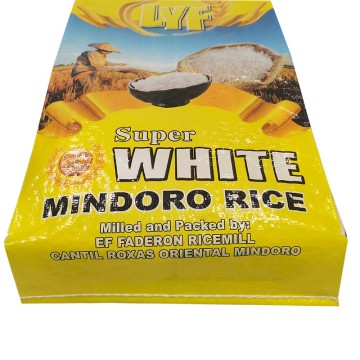
Get a customized moisture-proof woven bag solution engineered precisely for your grain, seed, or agricultural commodity storage requirements. Our team responds within 24 hours.
CUSTOMIZE MY OWN STYLE →