Welcome to our company

Leave Your Message
Our flagship vacuum packaging products are designed to preserve food freshness, lock in natural flavor, and extend shelf life across diverse food categories — from fresh meats to specialty snacks.

High-barrier multilayer vacuum bags that lock in juices, color, and flavor for fresh and processed meats.

Oxygen-barrier vacuum packaging engineered to maintain seafood freshness and prevent oxidation during transport.

Flexible vacuum film solutions that protect cheese and dairy products from moisture, mold, and flavor loss.

Custom-printed vacuum pouches for snacks, nuts, and dried foods — preserving crunch, aroma, and freshness.
In today's competitive global food industry, maintaining the freshness, flavor, and nutritional value of food products from production to the consumer's table is no longer just a quality goal — it is a commercial imperative. Vacuum packaging has emerged as one of the most scientifically proven and commercially adopted technologies for achieving precisely this. By removing oxygen from the sealed environment, vacuum packs create conditions that dramatically slow the biological and chemical processes responsible for food spoilage, off-flavors, and nutrient degradation.
Whether it's a premium cut of aged beef, a delicate portion of cold-smoked salmon, a block of artisan cheese, or a bag of roasted coffee beans, vacuum packaging ensures that the product reaching the end consumer is as close as possible to its peak freshness and authentic flavor profile. This is not incidental — it is the result of decades of materials science innovation, industrial engineering, and food safety research converging into a packaging format that is both practical and highly effective.
Oxygen is the primary driver of food degradation. It fuels aerobic microbial growth, accelerates lipid oxidation (rancidity), and triggers enzymatic browning. Vacuum packaging removes up to 99.9% of ambient oxygen from the package, creating an anaerobic microenvironment that inhibits the growth of aerobic spoilage organisms and slows oxidative reactions — directly preserving both freshness and flavor for significantly longer periods compared to conventional packaging.
The global vacuum packaging market was valued at over USD 28 billion in 2023 and is projected to exceed USD 42 billion by 2030, driven by rising demand for extended shelf-life food products, growth in e-commerce food delivery, and increasing consumer awareness of food waste reduction. The food and beverage sector accounts for the largest share of vacuum packaging consumption, with meat, poultry, seafood, dairy, and ready-to-eat meals being the dominant application categories.
From an industrial perspective, vacuum packaging has evolved far beyond simple pouches. Modern commercial vacuum pack systems integrate multi-layer co-extruded films with precisely engineered barrier properties, thermoforming lines capable of producing hundreds of packs per minute, and intelligent gas-flush combinations (Modified Atmosphere Packaging, or MAP) that optimize the atmospheric composition for specific food types. Large-scale food manufacturers, supermarket chains, and foodservice distributors have invested heavily in automated vacuum packaging lines that integrate with their broader cold chain and traceability systems.
In the retail segment, vacuum skin packaging (VSP) has become increasingly popular for premium meat and seafood products, offering a second-skin appearance that enhances visual appeal while providing superior barrier protection. Meanwhile, the food delivery and meal-kit industry has accelerated adoption of vacuum-sealed components as a means of ensuring freshness during last-mile logistics — a trend that has seen explosive growth since 2020.
The meat industry is the single largest consumer of vacuum packaging globally. Vacuum packs for fresh beef, pork, lamb, and poultry extend refrigerated shelf life from 3–5 days in conventional packaging to 21–35 days, enabling centralized processing and long-distance distribution. For processed meats such as ham, salami, and cooked sausages, vacuum packaging prevents surface oxidation, maintains color stability, and prevents the development of off-flavors associated with lipid rancidity. High-barrier PA/PE (nylon/polyethylene) multilayer films are the industry standard for this application.
Seafood is among the most perishable of all food categories, with high lipid content making it particularly susceptible to oxidative rancidity. Vacuum packaging, often combined with refrigeration or freezing, is critical for maintaining the delicate flavor profiles of fish fillets, shrimp, scallops, and shellfish. For premium products such as smoked salmon, vacuum skin packs provide both superior shelf-life extension and an elevated retail presentation that commands premium pricing. The global aquaculture and seafood processing industry relies heavily on high-performance vacuum films with excellent puncture resistance and seal integrity.
Cheese is a living product — its flavor continues to develop through controlled microbial activity, but uncontrolled exposure to oxygen and moisture leads to unwanted mold growth and flavor deterioration. Vacuum packaging for hard and semi-hard cheeses provides an oxygen-free environment that preserves the intended flavor profile while preventing surface mold. Flexible vacuum bags with high oxygen barrier properties (typically EVOH-based multilayer films) are widely used across artisan and industrial cheese production alike.
The flavor and aroma of roasted coffee are primarily attributable to volatile organic compounds that are highly susceptible to oxidative degradation. Vacuum packaging, often used in conjunction with one-way degassing valves, is the preferred format for premium whole-bean and ground coffee products. The same principle applies to specialty teas, spices, and other aromatic foods where flavor integrity is a key differentiator and a primary driver of consumer purchasing decisions.
The sous vide cooking technique — where food is vacuum-sealed and cooked at precisely controlled low temperatures — has moved from professional kitchens into retail and foodservice at scale. Vacuum packaging is both the cooking vessel and the final retail package, enabling consistent texture, flavor concentration, and extended refrigerated shelf life. The premium ready-to-eat and meal-kit segments have driven significant innovation in vacuum packaging materials, particularly in heat-resistant, cook-in films that maintain seal integrity at temperatures up to 121°C.
Vacuum packaging for food export must comply with the food contact material regulations of the destination market — including FDA 21 CFR (USA), EU Regulation 10/2011 (Europe), and equivalent standards in markets such as Japan, Australia, and the Middle East. Leading manufacturers ensure their vacuum pack films are produced from food-grade raw materials, are free from prohibited substances, and are accompanied by full material declarations and migration test reports to facilitate smooth customs clearance and regulatory compliance in target markets.
The vacuum packaging industry is undergoing a significant transformation driven by sustainability imperatives, digitalization, and evolving consumer expectations. Several key trends are reshaping the market:
For food manufacturers, brand owners, and trading companies sourcing vacuum packaging for international markets, the choice of packaging supplier is a strategic decision that directly impacts product quality, regulatory compliance, and supply chain reliability. Key criteria include: certified food-grade production facilities (ISO9001, ISO14001, HACCP, QS), proven experience with the specific regulatory requirements of target export markets, the ability to customize film structures for specific food applications, flexible minimum order quantities that support both product development and large-scale production, and a robust quality management system with full traceability from raw material to finished product.


Shandong Jike International Trade Co., Ltd. is a state-owned professional food packaging and printing enterprise, established in 2003 and located in Shandong Province, eastern China. The company has obtained and passed ISO9001, ISO14001, and ISO45001 certifications, and all our products have passed QS food safety certification.
With over two decades of dedicated expertise in food-grade flexible packaging, Jike has built a reputation as a trusted global supplier of vacuum pack solutions, polyethylene films, pet food packaging, and woven packaging bags — serving clients across North America, the European Union, Southeast Asia, and the Middle East.
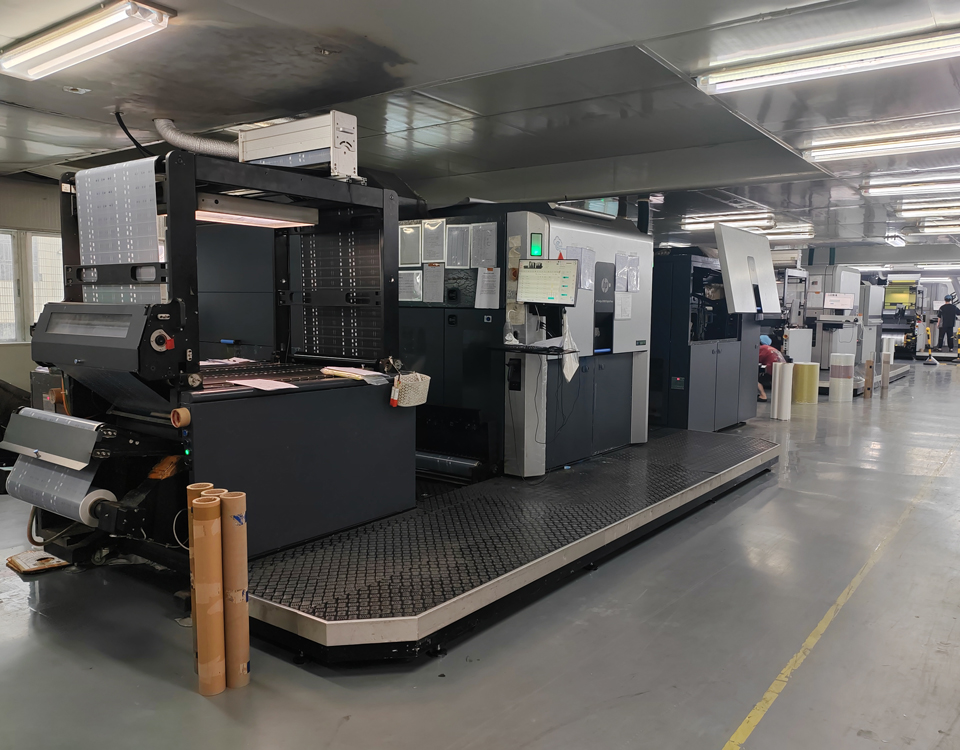
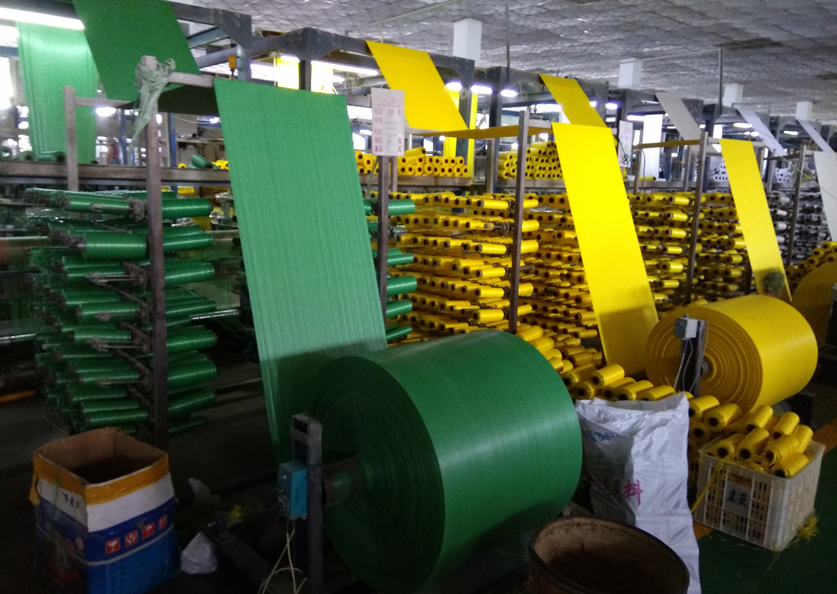
The company's core export products cover the needs of multiple industries, mainly including food-grade flexible packaging, pet food packaging, polyethylene film, and woven packaging bags, which can accurately match the market standards of different regions such as North America, the European Union, Southeast Asia, and the Middle East. We also support multi-language design and printing, barcode/QR code customization, material combination selection, and thickness selection to fully meet the needs of cross-border trade.
The vacuum packaging industry is evolving rapidly. Here are the key trends driving the next generation of food freshness and flavor preservation solutions.
Next-generation all-PE and all-PP vacuum films deliver high barrier performance while enabling full recyclability, addressing retailer sustainability mandates globally.
Machine vision and AI-powered inspection systems are being integrated into vacuum packaging lines to detect seal defects, film inconsistencies, and contamination in real time.
QR codes, NFC tags, and digital watermarks on vacuum packs enable full supply chain traceability, freshness monitoring, and direct consumer engagement via smartphone.
Oxygen scavengers and antimicrobial agents incorporated into vacuum film structures provide an active layer of food safety protection beyond passive barrier properties alone.
PLA and other bio-derived polymers are advancing toward commercial viability for vacuum applications, supporting the transition to a circular bioeconomy in food packaging.
Vacuum pack formats engineered for parcel shipping — with enhanced puncture resistance, tamper-evidence, and compact geometry — are growing rapidly alongside D2C food commerce.
In terms of supply chain and service, the company has strong cross-border delivery capabilities. We have standardized production workshops and automated production lines, with flexible minimum order quantities for regular products. We undertake both small-batch customization and large-volume order production; we have established a strict quality control system, tracing the entire process from raw material procurement and production processing to finished product inspection, ensuring that every batch of products meets the quality standards of the importing country; and we are equipped with a professional cross-border logistics team to support various transportation methods such as full container shipping, LCL shipping, and air freight.
Jike Packaging actively participates in leading international food packaging exhibitions, showcasing our latest vacuum pack innovations and connecting with global partners.

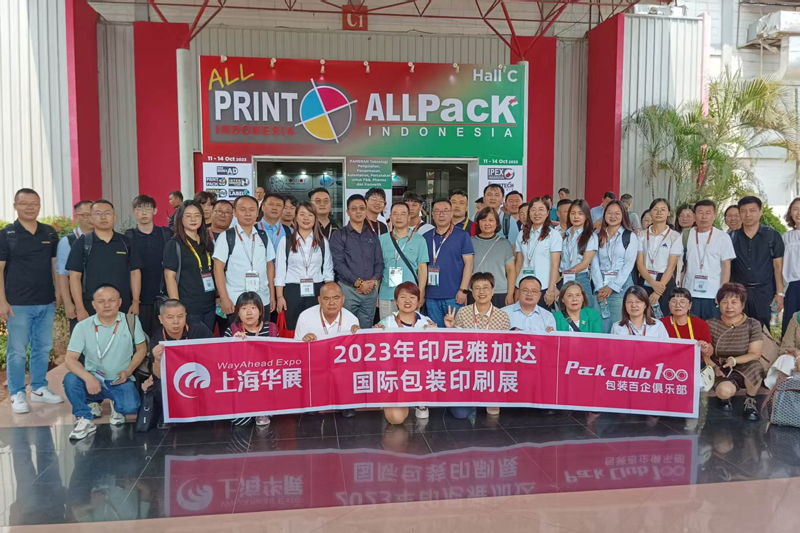
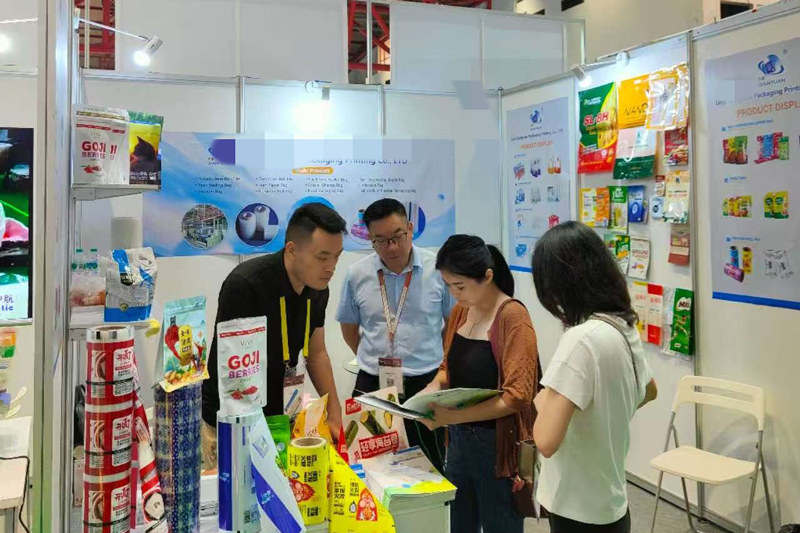
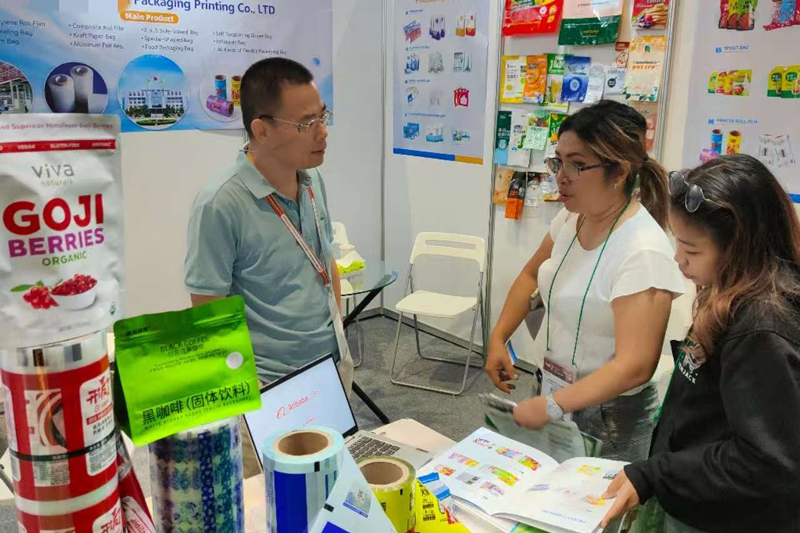
Since its establishment 23 years ago, relying on excellent product quality, comprehensive compliance guarantees, and efficient cross-border services, Jike Packaging Printing has established long-term cooperative relationships with customers in more than 50 countries and regions worldwide, serving clients including globally renowned food manufacturers, brand owners, and trading companies. In the future, we will continue to focus on changes in international market demand, using innovative technology and high-quality services as a link to become a trusted cross-border flexible packaging printing partner for global customers.
Explore our full range of vacuum packaging solutions — engineered for food freshness, flavor preservation, and global compliance across every food category.
High-barrier PA/PE films for fresh and processed meat shelf-life extension.
Puncture-resistant vacuum films preserving the delicate flavor of fish and shellfish.
EVOH-based multilayer vacuum bags for cheese freshness and mold prevention.
Aroma-lock vacuum pouches with degassing valves for roasted coffee and spices.
Cook-in vacuum films rated to 121°C for sous vide and retort food applications.
Food-grade flexible vacuum packaging engineered for dry and wet pet food products.
Multi-language, custom-printed vacuum pouches with barcode and QR code options.
Eco-forward mono-material and bio-based vacuum films for sustainable food brands.