Welcome to our company

Leave Your Message
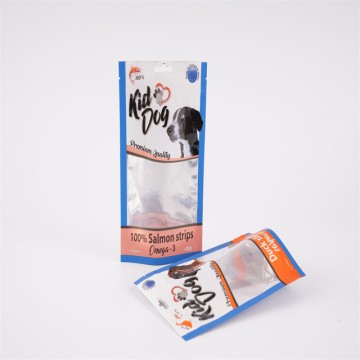
Three-side sealed sachets can be manufactured using multi-layer laminated films combining materials such as PET, aluminum foil, and PE, providing exceptional barriers against moisture, oxygen, light, and odors. This is particularly crucial for pet food products containing oils, fats, and proteins that are susceptible to oxidation and spoilage. The hermetic seal ensures extended shelf life without requiring preservatives, maintaining nutritional value and palatability for extended periods.
The simplified three-side seal design requires less material compared to stand-up pouches or gusseted bags, translating to reduced raw material costs. The flat configuration also allows for more efficient use of film rolls, minimizing waste during production. Additionally, the high-speed compatibility of three-side seal machinery enables manufacturers to achieve economies of scale, reducing per-unit packaging costs significantly—a critical factor in the competitive pet food market.
The flat profile of three-side sealed sachets offers remarkable advantages in warehousing and transportation. These packages can be stacked efficiently, maximizing pallet density and reducing shipping costs. For retailers, the space-saving design allows for more efficient shelf utilization and easier inventory management. This is particularly valuable for single-serve and sample-size pet food portions, which are gaining popularity in e-commerce channels.
Three-side sealed sachets accommodate a wide range of printing techniques including rotogravure, flexography, and digital printing, enabling vibrant graphics and detailed product information. The flat surface provides an excellent canvas for brand storytelling, nutritional information, and regulatory compliance labeling. Modern printing technologies also allow for variable data printing, enabling personalization and batch-specific information—increasingly important for premium pet food brands.
Environmental consciousness is reshaping packaging decisions across the pet food industry. Manufacturers are increasingly adopting recyclable mono-material structures and incorporating post-consumer recycled content into three-side sealed sachets.
The rapid growth of online pet food sales demands packaging that can withstand shipping stresses while minimizing dimensional weight charges. Three-side sealed sachets excel in these requirements.
High-quality printing capabilities and specialty finishes enable three-side sealed sachets to compete effectively in premium pet food segments, traditionally dominated by rigid packaging.
Single-serve sachets for cats and dogs, utilizing retort-compatible materials for sterilization, maintaining moisture and flavor integrity.
Small-format sachets for training treats and rewards, featuring easy-tear notches and resealable options for freshness maintenance.
Precise-dose packaging for vitamins, probiotics, and nutritional supplements, often incorporating aluminum foil layers for light and oxygen protection.
Trial-size portions for new product launches and promotional campaigns, enabling cost-effective consumer sampling programs.
High-barrier sachets protecting moisture-sensitive freeze-dried raw and premium pet foods from rehydration and degradation.
Liquid and semi-liquid meal enhancers packaged in leak-proof three-side sealed sachets with specialized sealing techniques.
Variety packs for subscription services, utilizing sachets to provide diverse product selection in compact, shippable formats.
Prescription and therapeutic pet foods requiring precise portion control and contamination prevention in clinical settings.
The integration of intelligent packaging technologies into three-side sealed sachets is accelerating. QR codes, NFC tags, and time-temperature indicators are being incorporated to provide consumers with product information, authenticity verification, and freshness monitoring. These technologies also enable brands to gather valuable consumer insights and engagement data, creating opportunities for personalized marketing and product development.
Material science innovations are producing next-generation barrier films that deliver superior protection with reduced thickness and environmental impact. Nano-clay coatings, bio-based polymers, and hybrid organic-inorganic barriers are enabling manufacturers to achieve aluminum-foil-level protection using fully recyclable mono-material structures. These developments address both performance requirements and sustainability mandates increasingly common in pet food packaging specifications.
The transition toward circular economy principles is driving innovation in three-side sealed sachet design. Manufacturers are developing packaging systems that facilitate collection, sorting, and recycling, including chemical recycling compatible materials and design-for-recycling approaches. Some pioneering brands are implementing take-back programs specifically for pet food sachets, creating closed-loop systems that recover and reprocess used packaging.
Manufacturing automation is transforming three-side seal production, with AI-powered quality control systems, predictive maintenance algorithms, and real-time process optimization becoming standard. These technologies improve consistency, reduce waste, and enable rapid changeovers between different product specifications—critical capabilities for pet food manufacturers serving diverse market segments and distribution channels.
Product innovation is expanding the functional capabilities of three-side sealed sachets. Easy-open features such as laser scoring and tear notches improve consumer convenience without compromising package integrity. Resealable closures are being miniaturized for application to smaller sachet formats. Active packaging technologies incorporating oxygen scavengers and moisture regulators are being integrated directly into sachet structures, extending shelf life without external additives.
All packaging materials must comply with food contact regulations including FDA (US), EU Regulation 10/2011 (Europe), and GB standards (China). Migration testing verifies that no harmful substances transfer from packaging to product. Certificates of compliance and third-party testing documentation are standard requirements for international trade.
Seal strength testing, burst testing, and leak detection are critical quality control measures. Modern production lines incorporate online vision systems and seal integrity sensors that inspect every package, automatically rejecting units that fail to meet specifications. This ensures consistent quality and prevents product contamination or spoilage.
Oxygen transmission rate (OTR) and water vapor transmission rate (WVTR) testing quantify barrier properties under standardized conditions. Accelerated shelf life studies simulate extended storage periods, validating that packaging maintains product quality throughout the intended shelf life under various environmental conditions.
Color consistency, registration accuracy, and barcode readability are monitored throughout production runs. Labeling must comply with regional requirements including ingredient declarations, nutritional information, feeding guidelines, and country-of-origin marking. Multilingual labeling capabilities support international distribution.

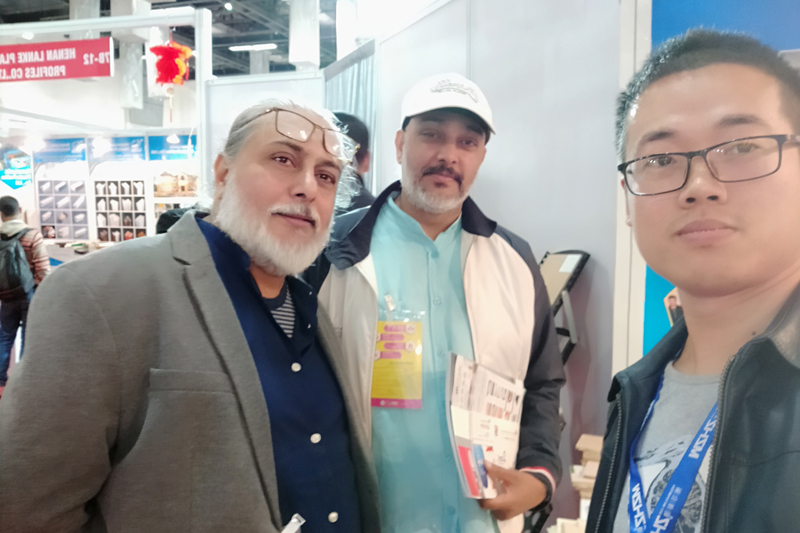
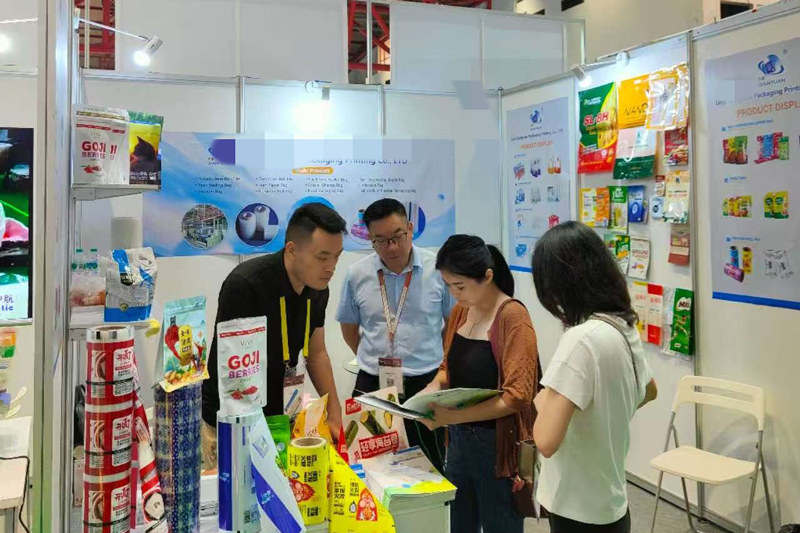
Over 23 years of production experience



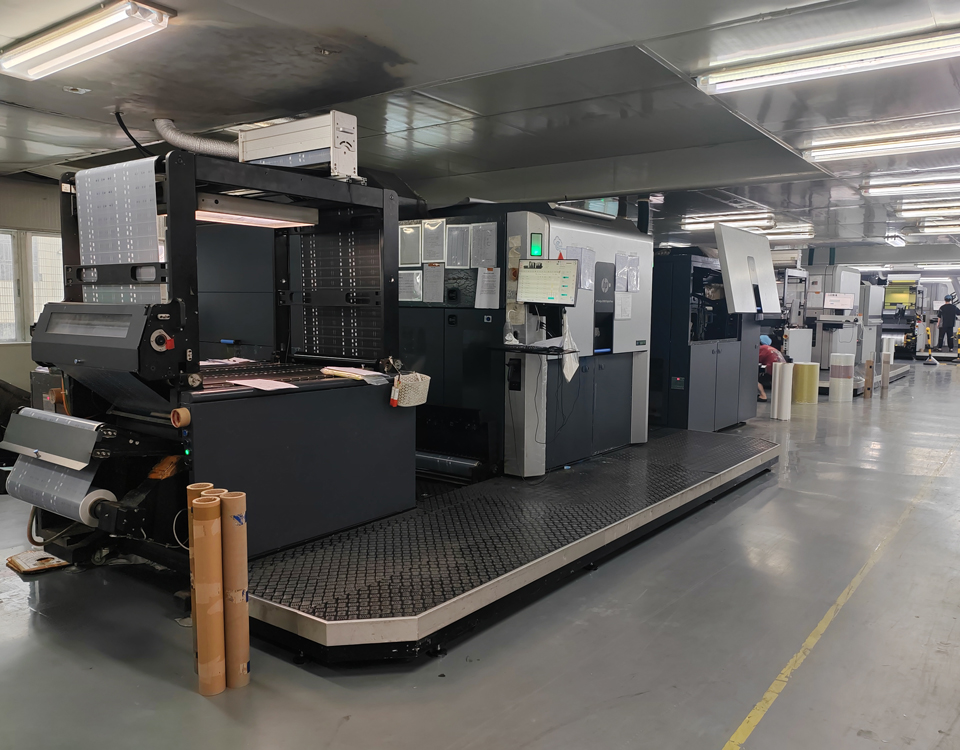

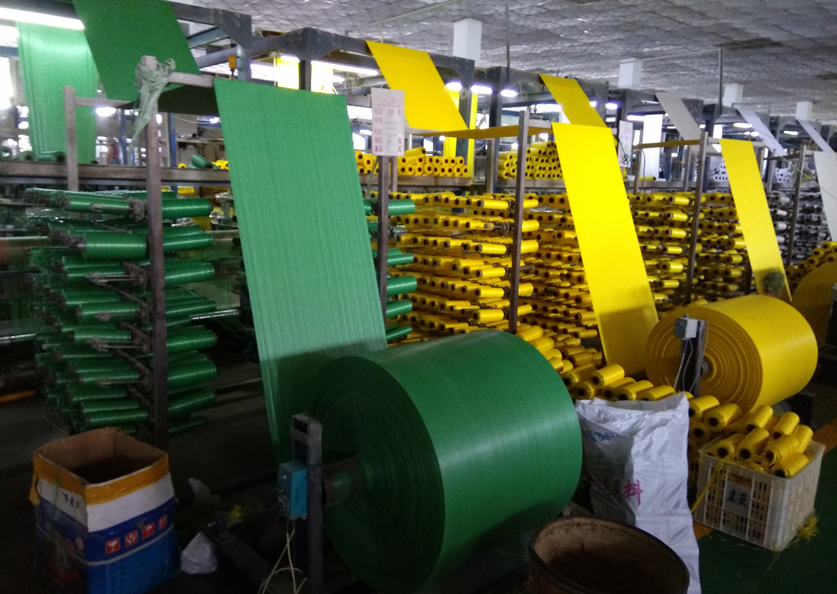
Since its establishment 23 years ago, relying on excellent product quality, comprehensive compliance guarantees, and efficient cross-border services, Jike Packaging Printing has established long-term cooperative relationships with customers in more than 50 countries and regions worldwide, serving clients including globally renowned food manufacturers, brand owners, and trading companies. In the future, we will continue to focus on changes in international market demand, using innovative technology and high-quality services as a link to become a trusted cross-border flexible packaging printing partner for global customers. Contact us today to discuss your three-side sealed pet food sachet requirements and discover how our expertise can enhance your packaging solutions.