Welcome to our company

Leave Your Message
In today's fast-paced consumer market, the demand for single-serve snacks and sachet portions has experienced unprecedented growth. Storage woven sacks have emerged as a critical component in the supply chain, providing robust, cost-effective, and versatile packaging solutions that meet the stringent requirements of modern food distribution systems. These specialized containers represent the intersection of traditional packaging wisdom and contemporary manufacturing innovation.
The global single-serve snack market has witnessed exponential growth, driven by changing consumer lifestyles, urbanization, and the increasing preference for convenient, portion-controlled food products. According to recent industry analysis, the market for single-serve packaging solutions is projected to reach substantial valuations in the coming years, with storage woven sacks playing an instrumental role in this expansion.
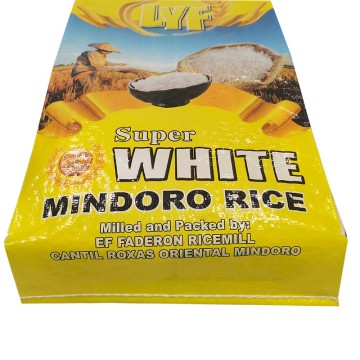
Storage woven sacks designed for single-serve snacks and sachet portions address multiple challenges simultaneously. They provide primary protection during bulk transportation, facilitate efficient warehousing, enable organized distribution to retail points, and ensure product integrity throughout the supply chain. The polypropylene woven construction offers exceptional strength-to-weight ratios, making these sacks ideal for handling large quantities of individually packaged snack items.
Storage woven sacks for single-serve applications offer superior moisture resistance, excellent stacking capability, customizable sizing options, and enhanced brand visibility through high-quality printing capabilities. These features make them indispensable for snack manufacturers, distributors, and retailers worldwide.
The versatility of storage woven sacks extends across numerous commercial scenarios. In the snack food industry, these sacks are extensively used for transporting bulk quantities of individually wrapped chips, crackers, nuts, dried fruits, and confectionery items. The sachet portion segment utilizes these sacks for organizing and distributing single-use condiments, instant beverages, nutritional supplements, and pharmaceutical samples.
Retail distribution centers rely heavily on storage woven sacks to manage inventory efficiently. The sacks' standardized dimensions facilitate automated handling systems, while their durability ensures minimal product damage during multiple handling stages. E-commerce fulfillment operations have also embraced these packaging solutions, appreciating their ability to protect fragile snack packages during last-mile delivery.
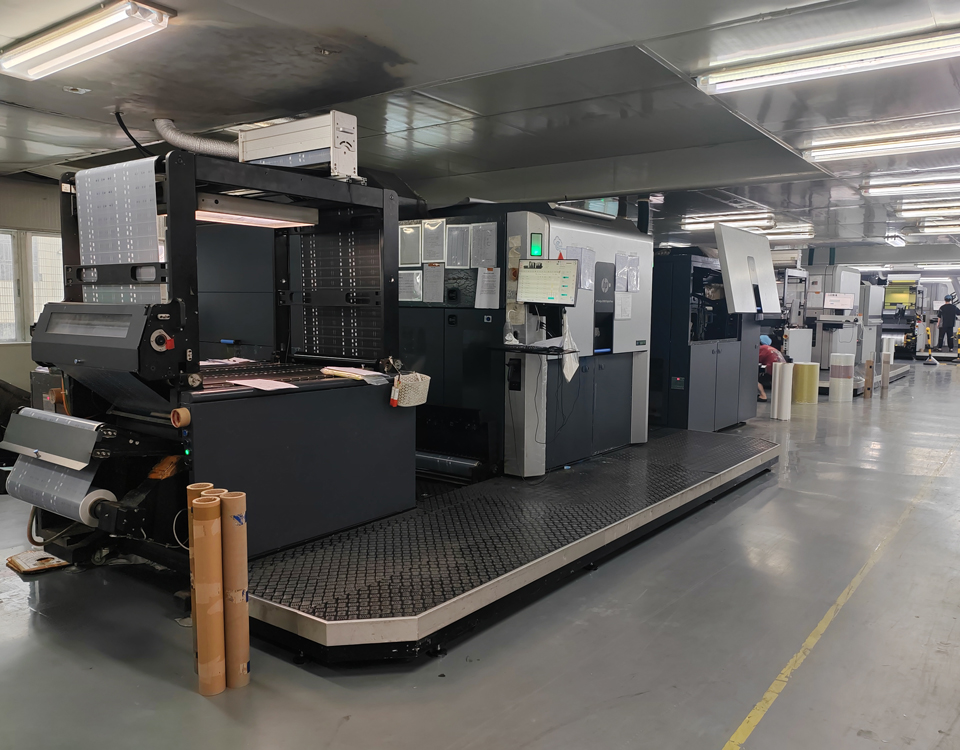
Modern manufacturing facilities producing storage woven sacks for single-serve applications have adopted advanced technologies to enhance product quality and production efficiency. Circular loom technology enables the creation of seamless, high-strength fabric with consistent tensile properties. Computer-controlled extrusion processes ensure uniform tape thickness, which directly impacts the sack's load-bearing capacity and durability.
The integration of lamination processes has revolutionized storage woven sack functionality. By applying thin polymer films to the woven substrate, manufacturers create moisture barriers that protect sensitive snack products from humidity and environmental contaminants. This lamination also provides an excellent surface for high-resolution printing, enabling brands to communicate effectively with consumers even at the bulk packaging level.
Utilizing virgin polypropylene resins with UV stabilizers and anti-static additives to enhance performance and longevity in diverse storage environments.
State-of-the-art circular looms and automated cutting systems ensure consistent quality and dimensional accuracy across production runs.
Recyclable materials and optimized designs reduce environmental impact while maintaining superior protective qualities for packaged goods.
Flexible sizing, printing, and closure options accommodate diverse product requirements and branding specifications.
High tensile strength and tear resistance protect contents during transportation, stacking, and handling operations.
Optimal material utilization and lightweight construction reduce shipping costs while maintaining protective integrity.
The role of storage woven sacks in modern supply chain management cannot be overstated. These packaging solutions serve as critical nodes in the journey from manufacturing facilities to end consumers. Their design directly impacts warehousing efficiency, transportation costs, and ultimately, product availability at retail locations.
Distribution centers processing single-serve snacks and sachet portions benefit from the standardized dimensions of storage woven sacks. Automated storage and retrieval systems (AS/RS) can efficiently manage inventory when products arrive in uniform packaging. The sacks' structural integrity allows for high-density stacking, maximizing warehouse space utilization—a crucial factor in expensive urban distribution facilities.
Transportation logistics also favor storage woven sacks due to their excellent volume-to-weight ratio. A fully loaded container of woven sacks containing single-serve snacks weighs significantly less than alternative packaging methods, resulting in reduced fuel consumption and lower carbon emissions per unit transported. This efficiency aligns with corporate sustainability goals while delivering tangible cost savings.
Food safety regulations governing single-serve snack packaging impose stringent requirements on all materials in contact with consumable products. Storage woven sacks must comply with these standards, even though they typically serve as secondary or tertiary packaging. Manufacturers employ food-grade polypropylene resins that have received appropriate certifications from regulatory bodies.
The production environment for storage woven sacks destined for food applications maintains elevated hygiene standards. Clean room protocols, regular equipment sanitization, and quality assurance testing ensure that finished sacks meet or exceed industry benchmarks. Batch traceability systems enable rapid response to any quality concerns, protecting both manufacturers and consumers.
Moisture management represents another critical quality parameter. Single-serve snacks often contain ingredients sensitive to humidity, such as crispy textures or powdered coatings. Storage woven sacks with appropriate lamination layers create effective barriers against moisture ingress, preserving product quality throughout distribution cycles that may span weeks or months.
The storage woven sack industry continues to evolve through technological innovation. Smart packaging concepts are beginning to penetrate this segment, with manufacturers exploring integration of RFID tags, QR codes, and temperature indicators directly into sack structures. These enhancements enable real-time inventory tracking, authentication verification, and cold chain monitoring—capabilities particularly valuable for premium snack brands and temperature-sensitive products.
Nanotechnology applications promise to further enhance storage woven sack performance. Nanoparticle additives can improve barrier properties, antimicrobial characteristics, and mechanical strength without significantly increasing material costs. Research institutions and industry leaders are collaborating to bring these advanced materials from laboratory concepts to commercial production.
Biodegradable and compostable alternatives represent another frontier in woven sack development. While traditional polypropylene offers excellent performance and recyclability, some market segments demand fully biodegradable options. Manufacturers are experimenting with bio-based polymers and natural fiber blends that can match conventional woven sacks' functionality while offering enhanced end-of-life disposal options.
The global market for storage woven sacks exhibits significant regional variations driven by local consumer preferences, regulatory environments, and economic conditions. Asian markets, particularly in Southeast Asia and India, show robust demand growth fueled by expanding middle-class populations and increasing snack consumption. These regions often favor larger sack sizes accommodating bulk distribution to smaller retail outlets.
European markets emphasize sustainability credentials and recycled content, with regulatory frameworks encouraging circular economy principles. Storage woven sack manufacturers serving European clients often incorporate higher percentages of post-consumer recycled materials while maintaining performance standards. The European market also demonstrates preference for minimalist designs with clear recycling instructions.
North American applications tend toward highly customized solutions with premium printing and branding elements. The mature snack food market in this region values differentiation and shelf appeal, even at the bulk packaging level. Storage woven sacks for North American distribution often feature multi-color printing, special finishes, and integrated marketing messages.
The economic significance of storage woven sacks in the single-serve snack sector extends beyond direct manufacturing revenues. These packaging solutions enable efficient distribution of high-value convenience foods, supporting employment across manufacturing, logistics, and retail sectors. The relatively low cost of woven sacks compared to alternative packaging methods helps maintain affordable pricing for consumers while preserving profit margins for manufacturers and distributors.
Industry analysts project continued growth in demand for storage woven sacks aligned with single-serve packaging applications. Factors driving this growth include urbanization trends, increasing female workforce participation (correlating with convenience food demand), and the ongoing expansion of modern retail formats in developing economies. Conservative estimates suggest compound annual growth rates in the mid-single digits for the foreseeable future.
Investment in production capacity continues across major manufacturing regions. New facilities incorporate automation technologies that reduce labor costs while improving quality consistency. These investments position the industry to meet growing demand while maintaining competitive pricing structures.
Understanding the practical applications of storage woven sacks in real-world scenarios provides valuable insights into their versatility and effectiveness. The following case studies illustrate how different industry segments leverage these packaging solutions to optimize operations.
A multinational snack food manufacturer distributes single-serve chip packets across multiple countries. The company utilizes storage woven sacks with capacities ranging from 10kg to 25kg, depending on regional distribution patterns. Each sack contains approximately 200-500 individual snack packets, organized for efficient retail distribution.
The woven sacks feature UV-resistant lamination to protect products during outdoor storage at distribution centers in tropical climates. Custom printing includes handling instructions in multiple languages, batch codes for traceability, and promotional messaging reinforcing brand identity. The manufacturer reports a 30% reduction in product damage compared to previous corrugated box packaging, with additional savings from reduced packaging material costs.
A pharmaceutical company producing single-dose medication sachets requires packaging that meets stringent regulatory standards while facilitating efficient hospital and pharmacy distribution. Storage woven sacks with specialized liner materials provide the necessary protection against light, moisture, and contamination.
Each sack contains organized layers of sachet boxes, with internal dividers preventing crushing during transportation. The exterior printing includes pharmaceutical-grade inks and clear identification markings compliant with healthcare regulations. Temperature indicators integrated into the sack structure provide visual confirmation of proper storage conditions throughout the supply chain.
An online grocery platform handling thousands of orders daily uses storage woven sacks to organize single-serve snack inventory within fulfillment centers. The sacks' standardized dimensions integrate seamlessly with automated picking systems, while their durability withstands the rigors of high-velocity handling.
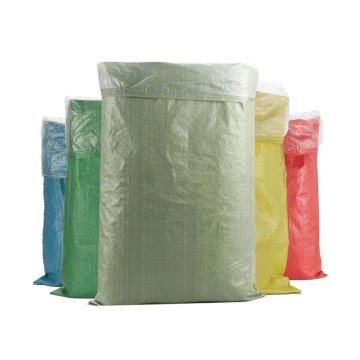
Color-coded sacks differentiate product categories, accelerating order picking processes. The platform reports improved inventory accuracy and reduced picking errors attributed to the organized storage system enabled by woven sacks. The reusable nature of the sacks also supports the company's sustainability initiatives, with sacks cycling through multiple use periods before recycling.
The environmental profile of storage woven sacks presents both challenges and opportunities. Traditional polypropylene woven sacks are fully recyclable, with established collection and reprocessing infrastructure in many regions. The material's durability enables multiple use cycles in closed-loop distribution systems, significantly reducing per-use environmental impact.
Progressive manufacturers are implementing sustainability programs that address the entire product lifecycle. These initiatives include sourcing recycled polypropylene content, optimizing material usage through design improvements, and developing take-back programs that ensure end-of-life recycling. Some companies have achieved carbon-neutral production through renewable energy adoption and carbon offset investments.
The lightweight nature of storage woven sacks contributes positively to transportation efficiency, reducing fuel consumption and associated emissions compared to heavier packaging alternatives. Life cycle assessments consistently demonstrate favorable environmental profiles when all factors—production, transportation, use, and disposal—are considered holistically.
Modern storage woven sacks offer extensive customization possibilities that extend beyond basic functionality. Brand owners increasingly recognize the marketing potential of well-designed bulk packaging, even for products primarily sold in single-serve formats. High-quality flexographic and offset printing technologies enable reproduction of complex graphics, photographs, and multi-color designs directly onto woven sack surfaces.
Customization options include varied closure mechanisms (sewn, heat-sealed, or drawstring), integrated handles for improved ergonomics, transparent windows for content visibility, and specialized coatings for enhanced aesthetics or functionality. These features transform storage woven sacks from simple containers into branded touchpoints that reinforce company identity throughout the distribution chain.
Some premium snack brands employ storage woven sacks as secondary packaging visible at retail locations, particularly in warehouse-style stores where products are displayed in original shipping containers. This application demands exceptional print quality and design sophistication, elevating woven sacks to consumer-facing packaging elements.

Over 23 years of production experience
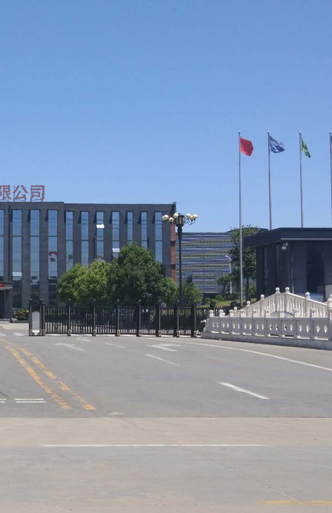


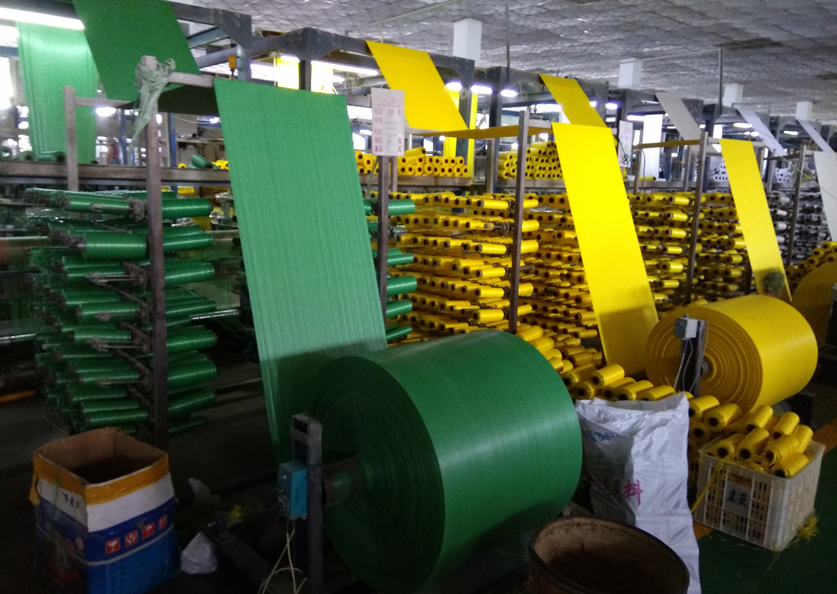
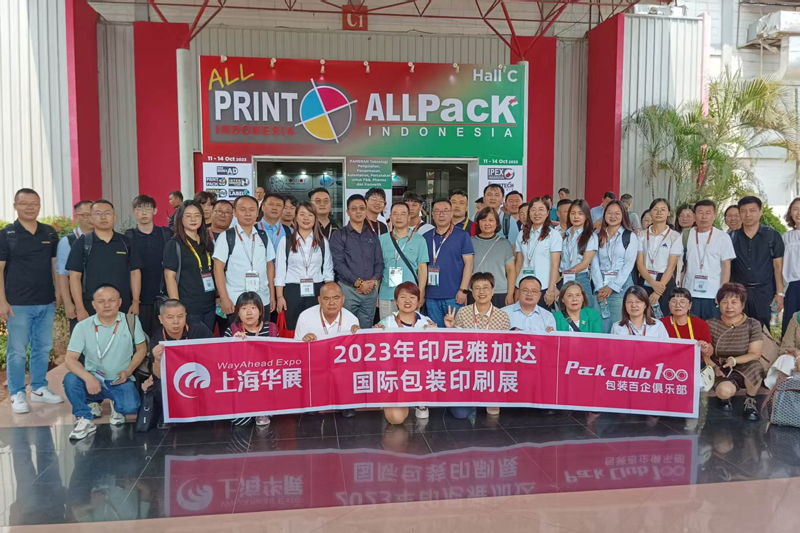
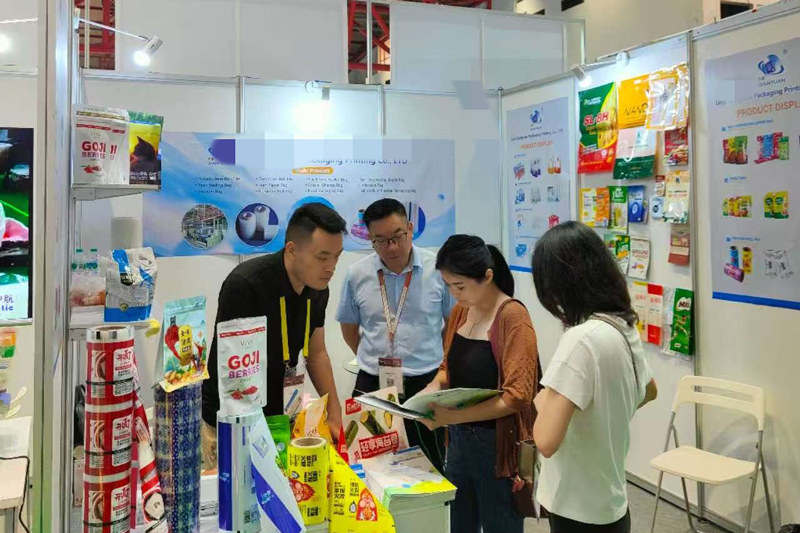
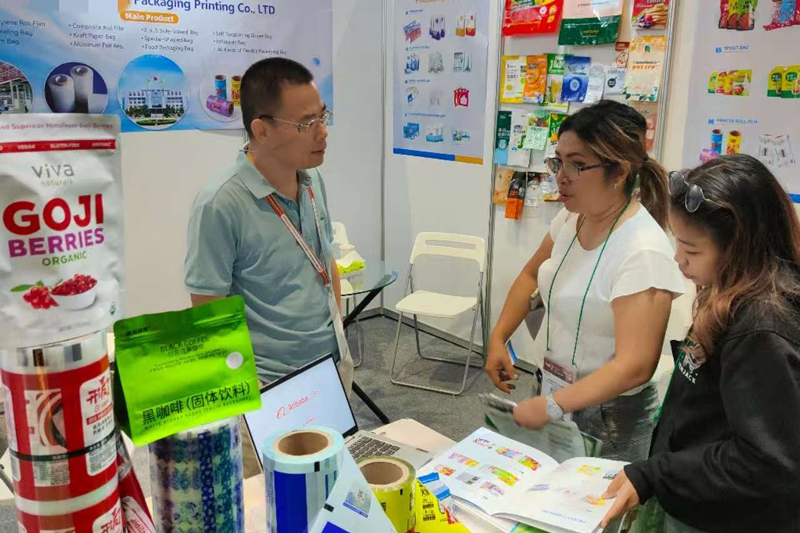
Since its establishment 23 years ago, relying on excellent product quality, comprehensive compliance guarantees, and efficient cross-border services, Jike Packaging Printing has established long-term cooperative relationships with customers in more than 50 countries and regions worldwide, serving clients including globally renowned food manufacturers, brand owners, and trading companies. Our storage woven sacks for single-serve snack and sachet portions have become the preferred choice for businesses seeking reliable, cost-effective packaging solutions that maintain product integrity throughout complex distribution networks. In the future, we will continue to focus on changes in international market demand, using innovative technology and high-quality services as a link to become a trusted cross-border flexible packaging printing partner for global customers.