Current Industry Status and Future Development Trends
Market Growth and Global Demand
The global market for storage woven sacks has experienced consistent growth, driven by expanding agricultural production, increasing construction activity in developing economies, and heightened environmental awareness worldwide. Market research indicates a compound annual growth rate (CAGR) of approximately 5-7% through 2030, with Asia-Pacific regions leading demand due to agricultural intensity and industrial expansion. The shift from single-use plastic bags to reusable, recyclable alternatives has accelerated adoption across multiple sectors, creating significant opportunities for manufacturers and distributors.
Emerging markets in Africa, Southeast Asia, and Latin America represent substantial growth potential as these regions modernize agricultural practices and develop infrastructure. International trade agreements and environmental regulations increasingly favor sustainable packaging solutions, further driving demand for eco-friendly storage woven sacks. The COVID-19 pandemic highlighted the critical importance of resilient supply chains, leading many businesses to prioritize reliable, versatile packaging solutions that can adapt to changing market conditions.
Technological Innovations
Advanced manufacturing technologies continue to enhance the performance and sustainability of storage woven sacks. Innovations in polymer science have produced stronger, lighter materials that maintain recyclability while improving load capacity and durability. Nanotechnology applications create enhanced barrier properties without compromising breathability, expanding application possibilities into sensitive product categories.
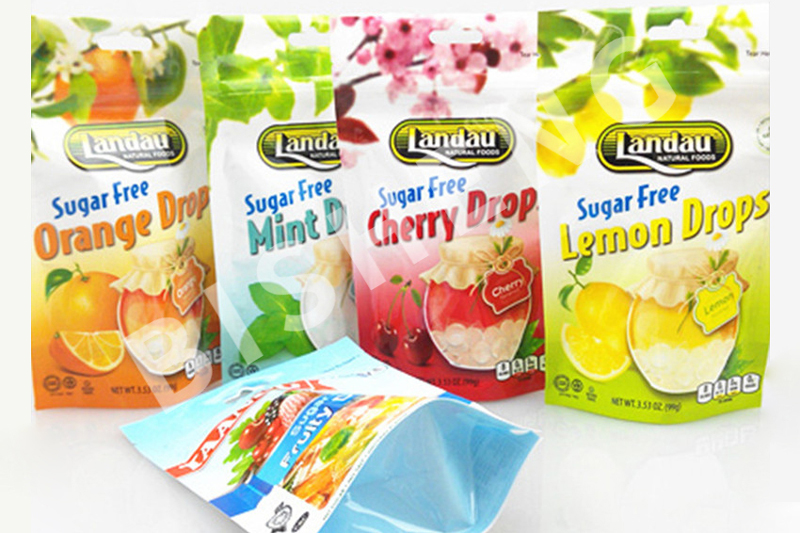
Digital printing technologies enable cost-effective short-run customization, allowing businesses to implement variable data printing for traceability, anti-counterfeiting measures, and targeted marketing campaigns. Smart packaging integration, including RFID tags and QR codes, transforms storage woven sacks into data collection tools that enhance supply chain visibility and inventory management. These technological advances position storage woven sacks at the forefront of intelligent packaging solutions.
Sustainability Initiatives and Circular Economy
The packaging industry's commitment to sustainability has intensified focus on circular economy principles, with storage woven sacks exemplifying successful implementation. Leading manufacturers have established take-back programs that collect used sacks for recycling into new products, creating closed-loop systems that minimize waste and resource consumption. Innovations in bio-based polypropylene derived from renewable sources offer pathways to further reduce carbon footprints while maintaining performance characteristics.
Corporate sustainability commitments and environmental, social, and governance (ESG) reporting requirements drive increased adoption of eco-friendly packaging solutions. Storage woven sacks contribute significantly to achieving sustainability targets, offering measurable improvements in carbon emissions, waste reduction, and resource efficiency. Industry collaborations focused on standardizing recycling processes and improving collection infrastructure strengthen the circular economy ecosystem surrounding these products.
Regulatory Environment and Compliance
Global regulatory frameworks increasingly mandate sustainable packaging practices, creating both challenges and opportunities for the storage woven sack industry. Extended Producer Responsibility (EPR) regulations in Europe, plastic waste management rules in Asia, and various environmental legislation worldwide require businesses to demonstrate responsible packaging choices. Storage woven sacks' recyclability and reusability characteristics align well with these regulatory requirements, positioning them as compliant solutions in increasingly regulated markets.
Food safety regulations, chemical handling standards, and transportation requirements continue to evolve, demanding ongoing innovation in product design and manufacturing processes. Industry leaders invest in certification programs, quality management systems, and compliance documentation to meet diverse international standards. This regulatory complexity creates competitive advantages for established manufacturers with robust quality assurance capabilities and global compliance expertise.
Future Outlook and Strategic Opportunities
Emerging Applications and Market Expansion
Future growth opportunities for storage woven sacks extend beyond traditional applications into emerging sectors. The renewable energy industry utilizes specialized sacks for biomass pellets and other sustainable fuel sources. E-commerce growth creates demand for durable, sustainable packaging that can withstand multiple handling points while communicating environmental responsibility to consumers. Disaster relief and humanitarian aid organizations increasingly specify storage woven sacks for emergency supplies due to their durability, versatility, and cost-effectiveness.
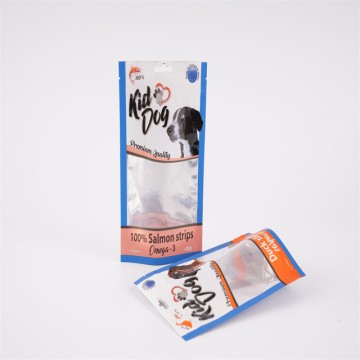
Urban agriculture and vertical farming initiatives require specialized storage solutions that combine food safety, moisture management, and space efficiency. Storage woven sacks adapted for these applications support the growing local food movement while addressing urban sustainability challenges. The pet food industry represents another expanding market, with premium brands seeking packaging that reflects quality and environmental consciousness.
Digital Transformation and Industry 4.0
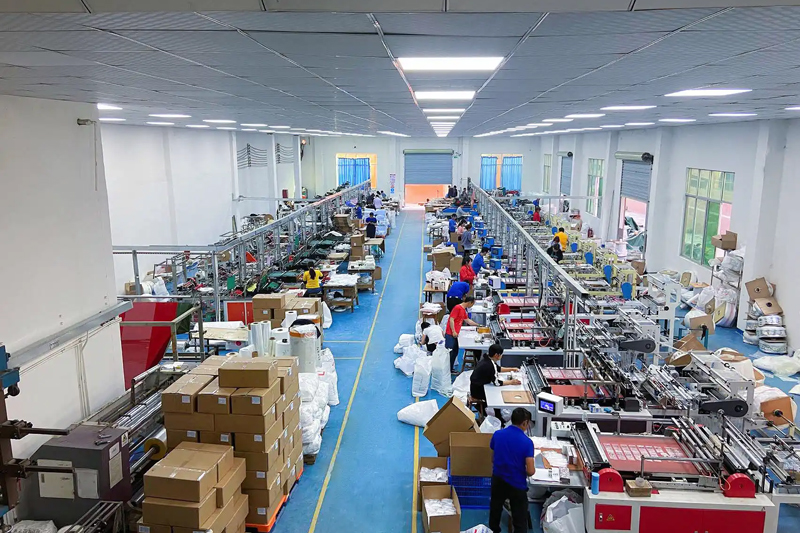
The integration of digital technologies throughout the manufacturing and supply chain processes transforms how storage woven sacks are produced, distributed, and utilized. Automated manufacturing systems improve consistency, reduce waste, and enable rapid response to customer specifications. Predictive maintenance powered by Internet of Things (IoT) sensors optimizes production efficiency and minimizes downtime.
Blockchain technology enables unprecedented supply chain transparency, allowing customers to verify sustainability claims and track products from raw material sourcing through end-of-life recycling. Digital twins and simulation technologies optimize packaging design for specific applications, reducing development time and material waste. These digital transformations position forward-thinking manufacturers to meet evolving customer expectations for transparency, customization, and sustainability.