The Evolution of Single-Serve Packaging Solutions
In today's fast-paced consumer landscape, sealed food bags for single-serve snacks and sachet portions have become indispensable packaging solutions across global markets. These innovative packaging formats represent a convergence of convenience, hygiene, portion control, and sustainability that addresses the evolving needs of modern consumers and businesses alike.
The single-serve packaging industry has experienced remarkable growth over the past decade, driven by changing consumer lifestyles, urbanization, and the increasing demand for on-the-go consumption options. From coffee sachets and seasoning packets to snack portions and nutritional supplements, sealed food bags have revolutionized how products reach consumers while maintaining freshness, extending shelf life, and ensuring food safety.
Current Market Landscape and Industry Status
The global flexible packaging market, which encompasses sealed food bags for single-serve applications, has reached unprecedented levels of sophistication and market penetration. According to industry analysis, the sector is experiencing compound annual growth rates exceeding 5%, with the single-serve segment representing one of the fastest-growing categories.
Several key factors drive this expansion. First, the proliferation of e-commerce and direct-to-consumer business models has created new distribution channels where single-serve packaging offers distinct advantages in terms of shipping efficiency, reduced breakage, and enhanced customer experience. Second, the foodservice industry's recovery and transformation post-pandemic has accelerated demand for hygienic, individually portioned packaging solutions that minimize contact and cross-contamination risks.
Key Market Drivers
- Rising consumer preference for portion-controlled products supporting health and wellness goals
- Increasing demand for convenience in emerging markets with growing middle-class populations
- Expansion of vending machine networks and unmanned retail formats requiring durable, compact packaging
- Growing adoption in pharmaceutical and nutraceutical sectors for supplement delivery
- Tourism and hospitality industry requirements for amenity packaging and in-room consumables
Technological Innovations Shaping the Industry
The sealed food bag segment has benefited tremendously from advances in materials science, sealing technologies, and manufacturing processes. Modern single-serve packaging incorporates multiple functional layers that provide superior barrier properties against moisture, oxygen, light, and external contaminants while maintaining flexibility and tear resistance.
High-barrier laminated structures combining polyester (PET), aluminum foil, and polyethylene (PE) or polypropylene (PP) layers have become industry standards for products requiring extended shelf life without refrigeration. These multi-layer configurations can be precisely engineered to match specific product requirements, whether for oily snacks, moisture-sensitive powders, or oxygen-sensitive ingredients.
Advanced sealing technologies have equally transformed the reliability and efficiency of single-serve packaging production. Ultrasonic sealing, impulse sealing, and heat sealing methods have been refined to create hermetic seals that withstand transportation stress, temperature variations, and handling throughout the distribution chain. Quality control systems now employ vision inspection, leak detection, and seal strength testing to ensure every package meets stringent standards.
🔬
Smart Packaging
Integration of QR codes, freshness indicators, and tamper-evident features
♻️
Sustainable Materials
Development of biodegradable and recyclable single-serve packaging options
⚡
Production Efficiency
Automated filling and sealing systems achieving speeds over 200 units per minute
Deep-Dive Application Scenarios
Food and Beverage Sector Applications
The food and beverage industry represents the largest application segment for sealed single-serve packaging. Coffee and tea sachets alone account for billions of units annually, with instant coffee single-serves particularly popular in Asian and European markets. These applications demand packaging that preserves aromatic compounds while providing easy-open features and attractive shelf presentation.
Seasoning and condiment sachets have become ubiquitous in quick-service restaurants, airline catering, and meal kit delivery services. The packaging must accommodate products with varying viscosities, from free-flowing powders to thick pastes, while preventing leakage and maintaining flavor integrity over extended periods.
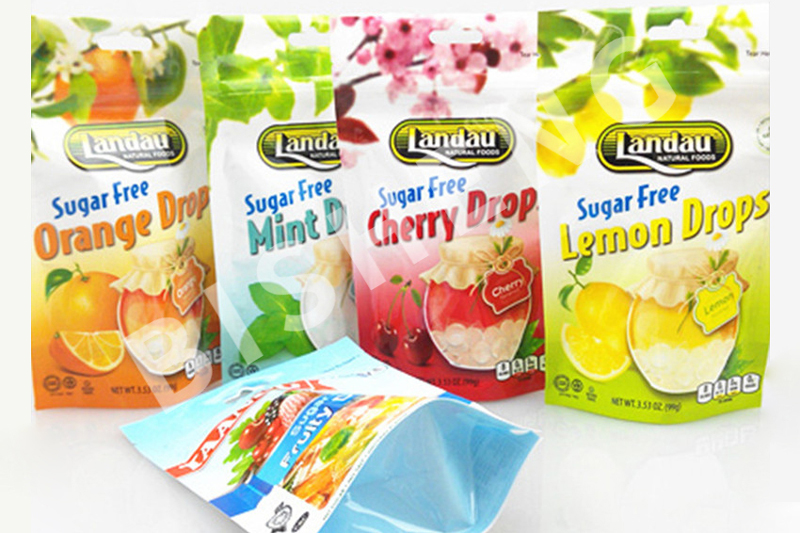
Snack food manufacturers have embraced single-serve formats to address portion control concerns and create new consumption occasions. Individual chip bags, cookie packets, and nut portions allow consumers to enjoy treats without the guilt associated with larger packages, while also providing manufacturers with premium pricing opportunities and reduced waste from opened but unconsumed products.
Pharmaceutical and Nutraceutical Applications
The pharmaceutical industry has increasingly adopted sealed sachet packaging for over-the-counter medications, particularly for powder formulations, effervescent tablets, and single-dose liquid medications. These applications require packaging that meets stringent regulatory requirements for child resistance, tamper evidence, and moisture protection while facilitating accurate dosing and patient compliance.
Nutraceutical products including protein powders, vitamin supplements, and probiotic formulations benefit from single-serve packaging that extends product stability by minimizing exposure to environmental factors. Travel-friendly formats have opened new market segments for supplement manufacturers, allowing consumers to maintain their wellness routines while away from home.
Industrial and Commercial Applications
Beyond consumer-facing applications, sealed single-serve bags serve critical functions in industrial settings. Adhesive and lubricant sachets provide precise dosing for manufacturing processes, while cleaning solution packets ensure consistent dilution ratios in commercial and institutional settings.
The agricultural sector utilizes single-serve packaging for seed treatments, fertilizer samples, and pesticide formulations, enabling farmers to test products on small scales before committing to bulk purchases. This application requires packaging with exceptional chemical resistance and clear labeling to ensure safe handling.
Sustainability Challenges and Solutions
The environmental impact of single-use packaging has become a central concern for the industry, consumers, and regulators. Sealed food bags, particularly those incorporating multiple material layers, present recycling challenges that the industry is actively addressing through multiple approaches.
Material innovation focuses on developing mono-material structures that maintain necessary barrier properties while improving recyclability. Polyethylene-based films with metallized coatings or high-barrier PE formulations offer promising alternatives to traditional multi-material laminates, enabling recycling through existing plastic waste streams.
Compostable and biodegradable options derived from renewable resources including polylactic acid (PLA), cellulose, and starch-based polymers are gaining traction, particularly in markets with established composting infrastructure. These materials require careful formulation to balance environmental benefits with functional performance requirements.
Circular Economy Initiatives
Leading packaging manufacturers are implementing take-back programs, partnering with specialized recyclers to process complex packaging structures, and investing in chemical recycling technologies that can break down multi-layer materials to their constituent polymers for reprocessing. Extended producer responsibility schemes in Europe and other regions are accelerating these efforts by making manufacturers financially responsible for end-of-life packaging management.
Regulatory Landscape and Compliance Requirements
Sealed food bags for single-serve applications must navigate complex regulatory frameworks that vary significantly across global markets. In the United States, the Food and Drug Administration (FDA) regulates food contact materials through specific guidelines for different polymer types and migration testing requirements. The European Union's Framework Regulation (EC) No 1935/2004 establishes general safety requirements, while specific directives address particular material categories.
Labeling requirements for single-serve packaging present unique challenges due to limited surface area. Manufacturers must balance regulatory compliance with brand communication and consumer information needs, often employing innovative solutions such as peel-back labels, extended panels, or digital links to detailed product information.
Future Trends and Development Directions
The future of sealed food bags for single-serve applications will be shaped by several converging trends. Personalization and customization will become increasingly feasible through digital printing technologies that enable short-run production and variable data printing for targeted marketing campaigns or regional product variations.
Active and intelligent packaging features will transition from premium applications to mainstream products. Oxygen scavengers, moisture regulators, and antimicrobial coatings will extend shelf life and enhance product quality, while time-temperature indicators and freshness sensors will provide consumers with real-time product status information.
The integration of packaging with digital ecosystems will create new value propositions. Near-field communication (NFC) chips and augmented reality triggers embedded in single-serve packaging will enable interactive brand experiences, authentication verification, and supply chain traceability that builds consumer trust and engagement.
Nano-Technology Integration
Nano-coatings and nano-composite materials will deliver unprecedented barrier properties in thinner, lighter packaging structures, reducing material usage while maintaining or improving performance.
Blockchain Traceability
Implementation of blockchain-based tracking systems will provide complete transparency from raw material sourcing through manufacturing, distribution, and consumption.
AI-Driven Optimization
Artificial intelligence and machine learning algorithms will optimize packaging design, predict failure modes, and enable predictive maintenance in production facilities.
Economic Impact and Market Opportunities
The economic significance of the single-serve packaging sector extends beyond direct manufacturing revenue to encompass substantial value creation across the supply chain. Packaging innovation enables product differentiation, premium pricing strategies, and market expansion into previously inaccessible channels or demographics.
Emerging markets present particularly compelling growth opportunities. Rising disposable incomes, urbanization, and the adoption of Western consumption patterns in Asia-Pacific, Latin America, and Africa are driving demand for convenient, hygienic packaging solutions. Local manufacturers are developing cost-optimized packaging formats tailored to regional preferences and economic conditions, while multinational corporations are adapting global brands to local market requirements.
The e-commerce boom has created entirely new packaging requirements and opportunities. Single-serve formats that ship efficiently, withstand the rigors of parcel delivery networks, and provide satisfying unboxing experiences are commanding premium valuations from direct-to-consumer brands seeking to differentiate in crowded digital marketplaces.
Manufacturing Excellence and Quality Assurance
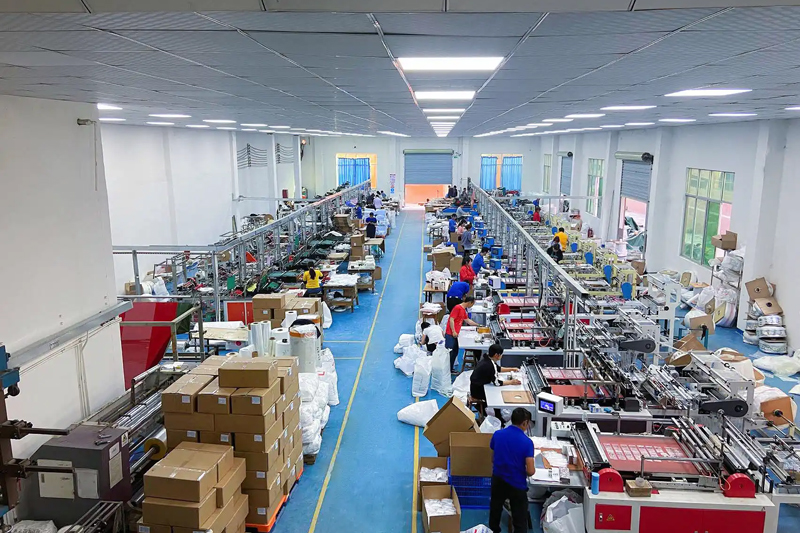
Producing high-quality sealed food bags for single-serve applications requires sophisticated manufacturing capabilities and rigorous quality management systems. Modern production facilities integrate automated material handling, precision filling equipment, high-speed sealing systems, and comprehensive inspection technologies to ensure consistent output meeting exacting specifications.
Statistical process control methodologies monitor critical parameters including seal strength, package dimensions, fill weight accuracy, and visual defects. Real-time data analytics enable immediate process adjustments, minimizing waste and ensuring product conformance. Traceability systems track materials and finished goods through every production stage, facilitating rapid response to quality issues and supporting regulatory compliance.
Leading manufacturers maintain multiple certifications demonstrating commitment to quality, safety, and environmental responsibility. ISO 9001 quality management, ISO 22000 food safety management, and BRC Global Standards for Packaging Materials certifications provide customers with confidence in supplier capabilities and risk management practices.
Conclusion: A Dynamic Industry Poised for Continued Growth
Sealed food bags for single-serve snacks and sachet portions represent a mature yet continuously evolving packaging category that successfully balances consumer convenience, product protection, economic efficiency, and increasingly, environmental responsibility. As technology advances, regulatory frameworks evolve, and consumer preferences shift, the industry demonstrates remarkable adaptability and innovation capacity.
For businesses across the value chain—from material suppliers and packaging manufacturers to brand owners and retailers—understanding the nuances of single-serve packaging applications, staying abreast of technological developments, and anticipating market trends will be essential to capturing opportunities in this dynamic sector. The convergence of sustainability imperatives, digital transformation, and changing consumption patterns will continue to reshape the competitive landscape, rewarding those who can deliver packaging solutions that meet the complex, multifaceted demands of 21st-century markets.