Welcome to our company

Leave Your Message
Advanced packaging layouts optimized for high load capacity and absolute seal integrity.
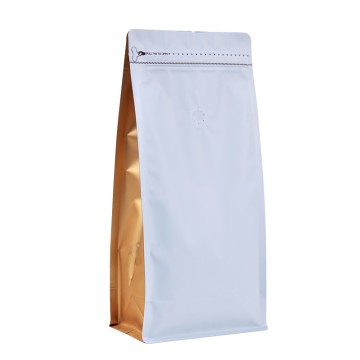
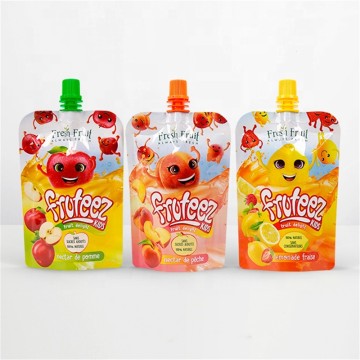
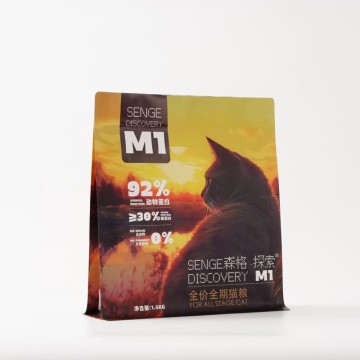
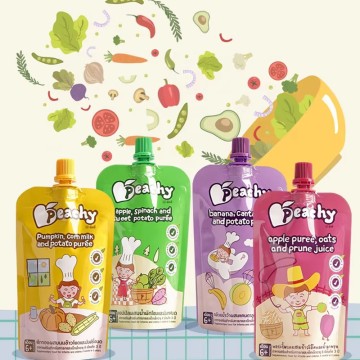
In the modern global supply chain, transporting food-grade bulk materials requires packaging solutions that are robust, contamination-free, and highly cost-effective. Traditionally, bulk materials such as grains, sugar, milk powder, animal feed, and chemical food additives were shipped using rigid containers, drums, or basic non-barrier bags. However, these older methods often proved vulnerable to environmental variables like humidity, oxygen ingress, pest infestations, and physical damage during transit. The emergence of the sealed food bag for heavy-duty bulk material transport has revolutionized this sector, offering unprecedented protection and logistical flexibility.
Shandong Jike International Trade Co., Ltd., established in 2003, has been at the forefront of this industrial transition. By developing advanced multi-layer laminated structures and high-strength polypropylene woven sacks, we provide bulk transport solutions that keep food products fresh, dry, and safe from contamination over long distances and extended storage periods.
Today's food processing and agricultural industries operate on a massive global scale. Raw ingredients harvested in one continent are regularly shipped across oceans to be processed in another. This long-haul logistics model exposes bulk food materials to extreme conditions. Containers sitting on cargo ships can experience temperatures exceeding 50°C and relative humidity levels close to 100%, leading to the phenomenon known as "container rain." Under these circumstances, standard packaging fails, leading to spoilage, mold development, and severe financial losses.
Consequently, there is a rapidly growing market demand for heavy-duty flexible packaging with advanced sealing technologies. Bulk food bags designed for capacities ranging from 5kg to 25kg, and even up to 1000kg (FIBC liners), must offer a complete hermetic seal. Industrial users look for packaging that combines the structural strength of woven materials with the high-barrier properties of specialized plastic films. By integrating materials like EVOH (Ethylene Vinyl Alcohol), aluminum foil, and polyamide (nylon) with tough outer layers of polypropylene, manufacturers can guarantee the integrity of their products throughout the supply chain.
Heavy-duty sealed food bags are utilized across a wide range of specialized applications, each presenting unique engineering challenges:
Products like milk powder, whey protein concentrates, and infant formula are highly sensitive to oxygen and moisture. Oxygen causes lipid oxidation, leading to off-flavors and nutrient degradation, while moisture causes clumping. Sealed heavy-duty bags with aluminum foil or EVOH liners prevent these issues, preserving product quality for up to two years.
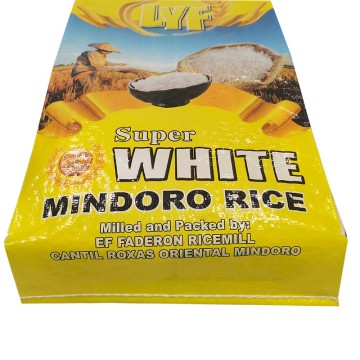
Bulk agricultural products like rice, corn, wheat, and coffee beans require protection from mold, insect infestation, and external odors. Hermetic sealing combined with one-way degassing valves allows gases (such as CO2 released by freshly roasted coffee beans) to escape while preventing oxygen and pests from entering the bag.
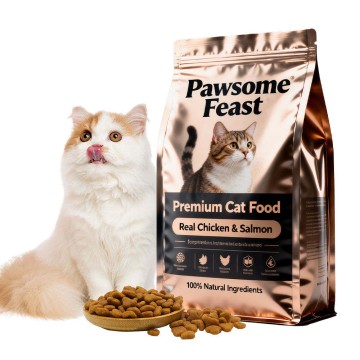
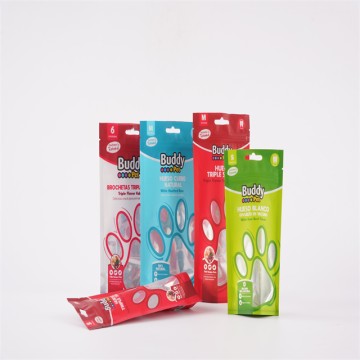
Modern pet food formulas contain high levels of fats and oils that can migrate through standard plastic packaging, causing grease staining and structural weakness. Heavy-duty multi-layer bags with specialized grease barriers prevent fat migration while maintaining high puncture resistance to withstand mechanical handling.
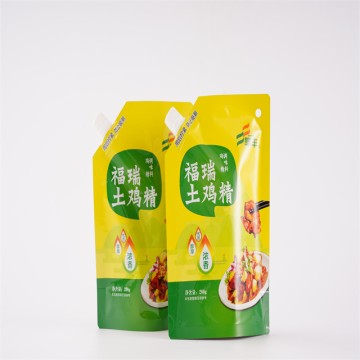
Bulk transport of liquid eggs, purees, syrups, and sauces relies on large heavy-duty spout pouches or bag-in-box systems. These bags must possess high seal strength to handle hydrostatic pressure and prevent leaks during transit vibration.
The performance of a heavy-duty sealed food bag is determined by its material composition. Modern food bags are rarely made from a single plastic layer; instead, they are engineered as multi-layer co-extruded or laminated structures. Each layer serves a specific purpose:
Furthermore, the integration of advanced closures such as heavy-duty zippers, slider seals, and specialized pouring spouts ensures that the bags remain functional and resealable, minimizing product waste during partial unloading.
Looking toward 2026 and beyond, the industrial packaging sector is undergoing a massive transformation driven by sustainability regulations and technological innovation:
1. Mono-Material Recyclability: Historically, multi-layer laminated bags were difficult to recycle because they combined different materials like PET, aluminum, and PE. The packaging industry is now moving rapidly toward mono-material structures—such as all-PE or all-PP laminates—that offer equivalent barrier properties while being fully compatible with standard recycling streams.
2. Smart Packaging: The integration of RFID tags, QR codes, and temperature/moisture sensors into bulk food bags allows logistics managers to track transit conditions in real time. This ensures complete traceability, which is critical for food safety compliance and supply chain optimization.
3. Automation-Friendly Designs: As bulk filling stations become increasingly automated, food bags must be designed with precise dimensional tolerances and structural rigidity to ensure seamless compatibility with robotic pick-and-place systems and high-speed filling machinery.
Shandong Jike International Trade Co., Ltd. is a state-owned professional food packaging and printing enterprise, established in 2003 and located in Shandong Province, eastern China. Over the past two decades, we have developed into a leading one-stop provider of food packaging bags, pet food packaging bags, and PP woven sacks.
Our state-of-the-art manufacturing facilities are ISO9001, ISO14001, and ISO45001 certified, and all our products strictly pass the QS food safety certification. With an annual production capacity of 8,000 tons (5,000 tons of flexible food packaging and 3,000 tons of woven bags), we serve over 500 clients in more than 70 countries worldwide.
We specialize in providing customized OEM and ODM services, offering tailored material structures, multi-language designs, barcode/QR code integration, and custom thicknesses to meet the diverse needs of modern cross-border trade.
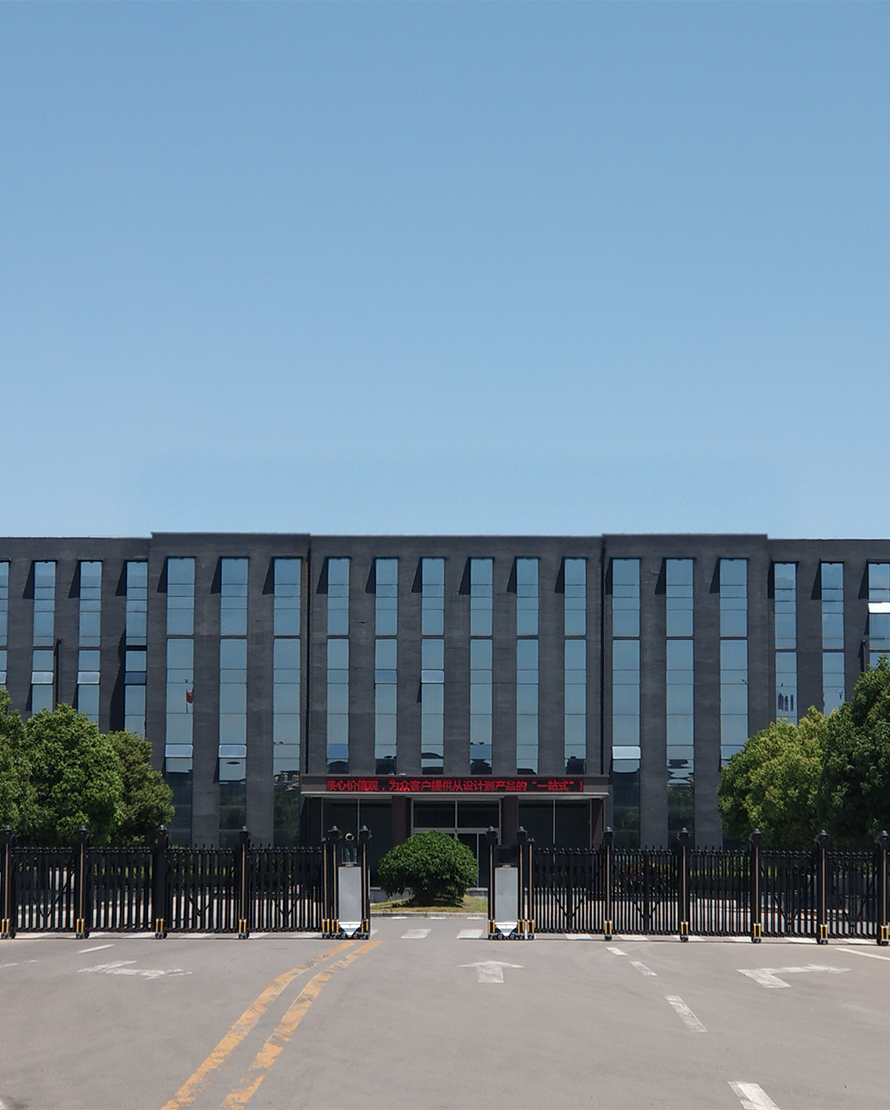
Get in touch with our packaging engineers to design the perfect sealed food bag for your heavy-duty bulk transport requirements.
Stay updated with the latest trends in bulk packaging technology and sustainable supply chains.
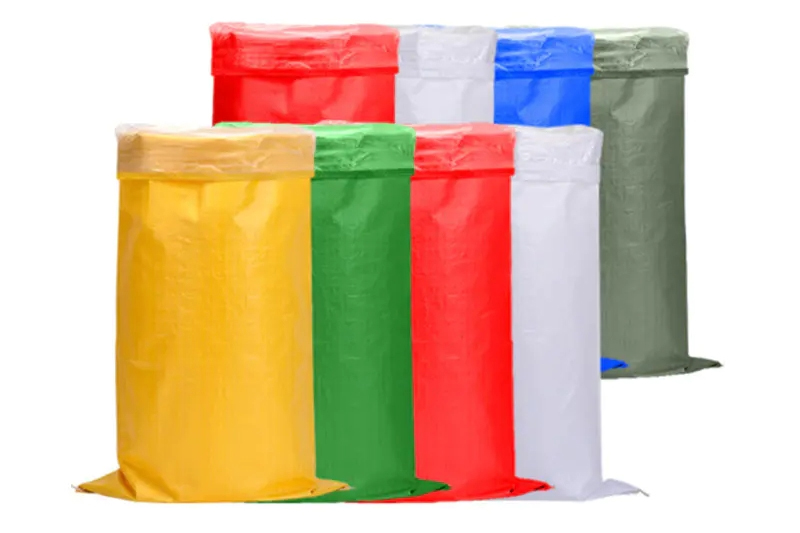
As global demand for sustainable bulk packaging grows, businesses are turning to innovatively designed PP woven FIBCs to reduce logistics footprints and enhance circular economy goals.
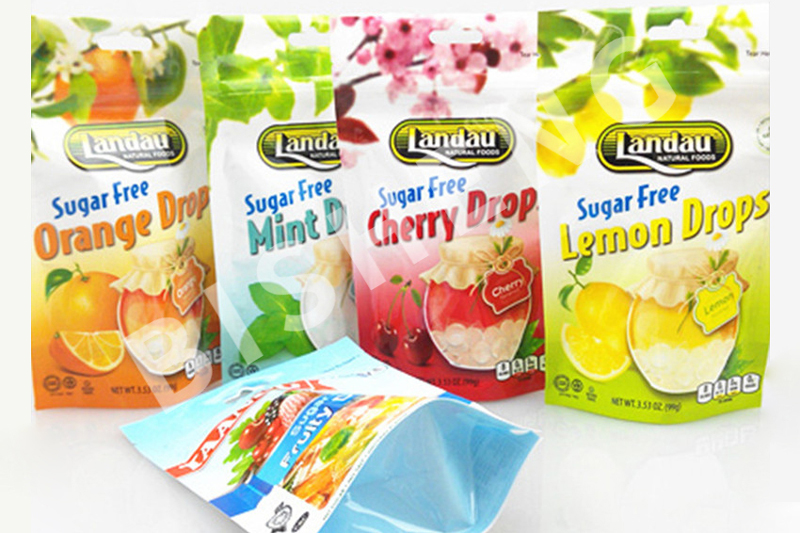
Stand-up pouches and doy-packs are rapidly replacing traditional rigid plastics in the food ingredient and consumer pet food packaging markets due to their light weight and high seal integrity.
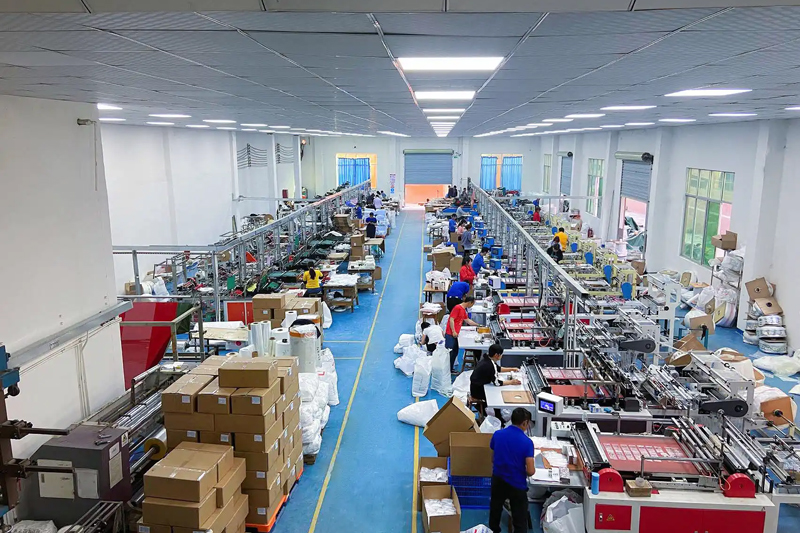
Entering 2026, bulk food transport packaging trends are heavily influenced by mono-material recycling mandates, automated packaging line integrations, and advanced oxygen barrier films.
Explore our full range of certified food-grade packaging bags, spouted pouches, and heavy-duty woven sacks.