Comprehensive Guide to Moisture-Proof Grain and Seed Storage Solutions
The Critical Importance of Moisture-Proof Storage in Agriculture
In the global agricultural industry, preserving the quality and viability of grains and seeds represents one of the most significant challenges facing farmers, distributors, and commercial operations. Moisture intrusion stands as the primary threat to stored agricultural products, leading to mold growth, germination loss, pest infestation, and ultimately, substantial economic losses. Resealable plastic bags designed specifically for moisture-proof grain and seed storage have emerged as an essential solution, combining advanced material science with practical functionality to address these critical preservation needs.
The agricultural storage sector has witnessed remarkable technological advancement over the past two decades, with resealable plastic bags evolving from simple containment solutions to sophisticated preservation systems. Modern moisture-proof bags incorporate multi-layer barrier films, precision zipper mechanisms, and specialized coatings that create an optimal microenvironment for long-term grain and seed storage. These innovations have transformed how agricultural products are stored, transported, and marketed across global supply chains.
Key Protection Factor: Moisture Barrier Technology
Advanced multi-layer lamination structures provide exceptional moisture vapor transmission rates (MVTR) as low as 0.5g/m²/24hrs, ensuring grains and seeds remain dry and viable for extended periods even in humid conditions.
Current Market Status and Commercial Applications
The global market for agricultural packaging, particularly moisture-proof resealable bags, has experienced substantial growth, with projections indicating a compound annual growth rate (CAGR) of 5.8% through 2028. This expansion is driven by increasing awareness of post-harvest losses, which the Food and Agriculture Organization (FAO) estimates account for approximately 14% of global food production. In developing economies, where storage infrastructure may be limited, resealable plastic bags offer an affordable and effective solution for smallholder farmers and agricultural cooperatives.
Commercial applications span the entire agricultural value chain. Large-scale grain elevators and seed companies utilize these bags for variety separation and quality preservation. Organic farmers rely on moisture-proof bags to maintain certification standards by preventing contamination and preserving natural qualities. Export operations depend on these packaging solutions to ensure products arrive at international destinations in optimal condition, meeting stringent phytosanitary requirements and quality specifications.
Industrial-Scale Implementation and Benefits
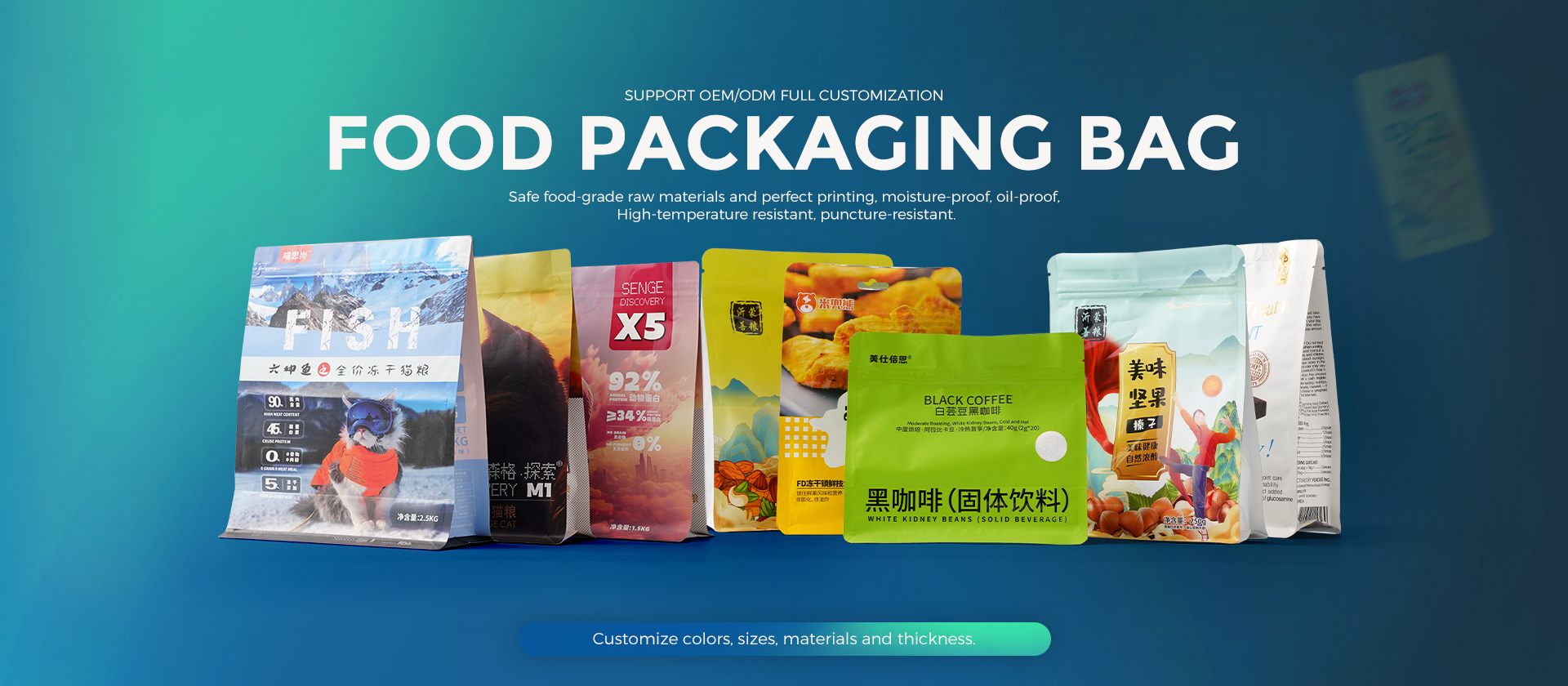
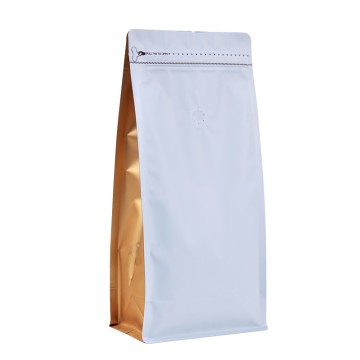
Industrial agricultural operations have integrated resealable moisture-proof bags into comprehensive storage management systems. These bags typically feature high-density polyethylene (HDPE) or polypropylene (PP) outer layers combined with aluminum foil or metallized polyester middle layers, creating exceptional barriers against moisture, oxygen, and light. The resealable zipper mechanism, often reinforced with slider technology, allows for multiple access points while maintaining seal integrity—a critical feature for operations requiring periodic quality testing or partial product removal.
The economic benefits extend beyond simple product preservation. Reduced spoilage rates translate directly to improved profit margins, with studies indicating that proper moisture-proof storage can reduce grain losses by up to 40% compared to traditional storage methods. Additionally, the ability to store products for extended periods allows producers to take advantage of seasonal price fluctuations, selling when market conditions are most favorable rather than being forced to sell immediately post-harvest.
Advanced Material Science and Barrier Technology
The effectiveness of resealable plastic bags for moisture-proof grain and seed storage fundamentally depends on sophisticated material engineering. Modern agricultural storage bags typically employ multi-layer laminated structures, each layer serving specific protective functions. The outer layer, usually composed of biaxially oriented polypropylene (BOPP) or polyethylene terephthalate (PET), provides mechanical strength, puncture resistance, and printability for branding and information display.
The critical middle layer incorporates aluminum foil (typically 7-9 microns thick) or metallized films that create an impermeable barrier to moisture vapor, oxygen, and light. This metallic layer is essential for achieving the low moisture vapor transmission rates necessary for long-term grain and seed preservation. The innermost layer, often made from linear low-density polyethylene (LLDPE) or cast polypropylene (CPP), provides heat-sealability and direct food contact safety, meeting FDA and EU regulations for agricultural product packaging.
Zipper Technology and Seal Integrity
The resealable zipper mechanism represents a critical component that distinguishes modern agricultural storage bags from traditional packaging. High-quality grain and seed storage bags utilize press-to-close (PTC) or slider zipper systems engineered to withstand repeated opening and closing cycles—often rated for 100+ resealing operations—while maintaining consistent seal integrity. Advanced zipper designs incorporate interlocking profiles with multiple sealing ribs that create tortuous paths preventing moisture infiltration even under pressure differentials.
Recent innovations include child-resistant zipper configurations and tamper-evident features that provide additional security for commercial seed operations. Some premium agricultural storage bags now feature dual-zipper systems, where a primary moisture-seal zipper works in conjunction with a secondary mechanical closure, providing redundant protection against environmental exposure.
Specific Application Scenarios and Performance Requirements
Seed Storage and Germination Preservation
For seed storage applications, moisture-proof resealable bags must meet particularly stringent requirements. Seed viability is extremely sensitive to moisture content and storage conditions. Research indicates that for every 1% increase in seed moisture content above optimal levels, storage life can be reduced by half. Similarly, for every 10°F increase in storage temperature, seed viability duration is cut in half. Moisture-proof bags address the moisture component of this equation by maintaining seed moisture content within the critical 8-12% range for most grain seeds.
Commercial seed companies utilize these bags for varietal preservation, often storing multiple genetic lines that must remain completely separate and uncontaminated. The resealable feature allows quality control personnel to extract samples for germination testing without compromising the remaining seed stock. Agricultural research institutions employ similar bags for germplasm preservation, maintaining genetic diversity for future breeding programs. In these applications, bags may incorporate additional features such as oxygen absorbers or desiccant packets to create optimal storage microclimates.
Grain Storage for Food Security and Commercial Trading
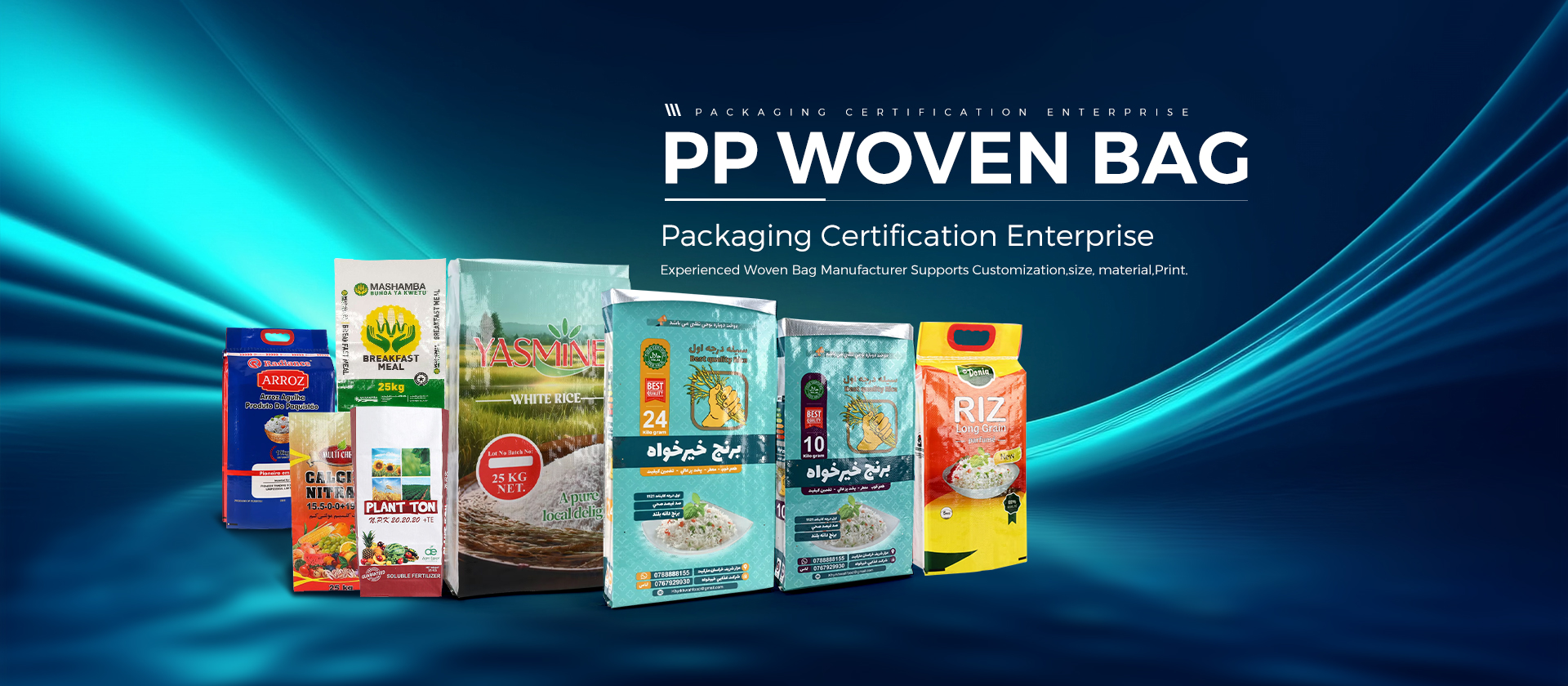
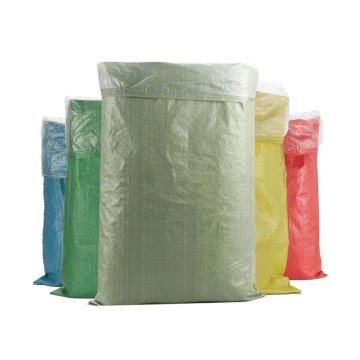
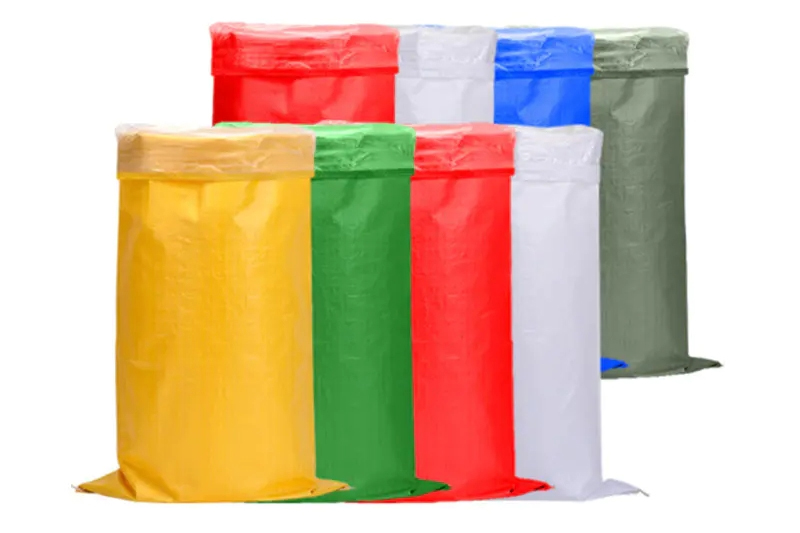
In grain storage applications, moisture-proof resealable bags serve multiple functions across different operational scales. Smallholder farmers in developing regions use these bags as primary storage containers, replacing traditional methods such as woven sacks or clay pots that offer minimal moisture protection. The hermetic sealing capability of quality resealable bags creates conditions that suppress insect activity and prevent mold growth, extending safe storage periods from weeks to months.
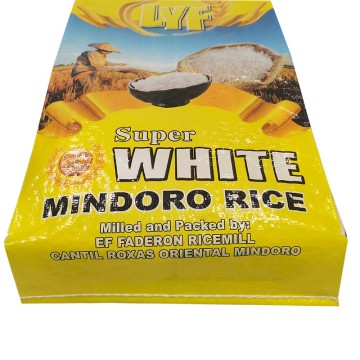
Commercial grain traders and processors utilize larger-format moisture-proof bags (ranging from 25kg to 1000kg capacity) for specialty grains, organic products, and premium varieties that command higher market prices. These operations require bags that not only provide moisture protection but also facilitate efficient handling, stacking, and transportation. Reinforced construction with gusseted bottoms and sturdy handles accommodates mechanical handling equipment while maintaining barrier properties under the physical stresses of logistics operations.
Organic and Specialty Crop Applications
The organic agriculture sector has become a significant adopter of moisture-proof resealable bags due to strict certification requirements prohibiting synthetic preservatives and fumigants. Organic grains and seeds must rely entirely on physical storage conditions to prevent deterioration and pest infestation. Moisture-proof bags, particularly those incorporating hermetic sealing technology, create low-oxygen environments that naturally suppress pest activity without chemical interventions, maintaining organic certification status throughout storage.
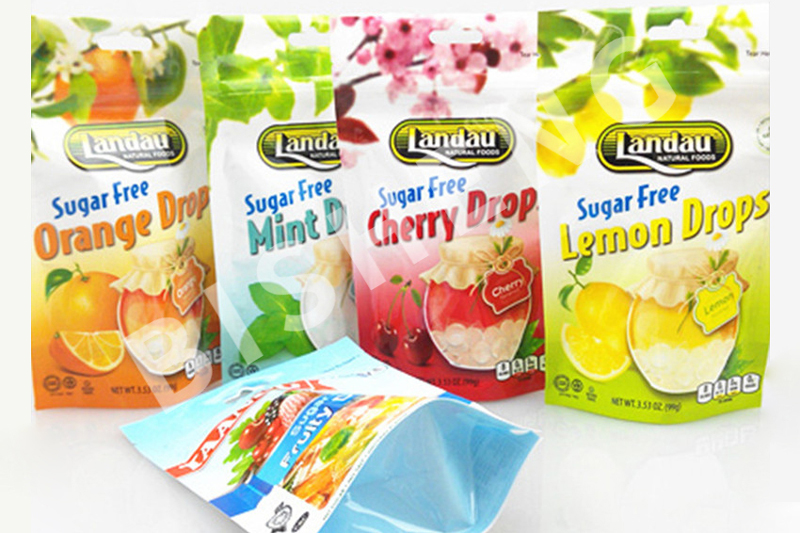
Specialty crops such as heritage grain varieties, ancient grains (quinoa, amaranth, teff), and premium seeds (chia, flax, hemp) benefit from the protective qualities of advanced resealable bags. These products often command premium prices in health-conscious and specialty food markets, making the investment in quality moisture-proof packaging economically justified. The resealable feature is particularly valuable for retail-ready packaging, allowing consumers to maintain product freshness after initial opening.