Welcome to our company

Leave Your Message
The global demand for Resealable Plastic Bags For Long-Term Vacuum Food Storage has witnessed an unprecedented surge over the past decade. Driven by shifting consumer behaviors, stringent food safety regulations, and the relentless pursuit of supply chain optimization, commercial entities are increasingly relying on advanced packaging architectures. Vacuum food storage is no longer a niche requirement reserved for survivalists or specialized culinary applications; it has become a cornerstone of modern food distribution, retail logistics, and long-term commodity preservation.
In the commercial sector, the primary objective is to mitigate food waste while maximizing shelf life without compromising nutritional integrity or organoleptic properties. Resealable vacuum bags constructed from multi-layered co-extruded polymers provide an impermeable barrier against oxygen, moisture, and ultraviolet radiation. This structural superiority significantly retards lipid oxidation and microbial proliferation. For supermarkets, bulk food distributors, and e-commerce grocery platforms, utilizing these advanced resealable solutions means dramatic reductions in spoilage-related financial losses. Furthermore, the integration of heavy-duty zippers and one-way degassing valves allows consumers to maintain the vacuum-like environment even after the initial seal is broken, enhancing brand loyalty through superior user experience.
The industrial landscape is equally transformed. Bulk commodity exporters dealing in coffee beans, rice, nuts, and dehydrated proteins utilize large-scale resealable vacuum bags (such as the 1kg to 5kg flat bottom pouches) to ensure product stability across diverse climatic zones during transoceanic shipping. The economic ramifications are profound: extended shelf life translates to broader geographic market reach, reduced reliance on energy-intensive cold chain logistics, and the ability to capitalize on seasonal price fluctuations by safely storing surplus yields.
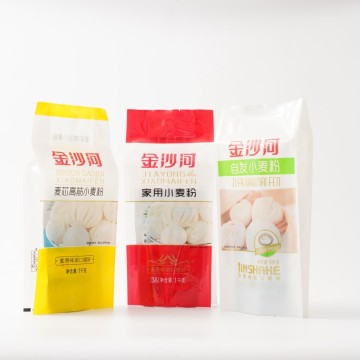
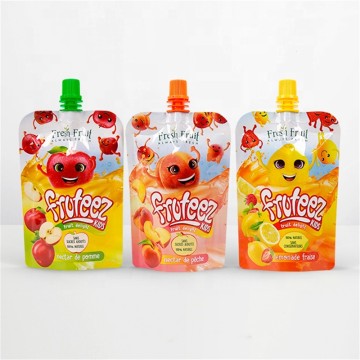
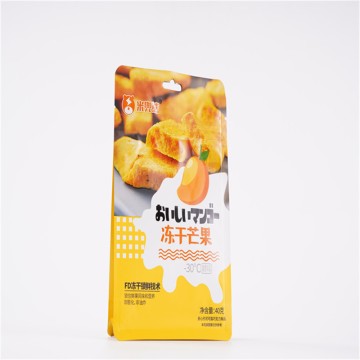
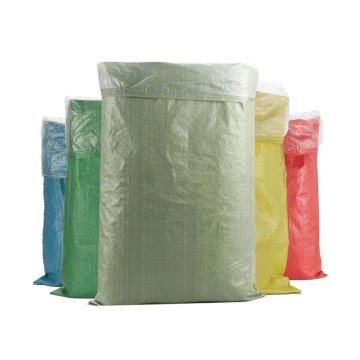
Shandong Jike International Trade Co., Ltd. is a state-owned professional food packaging and printing enterprise, established in 2003 and located in Shandong Province, eastern China. As a pioneer in the packaging industry deeply rooted in North China, we are a premier one-stop provider of food packaging bags, pet packaging bags, and woven bags.
Since our founding, we have built upon more than 22 years of profound industry experience to establish a complete value chain. We boast an impressive annual capacity of 5,000 tons of food packaging bags and 3,000 tons of woven bags. The company has obtained ISO9001, ISO14001, and ISO45001 certifications, and all our products have passed QS food safety certification.
We support multi-language design and printing, barcode/QR code customization, material combination selection, and thickness customization to fully meet the rigorous demands of cross-border trade and long-term vacuum storage requirements.

The manufacturing of Resealable Plastic Bags For Long-Term Vacuum Food Storage is currently undergoing a technological renaissance. The convergence of material science, sustainable engineering, and smart manufacturing is dictating the future trajectory of the industry. Historically, achieving high-barrier properties necessitated the use of complex, non-recyclable multi-material laminates (such as PET/AL/PE). However, the contemporary trend is aggressively pivoting towards mono-material structures and biodegradable composites that offer equivalent barrier performance without the environmental toll.
Advanced orientation techniques, such as Machine Direction Orientation (MDO) PE, are enabling the creation of fully recyclable pouches that can withstand the immense physical stress of vacuum sealing. These innovations ensure that the bags do not puncture or delaminate under negative pressure, a critical requirement for long-term storage of sharp-edged foods like bone-in meats, dried pasta, or roasted coffee beans. Moreover, the integration of nanotechnology in barrier coatings—utilizing ultra-thin layers of silicon oxide (SiOx) or aluminum oxide (AlOx)—provides exceptional oxygen transmission rates (OTR) and water vapor transmission rates (WVTR) while maintaining transparency, allowing consumers to visually inspect the product.
Another significant trend is the miniaturization and enhanced precision of resealable mechanisms. The development of hook-to-hook closures and slider zippers engineered specifically for powder resistance ensures that fine particulates (like flour, protein powders, or spices) do not compromise the hermetic seal upon resealing. These technological strides are not merely incremental; they represent a fundamental shift in how industries approach food preservation, balancing uncompromising performance with global sustainability mandates.
The versatility of Resealable Plastic Bags For Long-Term Vacuum Food Storage allows them to permeate a vast array of deep application scenarios, far beyond standard retail shelving. Understanding these specific use cases highlights the critical engineering that goes into each pouch.
1. Emergency Preparedness and Survival Rations: In the realm of disaster preparedness, food must remain viable for periods extending up to 25 years. Resealable vacuum bags utilized here are often paired with oxygen absorbers. The resealable zipper becomes crucial during an emergency, as it allows the user to consume portions of the bulk supply (e.g., freeze-dried meals, rice, beans) over several days while keeping the remainder protected from moisture, pests, and ambient contamination.
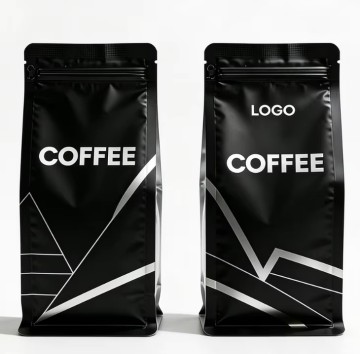
2. Specialty Coffee and Tea Preservation: Roasted coffee beans emit carbon dioxide while rapidly degrading upon oxygen exposure. Bags designed for this sector feature an eight-side seal flat bottom for structural integrity, a resealable zipper for consumer convenience, and a one-way degassing valve. This valve allows the expelled CO2 to escape without letting atmospheric oxygen in. The vacuum-like environment maintained by the resealable closure ensures the volatile aromatic compounds are preserved from the roastery to the final cup.
3. Pharmaceutical and Nutraceutical Storage: Beyond traditional food items, the nutraceutical industry relies heavily on these bags for storing hygroscopic powders (like whey protein or collagen). The high-barrier properties prevent clumping and active ingredient degradation caused by humidity. The resealable nature ensures the product remains efficacious throughout its usage cycle, which can span several months.
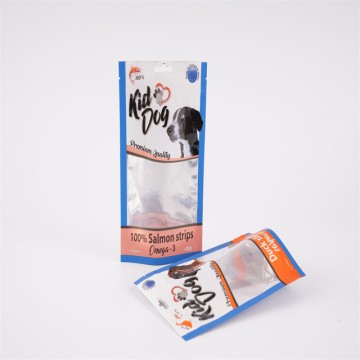
4. Pet Food and Animal Nutrition: Premium pet foods, particularly those rich in omega fatty acids, are highly susceptible to rancidity. Large octagonal-side sealed pet food bags with heavy-duty resealable zippers provide a functional packaging option that locks in odors, prevents fat oxidation, and maintains kibble crunchiness over long-term storage, ensuring optimal pet health and owner satisfaction.

JIKE IS a one-stop provider of food packaging bags, pet packaging bags, and woven bags. Find all the high-barrier vacuum solutions you need here.

We customize everything from design, material structure, and thickness to different sizes and styles based on your specific long-term storage requirements.

From raw material, color printing, lamination, curing, to bag making and shipping, every step undergoes strict inspection to ensure perfect vacuum seals.

We offer LCL and FCL container delivery, as well as DHL/FEDEX express for small quantities. We provide comprehensive door-to-door logistics.
The intersection of Artificial Intelligence (AI) and the manufacturing of Resealable Plastic Bags For Long-Term Vacuum Food Storage is creating a paradigm shift in quality control and supply chain transparency. Modern packaging facilities are deploying AI-driven machine vision systems to inspect the integrity of every single heat seal, zipper track, and degassing valve at microscopic levels in real-time. This ensures a zero-defect rate, guaranteeing that every bag capable of holding a vacuum will perform flawlessly under commercial stress.
Furthermore, smart packaging technologies are being integrated directly into the resealable bags. This includes the incorporation of Time-Temperature Indicators (TTIs) and RFID/NFC tags. These smart labels interact with the internal environment of the vacuum bag, providing real-time data on food freshness, storage conditions, and origin traceability. For commercial buyers, this means enhanced inventory management algorithms can predict spoilage and optimize stock rotation, significantly reducing waste.
AI is also revolutionizing material science formulation. By simulating thousands of polymer combinations, AI algorithms are discovering new, ultra-thin barrier layers that offer superior vacuum retention and puncture resistance while using significantly less raw material. This tech-forward approach not only reduces the carbon footprint of the packaging but also lowers production costs, delivering a highly advanced, sustainable, and economically viable long-term storage solution to the global market.