Welcome to our company

Leave Your Message
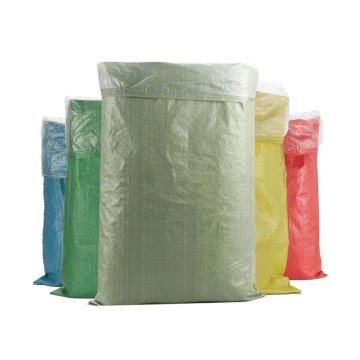
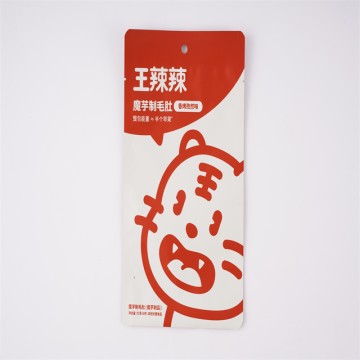
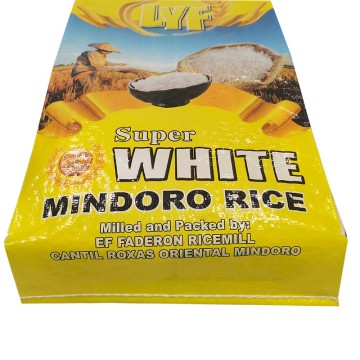
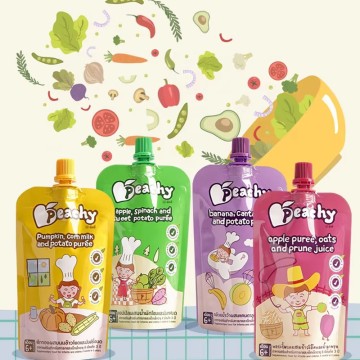
The global food packaging industry is undergoing a profound transformation. As regulatory pressure mounts and consumer consciousness around sustainability intensifies, recyclable woven bags have emerged as a frontline solution for brands seeking to balance environmental responsibility with powerful retail shelf presence. The recyclable woven bag for retail-ready printed food branding is no longer a niche product — it has become a strategic asset for food manufacturers, private-label brands, and retail chains worldwide.
The global woven polypropylene (PP) bags market was valued at over USD 5.8 billion in 2023 and is projected to exceed USD 9.2 billion by 2032, driven by surging demand from the food, agriculture, and retail sectors. Recyclable variants now account for the fastest-growing segment, with a CAGR exceeding 6.4%.
The EU Single-Use Plastics Directive, US state-level packaging laws, and China's Green Packaging Policy are collectively accelerating the shift toward recyclable materials. PP woven bags, being fully recyclable within existing polymer streams, satisfy these mandates while maintaining structural integrity for heavy food products.
Modern food retailers require packaging that communicates brand values at the point of purchase. High-definition flexographic and gravure printing on woven bags delivers vibrant, photorealistic graphics — transforming utilitarian sacks into powerful brand canvases that drive purchase decisions in competitive supermarket environments.
Recyclable woven PP bags offer superior load-bearing capacity (typically 5–50 kg), moisture resistance, and stackability — critical attributes for food supply chains spanning grains, pulses, pet food, flour, sugar, and processed snacks. Their lightweight nature reduces freight costs compared to alternative rigid packaging formats.
From smart packaging integration to circular economy commitments, the recyclable woven bag sector is evolving rapidly. Understanding these trends is essential for brands planning their 2025–2030 packaging strategies.
Food brands are embedding QR codes, NFC tags, and augmented reality markers directly into woven bag print designs. This enables consumers to access product origin traceability, recipe content, nutritional data, and brand storytelling — all from the packaging surface. Custom printing on recyclable woven bags supports full-surface QR and barcode placement without compromising structural integrity.
Up to 9-color flexographic printing is now standard among leading manufacturers, enabling photo-quality imagery, gradient effects, and brand-consistent Pantone color matching. For food retail, this means woven bags can carry the same visual language as premium cardboard or flexible film packaging — at a fraction of the cost per unit.
Major food retailers including Walmart, Carrefour, and Lidl have committed to 100% recyclable or reusable packaging by 2025–2030. PP woven bags fit seamlessly into closed-loop recycling programs, as the material can be collected, reprocessed, and remanufactured into new bags or other PP products — supporting genuine circular economy credentials.
Emerging R&D is focusing on bio-PP and PLA-blended woven fabrics that retain the mechanical strength of conventional PP while offering enhanced end-of-life compostability. Early commercial deployments are appearing in the organic food and health food segments — markets where sustainability claims directly influence purchase behavior.
AI-driven printing calibration, robotic bag-making lines, and automated quality inspection systems are reducing per-unit costs and lead times for custom printed woven bags. This democratizes access to retail-quality packaging for mid-sized food brands and private-label retailers who previously required large MOQs to justify custom print runs.
Cross-border food trade demands packaging that simultaneously satisfies labeling regulations across multiple jurisdictions. Advanced woven bag manufacturers now offer multi-language design services, integrated compliance labeling (EU, FDA, Halal, Kosher), and region-specific barcode formats — enabling a single production run to serve multiple export markets.
The versatility of recyclable printed woven bags spans virtually every category of the food industry. Below are the most commercially significant application scenarios where these bags deliver measurable brand and operational value.
Rice, flour, corn, wheat, and oats packaged in 5 kg, 10 kg, and 25 kg laminated PP woven sacks represent the single largest application segment. Retail-ready versions feature full-surface print, carry handles, and tamper-evident closures — enabling direct display on supermarket shelving without secondary packaging.
The pet food sector has embraced laminated woven bags for dry kibble and treat products. High-barrier BOPP lamination prevents moisture and fat migration while providing a premium print surface. Brands use this format to differentiate on-shelf in an increasingly competitive premium pet food market across North America and Europe.
Specialty food brands are adopting woven bag formats for bulk coffee beans, dried spices, nuts, and superfoods. The combination of aroma-barrier inner liners with premium outer print creates packaging that communicates artisan quality while maintaining the structural robustness needed for international shipping.
Costco, Sam's Club, and similar warehouse retailers require robust, visually impactful packaging for bulk food items. Recyclable woven bags with retail-grade printing allow private-label brands to compete visually with national brands while meeting the structural demands of pallet stacking and high-volume distribution.
Organic food brands leverage the natural aesthetic of woven PP to reinforce sustainability messaging. Kraft-tone lamination, earth-tone printing, and eco-certification logos printed directly on the bag surface create a cohesive brand narrative that resonates with environmentally conscious consumers in premium grocery channels.
For food exporters shipping to Southeast Asia, the Middle East, Africa, and Latin America, recyclable woven bags provide the ideal combination of cost efficiency, durability, and print quality. Moisture-resistant lamination protects product integrity across long sea freight journeys, while custom printing satisfies destination market labeling requirements.
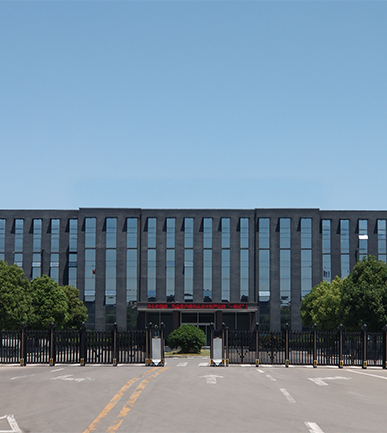
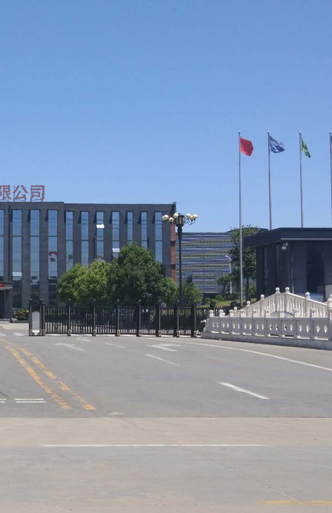
Shandong Jike International Trade Co., Ltd. is a state-owned professional food packaging and printing enterprise, established in 2003 and located in Shandong Province, eastern China. The company has obtained and passed ISO9001, ISO14001, and ISO45001 certifications, and all our products have passed QS food safety certification.
With over two decades of specialization in recyclable woven bag manufacturing for retail-ready printed food branding, Jike has built a reputation for precision printing, material innovation, and reliable cross-border logistics — serving food manufacturers and brand owners across 70+ countries.
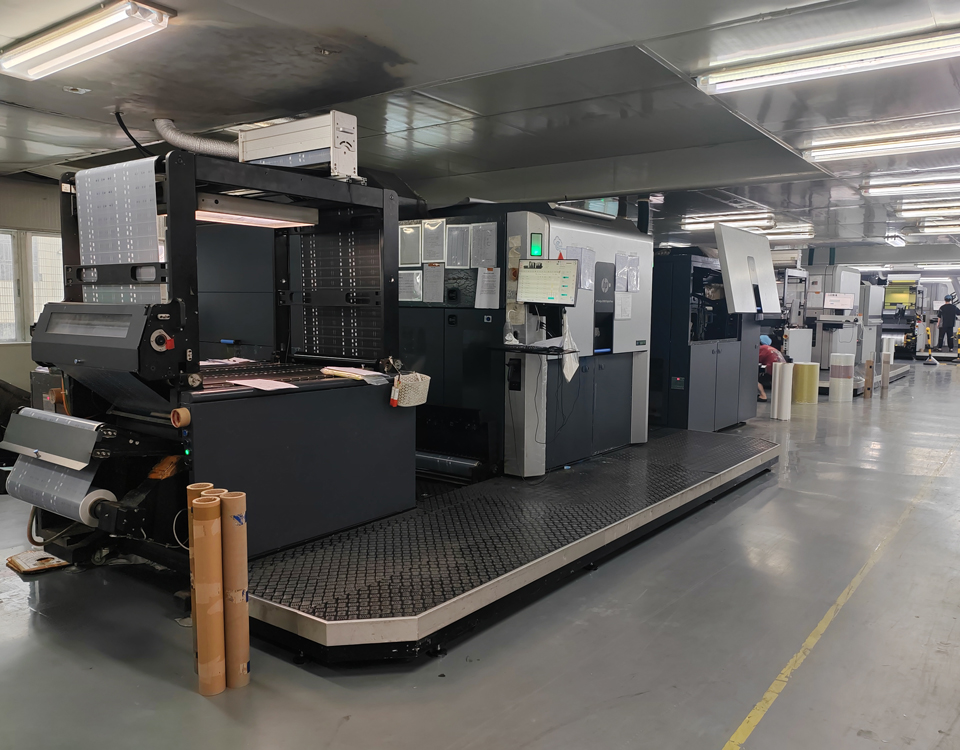
The company's core export products cover the needs of multiple industries, mainly including food-grade flexible packaging, pet food packaging, polyethylene film, and woven packaging bags, which can accurately match the market standards of different regions such as North America, the European Union, Southeast Asia, and the Middle East.
We also support multi-language design and printing, barcode/QR code customization, material combination selection, and thickness selection to fully meet the needs of cross-border trade. Every product is engineered to meet the specific regulatory, aesthetic, and structural requirements of its destination market — ensuring retail-readiness from factory floor to supermarket shelf.
Our recyclable woven bag lineup for retail-ready printed food branding includes laminated PP sacks, BOPP-laminated bags, valve bags, open-mouth bags, and block-bottom bags — each available with full-surface custom printing in up to 9 colors.
In terms of supply chain and service, the company has strong cross-border delivery capabilities. We have standardized production workshops and automated production lines, with flexible minimum order quantities for regular products. We undertake both small-batch customization and large-volume order production.
We have established a strict quality control system, tracing the entire process from raw material procurement and production processing to finished product inspection, ensuring that every batch of products meets the quality standards of the importing country. We are equipped with a professional cross-border logistics team to support various transportation methods such as full container shipping, LCL shipping, and air freight.
Since its establishment 23 years ago, relying on excellent product quality, comprehensive compliance guarantees, and efficient cross-border services, Jike Packaging Printing has established long-term cooperative relationships with customers in more than 50 countries and regions worldwide, serving clients including globally renowned food manufacturers, brand owners, and trading companies.
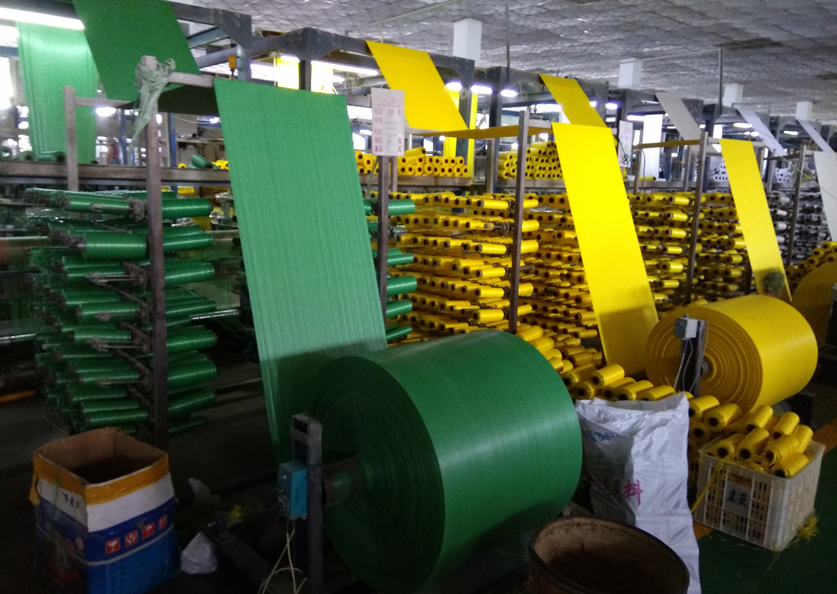
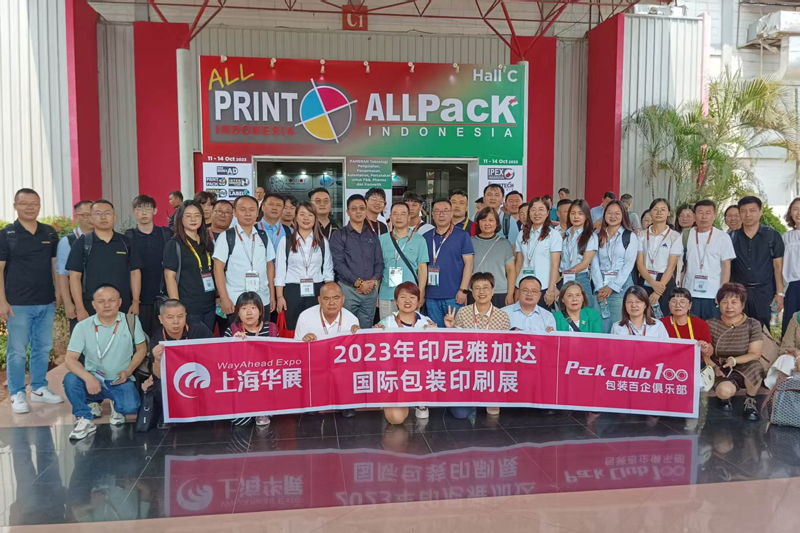
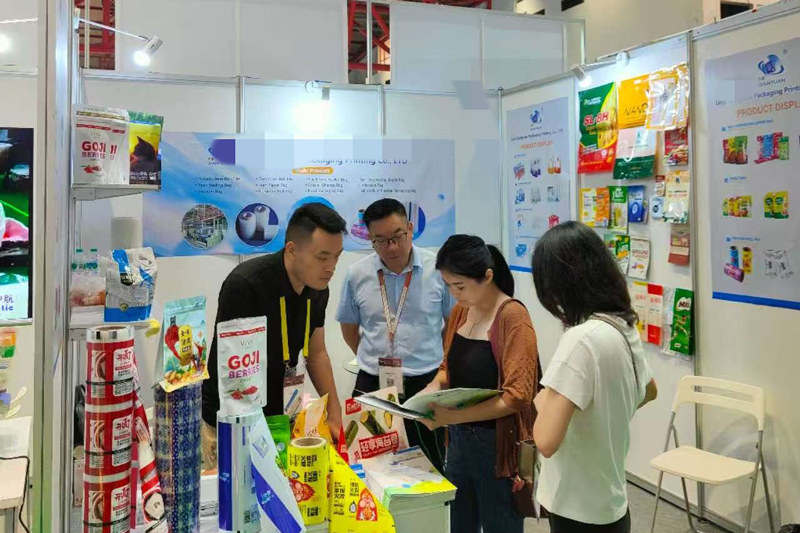
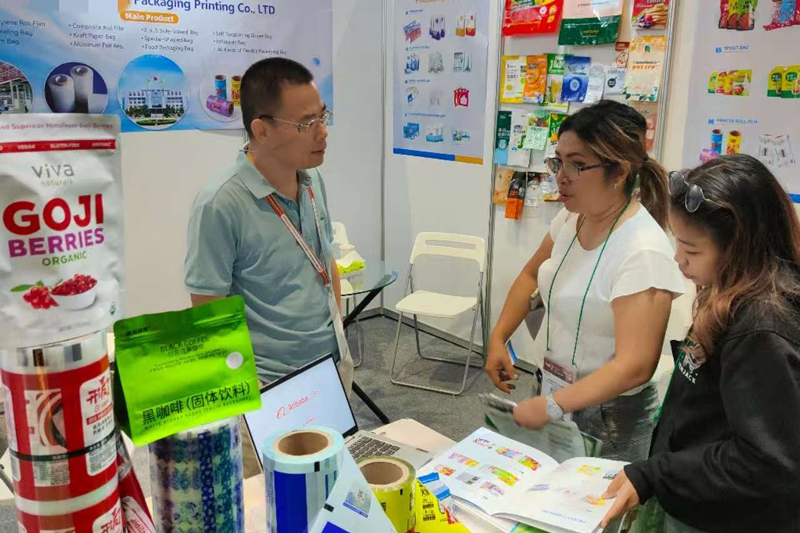
Jike actively participates in leading international packaging and food industry exhibitions, showcasing our latest recyclable woven bag innovations and retail-ready printed food branding solutions to buyers and brand owners from around the globe.
In the future, we will continue to focus on changes in international market demand, using innovative technology and high-quality services as a link to become a trusted cross-border flexible packaging printing partner for global customers. Whether you need small-batch customization or large-volume production, our team is ready to deliver precision-printed, retail-ready recyclable woven bags tailored to your brand and market requirements.
Contact Us