Welcome to our company

Leave Your Message
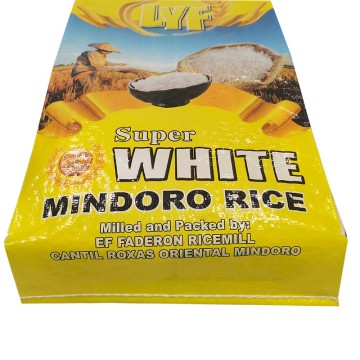 Laminated Polypropylene Sack 5kg 10 Kg 25kg Rice Corn Wheat Maize PP Woven Sack Bag
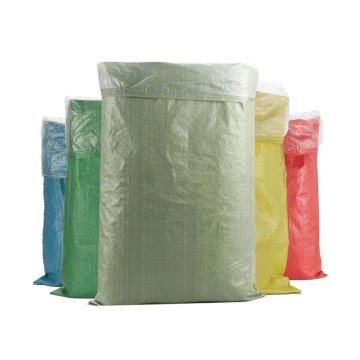 One-Stop Customization Solution for PP Woven Bags
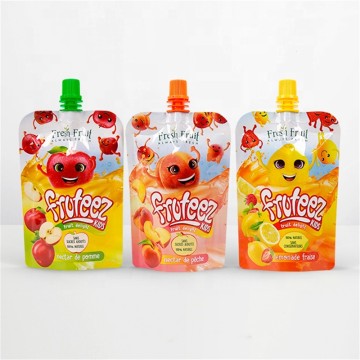 Factory Spout Pouch Custom Plastic Reusable Liquid Stand up Pouch With Spout Sauce Drink Bag Fruit Juice Pouch Doypack
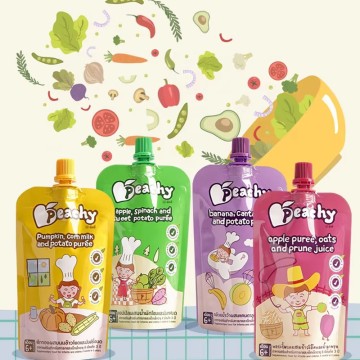 Custom Printed Plastic Spout Pouch Bag Reusable Sealed Juice Drink Bag Plastic Packaging Liquid Bag
In the global agricultural industry, the demand for sustainable and efficient storage solutions has never been more critical. Recyclable woven bags for moisture-proof grain and seed storage represent a revolutionary advancement in agricultural packaging technology. These innovative storage solutions combine environmental responsibility with superior protective qualities, addressing the dual challenges of preserving agricultural products while minimizing environmental impact.
The agricultural sector faces increasing pressure to adopt sustainable practices while maintaining product quality and reducing post-harvest losses. Traditional storage methods often fall short in providing adequate moisture protection, leading to significant crop degradation and economic losses. Recyclable woven bags have emerged as the optimal solution, offering exceptional moisture barrier properties, durability, and environmental sustainability that traditional packaging materials cannot match.
The global market for recyclable woven bags in agricultural applications has experienced remarkable growth over the past decade. Industry analysts project a compound annual growth rate (CAGR) of 6.8% through 2030, driven by increasing awareness of sustainable packaging solutions and stringent regulations on single-use plastics. The Asia-Pacific region currently dominates the market, accounting for approximately 45% of global consumption, followed by North America and Europe.
This growth trajectory is fueled by several key factors: rising global food production demands, increased focus on reducing post-harvest losses, growing environmental consciousness among consumers and producers, and government initiatives promoting sustainable agricultural practices. Major agricultural economies including the United States, China, India, Brazil, and countries across the European Union have implemented policies encouraging the adoption of recyclable packaging materials in the agricultural sector.
The transition to recyclable woven bags is driven by economic efficiency, environmental mandates, technological innovations in material science, and consumer demand for sustainably-sourced products. Modern recyclable woven bags offer moisture protection comparable to traditional materials while providing superior tear resistance, UV stability, and reusability that significantly reduces long-term packaging costs.
Modern recyclable woven bags for grain and seed storage utilize advanced polypropylene (PP) materials engineered specifically for agricultural applications. The manufacturing process involves extruding polypropylene resin into flat tapes or yarns, which are then woven into fabric using circular or flat weaving machines. This woven structure creates a robust foundation that provides exceptional strength-to-weight ratios, making these bags ideal for storing heavy agricultural products.
The moisture-proof capabilities are achieved through specialized lamination processes. High-quality recyclable woven bags feature inner layers of polyethylene (PE) film or specialized moisture-barrier coatings that create an effective barrier against water vapor transmission. This multi-layer construction typically includes an outer woven PP layer for structural integrity, a middle lamination layer for moisture protection, and an optional inner liner for enhanced product safety. The water vapor transmission rate (WVTR) of premium moisture-proof woven bags can be as low as 2-5 g/m²/24hrs, providing superior protection compared to conventional storage solutions.
The technical performance of recyclable woven bags extends beyond moisture protection. These bags demonstrate exceptional tensile strength, typically ranging from 800 to 1500 N/5cm in both warp and weft directions, ensuring they can withstand the rigors of filling, transportation, and stacking. The elongation at break ranges from 15% to 25%, providing flexibility without compromising structural integrity.
UV stabilization is another critical feature, particularly for bags stored outdoors or in semi-exposed conditions. Modern recyclable woven bags incorporate UV stabilizers that protect against degradation from sunlight exposure, extending their usable lifespan to 12-18 months even under challenging environmental conditions. This UV resistance is essential for maintaining bag integrity and protecting stored grains and seeds from environmental factors that could compromise quality.
Advanced lamination technology provides superior protection against humidity and water vapor transmission
High tensile strength and tear resistance ensure safe handling and long-term storage reliability
Integrated UV stabilizers extend bag lifespan and maintain product quality under various storage conditions
100% recyclable materials support circular economy principles and reduce environmental impact
Recyclable woven bags have become the preferred choice for storing and transporting various grain types including rice, wheat, corn, barley, and oats. The moisture-proof properties are particularly critical for grain storage, as even minor moisture infiltration can lead to mold growth, mycotoxin development, and significant quality degradation. In commercial grain storage facilities, these bags are used extensively for both short-term holding and long-term storage applications.
Large-scale grain distributors and agricultural cooperatives utilize recyclable woven bags in sizes ranging from 5kg to 50kg capacity, depending on market requirements and handling considerations. The bags' excellent stackability allows for efficient warehouse space utilization, with properly designed bags capable of being stacked 8-10 layers high without compromising structural integrity. This efficient storage capability translates directly into reduced warehousing costs and improved logistics efficiency.
The seed industry represents one of the most demanding applications for moisture-proof storage solutions. Seeds require precise moisture control to maintain viability and germination rates. Recyclable woven bags designed for seed storage incorporate enhanced moisture barrier properties and often feature additional protective measures such as inner PE liners or aluminum foil lamination for premium seed varieties.
Seed companies utilize these bags for storing foundation seeds, certified seeds, and commercial seed varieties. The bags protect against moisture fluctuations that could trigger premature germination or reduce seed viability. Additionally, the breathable nature of properly designed woven bags allows for controlled air circulation, preventing condensation buildup while maintaining optimal moisture levels. This balance is crucial for maintaining seed quality during storage periods that can extend from several months to multiple years.
Beyond conventional grain and seed storage, recyclable woven bags serve diverse agricultural applications including animal feed storage, fertilizer packaging, dried fruit and nut storage, and pulse and legume preservation. Each application benefits from the customizable nature of woven bag manufacturing, allowing producers to specify exact moisture barrier requirements, bag dimensions, and additional features such as ventilation strips or specialized closures.
In the global agricultural trade sector, recyclable woven bags have become the standard for international shipments of grains and seeds. Their compliance with international phytosanitary regulations, combined with excellent moisture protection during ocean freight transportation, makes them ideal for export applications. The bags meet stringent requirements of importing countries regarding pest control, moisture management, and product traceability.
Export-grade recyclable woven bags often incorporate additional features such as tamper-evident seals, batch coding systems, and multi-language printing to facilitate international trade. The bags' resistance to saltwater exposure and humidity variations during maritime transport ensures product quality maintenance throughout extended shipping periods, typically 30-60 days for intercontinental shipments.
The future of recyclable woven bags lies in the integration of smart packaging technologies. Emerging innovations include embedded moisture sensors that provide real-time monitoring of internal humidity levels, RFID tags for supply chain tracking and inventory management, QR codes linking to blockchain-based traceability systems, and time-temperature indicators for quality assurance. These technologies transform traditional storage bags into intelligent packaging systems that provide valuable data throughout the supply chain.
Research institutions and packaging manufacturers are collaborating to develop next-generation woven bags with integrated IoT capabilities. These smart bags can communicate storage conditions to cloud-based management systems, enabling predictive maintenance and proactive quality control. Early adopters in the agricultural sector have reported 15-20% reductions in post-harvest losses through implementation of smart packaging solutions.
Material science innovations are driving the development of enhanced recyclable woven bags with improved performance characteristics. Researchers are exploring bio-based polypropylene alternatives derived from renewable resources, nano-coating technologies for superior moisture barrier properties, antimicrobial additives for extended product preservation, and enhanced UV stabilizers for extreme climate applications. These advancements promise to further improve the sustainability profile and functional performance of woven storage bags.
Particularly promising is the development of fully biodegradable woven bags that maintain the moisture-proof and strength characteristics of traditional PP bags while offering end-of-life composting options. Several manufacturers have introduced prototype bags using polylactic acid (PLA) and other biopolymers, though commercial viability remains under evaluation for large-scale agricultural applications.
The agricultural packaging industry is increasingly embracing circular economy principles, with recyclable woven bags playing a central role. Industry initiatives focus on establishing comprehensive collection and recycling systems for used agricultural bags, developing closed-loop recycling processes that convert used bags into new packaging materials, creating standardized designs that facilitate recycling efficiency, and implementing take-back programs through agricultural supply chains.
Leading agricultural economies have established recycling rates exceeding 70% for PP woven bags, demonstrating the viability of circular packaging systems. These programs not only reduce environmental impact but also create economic value through material recovery and reprocessing. The recycled PP from agricultural bags finds applications in various industries including automotive components, construction materials, and new packaging products.
Global regulatory frameworks increasingly mandate sustainable packaging solutions in agriculture. The European Union's Single-Use Plastics Directive, various extended producer responsibility (EPR) schemes worldwide, and sustainability certification programs are driving adoption of recyclable woven bags. Manufacturers must navigate complex compliance requirements while meeting customer demands for environmentally responsible packaging solutions that don't compromise product protection or economic viability.
Over 23 years of production experience
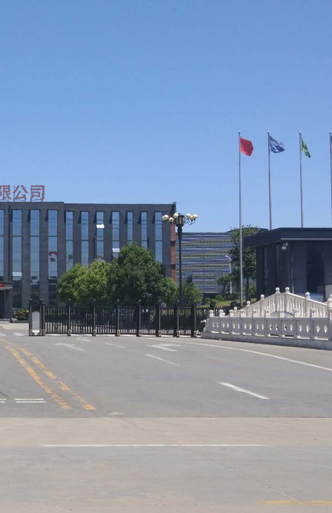

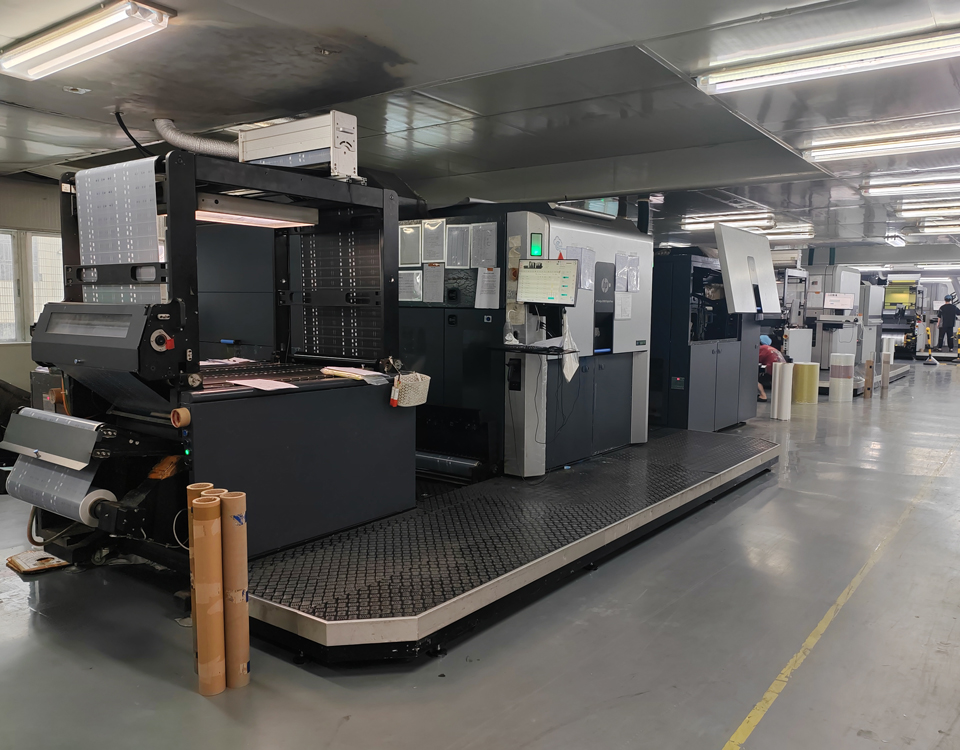

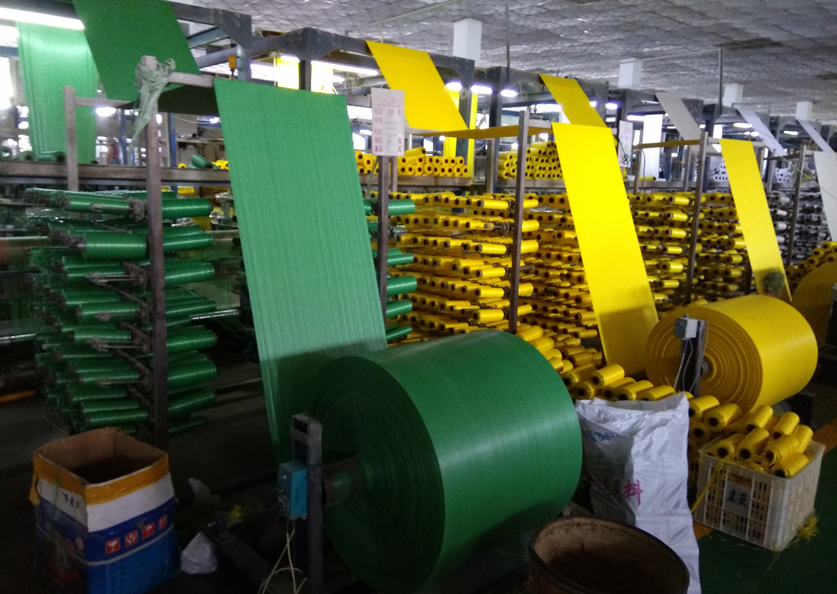
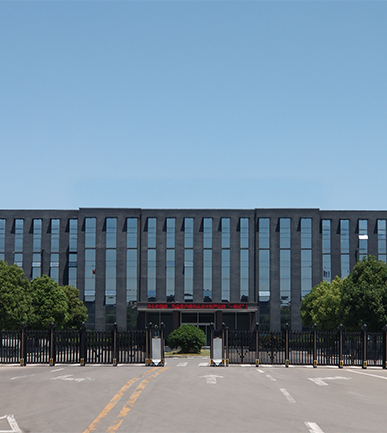
Since its establishment 23 years ago, relying on excellent product quality, comprehensive compliance guarantees, and efficient cross-border services, Jike Packaging Printing has established long-term cooperative relationships with customers in more than 50 countries and regions worldwide, serving clients including globally renowned food manufacturers, brand owners, and trading companies. In the future, we will continue to focus on changes in international market demand, using innovative technology and high-quality services as a link to become a trusted cross-border flexible packaging printing partner for global customers.
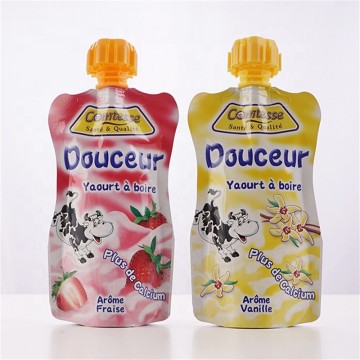 Wholesale 100ml 250ml 300ml 500ml Stand up Pouch With Valve Water Liquid Reusable Food Grade Large Packing Bag
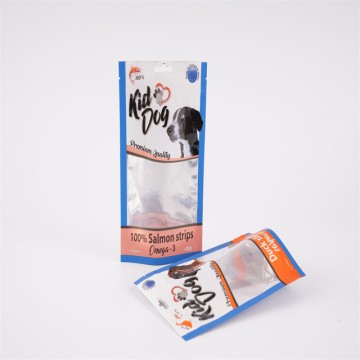 Custom Design Plastic Pet Dog Treat Food Packaging Bag Resealable Stand up Zipper Pouches
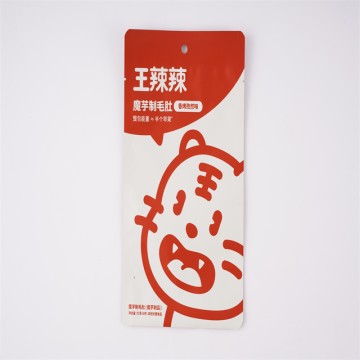 3 Sides Seal Food Bag/ 3 Sides Seal Food Sachet
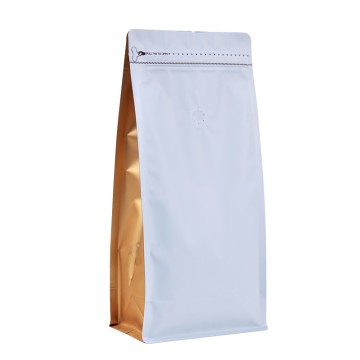 Strong Seal Food Grade Multiple 100G 250G 500G 1KG 8-Side Sealed With Valve and Zipper Coffee Bean Packaging Bag
Factory Spout Pouch Custom Plastic Reusable Liquid Stand up Pouch With Spout Sauce Drink Bag Fruit Juice Pouch Doypack
Custom Printed Plastic Spout Pouch Bag Reusable Sealed Juice Drink Bag Plastic Packaging Liquid Bag
Laminated Polypropylene Sack 5kg 10 Kg 25kg Rice Corn Wheat Maize PP Woven Sack Bag
One-Stop Customization Solution for PP Woven Bags