Recyclable Woven Bag Manufacturing in Brazil: Industry Overview and Market Dynamics
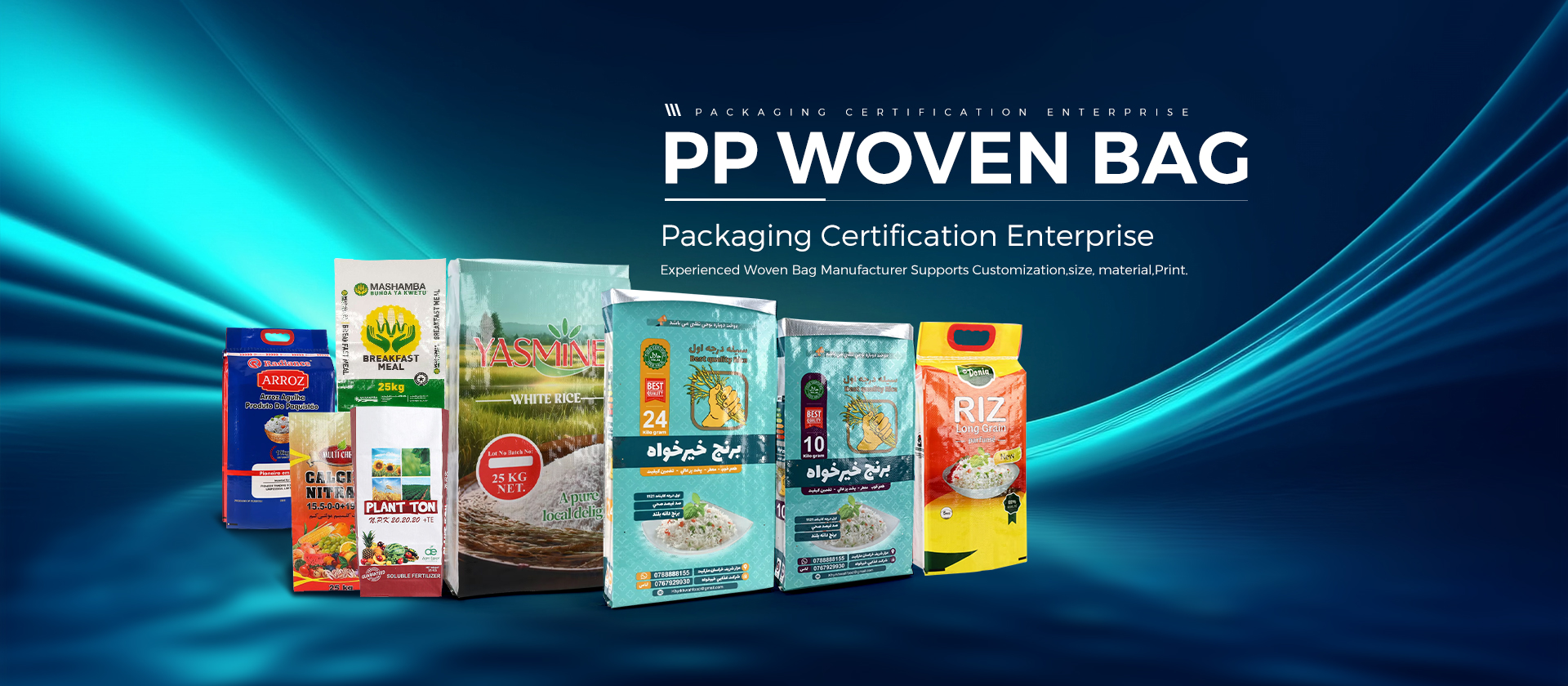
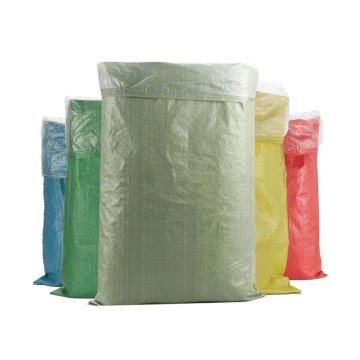
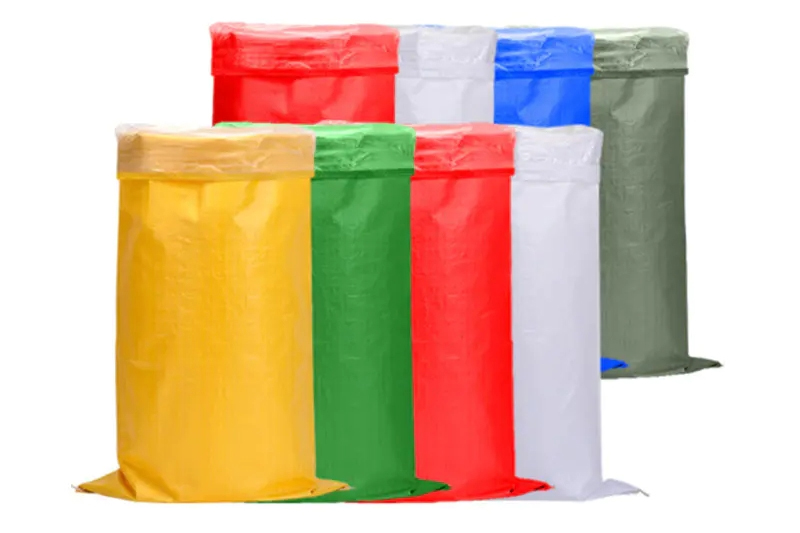
Brazil, as Latin America's largest economy and a global agricultural powerhouse, has witnessed significant growth in the recyclable woven bag industry over the past decade. The country's position as one of the world's leading exporters of soybeans, coffee, sugar, and other agricultural commodities has created substantial demand for durable, cost-effective, and environmentally responsible packaging solutions. Recyclable woven bags, particularly those made from polypropylene (PP), have emerged as the preferred choice for Brazilian industries ranging from agriculture to construction, mining, and retail.
The Brazilian Market Landscape for Recyclable Woven Bags
Brazil's packaging industry is valued at over $30 billion annually, with woven bags representing a significant and growing segment. The country's vast agricultural sector, which accounts for approximately 24% of GDP, drives much of this demand. Brazilian farmers and agribusinesses require millions of woven bags annually for packaging grains, seeds, fertilizers, and animal feed. The state of Mato Grosso alone, Brazil's largest soybean-producing region, consumes tens of millions of woven bags each harvest season.
The Brazilian government's increasing focus on sustainability and environmental protection has accelerated the shift toward recyclable packaging solutions. The National Solid Waste Policy (Política Nacional de Resíduos Sólidos - PNRS), implemented in 2010, established comprehensive guidelines for waste management and recycling, creating favorable conditions for recyclable woven bag manufacturers. Many Brazilian states have introduced additional regulations requiring minimum recycled content in packaging materials, further boosting demand for eco-friendly woven bag solutions.
Commercial and Industrial Applications in Brazil
Agricultural Sector: Brazil's agricultural industry remains the primary consumer of recyclable woven bags. The country produces over 120 million tons of soybeans annually, with each ton requiring multiple bags for storage and transportation. Coffee producers in Minas Gerais, Espírito Santo, and São Paulo use specialized woven bags that protect beans from moisture while allowing necessary air circulation. Sugar producers in the Northeast utilize heavy-duty woven bags capable of withstanding the weight and moisture content of raw sugar during transport to refineries.
Construction Industry: Brazil's construction sector, particularly in growing urban centers like São Paulo, Rio de Janeiro, and Brasília, consumes large quantities of woven bags for cement, sand, and construction aggregates. The durability and UV resistance of PP woven bags make them ideal for outdoor storage on construction sites, where materials may be exposed to Brazil's intense tropical sun and seasonal rains.
Mining and Industrial Applications: Brazil's position as a major producer of iron ore, bauxite, and other minerals creates demand for heavy-duty woven bags capable of handling dense materials. Mining operations in states like Minas Gerais and Pará require bags with exceptional tear resistance and load-bearing capacity. The chemical industry also uses woven bags for packaging fertilizers, plastic resins, and industrial additives.
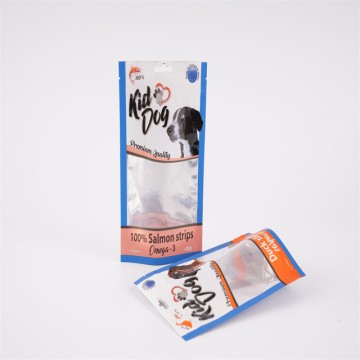
Retail and Consumer Goods: Brazilian retailers increasingly adopt recyclable woven bags as alternatives to single-use plastic bags. Major supermarket chains have introduced branded reusable woven bags, aligning with consumer preferences for sustainable products. The pet food industry, valued at over $5 billion in Brazil, extensively uses printed woven bags that combine product protection with attractive branding.
Industry Development Trends and Future Outlook
Sustainability and Circular Economy: The Brazilian woven bag industry is experiencing a paradigm shift toward circular economy principles. Leading manufacturers now incorporate post-consumer recycled PP into new bag production, with some facilities achieving recycled content levels exceeding 70%. Companies are establishing collection and recycling networks in partnership with agricultural cooperatives, ensuring used bags return to the production cycle rather than ending up in landfills.
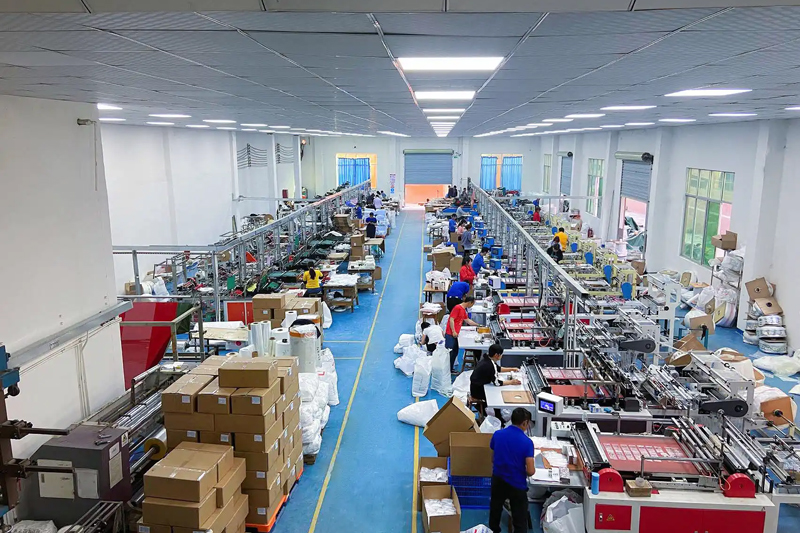
Technological Innovation: Brazilian woven bag manufacturers are investing in advanced production technologies to improve product quality and reduce environmental impact. State-of-the-art circular looms with computerized controls enable production of bags with precise dimensions and consistent quality. UV stabilization technologies extend bag lifespan in Brazil's intense sunlight, while advanced printing systems allow for high-resolution graphics that enhance brand visibility.
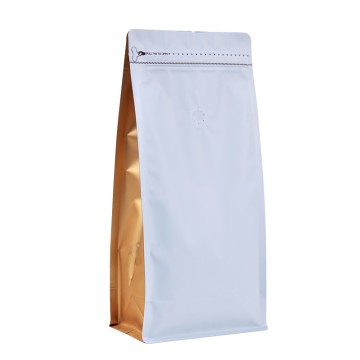
Customization and Value-Added Services: The market is moving toward highly customized solutions tailored to specific industry needs. Coffee exporters require bags with one-way degassing valves, while chemical manufacturers need UN-certified bags meeting international dangerous goods regulations. Manufacturers offering design consultation, rapid prototyping, and small-batch production gain competitive advantages in this evolving market.
Export Opportunities: Brazilian woven bag manufacturers increasingly target export markets throughout South America, Africa, and beyond. The country's competitive manufacturing costs, combined with improving product quality, position Brazilian suppliers favorably against Asian competitors. Free trade agreements within Mercosur facilitate exports to Argentina, Paraguay, and Uruguay, while growing demand in African agricultural markets presents new opportunities.
Localized Applications and Regional Considerations
Amazon Region: In states like Amazonas and Pará, woven bags serve unique purposes related to forest products, including packaging for Brazil nuts, açaí, and sustainably harvested timber products. Bags used in these regions require special moisture resistance due to the high humidity of the rainforest environment.
Northeast Brazil: The semi-arid Northeast relies heavily on woven bags for packaging cotton, cashews, and other regional crops. The region's expanding aquaculture industry uses specialized bags for fish feed and shrimp farming supplies. Manufacturers serving this market must account for extreme temperature variations and intense solar radiation.
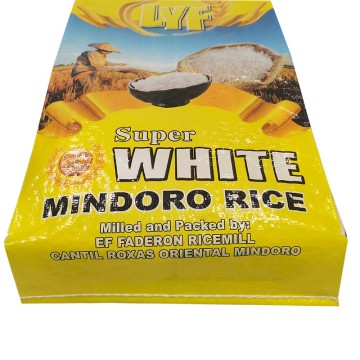
Southern States: Rio Grande do Sul, Santa Catarina, and Paraná, with their temperate climates and diverse agricultural production, require woven bags for wheat, rice, tobacco, and poultry feed. The region's strong cooperative movement creates opportunities for suppliers offering volume discounts and consistent quality to agricultural cooperatives.
Central-West Region: As Brazil's agricultural frontier, states like Mato Grosso and Goiás consume enormous quantities of woven bags during harvest seasons. The logistics challenges of this vast region create demand for bags that withstand long-distance transport over rough roads and multiple handling stages.
Environmental Impact and Sustainability Initiatives
The Brazilian woven bag industry actively addresses environmental concerns through multiple initiatives. Many manufacturers participate in reverse logistics programs, collecting used bags from farms and processing facilities for recycling. These programs not only reduce environmental impact but also create cost savings by providing recycled feedstock for new production.
Life cycle assessments demonstrate that recyclable PP woven bags have significantly lower environmental footprints compared to alternatives. A typical woven bag can be reused 5-10 times before recycling, and the recycled material can be reprocessed multiple times without significant quality degradation. This durability and recyclability align with Brazil's national sustainability goals and international commitments to reduce plastic waste.
Some Brazilian manufacturers have achieved carbon-neutral production through renewable energy use and carbon offset programs. Solar panels increasingly power production facilities, particularly in Brazil's sunny Northeast and Central-West regions. These sustainability credentials enhance market positioning, particularly for export customers with stringent environmental requirements.
Quality Standards and Certifications
Brazilian woven bag manufacturers must comply with various quality standards and certifications. The Brazilian Association of Technical Standards (ABNT) establishes specifications for bag dimensions, load capacity, and material properties. Food-grade bags require certification demonstrating compliance with ANVISA (Brazilian Health Regulatory Agency) regulations for materials contacting food products.
Export-oriented manufacturers obtain international certifications including ISO 9001 for quality management, ISO 14001 for environmental management, and specific product certifications like BRC for food packaging. These certifications ensure Brazilian products meet global standards and facilitate market access in quality-conscious markets.
Challenges and Opportunities
The Brazilian woven bag industry faces several challenges, including raw material price volatility, infrastructure limitations in remote regions, and competition from imported products. However, these challenges create opportunities for innovative companies. Manufacturers investing in vertical integration, controlling PP resin production alongside bag manufacturing, can better manage cost fluctuations.
The growing emphasis on traceability and supply chain transparency presents opportunities for Brazilian suppliers offering blockchain-based tracking systems and detailed sustainability reporting. As global brands face increasing pressure to demonstrate environmental responsibility, partnering with certified sustainable Brazilian suppliers becomes strategically valuable.