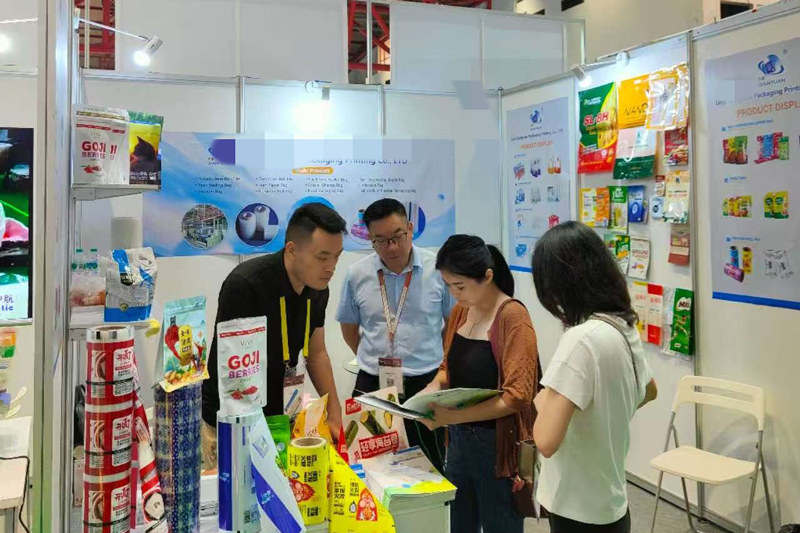
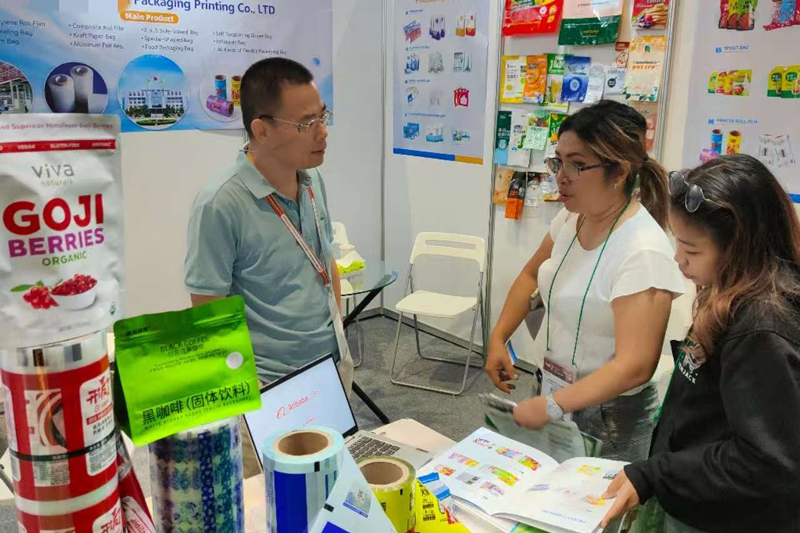
Welcome to our company

Leave Your Message
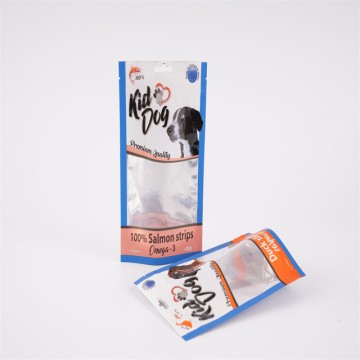
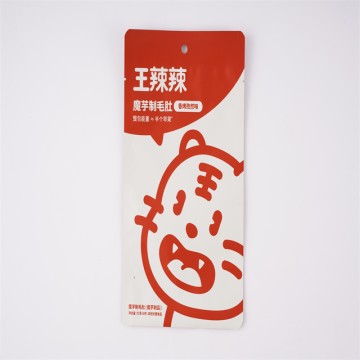
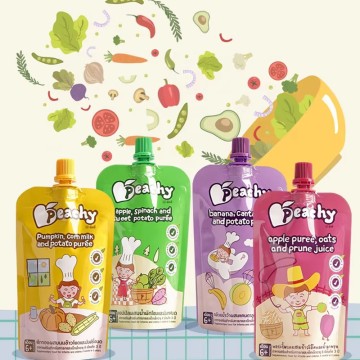
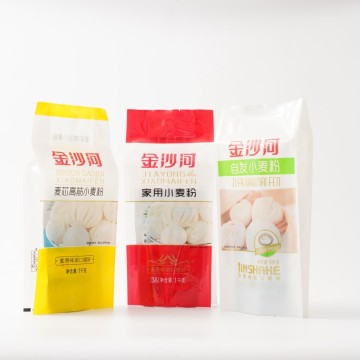
The global pet food packaging market has experienced unprecedented growth over the past decade, driven by increasing pet ownership, premiumization trends, and heightened awareness of pet nutrition and health. Printed food pouches have emerged as the packaging solution of choice for professional pet food manufacturers, offering an optimal combination of functionality, sustainability, and brand appeal. As the pet food industry continues to evolve, printed flexible pouches represent the intersection of innovation, convenience, and consumer demand.
Modern pet owners view their pets as family members, leading to elevated expectations for pet food quality and packaging. This shift has transformed printed food pouches from simple containers into sophisticated marketing tools that communicate brand values, product benefits, and quality assurance. The professional pet food packaging sector now demands solutions that not only preserve product freshness but also enhance shelf appeal, provide convenience features, and demonstrate environmental responsibility.
The professional pet food packaging market is currently valued at over $9 billion globally, with printed flexible pouches accounting for approximately 35% of this market share. This dominance is driven by several key factors that make printed food pouches the preferred choice for both manufacturers and consumers. The versatility of pouch packaging allows for multiple formats including stand-up pouches, flat pouches, spouted pouches, and resealable options, each serving specific product requirements and consumer preferences.
Leading pet food brands have increasingly adopted printed food pouches for their premium product lines, recognizing the packaging format's ability to convey quality and innovation. The high-quality printing capabilities available today enable brands to create visually stunning packaging that stands out on crowded retail shelves. Advanced printing technologies such as rotogravure and digital printing allow for intricate designs, vibrant colors, and photographic-quality images that effectively communicate product attributes and brand identity.
The commercial pet food sector has witnessed a significant shift toward smaller package sizes and single-serve formats, trends that printed food pouches are uniquely positioned to serve. These packaging solutions offer excellent portion control, reduced waste, and enhanced convenience for pet owners with busy lifestyles. Additionally, the lightweight nature of pouches compared to traditional rigid packaging reduces transportation costs and carbon footprint, aligning with corporate sustainability goals.
Market research indicates that 68% of pet owners consider packaging design and functionality as important factors in their purchasing decisions, with printed food pouches scoring highest in consumer preference studies for convenience, freshness preservation, and visual appeal.
The printed food pouch industry for pet food packaging is experiencing rapid technological advancement across multiple dimensions. Material science innovations have produced high-barrier films that provide superior protection against oxygen, moisture, and light exposure—critical factors in maintaining pet food freshness and nutritional integrity. Multi-layer laminate structures combining materials such as PET, aluminum foil, and polyethylene create pouches with exceptional barrier properties while maintaining flexibility and printability.
Printing technology evolution has revolutionized the aesthetic possibilities for pet food pouches. Modern rotogravure printing achieves photographic quality reproduction with up to 10-color capability, enabling brands to create packaging that tells compelling visual stories. Digital printing technologies are gaining traction for shorter production runs and personalized packaging options, allowing manufacturers to test market responses or create limited edition products without significant setup costs.
Smart packaging integration represents the cutting edge of printed food pouch innovation. QR codes, NFC tags, and augmented reality features embedded in pouch designs enable interactive consumer experiences, providing access to product information, feeding guidelines, ingredient sourcing details, and brand storytelling content. Some manufacturers are incorporating freshness indicators and time-temperature indicators that provide visual confirmation of product quality throughout the supply chain.
Sustainability innovations are reshaping the printed food pouch landscape. Recyclable mono-material structures, biodegradable films, and compostable options are being developed and commercialized in response to consumer demand for environmentally responsible packaging. Post-consumer recycled (PCR) content integration and reduced material thickness without compromising performance demonstrate the industry's commitment to environmental stewardship while maintaining packaging functionality.
Advanced multi-layer structures provide exceptional protection against oxygen, moisture, and UV light, ensuring optimal product freshness and extended shelf life for pet food products.
State-of-the-art printing technologies enable vibrant, photographic-quality graphics that enhance brand recognition and drive consumer purchase decisions at point of sale.
Lightweight materials reduce transportation emissions, while recyclable and biodegradable options address growing consumer demand for environmentally responsible packaging.
Reduced material usage, lower transportation costs, and efficient production processes deliver significant cost advantages compared to rigid packaging alternatives.
Resealable zippers, tear notches, and easy-open features enhance user experience while maintaining product freshness after opening, addressing key consumer pain points.
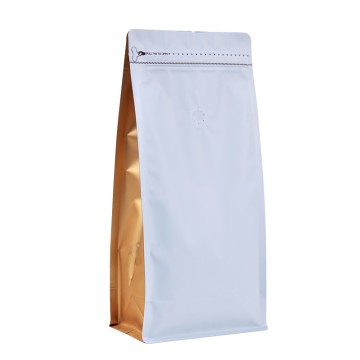
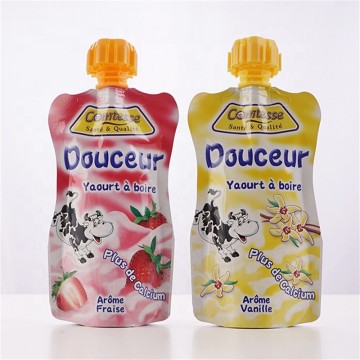
Multiple pouch configurations including stand-up, flat, spouted, and gusseted options accommodate diverse product types and portion sizes across the pet food spectrum.
The premium dry pet food segment represents the largest application area for printed food pouches. High-barrier pouches with aluminum foil layers protect kibble from oxidation and moisture absorption, preserving nutritional value and palatability. Stand-up pouches with resealable zippers have become the standard format, offering consumers convenience while maintaining product freshness. The large printable surface area allows brands to communicate premium positioning through sophisticated design elements, ingredient callouts, and brand storytelling.
Manufacturers of premium dry pet food increasingly utilize printed pouches for differentiated product lines including grain-free formulations, limited ingredient diets, and breed-specific products. The packaging flexibility enables clear product differentiation through color coding, imagery, and messaging while maintaining brand consistency across product portfolios.


Wet pet food and treat applications demand specialized pouch constructions with enhanced barrier properties and seal integrity. Retort-compatible pouches enable heat sterilization processes, eliminating the need for preservatives while ensuring product safety and extended ambient shelf life. These pouches typically incorporate multiple layers including nylon for puncture resistance and aluminum foil for complete light and oxygen barrier.
Single-serve wet food pouches have revolutionized the pet food market by offering portion control, convenience, and reduced waste. The format is particularly popular for cat food, where freshness and palatability are paramount. Printed designs on these pouches emphasize appetite appeal through high-quality food photography and clear flavor identification, driving impulse purchases and brand loyalty.
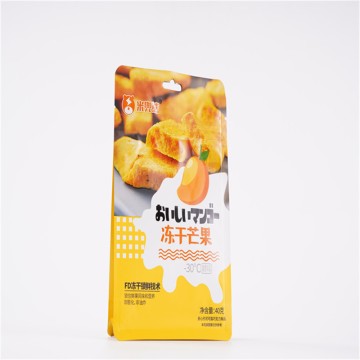
The rapidly growing freeze-dried and dehydrated pet food category relies heavily on printed food pouches for product protection and presentation. These products are particularly sensitive to moisture and oxygen, requiring pouches with exceptional barrier properties. Manufacturers typically employ high-barrier metallized films or foil laminates to ensure product stability and extended shelf life without refrigeration.
The premium pricing of freeze-dried and dehydrated pet foods necessitates packaging that communicates quality and innovation. Printed pouches for these applications often feature matte finishes, metallic accents, and minimalist design aesthetics that appeal to health-conscious pet owners seeking natural, minimally processed food options. Clear windows or transparent areas allow consumers to view product texture and quality, building trust and purchase confidence.
Printed food pouches serve the diverse pet treat and supplement market with solutions ranging from small format pouches for training treats to larger formats for bulk chews and dental products. The packaging must balance barrier protection with convenience features such as resealable closures that maintain product freshness across multiple use occasions.
Functional pet supplements including probiotics, vitamins, and joint health products require packaging that protects sensitive active ingredients from environmental degradation. Specialized pouch constructions with desiccant integration and light-blocking properties ensure product efficacy throughout shelf life. Printed graphics emphasize health benefits, ingredient quality, and scientific credibility to support premium pricing and differentiation in a crowded marketplace.
The private label pet food segment has embraced printed food pouches as a cost-effective means of competing with national brands on quality perception and shelf presence. Contract manufacturers leverage flexible pouch packaging to serve multiple retail clients with customized branding while maintaining production efficiency through standardized pouch formats and sizes.
Digital printing technologies are particularly valuable in private label applications, enabling short production runs with unique designs for regional retailers or test market products. This flexibility reduces inventory risk and allows rapid response to market trends and consumer preferences without significant capital investment in printing plates or cylinders.
The printed food pouch industry is undergoing a fundamental transformation driven by sustainability imperatives. Manufacturers are investing heavily in developing recyclable mono-material structures that maintain performance characteristics while enabling participation in existing recycling infrastructure. Polyethylene-based pouches with printed surfaces using recyclable inks represent one promising direction, though challenges remain in achieving the barrier properties required for pet food applications.
Biodegradable and compostable pouch options are advancing from niche applications to mainstream viability. Materials derived from renewable resources such as cellulose, PLA (polylactic acid), and PHA (polyhydroxyalkanoates) are being engineered to provide adequate barrier properties and printability for pet food packaging. However, cost considerations and performance limitations currently restrict widespread adoption to premium product segments where consumers demonstrate willingness to pay sustainability premiums.
Extended producer responsibility (EPR) programs and packaging regulations in major markets are accelerating innovation in recyclable printed pouches. Manufacturers are collaborating with recycling infrastructure providers and material suppliers to develop solutions that meet regulatory requirements while maintaining product protection and brand communication capabilities. Chemical recycling technologies offer potential pathways for recovering value from multi-material pouches that cannot be mechanically recycled.
The convergence of packaging and digital technology is creating new opportunities for printed food pouches in professional pet food applications. Near-field communication (NFC) tags and QR codes printed directly on pouches enable brands to deliver dynamic content including feeding recommendations, ingredient sourcing information, batch traceability, and loyalty program integration. These technologies transform passive packaging into interactive brand touchpoints that deepen consumer relationships.
Intelligent packaging features such as freshness indicators and time-temperature indicators are moving from experimental to commercial deployment. These technologies provide visual confirmation of product quality and proper handling throughout the supply chain, addressing consumer concerns about food safety and nutritional integrity. Integration of these features into printed pouch designs requires careful consideration of cost implications and consumer understanding.
Augmented reality (AR) applications activated through smartphone cameras are enabling immersive brand experiences through printed pouch designs. Pet food manufacturers are experimenting with AR features that bring packaging to life with animated characters, educational content about ingredients and nutrition, and interactive games that enhance brand engagement. As AR technology becomes more accessible, these applications are expected to become standard features in premium pet food packaging.
Digital printing advancements are enabling unprecedented levels of packaging personalization in the pet food industry. Variable data printing allows manufacturers to create unique pouch designs for specific retail channels, geographic markets, or even individual consumers. This capability supports micro-targeting marketing strategies and limited edition products that generate consumer excitement and social media engagement.
Subscription-based pet food delivery services are leveraging personalized printed pouches to strengthen customer relationships and enhance unboxing experiences. Custom printing with pet names, personalized feeding recommendations, and tailored messaging creates emotional connections that drive customer retention and lifetime value. As digital printing costs decline, personalization is expected to extend beyond premium segments to mainstream pet food products.
Ongoing research in barrier coating technologies is producing alternatives to aluminum foil that offer comparable performance with improved sustainability profiles. Transparent barrier coatings based on silicon oxide, aluminum oxide, and other inorganic materials enable clear pouches with high oxygen and moisture barriers, allowing consumers to view product while maintaining protection. These technologies are particularly relevant for premium pet food products where visual product inspection drives purchase confidence.
Nanotechnology applications in barrier films are creating opportunities for thinner, lighter pouches with enhanced protection characteristics. Nanocomposite materials incorporating clay nanoparticles or graphene derivatives demonstrate superior barrier properties at reduced material thickness, delivering both environmental and cost benefits. As these technologies mature and regulatory approvals are obtained, they are expected to transform printed food pouch performance capabilities.
Over 23 years of production experience


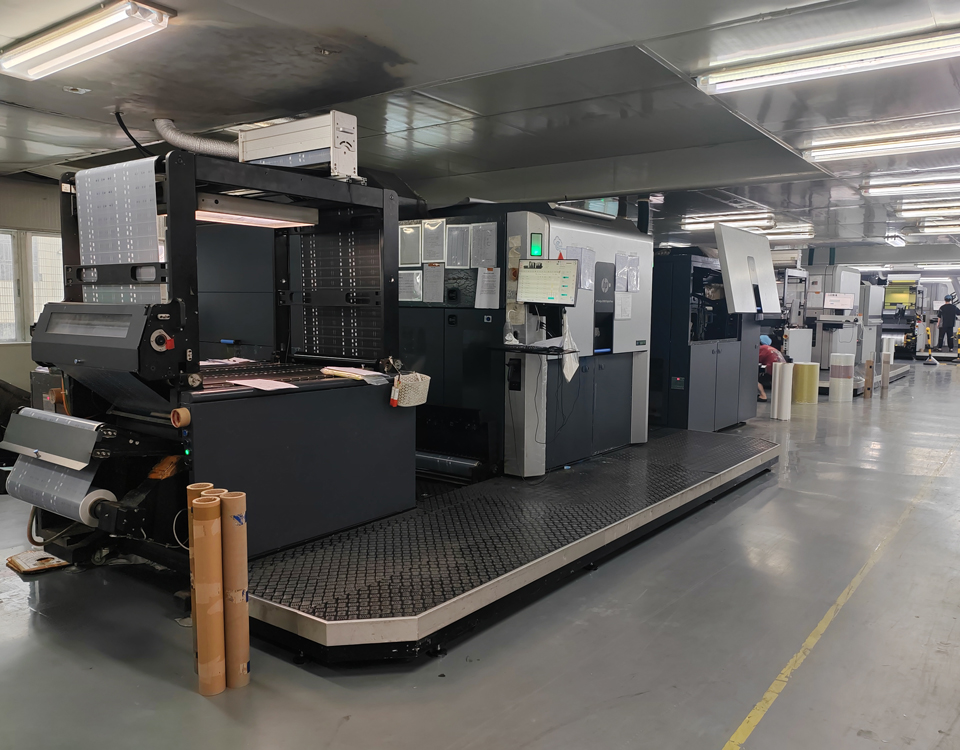

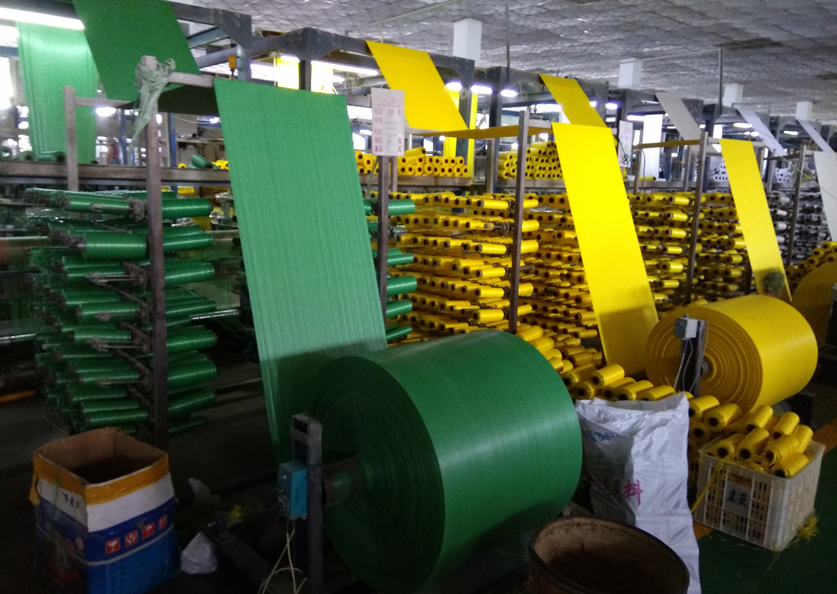
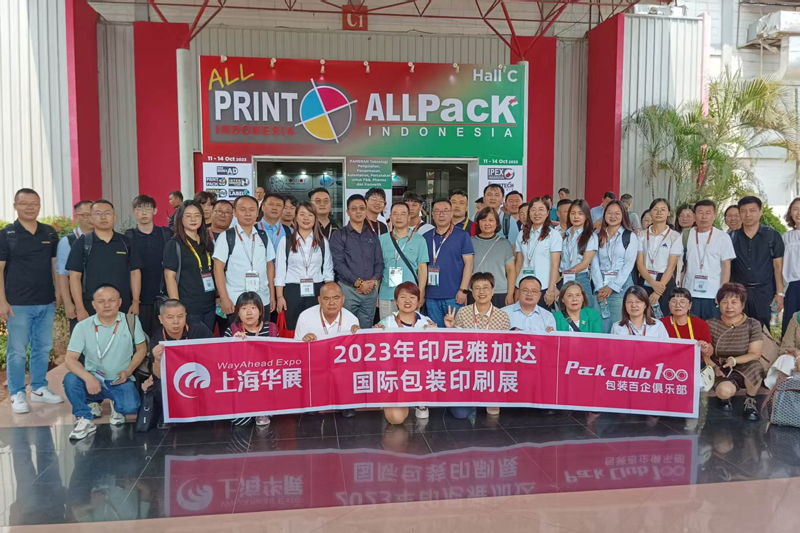
Since its establishment 23 years ago, relying on excellent product quality, comprehensive compliance guarantees, and efficient cross-border services, Jike Packaging Printing has established long-term cooperative relationships with customers in more than 50 countries and regions worldwide, serving clients including globally renowned food manufacturers, brand owners, and trading companies. In the future, we will continue to focus on changes in international market demand, using innovative technology and high-quality services as a link to become a trusted cross-border flexible packaging printing partner for global customers. Contact us today to discuss your printed food pouch requirements for professional pet food packaging.