Welcome to our company

Leave Your Message
Precision-engineered printed food pouches designed for durable agricultural product handling across global markets.
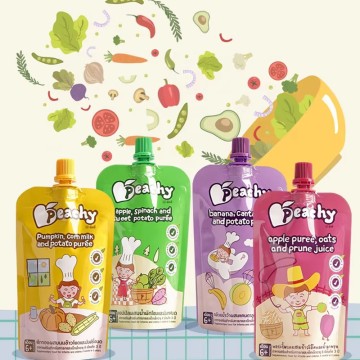
The global agricultural packaging industry is undergoing a profound transformation. As farm-to-table supply chains grow more complex, the need for printed food pouches engineered specifically for durable agricultural product handling has surged. From staple grains and dried legumes to fresh produce, processed herbs, and specialty crops, flexible packaging has become the backbone of modern agricultural logistics.
According to industry analysts, the global flexible food packaging market is projected to exceed USD 300 billion by 2030, with agricultural products representing one of the fastest-growing application segments. Key drivers include the expansion of e-commerce grocery channels, the rise of private-label agricultural brands, and tightening food safety regulations in major import markets such as the EU, North America, and Southeast Asia.
Agricultural products present unique packaging challenges. Unlike manufactured goods, raw and minimally processed agricultural commodities are subject to moisture migration, oxygen degradation, pest infiltration, and physical stress during long-distance transport. A packaging failure in the agricultural sector does not merely result in a returned shipment — it can mean entire harvests lost, brand reputation damage, and non-compliance with importing country standards.
Modern printed food pouches address these challenges through multi-layer laminate structures combining PET, BOPP, aluminum foil, PE, and CPP films. These constructions deliver:
Engineering excellence meets agricultural practicality — every layer engineered for performance.
PET/AL/PE laminate structures provide superior oxygen, moisture, and aroma barriers, critical for grains, coffee, and dried agricultural produce.
121℃–135℃ retort-grade pouches enable sterilization of processed agricultural foods without compromising seal or structure integrity.
Up to 10-color rotogravure printing supports vivid brand graphics, regulatory text in multiple languages, barcodes, and QR codes for traceability.
Press-to-close zippers and one-way degassing valves maintain product freshness post-opening — essential for coffee beans, herbs, and specialty grains.
From retail-sized 250g herb pouches to 5kg–25kg bulk grain sacks, our production line scales seamlessly across agricultural weight categories.
QS food safety, ISO9001, ISO14001, and ISO45001 certifications ensure every pouch meets the strictest importing country regulatory requirements.
The versatility of printed food pouches makes them indispensable across virtually every segment of the agricultural value chain. Below, we examine the most commercially significant application scenarios in depth.
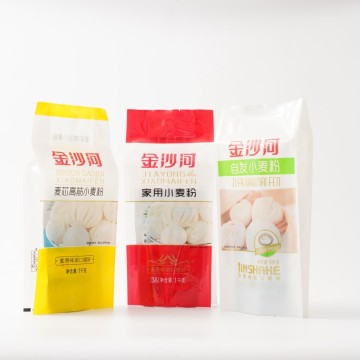
Rice bags represent one of the highest-volume applications for printed food pouches globally. In markets such as Southeast Asia, the Middle East, and West Africa, 1kg, 2kg, and 5kg heat-seal rice bags with ergonomic handles are the standard retail format. The flat-bottom pouch with four-side seal construction provides maximum shelf stability, allowing bags to stand upright on retail shelves while supporting the weight of dense grain content. Custom printing allows rice brands to differentiate through origin labeling, quality grading indicators, and cultural design elements that resonate with regional consumers.
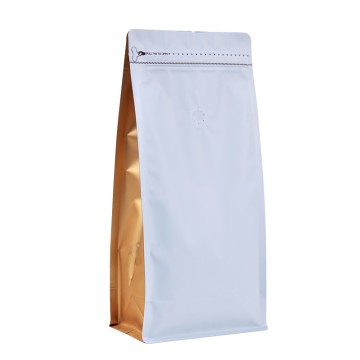
The global specialty coffee market demands packaging that preserves the complex aromatic compounds developed during roasting. Eight-side sealed coffee bean bags with one-way degassing valves and resealable zippers have become the gold standard for both B2B wholesale and D2C retail. The valve allows CO₂ to escape post-roast without admitting oxygen, while the multi-layer foil laminate blocks light and moisture. For agricultural exporters in Ethiopia, Colombia, Vietnam, and Indonesia, custom-printed coffee pouches are a primary vehicle for building international brand equity.
As the global processed food industry grows, agricultural processors increasingly require high-temperature retort pouches capable of withstanding 121℃–135℃ sterilization cycles. These pouches replace traditional metal cans for products such as pre-cooked beans, lentils, soups, sauces, and ready-to-eat grain dishes. The retort pouch format reduces packaging weight by up to 75% compared to cans, dramatically lowering shipping costs for agricultural exporters serving distant markets.
Spout pouches have revolutionized the packaging of liquid agricultural derivatives including fruit juices, vegetable purees, cooking oils, and fermented sauces. The custom-printed spout pouch format offers consumers convenience through its resealable spout while providing manufacturers with superior shelf space efficiency compared to rigid bottles. For agricultural cooperatives and SME processors in developing markets, spout pouches offer a low-capex entry into branded retail distribution.
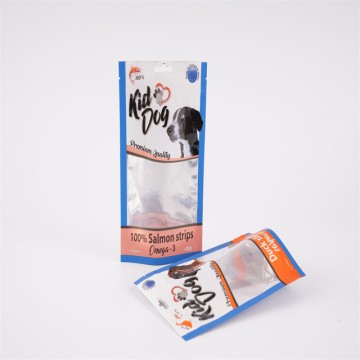
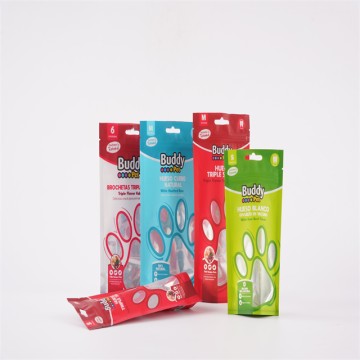
The global pet food market, valued at over USD 130 billion, relies heavily on agricultural byproducts including meat meals, fish derivatives, and grain-based kibble. Custom-printed stand-up zipper pouches for pet treats and wet food have become one of the fastest-growing segments in flexible packaging. The resealable format maintains freshness between servings, while premium printing elevates perceived product quality — a critical factor in the highly competitive pet food retail environment.
From field to shelf — printed food pouches serve every stage of the agricultural product journey.
Heat-seal flat-bottom pouches with handles for 1kg–25kg rice, wheat, and corn retail and wholesale packaging.
8-side sealed foil bags with one-way valves and zippers for premium coffee bean export and retail branding.
121℃–135℃ sterilization-grade pouches replacing cans for pre-cooked beans, soups, and grain dishes.
Spout pouches for juices, purees, cooking oils, and fermented agricultural liquid derivatives.
Resealable stand-up zipper pouches for premium pet treats, wet food, and agricultural byproduct-based feeds.
Barrier-enhanced pouches preserving aroma and shelf life for dried herbs, spices, and dehydrated agricultural products.
The future of printed food pouches in agricultural handling is defined by sustainability, intelligence, and global compliance.
Regulatory pressure in the EU (SUP Directive) and corporate ESG commitments are accelerating the shift toward mono-material PE structures, compostable films, and PCR (post-consumer recycled) content pouches. Agricultural exporters targeting European markets must increasingly demonstrate packaging recyclability as a condition of market access.
QR codes, NFC tags, and blockchain-linked serialization are being integrated into printed food pouches to enable farm-to-shelf traceability. For agricultural exporters, this provides a powerful tool to combat counterfeiting, demonstrate origin authenticity, and comply with food safety traceability mandates in markets including China (GB standards) and the USA (FSMA).
As agricultural processors invest in automated filling and sealing lines, packaging specifications are evolving to ensure machine compatibility. Consistent seal layer thickness, precise dimensional tolerances, and anti-static film formulations are now standard requirements for high-speed form-fill-seal (FFS) operations in grain and produce processing facilities.
Agricultural exporters serving multiple markets simultaneously require packaging that accommodates multi-language labeling, market-specific regulatory text (nutrition facts, allergen declarations, import certifications), and regional barcode standards — all within a single print run. Advanced rotogravure printing with variable data capabilities now makes this commercially viable at scale.
The printed food pouch market for agricultural products is characterized by a highly fragmented buyer landscape and an increasingly consolidated supplier base. On the demand side, key buyers include agricultural cooperatives, grain trading companies, food processors, private-label retailers, and e-commerce grocery platforms. On the supply side, China-based manufacturers have emerged as dominant global suppliers, leveraging advantages in raw material access, printing technology, and production scale.
China currently accounts for approximately 35–40% of global flexible packaging exports, with Shandong Province — home to Jike International Trade — being one of the most important production hubs. The province's proximity to major seaports (Qingdao, Tianjin) enables cost-efficient container shipping to Southeast Asia, the Middle East, Africa, and Europe, with typical lead times of 15–25 days for standard orders and 30–45 days for fully customized print runs.
For agricultural importers and distributors, sourcing printed food pouches directly from Chinese manufacturers offers cost savings of 30–60% compared to local production in most import markets, while modern quality management systems (ISO9001, HACCP, BRC) ensure product consistency that meets international retail standards.

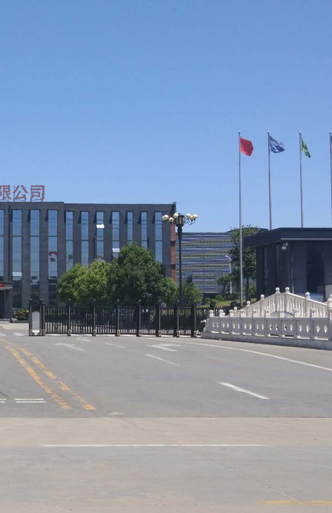
Shandong Jike International Trade Co., Ltd. is a state-owned professional food packaging and printing enterprise, established in 2003 and located in Shandong Province, eastern China. The company has obtained and passed ISO9001, ISO14001, and ISO45001 certifications, and all our products have passed QS food safety certification.
With over two decades of dedicated expertise in flexible packaging for agricultural and food products, Jike has built a global reputation for quality, compliance, and reliable delivery — serving 500+ clients across 70+ countries.
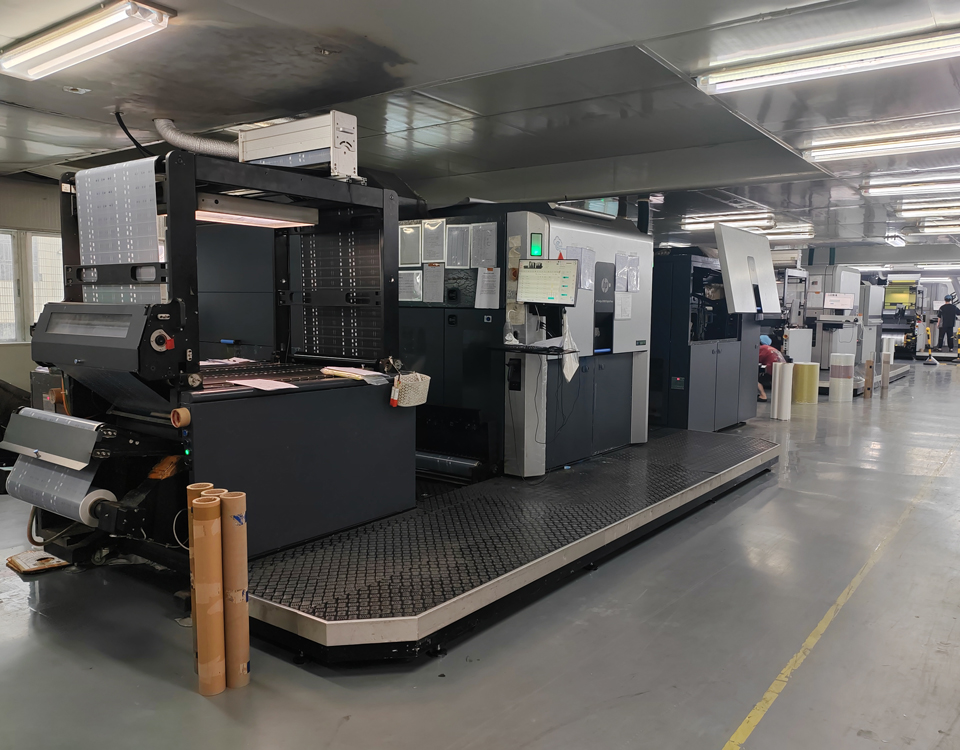
Welcome to learn about our company. The company's core export products cover the needs of multiple industries, mainly including food-grade flexible packaging, pet food packaging, polyethylene film, and woven packaging bags, which can accurately match the market standards of different regions such as North America, the European Union, Southeast Asia, and the Middle East.
We also support multi-language design and printing, barcode/QR code customization, material combination selection, and thickness selection to fully meet the needs of cross-border trade.
In terms of supply chain and service, the company has strong cross-border delivery capabilities. We have standardized production workshops and automated production lines, with flexible minimum order quantities for regular products. We undertake both small-batch customization and large-volume order production.
We have established a strict quality control system, tracing the entire process from raw material procurement and production processing to finished product inspection, ensuring that every batch of products meets the quality standards of the importing country. We are equipped with a professional cross-border logistics team to support various transportation methods such as full container shipping, LCL shipping, and air freight.
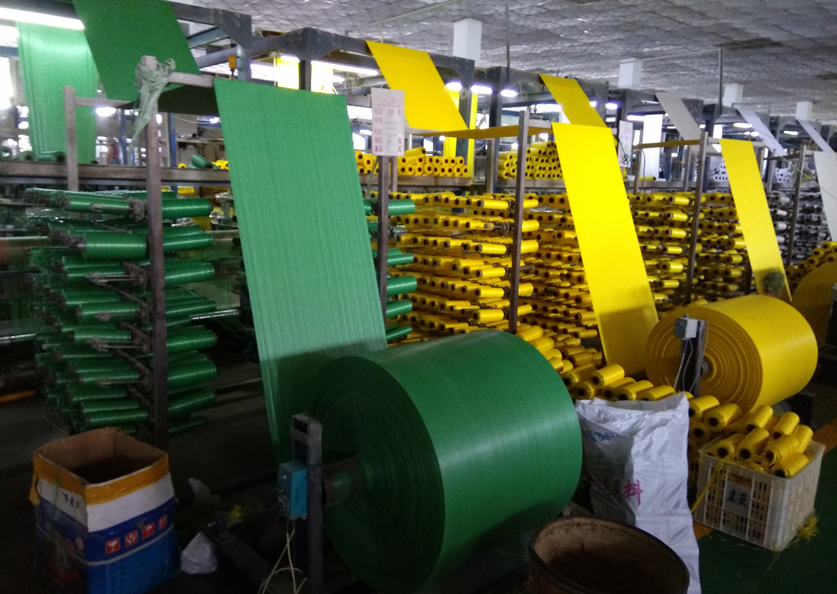
Since its establishment 23 years ago, relying on excellent product quality, comprehensive compliance guarantees, and efficient cross-border services, Jike Packaging Printing has established long-term cooperative relationships with customers in more than 50 countries and regions worldwide, serving clients including globally renowned food manufacturers, brand owners, and trading companies. In the future, we will continue to focus on changes in international market demand, using innovative technology and high-quality services as a link to become a trusted cross-border flexible packaging printing partner for global customers.
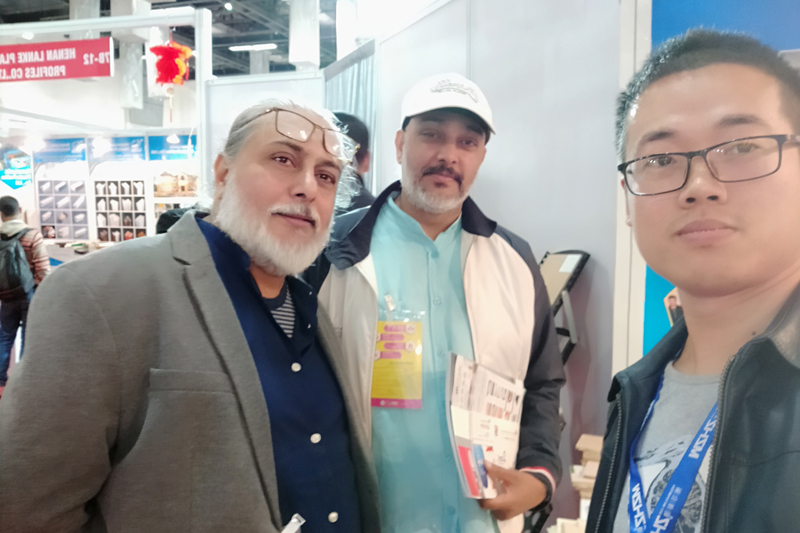
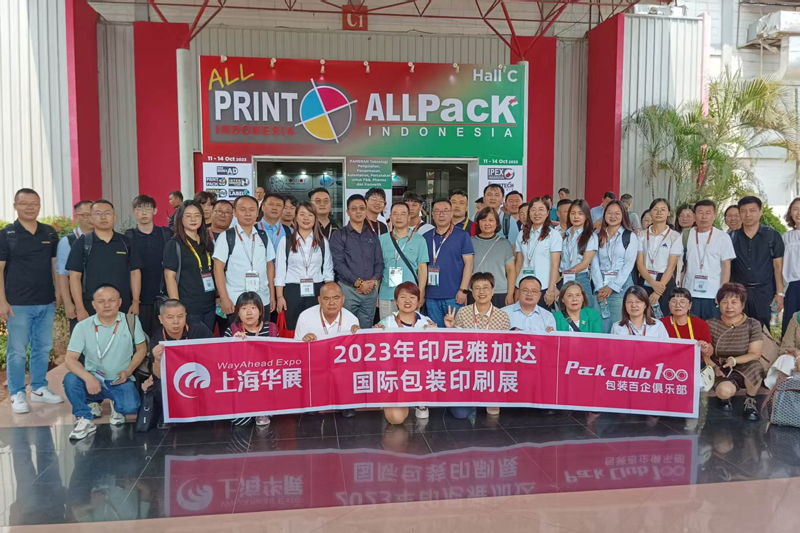
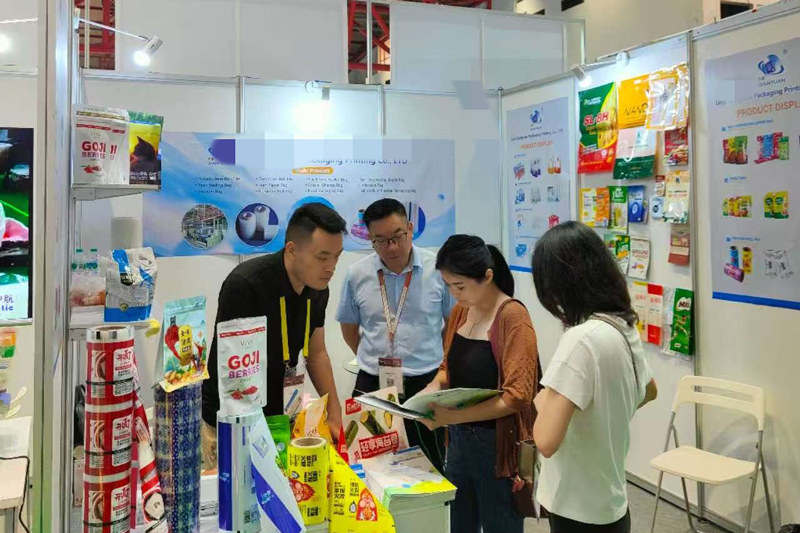
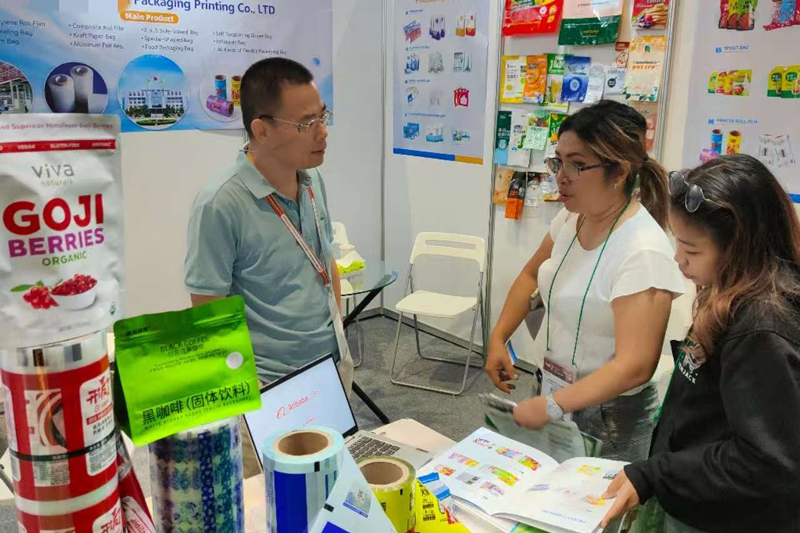
Contact UsShowcasing our agricultural packaging innovations at leading global trade exhibitions.




Explore our full range of printed food pouches engineered for durable agricultural product handling worldwide.