Welcome to our company

Leave Your Message
The global logistics and material handling industry has witnessed a remarkable transformation over the past two decades, with PP (polypropylene) woven sacks emerging as the cornerstone of heavy-duty bulk material transport. These versatile packaging solutions have revolutionized how industries handle, store, and transport bulk materials ranging from agricultural products to construction materials, chemicals, and industrial raw materials.
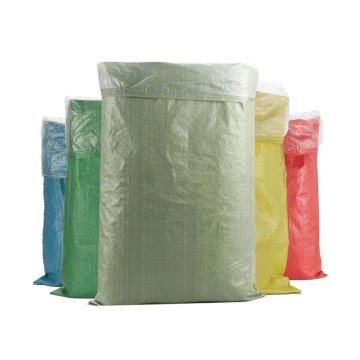
PP woven sacks represent a perfect synergy of durability, cost-effectiveness, and environmental sustainability. Manufactured from polypropylene polymer threads that are woven together to create a strong, flexible fabric, these sacks offer exceptional tensile strength and resistance to tearing, making them ideal for transporting heavy loads weighing anywhere from 25kg to 100kg or more.
The global PP woven sack market has experienced exponential growth, currently valued at over $8 billion and projected to reach $12 billion by 2028. This growth is driven by several key factors including the expansion of agricultural exports, increased construction activities worldwide, and the growing demand for sustainable packaging alternatives to traditional materials.
In the agricultural sector alone, PP woven sacks account for approximately 65% of all bulk packaging used for grains, seeds, fertilizers, and animal feed. The construction industry has similarly embraced these sacks for transporting cement, sand, aggregates, and other building materials, appreciating their ability to withstand rough handling and adverse weather conditions during transport and storage.
The surge in demand for PP woven sacks is propelled by urbanization trends, particularly in developing economies where infrastructure development is accelerating. The Asia-Pacific region dominates the market, accounting for over 45% of global consumption, followed by North America and Europe. Countries like India, China, Vietnam, and Thailand have emerged as major manufacturing hubs, leveraging advanced production technologies and competitive labor costs.
Modern PP woven sack manufacturing has evolved significantly from traditional weaving techniques. Today's production facilities employ state-of-the-art circular loom technology, automated cutting and sewing machines, and precision printing systems that ensure consistent quality and high production efficiency. The integration of Industry 4.0 technologies, including IoT sensors and AI-driven quality control systems, has further enhanced manufacturing precision and reduced defect rates to below 0.5%.
Innovation in raw material formulation has led to the development of high-tenacity polypropylene yarns that offer superior strength-to-weight ratios. These advanced materials enable manufacturers to produce lighter sacks without compromising load-bearing capacity, resulting in reduced transportation costs and lower carbon footprints. Additionally, UV stabilization treatments and anti-static additives have extended the outdoor lifespan of these sacks to over 12 months, even in harsh environmental conditions.
Exceptional load-bearing capacity up to 100kg with reinforced stitching and multi-layered construction
UV-stabilized materials ensure durability in outdoor storage conditions for extended periods
Optimal balance of performance and affordability, reducing overall packaging costs by up to 30%
The versatility of PP woven sacks extends across numerous industrial applications, each with specific requirements and performance criteria:
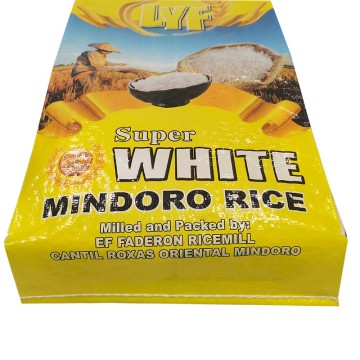
In agriculture, PP woven sacks serve as the primary packaging solution for grains including rice, wheat, corn, and barley. The breathable nature of the woven fabric prevents moisture accumulation, reducing the risk of mold and spoilage during storage and transit. Food-grade laminated variants with inner PE liners provide additional protection against contamination and pest infestation, meeting stringent international food safety standards such as FDA and EU regulations.
The global grain trade, which exceeds 400 million metric tons annually, relies heavily on PP woven sacks. Major exporters like the United States, Brazil, and Australia have standardized their bulk grain packaging around these sacks, facilitating efficient container loading and maximizing shipping capacity. A standard 20-foot container can accommodate approximately 20-25 tons of grain packed in 50kg PP woven sacks, optimizing logistics costs.
The construction industry represents one of the largest consumers of heavy-duty PP woven sacks. Cement manufacturers worldwide have transitioned from traditional paper bags to PP woven sacks due to their superior moisture resistance and handling durability. A typical 50kg cement sack must withstand multiple handling stages including automated palletizing, forklift transport, and manual loading, all while maintaining structural integrity.
Recent innovations include the development of breathable cement sacks that allow residual heat from freshly milled cement to dissipate, preventing condensation-related quality issues. These specialized sacks incorporate micro-perforations in the lamination layer, balancing moisture protection with heat dissipation requirements.
Chemical manufacturers require PP woven sacks with enhanced chemical resistance and specialized liner materials. Fertilizers, particularly hygroscopic varieties like urea and ammonium nitrate, demand sacks with superior moisture barrier properties. Multi-layer laminated sacks with BOPP (Biaxially Oriented Polypropylene) films provide excellent protection against humidity while maintaining printability for branding and safety information.
The global fertilizer market, consuming over 200 million tons annually, has increasingly adopted valve-type PP woven sacks that enable automated filling processes. These sacks feature self-sealing valve closures that eliminate the need for additional stitching after filling, reducing packaging time by up to 40% compared to traditional open-mouth sacks.
An emerging application for heavy-duty PP woven sacks is in the recycling and waste management sector. These sacks are used for collecting and transporting recyclable materials including plastics, paper, and metal scraps. Their reusability and ease of cleaning make them ideal for circular economy applications, with some industrial users reporting sack lifecycles exceeding 50 use cycles.
Municipal waste management programs in Europe and North America have begun deploying color-coded PP woven sacks for segregated waste collection, improving recycling efficiency and reducing contamination rates. The sacks' visibility and durability in outdoor collection environments have proven superior to alternative materials.
The environmental profile of PP woven sacks has become increasingly important as industries worldwide prioritize sustainability. Modern PP woven sacks offer several environmental advantages over alternative packaging materials. Their production requires approximately 60% less energy compared to paper bags of equivalent strength, and they generate significantly lower CO2 emissions during manufacturing.
Recyclability is a critical feature of PP woven sacks. Post-consumer sacks can be collected, cleaned, and reprocessed into new polypropylene products or converted into alternative applications such as composite lumber and automotive components. Leading manufacturers have established take-back programs that achieve recycling rates exceeding 75% in some markets.
The development of bio-based polypropylene derived from renewable feedstocks represents the next frontier in sustainable PP woven sack production. Several manufacturers have begun piloting sacks containing up to 30% bio-based content, maintaining performance characteristics while reducing fossil fuel dependency. These innovations align with corporate sustainability goals and increasingly stringent environmental regulations.
The future of PP woven sacks in heavy-duty bulk material transport is shaped by several converging trends. Smart packaging integration, incorporating RFID tags and QR codes, is enabling enhanced supply chain visibility and traceability. These technologies facilitate real-time tracking of shipments, automated inventory management, and anti-counterfeiting measures, particularly valuable in pharmaceutical and premium agricultural product applications.
Customization capabilities are advancing rapidly, with digital printing technologies enabling short-run custom designs and variable data printing for batch-specific information. This flexibility supports brand differentiation and regulatory compliance in increasingly complex global markets.
The regulatory landscape is also evolving, with stricter standards for food contact materials and increased emphasis on extended producer responsibility. Manufacturers are investing in compliance infrastructure and certification processes to meet these requirements across different markets.
Modern PP woven sacks for heavy-duty applications must meet rigorous performance specifications. Tensile strength typically ranges from 15-25 kN/m in both warp and weft directions, ensuring the sack can withstand dynamic loads during handling. Drop test performance standards require sacks to survive repeated 1.2-meter drops when filled to capacity without tearing or seam failure.
UV resistance is measured by retention of tensile strength after 1000 hours of accelerated weathering exposure, with quality sacks maintaining at least 85% of original strength. For food applications, migration testing ensures that no harmful substances transfer from the packaging to the contents, complying with regulations such as FDA 21 CFR and EU Regulation 10/2011.
Comprehensive quality control throughout the manufacturing process ensures consistent performance. This includes raw material verification, in-line monitoring of fabric density and thickness, seam strength testing, and final product inspection. Leading manufacturers maintain ISO 9001 certified quality management systems and conduct regular third-party audits to validate compliance with international standards.
The global nature of bulk material trade requires PP woven sack manufacturers to navigate complex supply chain dynamics. Container optimization is critical, with sack dimensions designed to maximize loading efficiency. Standard pallet configurations and container stuffing patterns are carefully calculated to minimize void space and reduce per-unit transportation costs.
Regional preferences and regulatory requirements necessitate flexible manufacturing capabilities. For instance, North American markets typically prefer valve-type sacks for cement and chemicals, while Asian markets show stronger demand for open-mouth sacks with stitched closures. European markets increasingly require sacks with recycled content declarations and carbon footprint labeling.
Lead time management and inventory strategies vary significantly across industries. Agricultural applications experience pronounced seasonal demand patterns, requiring manufacturers to build inventory in advance of harvest seasons. Construction materials maintain relatively stable year-round demand but may experience regional fluctuations tied to weather patterns and construction cycles.
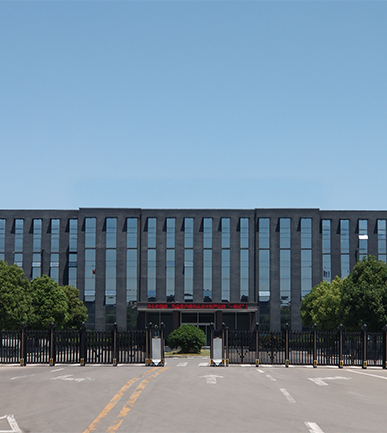
Over 23 years of production experience
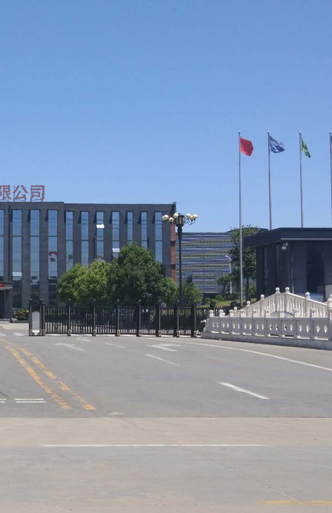

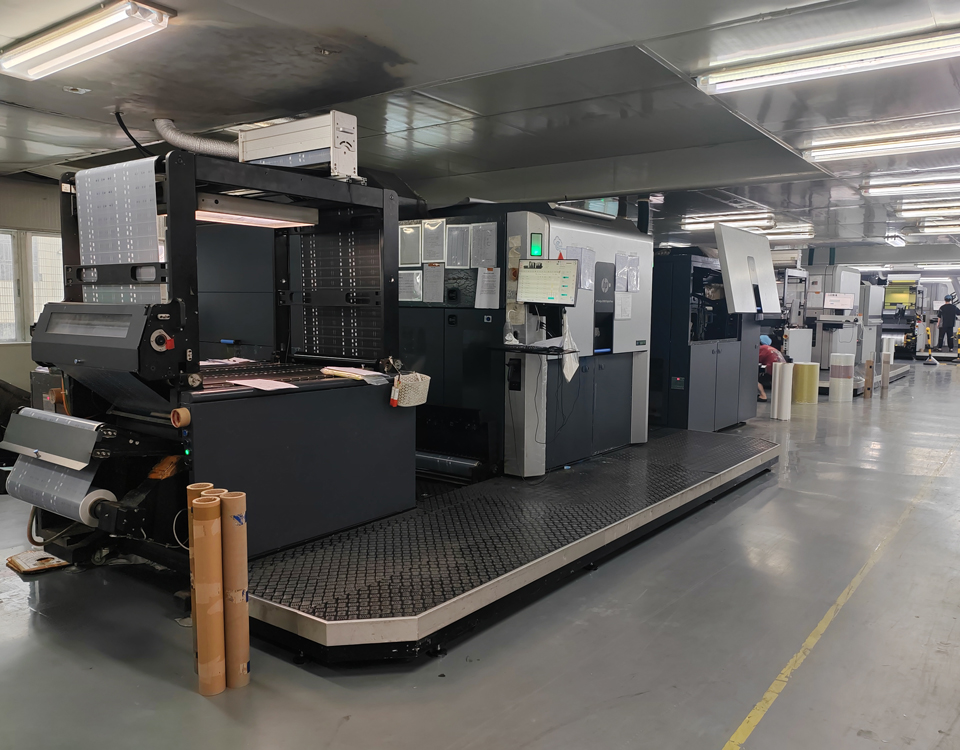

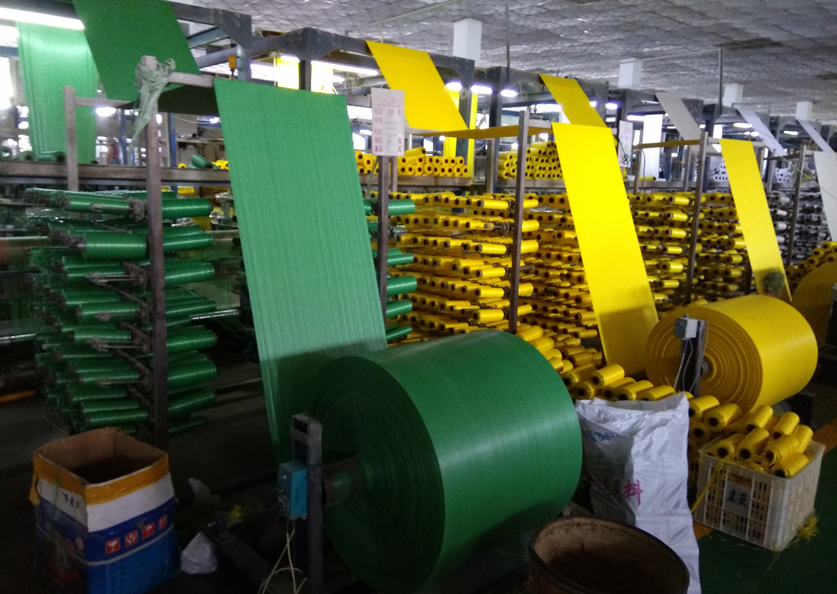
Since its establishment 23 years ago, relying on excellent product quality, comprehensive compliance guarantees, and efficient cross-border services, Jike Packaging Printing has established long-term cooperative relationships with customers in more than 50 countries and regions worldwide, serving clients including globally renowned food manufacturers, brand owners, and trading companies. Our PP woven sacks for heavy-duty bulk material transport have become the preferred choice for industries requiring reliable, cost-effective packaging solutions. In the future, we will continue to focus on changes in international market demand, using innovative technology and high-quality services as a link to become a trusted cross-border flexible packaging printing partner for global customers.