Welcome to our company

Leave Your Message
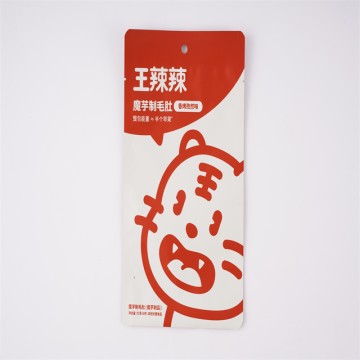
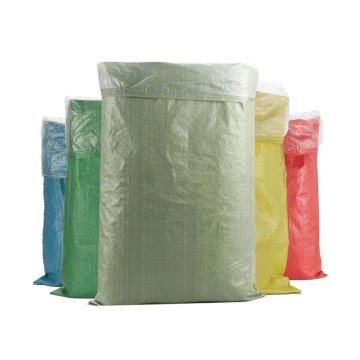
In today's globalized supply chain, food products travel thousands of miles before reaching the consumer's table. Maintaining the integrity, nutritional value, freshness, and flavor profile of dry food products during transit and storage is a primary concern for food producers, agricultural collectives, and packaging engineers. Exposure to moisture, oxygen, UV radiation, and pests can lead to rapid degradation, mold growth, and loss of flavor.
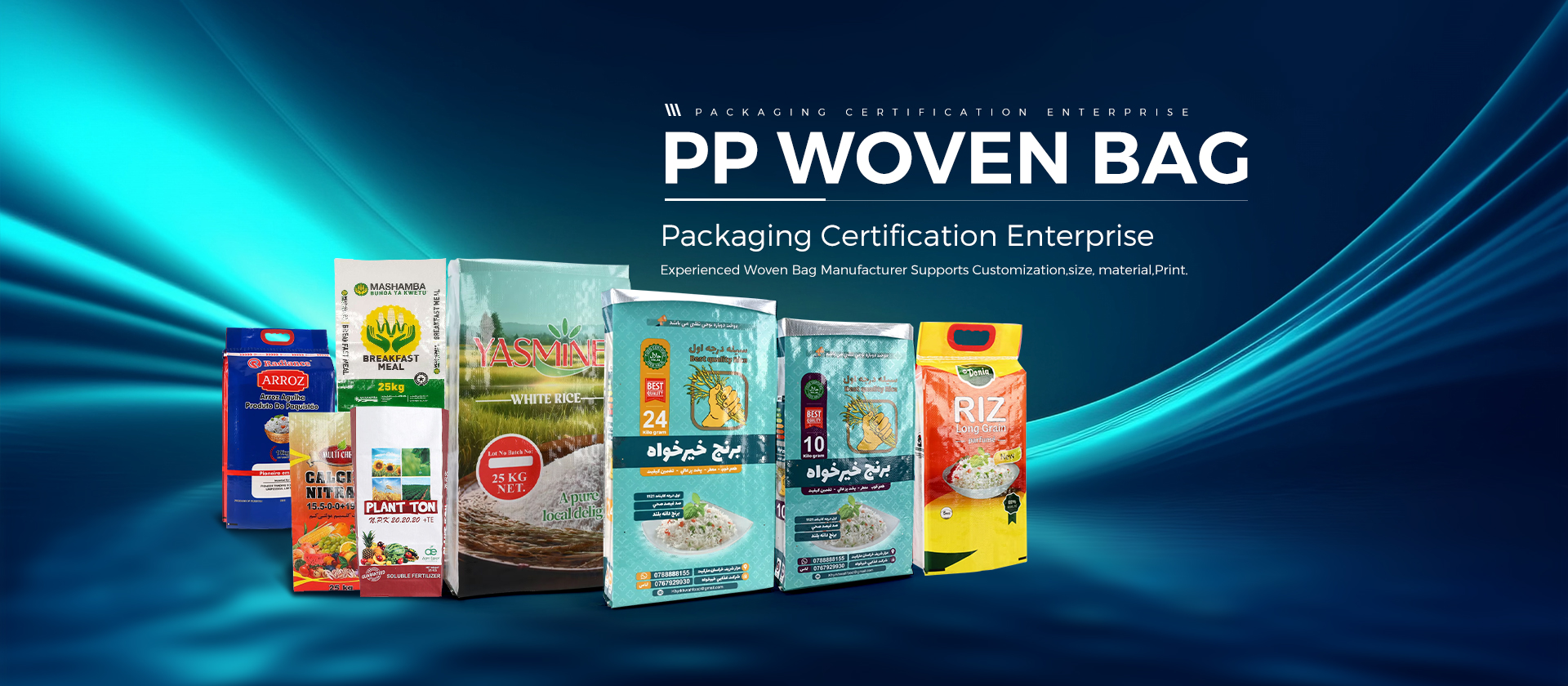
This is where the customized PP Woven Bag (Polypropylene Woven Bag) emerges as an industry-standard champion. Engineered with multi-layer laminations and advanced polymer barriers, these bags offer exceptional mechanical strength combined with high-performance barrier properties. They prevent external contaminants from entering while locking in the natural aroma and freshness of the food inside.
Advanced inner PE liners and BOPP laminations block moisture ingress and atmospheric oxygen, preventing mold and spoilage.
High tensile strength prevents tearing, punctures, and burst failures during high-stack warehousing and long-haul shipping.
100% recyclable polypropylene options align with global ESG regulations and support circular economy initiatives.
The global market for agricultural and food packaging is undergoing a massive transformation. Traditional jute and plain paper bags are rapidly being replaced by laminated polypropylene woven sacks. The reason is purely economic and functional: PP woven bags offer a significantly lower weight-to-payload ratio, superior moisture resistance, and excellent printability for brand promotion.
Industrial food processors, grain mills, and animal feed manufacturers require packaging that can withstand harsh handling while maintaining strict hygiene standards. Laminated PP woven bags, compliant with FDA and QS food safety standards, ensure that bulk goods like rice, flour, corn, sugar, and animal feed remain dry and uncontaminated. The integration of BOPP (Biaxially Oriented Polypropylene) film allows for photographic-quality printing, turning bulk packaging into a powerful marketing tool on retail shelves.
Grains are highly hygroscopic; they absorb moisture from the surrounding air. High humidity leads to the growth of mycotoxins like aflatoxin, rendering the crop dangerous for human consumption. PP woven bags, specifically those fitted with an inner liner or laminated with a protective film layer, act as a barrier against atmospheric humidity. This maintains the equilibrium moisture content (EMC) of the grain, preserving its starch structure, nutritional value, and natural flavor over months of storage.
Pet foods and livestock feeds are rich in oils, fats, and proteins, which are highly susceptible to oxidation. When fats oxidize, they become rancid, ruining the flavor and nutritional quality of the feed. Multi-layer laminated PP woven bags block oxygen transmission and protect the contents from UV light, which accelerates oxidation. The robust structure of the bag also prevents the oily contents from seeping through the packaging, maintaining clean handling throughout the distribution chain.
Fine food powders like sugar, flour, and starch require packaging that prevents caking and clumping. Standard woven bags have tiny gaps between the woven tapes, which could allow fine powders to leak out and moisture to seep in. By utilizing a laminated PP woven bag with a heat-sealed inner PE liner, manufacturers achieve a hermetic seal. This prevents product loss (sifting) and ensures that the powders remain free-flowing and ready for industrial processing or domestic use.
For agricultural seeds, viability is everything. Seeds must remain dormant and dry to prevent premature germination or fungal rot. Customized PP woven sacks with micro-perforations offer controlled breathability where required, or complete barrier protection when paired with desiccant packs. This technological versatility makes them indispensable for seed companies that distribute high-value hybrid seeds globally.
At Shandong Jike International Trade Co., Ltd., we continually invest in research and development to push the boundaries of packaging science. Key technical innovations include:
With environmental regulations tightening across Europe, North America, and Asia, packaging sustainability is no longer optional. Polypropylene is a highly recyclable thermoplastic. Modern PP woven bags are designed for circularity—they can be collected, shredded, pelletized, and reused to manufacture new industrial products. By reducing material thickness while maintaining tensile strength, we minimize plastic usage without compromising on package safety, helping our clients reduce their overall carbon footprint.
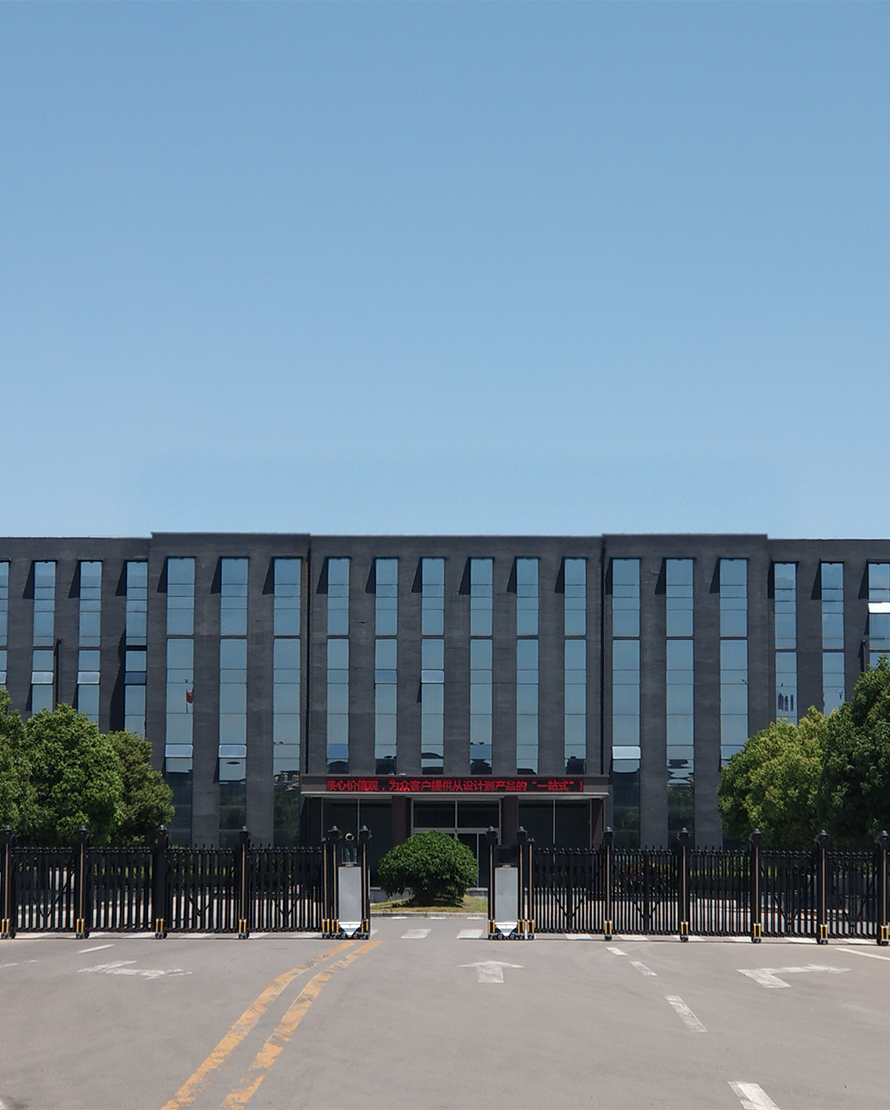
Shandong Jike International Trade Co., Ltd. is a state-owned professional food packaging and printing enterprise, established in 2003 and located in Shandong Province, eastern China. Over the past two decades, we have evolved into a leading one-stop provider of food packaging bags, pet food bags, and high-strength laminated PP woven bags.
Our facility operates under strict international quality controls, holding ISO9001, ISO14001, and ISO45001 certifications. All food-grade products carry the QS food safety certification, ensuring safe, direct contact with consumable goods. We support multi-language printing, barcode/QR code customization, and bespoke material formulations to meet the diverse demands of international trade.
We customize dimensions, material thickness, barrier layers, and print layouts to fit your specific food preservation needs.
From raw material extrusion to high-speed printing, lamination, and tensile testing, every batch undergoes strict quality control.
We handle both FCL and LCL shipments, offering complete customs clearance and door-to-door delivery worldwide.
Get in touch with our packaging engineers to design the perfect PP woven bag for your food preservation needs.
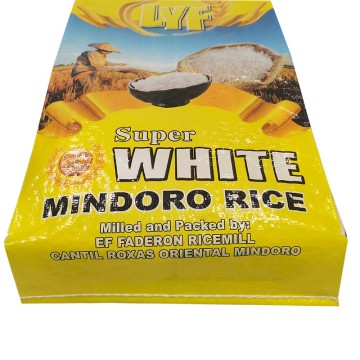
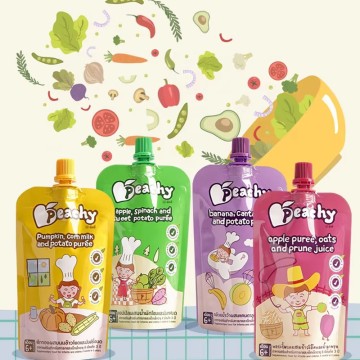
Discover how FIBCs and advanced PP woven bags are paving the way for highly sustainable, low-carbon industrial packaging solutions globally.
An in-depth look at how stand-up barrier pouches optimize shelf space, improve consumer convenience, and maximize brand visibility.
Explore the oncoming shifts in smart packaging, biodegradable polymers, and international regulations affecting food contact materials.