Localized Applications in Russian Market
Climate-Adapted Packaging Solutions
Russia's extreme climate conditions, ranging from Arctic cold to continental heat, demand specialized packaging solutions. Plastic puppy food bags manufactured for the Russian market must withstand temperature variations from -40°C in Siberian winters to +35°C in southern summers. Manufacturers utilize multi-layer barrier films with enhanced cold-crack resistance and thermal stability to ensure product integrity across all climate zones.
The packaging must also address moisture control challenges, particularly important in humid coastal regions and during seasonal transitions. Advanced moisture barrier technologies prevent condensation formation inside packages, which could compromise food quality and shelf life.
01
Retail Distribution Networks
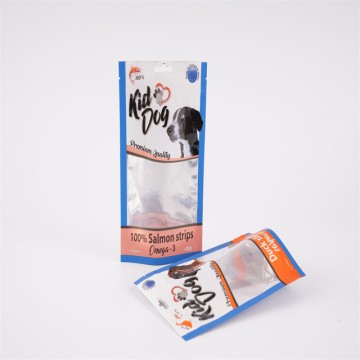
Russian retail chains such as Perekrestok, Magnit, and Lenta require packaging that facilitates efficient shelf display and inventory management. Stand-up pouches with bottom gussets are particularly popular for maximizing shelf space utilization in urban supermarkets.
02
E-commerce and Home Delivery
The rapid growth of online pet food sales in Russia (growing at 25% annually) requires durable packaging that can withstand logistics challenges including long-distance transportation and multiple handling points across vast territories.
03
Veterinary and Specialized Outlets
Veterinary clinics and specialized pet stores in Russia increasingly stock premium and therapeutic puppy foods requiring sophisticated packaging with detailed nutritional information and portion control features.
04
Agricultural and Rural Markets
Rural areas and agricultural regions require cost-effective bulk packaging solutions with extended shelf life capabilities, as distribution networks may be less frequent and storage conditions more variable.
Regulatory Compliance and Certification Requirements
Manufacturers and exporters of plastic puppy food bags to Russia must navigate a comprehensive regulatory framework. The Russian Federal Service for Surveillance on Consumer Rights Protection and Human Wellbeing (Rospotrebnadzor) oversees packaging materials that come into contact with food products, including pet food.
Key regulatory requirements include:
EAC Certification: Mandatory Eurasian Conformity marking for packaging materials sold in Russia and other EAEU member states, demonstrating compliance with technical regulations.
Sanitary-Epidemiological Conclusion: Required documentation confirming that packaging materials are safe for contact with pet food products and do not pose health risks.
State Registration: Certain packaging materials require registration with Russian authorities before commercial distribution, particularly those incorporating new materials or technologies.
Labeling Requirements: Packaging must include specific information in Russian language including manufacturer details, material composition, recycling codes, and handling instructions.
Export Opportunities and International Trade
Russia's strategic location bridging Europe and Asia positions it as an attractive base for plastic puppy food bag manufacturers targeting multiple markets. The country's membership in the Eurasian Economic Union (EAEU) provides preferential access to markets in Belarus, Kazakhstan, Armenia, and Kyrgyzstan, representing a combined market of over 180 million consumers.
Russian manufacturers benefit from competitive advantages including lower production costs compared to Western European producers, abundant raw material availability from domestic petrochemical industries, and established logistics networks connecting to major trade routes including the Trans-Siberian Railway and Northern Sea Route.
Key Export Markets for Russian Manufacturers
EAEU Countries: Simplified customs procedures and harmonized technical regulations make neighboring EAEU countries natural export destinations for Russian plastic packaging manufacturers.
Central Asian Markets: Growing pet ownership in Kazakhstan, Uzbekistan, and other Central Asian nations creates expanding demand for quality pet food packaging solutions.
Middle Eastern Markets: Russia's improving trade relations with Middle Eastern countries open opportunities for export of plastic packaging products to this growing region.
Quality Standards and Manufacturing Excellence
Leading Russian manufacturers of plastic puppy food bags have embraced international quality management systems to compete effectively in global markets. Implementation of ISO 9001 quality management systems, ISO 22000 food safety management, and ISO 14001 environmental management standards has become increasingly common among top-tier producers.
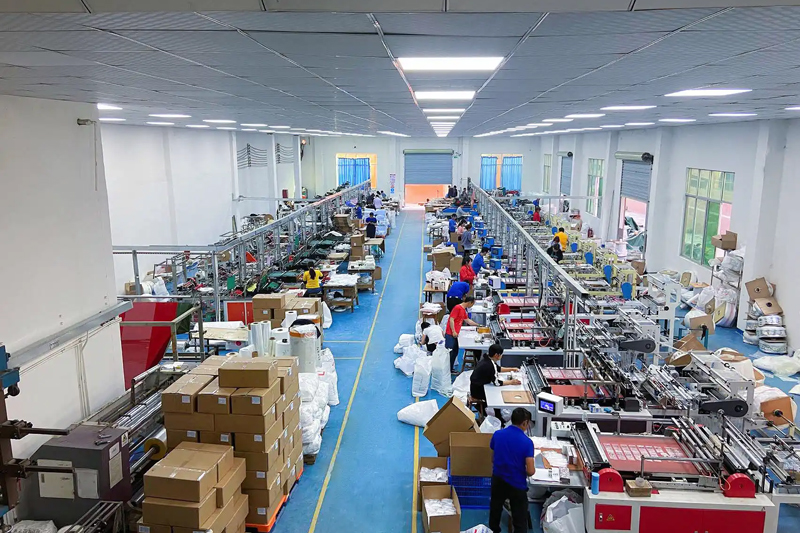
Advanced manufacturing facilities in Russia now feature state-of-the-art equipment including multi-layer co-extrusion lines, rotogravure printing presses capable of 10-color printing, and automated quality control systems with inline inspection technologies. These investments enable Russian manufacturers to produce plastic puppy food bags that meet or exceed international quality standards while maintaining competitive pricing.
The industry has also seen significant investment in research and development, with several Russian manufacturers establishing dedicated R&D centers focused on developing innovative packaging solutions tailored to specific market needs. These efforts include developing barrier films optimized for Russia's climate conditions, creating cost-effective recyclable structures, and incorporating smart packaging technologies.
Future Outlook and Strategic Opportunities
The future of plastic puppy food bag manufacturing in Russia appears promising, with several factors supporting continued industry growth and development. The Russian government's continued support for import substitution and domestic manufacturing, combined with growing consumer demand for quality pet products, creates a favorable environment for industry expansion.
Emerging opportunities include the development of premium packaging solutions for the growing super-premium pet food segment, expansion into neighboring markets leveraging EAEU advantages, and partnerships with international pet food brands seeking local production capabilities. The industry is also poised to benefit from Russia's growing e-commerce sector, which requires innovative packaging solutions that combine durability with consumer appeal.
Sustainability will continue to drive innovation, with manufacturers expected to increase investment in recyclable materials, reduced-plastic designs, and circular economy initiatives. The integration of digital technologies including blockchain for supply chain transparency and AI-powered quality control systems will further enhance the competitiveness of Russian manufacturers in global markets.