Welcome to our company

Leave Your Message
The global pet food industry has undergone a dramatic transformation over the past decade. As pet ownership rates surge worldwide — with dogs alone accounting for over 470 million pets globally — the demand for high-performance, visually appealing, and functionally superior plastic puppy food bags has never been greater. Today, pet food packaging is not merely a container; it is a critical brand touchpoint, a food-safety barrier, and a logistics solution all in one.
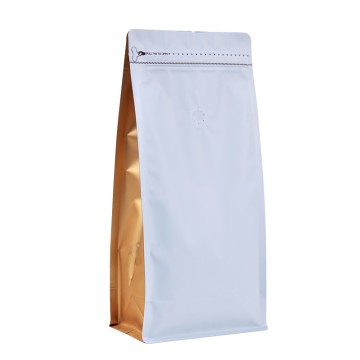
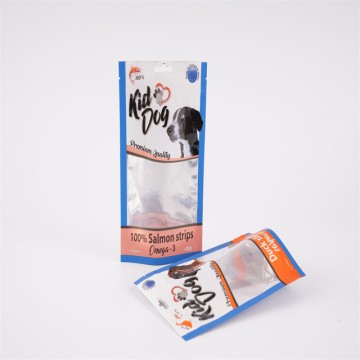
A plastic puppy food bag for professional pet food packaging is an engineered multi-layer flexible pouch designed to protect dry kibble, semi-moist treats, freeze-dried bites, and specialty nutrition blends from moisture, oxygen, UV light, and microbial contamination. Unlike generic commodity bags, professional-grade puppy food packaging integrates advanced barrier films, precision heat-seal technology, resealable closures, and full-surface high-definition printing — ensuring both product integrity and shelf appeal.
The global pet food packaging market was valued at approximately USD 8.6 billion in 2023 and is projected to exceed USD 13 billion by 2030, growing at a CAGR of over 6.2%. Flexible plastic pouches — including stand-up pouches, flat-bottom bags, and side-gusset bags — command the largest share of this market due to their cost-efficiency, lightweight nature, and superior barrier performance.
The manufacturing of professional plastic puppy food bags sits at the intersection of flexible packaging technology, food safety compliance, and consumer brand strategy. Major producing regions include China (Shandong, Guangdong), South Korea, and Germany, with China's manufacturers — like Shandong Jike International Trade Co., Ltd. — supplying over 60% of global flexible pet food packaging due to their advanced gravure printing capabilities, ISO-certified production lines, and competitive pricing.
From an industrial standpoint, the production process involves multiple precision steps: raw material selection (PET, VMPET, PE, CPP, aluminum foil laminates), rotogravure color printing (up to 9 colors), solvent-free lamination, curing, bag-making, and rigorous QC inspection. Each stage directly impacts the final bag's barrier performance, seal strength, print fidelity, and compliance with international food-contact regulations such as EU No. 10/2011 and FDA 21 CFR.
Not all pet food bags are created equal. Professional-grade plastic puppy food packaging must meet stringent technical benchmarks to protect product quality throughout the supply chain — from factory filling to the consumer's home.
Combines PET/VMPET/PE or PET/AL/CPP laminates to block moisture (WVTR <1 g/m²/day), oxygen (OTR <1 cc/m²/day), and external odors — preserving kibble freshness and nutritional integrity.
Precision heat-sealing at controlled temperature and pressure ensures airtight seams that resist leakage, delamination, and puncture during transport and warehouse stacking.
Consumer-friendly press-to-close zippers allow repeated opening without compromising seal performance. Optional one-way degassing valves release internal gas while blocking external air ingress.
Up to 9-color rotogravure printing delivers photographic-quality brand imagery, regulatory compliance text, barcodes, QR codes, and multi-language content on a single bag surface.
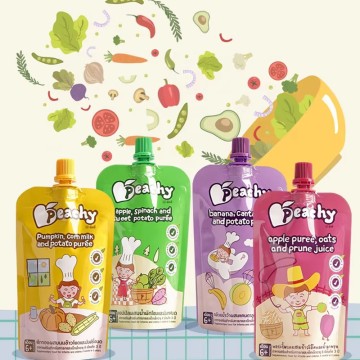
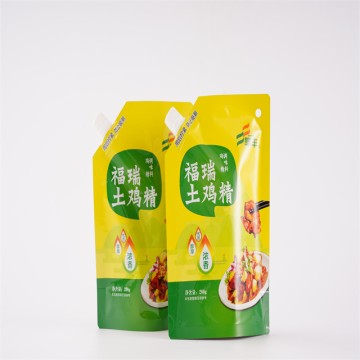
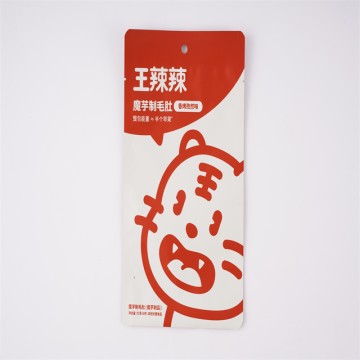
Available in flat-bottom (block bottom), stand-up pouch (doypack), octagonal side-seal, 3-side seal sachet, and 8-side seal formats — each optimized for different product weights and retail display requirements.
Recyclable mono-material PE structures, bio-based film layers, and reduced-thickness laminates are available for brands targeting sustainability certifications and eco-conscious consumers.
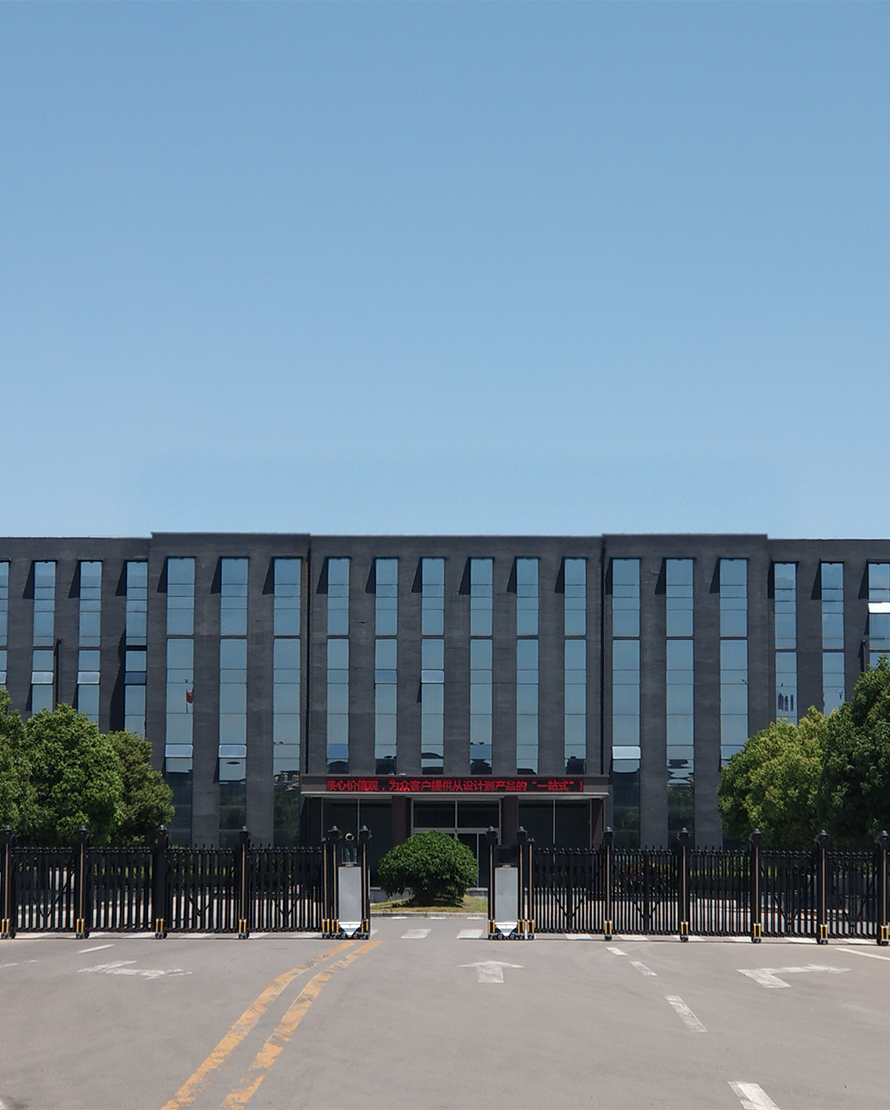
Shandong Jike International Trade Co., Ltd. is a state-owned professional food packaging and printing enterprise, established in 2003 and located in Shandong Province, eastern China. The company has obtained and passed ISO9001, ISO14001, and ISO45001 certifications, and all our products have passed QS food safety certification.
As a pioneer deeply rooted in North China, Jike is one of the one-stop providers of food packaging bags, pet packaging bags, and woven bags. Since our founding in 2003, we have built upon more than 22 years of profound industry experience to establish a complete value chain, achieving an impressive annual capacity of 5,000 tons of food packaging bags and 3,000 tons of woven bags.
We also support multi-language design and printing, barcode/QR code customization, material combination selection, and thickness selection to fully meet the needs of cross-border trade.
View More About UsThe versatility of professional plastic puppy food bags extends far beyond simple dry kibble packaging. Modern pet food brands, veterinary nutrition companies, and private-label retailers deploy these bags across a wide spectrum of product categories and distribution channels, each with unique packaging requirements.
Large-format stand-up pouches and flat-bottom bags with reinforced side gussets are the dominant format for premium dry puppy food. These bags must withstand the weight and abrasion of dense kibble while maintaining an upright retail presentation. A typical structure for this application would be a 12-micron PET / 7-micron aluminum foil / 100-micron PE laminate, providing an OTR of less than 0.5 cc/m²/day and a WVTR of less than 0.5 g/m²/day. The resealable zipper at the top allows pet owners to portion-feed without transferring product to secondary containers.
The rapidly growing raw and freeze-dried pet food segment demands the highest barrier performance of any pet food packaging category. Freeze-dried products are extremely hygroscopic — even trace moisture ingress can cause product clumping, mold growth, and rapid oxidation of sensitive lipids. Professional plastic puppy food bags for this application typically incorporate a VMPET (vacuum-metallized PET) layer or a full aluminum foil barrier, combined with a nitrogen-flush filling process and a one-way degassing valve to maintain the ultra-low water activity environment required for product stability.
Veterinary nutrition brands require packaging that communicates clinical credibility while maintaining strict food-contact compliance. Professional plastic puppy food bags for prescription diets often feature matte-finish laminates with spot UV coating, serialized QR codes for batch traceability, and tamper-evident heat seals. Multi-language printing (English, French, German, Spanish, Arabic) on a single bag is standard for veterinary products distributed through international clinic networks.
The puppy treat segment is one of the fastest-growing categories in pet food retail, driven by the humanization trend and the proliferation of training-reward products. Small-format 3-side seal sachets, octagonal pouches, and stand-up doypack bags are used for jerky strips, dental chews, freeze-dried liver bites, and grain-free cookie treats. These bags prioritize vibrant 9-color print quality for impulse-purchase shelf appeal, alongside tear-notch opening for convenient single-serving access.
The explosive growth of direct-to-consumer pet food subscription services (such as The Farmer's Dog, Nom Nom, and Butternut Box) has created demand for packaging that survives courier handling while maintaining brand aesthetics. Professional plastic puppy food bags for e-commerce fulfillment must achieve higher seal-strength specifications (typically >50 N/15mm peel strength) and incorporate reinforced corner seals to prevent leakage during drop-testing. Custom-printed mailer-compatible pouches with integrated resealable closures are increasingly specified for this channel.
Major supermarket chains and pet specialty retailers (PetSmart, Pets at Home, Maxi Zoo) source large volumes of private-label puppy food in custom-printed plastic bags. This segment demands consistent color matching (Pantone-referenced gravure inks), tight dimensional tolerances for automated filling line compatibility, and full regulatory compliance documentation including migration testing reports and material safety data sheets.
| Parameter | Standard Range | Premium / Custom Option |
|---|---|---|
| Material Structure | PET/PE, PET/VMPET/PE | PET/AL/CPP, Kraft/PE, Bio-PE |
| Total Thickness | 80 – 120 microns | 120 – 200 microns (heavy-duty) |
| Print Colors | Up to 6 colors (gravure) | Up to 9 colors + spot UV / matte |
| Bag Format | 3-side seal, stand-up pouch | Flat-bottom, octagonal, 8-side seal |
| Closure Type | Heat seal (top) | Zipper reseal + degassing valve |
| Capacity Range | 100g – 5kg | 5kg – 20kg (gusseted sack) |
| Oxygen Barrier (OTR) | <5 cc/m²/day | <0.5 cc/m²/day (AL foil) |
| Moisture Barrier (WVTR) | <3 g/m²/day | <0.5 g/m²/day (AL foil) |
| Certifications | ISO9001, QS Food Safety | ISO14001, ISO45001, FDA, EU 10/2011 |
| Minimum Order Quantity | 10,000 pcs (standard) | 5,000 pcs (custom print) |
Driven by EU Packaging and Packaging Waste Regulation (PPWR) and growing consumer eco-consciousness, the industry is rapidly transitioning toward mono-material PE laminates, PCR (post-consumer recycled) content films, and compostable bio-based structures. By 2027, an estimated 35% of new pet food packaging specifications will require recyclability claims. Jike's R&D team is actively developing recyclable PE/PE structures that maintain barrier performance comparable to traditional multi-material laminates.
QR codes, NFC tags, and augmented reality (AR) triggers embedded in plastic puppy food bag printing are enabling brands to deliver personalized feeding guides, batch traceability, loyalty program integration, and veterinary nutrition content directly to smartphone users. This "connected packaging" trend is particularly strong in the premium and super-premium pet food segments, where brand engagement and product transparency are key purchase drivers.
The humanization of pets continues to drive premiumization across all pet food categories. Brands are investing heavily in packaging aesthetics — matte finishes, soft-touch coatings, metallic foil hot-stamping, embossing, and transparent windows — to communicate premium positioning at the point of sale. Professional plastic puppy food bags with multi-sensory surface treatments command 15–25% higher retail price points and significantly stronger shelf standout in competitive pet specialty retail environments.
Next-generation barrier technologies — including SiOx (silicon oxide) and AlOx (aluminum oxide) transparent vapor-deposited coatings — are emerging as alternatives to traditional aluminum foil laminates in applications where metal-detector compatibility or microwave-safe functionality is required. These ultra-thin inorganic barrier layers achieve OTR values below 1 cc/m²/day while maintaining full film transparency and recyclability, opening new design possibilities for plastic puppy food bags in the premium fresh and refrigerated pet food segment.

JIKE is a one-stop provider of food packaging bags, pet packaging bags, and woven bags. You can find all bags you need from one trusted source.

We customize everything — design, material structure, thickness, sizes, and styles — to meet any special requirements your brand demands.

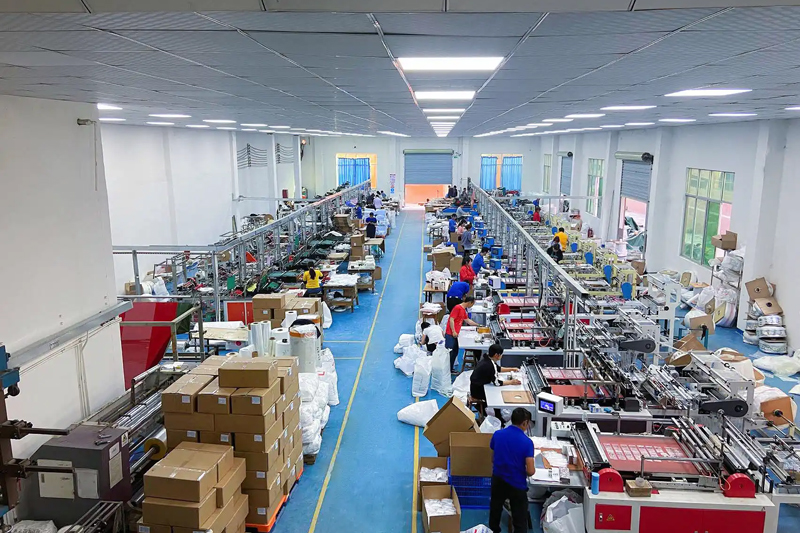
From raw materials and color printing to lamination, curing, bag-making, and shipping — every step undergoes strict inspection to meet customer requirements.

We support LCL and FCL container delivery, as well as DHL and FedEx express for small quantities. Full door-to-door service for all order sizes worldwide.
Selecting the optimal plastic puppy food bag for your professional pet food packaging program requires a systematic evaluation of product characteristics, distribution requirements, regulatory obligations, and brand positioning objectives. The following framework guides buyers through the key decision points.
Begin with the product's physical and chemical properties. Dry kibble with a water activity (Aw) below 0.65 requires moderate barrier performance (WVTR <3 g/m²/day), achievable with a standard PET/VMPET/PE structure. Freeze-dried or raw-dehydrated products with Aw below 0.10 demand the highest available barrier — typically a PET/AL/CPP laminate with WVTR below 0.5 g/m²/day. High-fat treats (jerky, meat chews) require superior oxygen barriers to prevent lipid oxidation and rancidity during shelf life.
The bag's physical structure must align with your product's weight, filling method, and retail display requirements. Stand-up doypack pouches (100g – 2kg) offer excellent shelf presence and consumer convenience. Flat-bottom (block-bottom) bags (500g – 10kg) provide superior stability on shelf and maximum print canvas area. Octagonal side-seal bags deliver a premium, structured appearance ideal for super-premium positioning. Large-format side-gusset bags (5kg – 20kg) are the preferred format for value-tier and bulk pet food, commonly used in veterinary clinics and professional breeding operations.
Modern pet food consumers expect convenience features as standard. A resealable press-to-close zipper is now a baseline expectation in premium pet food packaging. For products with high CO₂ generation (raw meat, fermented diets), a one-way degassing valve prevents bag inflation and potential seal failure. Tear notches, hang holes, and euro-slot punches are additional features that enhance consumer experience and retail display flexibility.
Professional plastic puppy food bag printing is a significant brand investment. Work with your packaging supplier's pre-press team to optimize your artwork for gravure printing — ensuring minimum line widths, appropriate color separations, and correct bleed/trim allowances. Request physical color proofs before production approval. Consider requesting a matte or soft-touch overprint varnish to differentiate your packaging in a competitive retail environment. Ensure all mandatory regulatory content (ingredient list, guaranteed analysis, net weight, manufacturer contact, feeding guidelines) is accurately typeset and positioned in compliance with your target market's pet food labeling regulations (AAFCO in North America, FEDIAF in Europe, GB/T in China).
Always request a pre-production structural sample (unprinted bag in your specified dimensions and material structure) before placing a full production order. This allows you to verify fill performance on your packaging line, confirm the zipper operation, test the seal integrity under your filling conditions, and validate the bag's standing stability before committing to a full print run.
For brands distributing plastic puppy food bags in regulated markets, supplier certifications are non-negotiable. ISO9001 quality management certification ensures consistent production processes and documented quality control procedures. ISO14001 environmental management certification demonstrates a supplier's commitment to minimizing production environmental impact — increasingly important for brands with ESG commitments. QS food safety certification (China's equivalent of HACCP) guarantees that all food-contact materials meet domestic and international food safety standards.
For export to the European Union, suppliers must provide migration testing documentation confirming compliance with EU Regulation No. 10/2011 on plastic materials and articles intended to contact food. For the United States market, FDA 21 CFR compliance for food-contact plastics is mandatory. Jike maintains all relevant certifications and can provide full compliance documentation for all major export markets, significantly reducing the regulatory burden for international pet food brands.
One of the most significant competitive advantages of working with a professional plastic puppy food bag manufacturer like Jike is the depth of customization available. Beyond standard format and material selection, professional manufacturers offer:
Partner with Jike to develop professional plastic puppy food bags that protect your product, elevate your brand, and meet the demands of global retail. From concept to delivery — we handle everything.
🚀 Customize My Own Style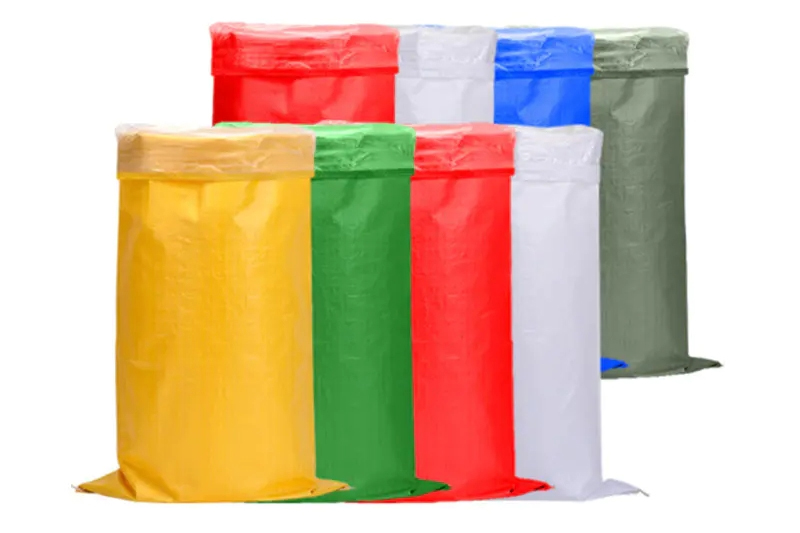
As the global demand for sustainable packaging continues to grow, more and more businesses are turning to innovative polypropylene solutions that balance performance with environmental responsibility.
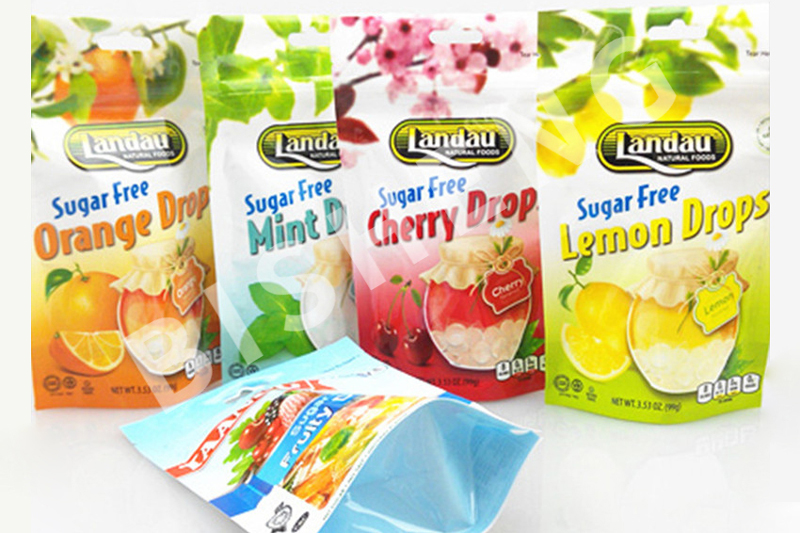
Stand-up bags are becoming more and more popular in the packaging industry due to their unique structural advantages, superior shelf presence, and consumer convenience features.
Entering 2026 and beyond, packaging trends will reflect broader shifts in sustainability, technology, and commercial strategy — reshaping how pet food brands connect with consumers.