Exploring Plastic Puppy Food Bags for Heavy-Duty Bulk Material Transport
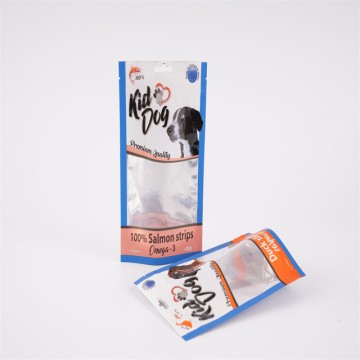
✔Plastic puppy food bags are specialized packaging solutions designed primarily for transporting and storing pet food in large volumes. When utilized for heavy-duty bulk material transport, these bags combine durability, food safety, and ease of handling, meeting the rigorous demands of commercial pet food supply chains.
The global pet food market has seen significant expansion, driven by increasing pet ownership and a growing humanization of pets worldwide. With this growth, bulk packaging for puppy food and pet nutrition has become critically important in logistics, warehousing, and retail distribution. Plastic puppy food bags tailored for heavy loads ensure integrity and freshness throughout transport and handling.
Industry and Commercial Landscape
Heavy-duty bulk packaging for puppy food involves robust materials, often multi-layer laminated plastics, that provide puncture resistance, moisture barrier, and oxygen protection. This packaging must guard against contamination, pest infestation, and product degradation, making it essential for manufacturers and distributors.
Additionally, as environmental concerns rise, manufacturers are integrating sustainability aspects into these plastic bags, such as recyclable materials and lower carbon footprint manufacturing processes, aligning with international food safety and environmental regulations.
Emerging Trends and Developments
Some prominent trends shaping the future of heavy-duty puppy food bags include:
- Smart Packaging Technologies: Embedding QR codes, RFID tags, or interactive labels on bags to enable tracing, quality control, and consumer engagement.
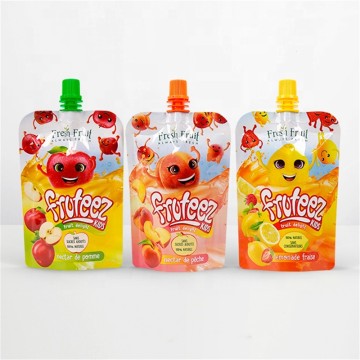
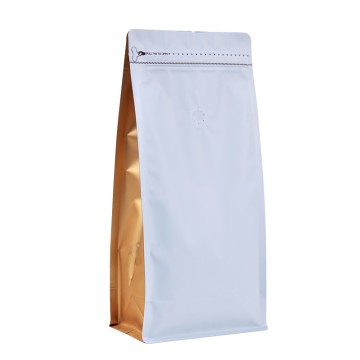
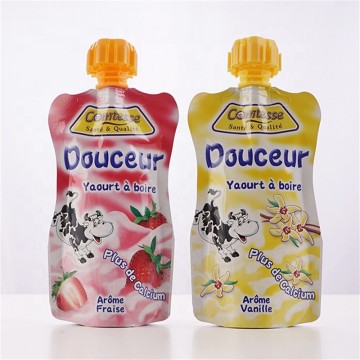
- Resealable and Multi-Use Designs: Enhancing convenience with zipper closures or spout valves while securing airtightness for extended freshness.
- Lightweight and High-Strength Materials: Using advanced polymers and composites to reduce bag weight without compromising strength.
- Customization and Branding: High-definition printing technologies allow vibrant, durable custom designs that enhance brand recognition at point-of-sale.
- Sustainability Focus: Adoption of biodegradable or recyclable films and reduction of excess plastic use for environmental compliance.
Deeper Application Scenarios
Beyond just shipping and storage, plastic puppy food bags for heavy-duty transport adapt well to varied industry scenarios:
- Manufacturing and Processing Plants: Packaging fresh-baked kibble or raw mix ingredients in bulk for downstream packing or delivery.
- Wholesale Distribution Centers: Protecting large quantities of packaged pet food during consolidation and outbound logistics.
- Retail Supply Chains: Enabling smaller local retailers to handle bulk shipments with convenient, manageable bag sizes and resealable features.
- Export and Import Logistics: Meeting international durability standards to withstand prolonged sea or air freight conditions.
- Online and Direct-to-Consumer Sales: Providing resealable, user-friendly packaging formats tailored for e-commerce deliveries directly to pet owners.
These diverse contexts highlight the crucial role of robust, high-quality plastic puppy food bags designed for heavy-duty bulk material transport in optimizing storage, transport efficiency, product longevity, and customer satisfaction.
Design and Material Considerations
Heavy-duty plastic puppy food bags typically feature multi-layer films including:
- Outer layers of polyester (PET), polypropylene (PP), or nylon for mechanical strength and printing surface
- Barrier layers such as metallized PET or EVOH to protect against oxygen, moisture, and odors
- Inner food-grade polyethylene (PE) or specialized sealant layers ensuring safe direct contact with pet food
Some bags include reinforced bottoms, gussets, handles, or spouts to improve handling. Heat-sealed edges and strong zippers or valves guarantee no leakage or contamination during transport.
Challenges and Opportunities
The heavy-duty pet food packaging sector faces challenges like balancing sustainability with strength, optimizing supply chain costs, and meeting evolving food safety requirements. However, it also offers opportunities for innovation with new eco-materials, digital printing, and smart supply chain integration technologies that improve traceability and consumer confidence.
Product Range for Heavy-Duty Bulk Material Transport