
About Jike
Shandong Jike International Trade Co., Ltd
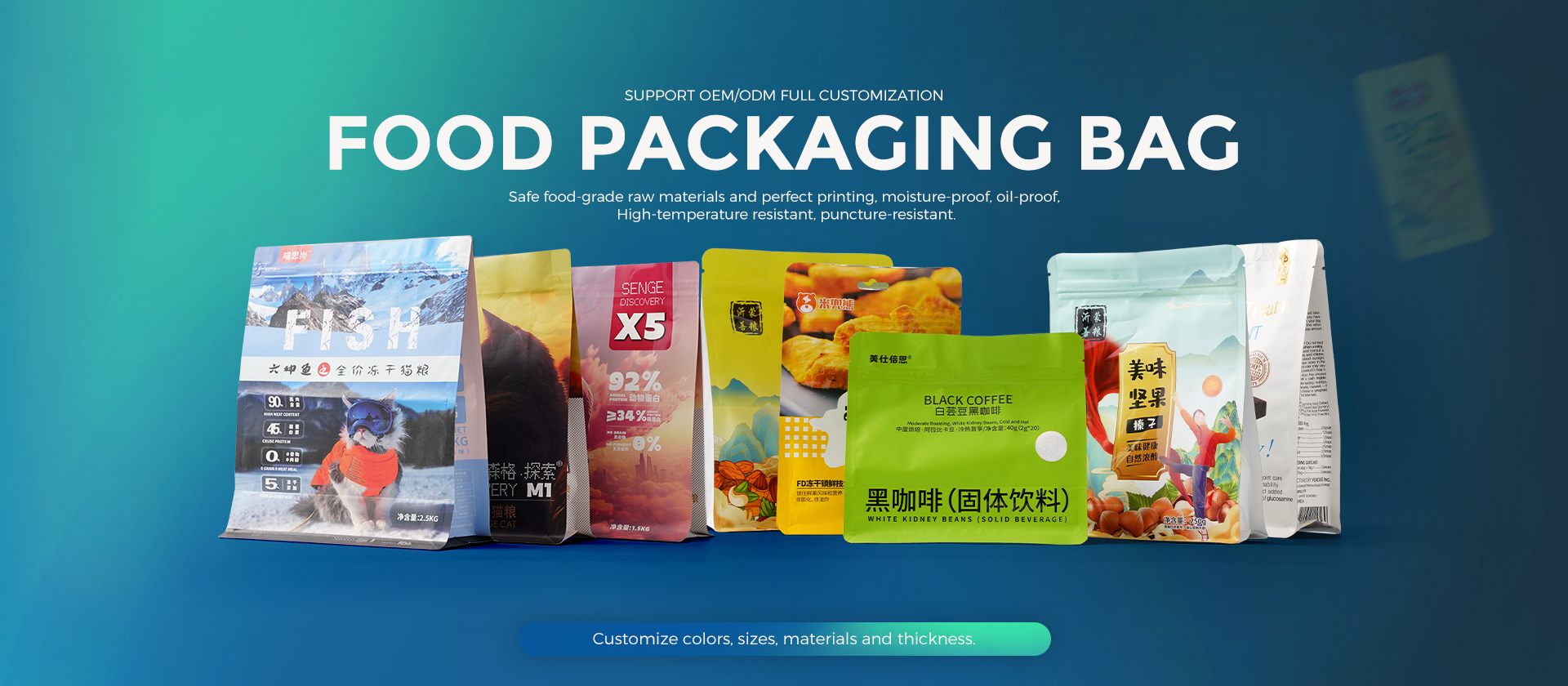
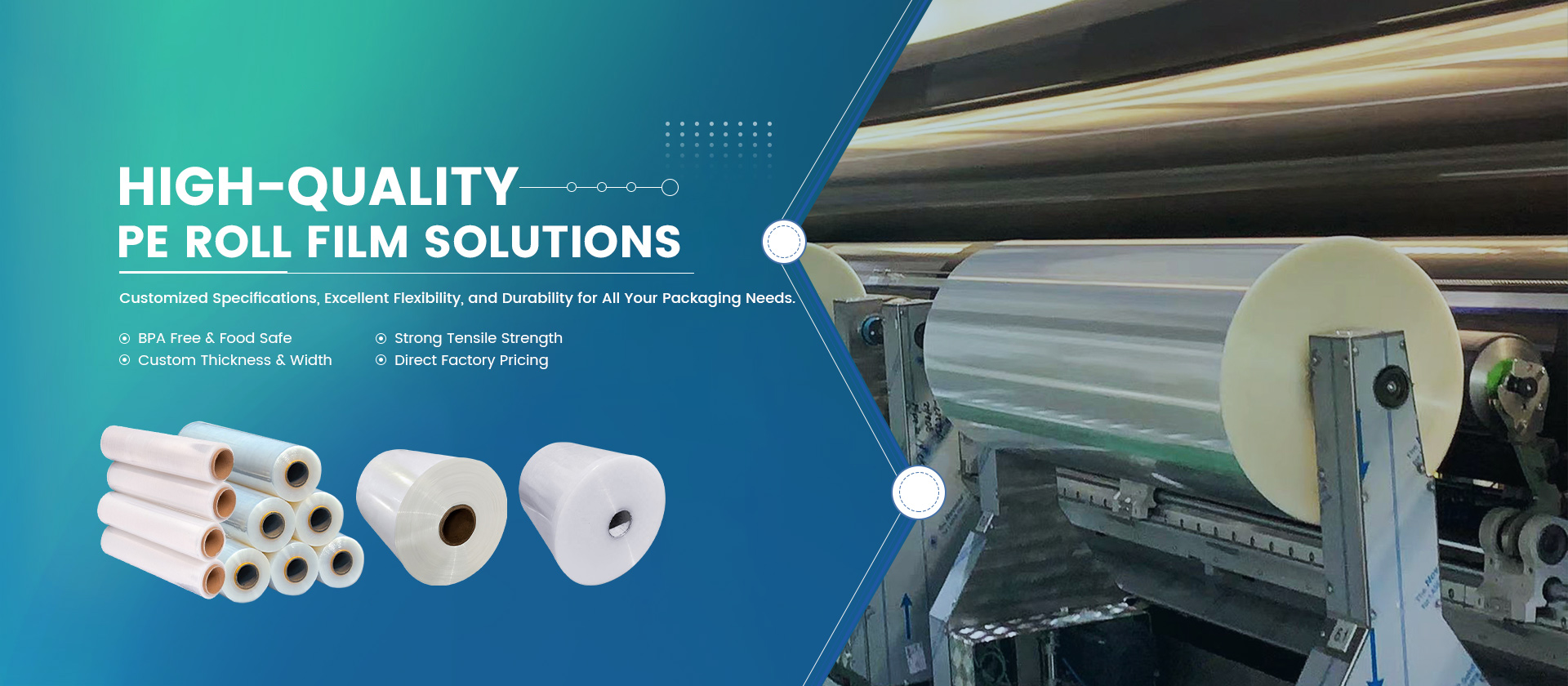
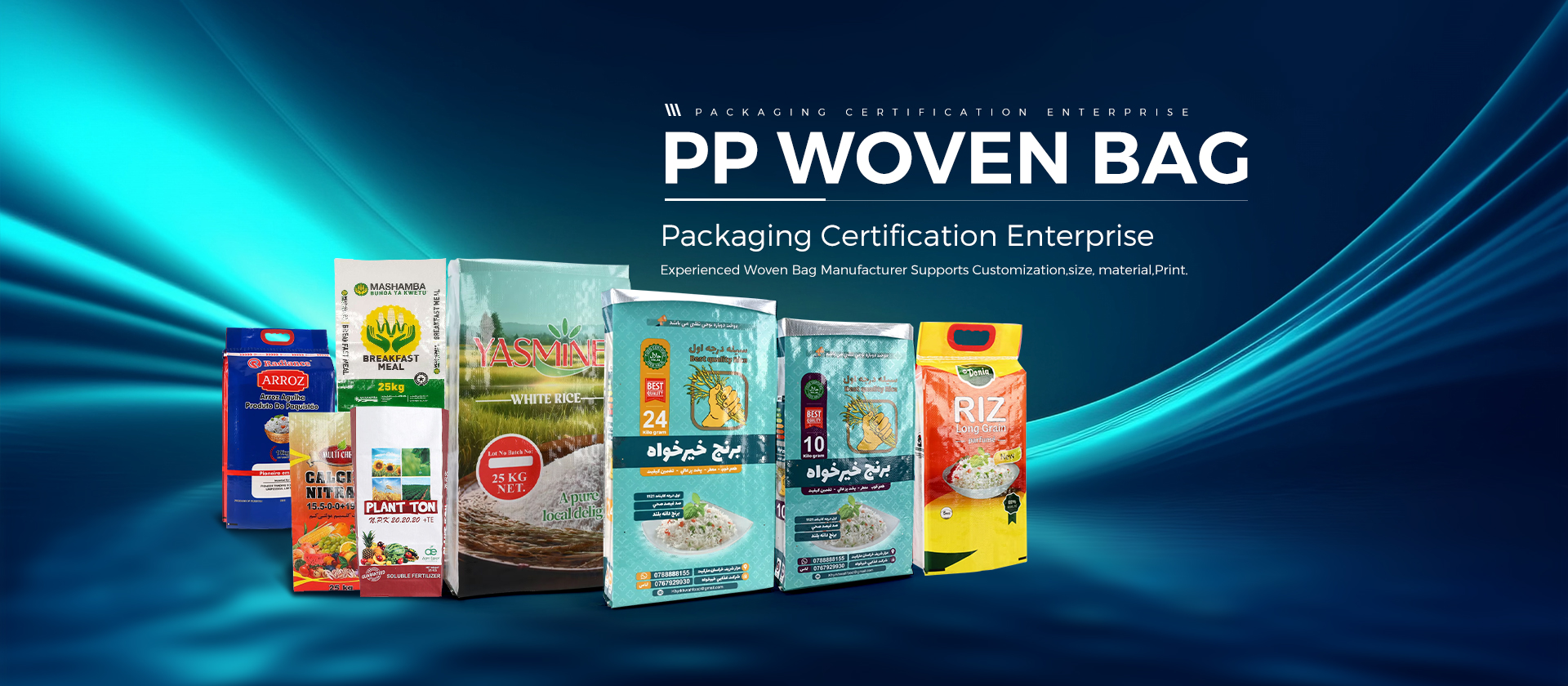
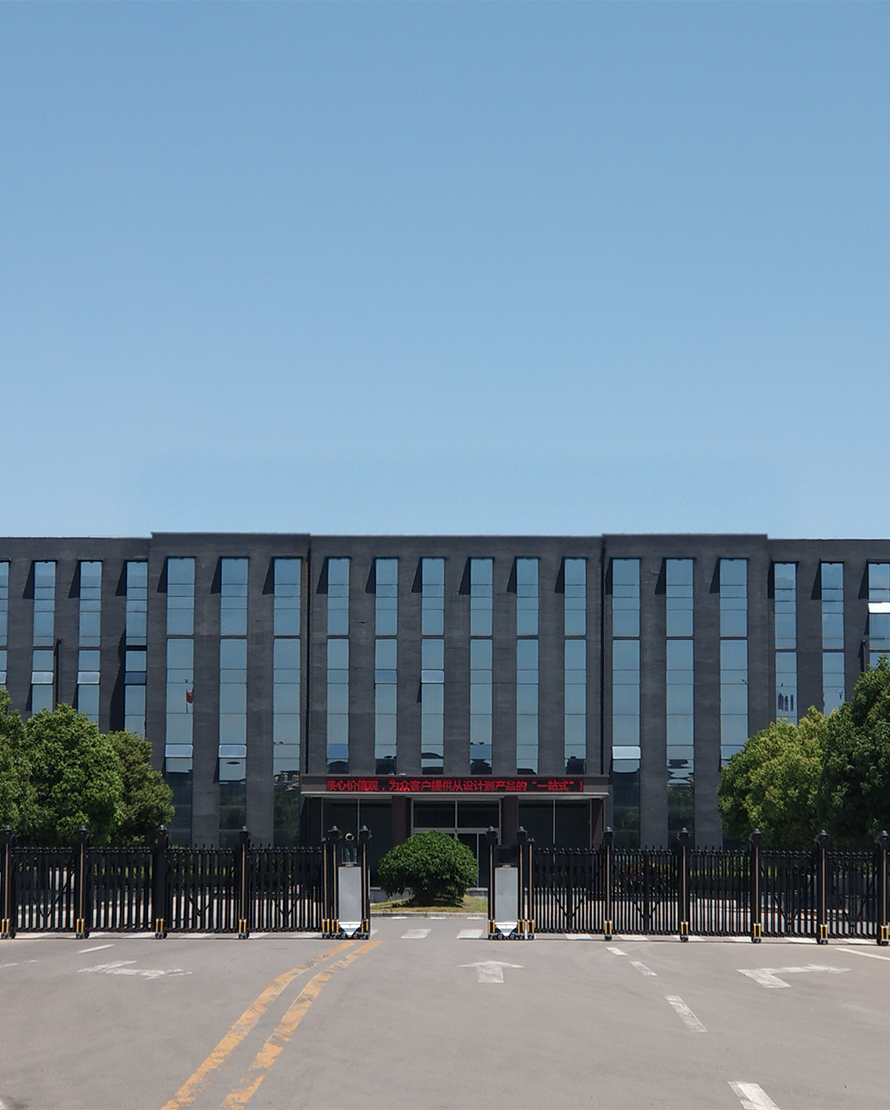
Shandong Jike International Trade Co., Ltd. is a state-owned professional food packaging and printing enterprise, established in 2003 and located in Shandong Province, eastern China. The company has obtained and passed ISO9001, ISO14001, and ISO45001 certifications, and all our products have passed QS food safety certification.
View MoreWe also support multi-language design and printing, barcode/QR code customization, material combination selection, and thickness selection to fully meet the needs of cross-border trade.
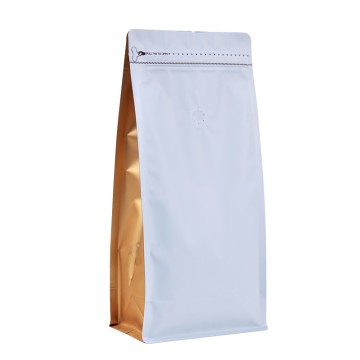
Strong Seal Food Grade Mult...
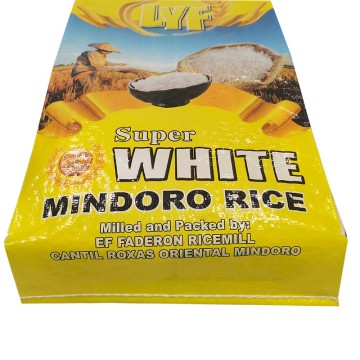
Laminated Polypropylene Sac...
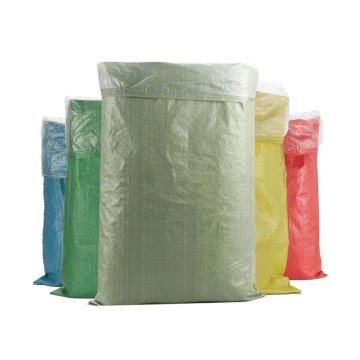
One-Stop Customization Solu...
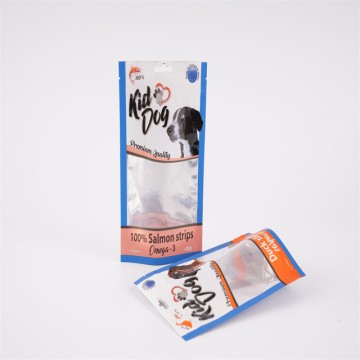
Custom Design Plastic Pet D...
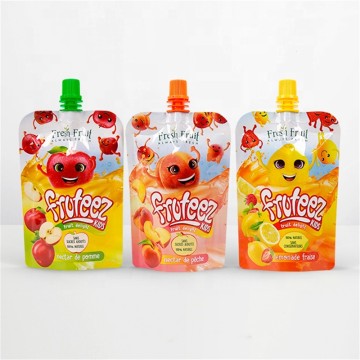
Factory Spout Pouch Custom ...
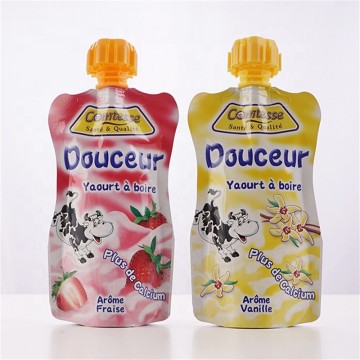
Wholesale 100ml 250ml 300ml...
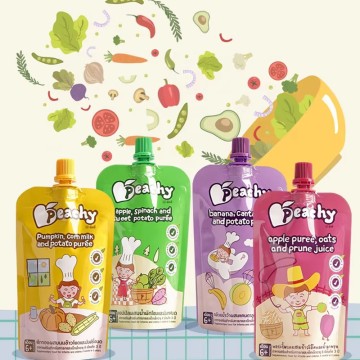
Custom Printed Plastic Spou...
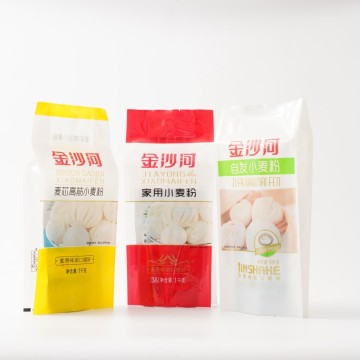
1kg 2kg 5kg Factory Supplie...
Laminated Polypropylene Sac...
One-Stop Customization Solu...
Custom Design Plastic Pet D...
Strong Seal Food Grade Mult...
Factory Spout Pouch Custom ...
Wholesale 100ml 250ml 300ml...
Custom Printed Plastic Spou...
1kg 2kg 5kg Factory Supplie...
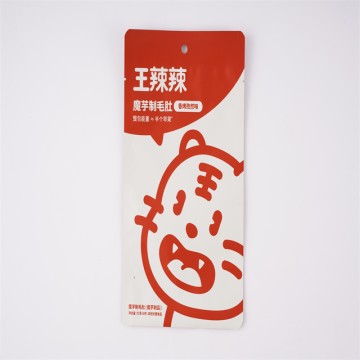
3 Sides Seal Food Bag/ 3 Si...
WHO WE AREA top Innovative and sustainable packaging in hina

-
2003Founding in
-
8000 tonsImpressive annual capacity
Strong Seal Food Grade Multiple 100G 250G 500G 1KG 8-Side Sealed With Valve and Zipper Coffee Bean Packaging Bag

Highlights at a glance
1)Made from food-grade laminated materials, safe for direct contact with coffee beans, tea, food, and dry goods
2)High-barrier multi-layer structure effectively blocks moisture, oxygen, and external odors to extend shelf life
3)Excellent airtight performance helps preserve aroma, flavor, and freshness of the contents
4)Strong heat-sealing edges reduce the risk of leakage and ensure secure packaging during storage and transport
5)Durable material resists tearing, puncture, and deformation under normal handling conditions
6)Resealable zipper design allows repeated opening and closing while maintaining sealing performance
7)Optional degassing valve releases internal gas buildup without allowing outside air to enter
8)Smooth and even surface supports clear, high-quality printing with stable color presentation
9)Suitable for various filling weights, maintaining good standing and shape after filling
10)Compatible with coffee packaging and sealing equipment for stable and efficient filling

-

One-Stop Supplier
JIKE IS one-stop providers of food packages bags, pet packages bags and woven bags, you can find all bags you need from here.1 -

OEM+ODM Service
We can do customize everything from design, material structure and thickness, different size and styles etc. as any special requirements.2 -

QC Service
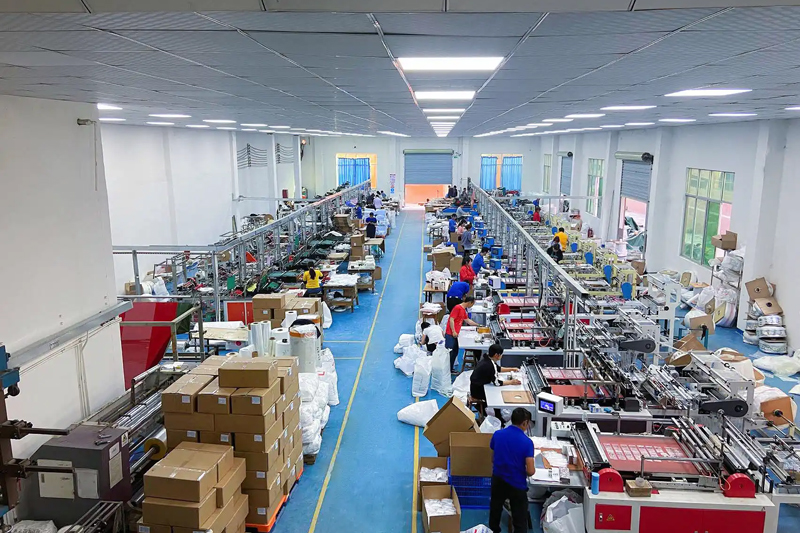
From raw material , color printing, product lamination, curing, making bags to packaging and shipping, every step has strictly inspection to meet customer requirements.3 -

Door to Door Service
We can do LCL and FCL container delivery, also can delivery by DHL, FEDEX express with small quantity, no matter container delivery or express, all can do door to door service.4

IN THE NEWSSee the latest
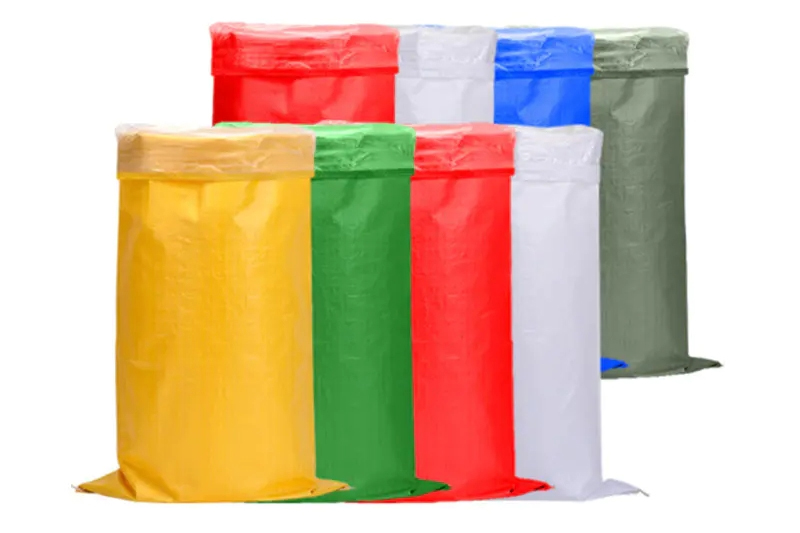
The Polypropylene Revolutio...

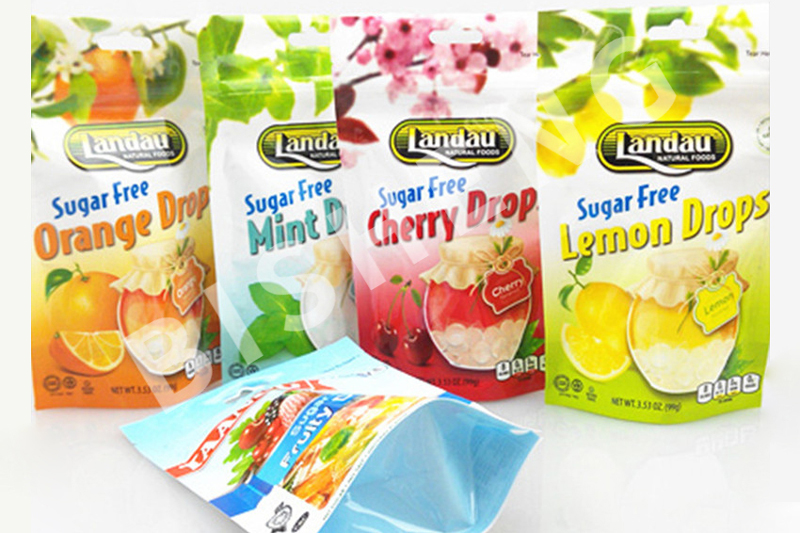
Advantage of Stand Up Bags
Influencing Packaging Trend...