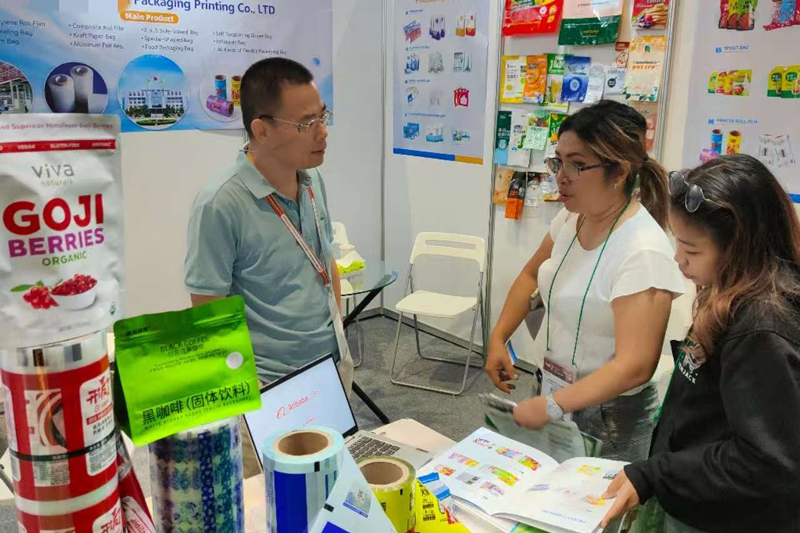
Welcome to our company

Leave Your Message
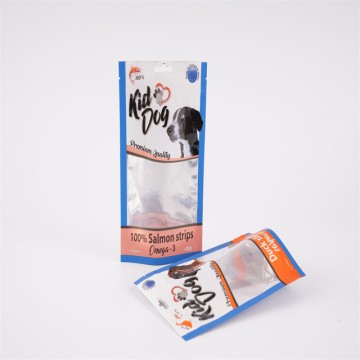
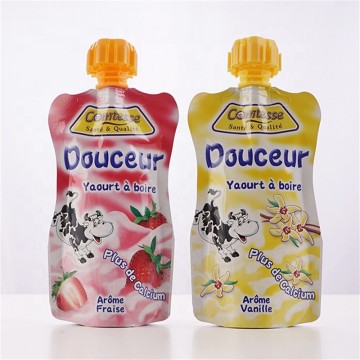
High-quality plastic pet snack pouches designed for convenience and freshness
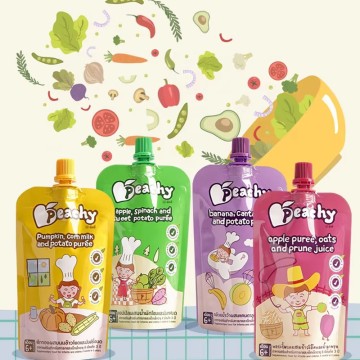
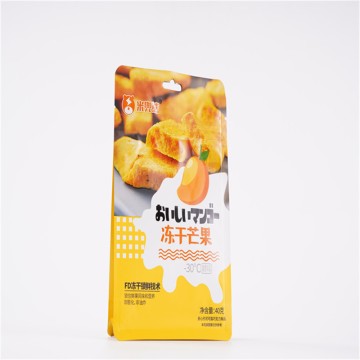
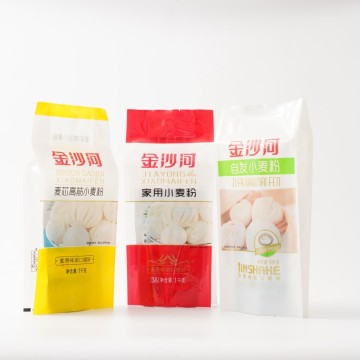
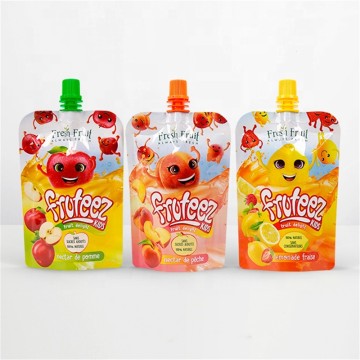
The pet food packaging industry has undergone a remarkable transformation over the past decade, with plastic pet snack pouches emerging as a dominant force in the single-serve snack and sachet portions segment. This evolution reflects broader changes in consumer behavior, technological advancement, and sustainability considerations that are reshaping how pet owners purchase and store treats for their beloved companions.
Plastic pet snack pouches designed for single-serve portions represent a sophisticated convergence of convenience, preservation technology, and marketing innovation. Unlike traditional bulk packaging, these specialized pouches cater to the modern pet owner's desire for portion control, freshness maintenance, and on-the-go convenience. The market for these products has experienced exponential growth, with industry analysts projecting continued expansion as urbanization increases and pet humanization trends intensify globally.
The commercial landscape for plastic pet snack pouches has become increasingly competitive and diversified. Major pet food manufacturers, boutique brands, and private label producers all recognize the strategic importance of single-serve packaging formats. This packaging solution addresses multiple market demands simultaneously: it reduces waste by preventing treat spoilage, enables premium pricing strategies through portion control, facilitates trial purchases for new products, and enhances brand visibility through eye-catching shelf presentation.
From a manufacturing perspective, the production of plastic pet snack pouches for single-serve applications requires sophisticated equipment and material science expertise. Multi-layer laminate structures combining polyethylene, polypropylene, polyester, and metallized films create barriers against moisture, oxygen, and light—the primary enemies of treat freshness. Advanced printing technologies enable vibrant graphics that communicate product benefits and brand identity effectively, while specialized sealing techniques ensure package integrity throughout distribution and storage.
The explosive growth in single-serve pet snack pouches stems from several converging factors. Premium pet food segments have grown substantially as pet owners increasingly view their animals as family members deserving high-quality nutrition. Single-serve formats support this premiumization by maintaining optimal freshness for each serving, preventing the degradation that occurs when larger packages are repeatedly opened. Additionally, the convenience factor cannot be overstated—busy pet owners appreciate grab-and-go packaging that fits easily into bags, pockets, or training kits.
Modern manufacturing facilities producing plastic pet snack pouches have invested heavily in automation and quality control systems. High-speed form-fill-seal machines can produce thousands of pouches per hour, with inline inspection systems checking seal integrity, fill weight accuracy, and print quality. These facilities typically maintain cleanroom standards appropriate for food-grade production, with rigorous sanitation protocols and traceability systems that meet international food safety standards such as HACCP, BRC, and FDA regulations.
Material innovation continues to drive the evolution of plastic pet snack pouches. Manufacturers are developing thinner films with equivalent or superior barrier properties, reducing material usage while maintaining functionality. Recyclable mono-material structures are gaining traction as brands respond to sustainability pressures, though these solutions must still deliver the moisture and oxygen barriers essential for treat preservation. Some forward-thinking companies are exploring bio-based plastics and compostable materials, though technical challenges related to barrier performance and cost remain significant.
The versatility of plastic pet snack pouches for single-serve applications extends across numerous scenarios. Training treats represent a major use case—professional trainers and pet owners alike value individually wrapped treats that maintain consistency and can be easily carried during training sessions. Travel represents another significant application, with single-serve pouches eliminating the need to transfer treats into separate containers and reducing the risk of spoilage during trips.
Veterinary clinics and pet boarding facilities increasingly prefer single-serve formats for hygiene and inventory management reasons. Each animal can receive fresh, uncontaminated treats, and portion control simplifies dietary management for animals with specific nutritional requirements. Subscription box services have also embraced single-serve pouches, as they allow curated sampling experiences where customers can try multiple products without committing to full-size packages.
Plastic pet snack pouches for single-serve applications must meet rigorous performance specifications. Barrier properties typically require oxygen transmission rates below 5 cc/m²/24hrs and water vapor transmission rates under 5 g/m²/24hrs to ensure adequate shelf life—usually 12-24 months for most treat formulations. Seal strength must exceed 2 kg/inch to withstand distribution stresses, while puncture resistance prevents damage from sharp treat edges or external impacts.
The pouch structure typically consists of three to five layers, each serving specific functions. The outer layer provides printability and abrasion resistance, middle layers deliver barrier properties, and the inner sealant layer must be food-safe and provide reliable heat-seal performance. Total thickness ranges from 80 to 150 microns depending on treat characteristics and desired shelf life. For products containing oils or fats, additional grease resistance may be engineered into the structure.
Multi-layer structures provide exceptional moisture, oxygen, and light barriers to maintain treat freshness and extend shelf life significantly
Single-serve formats ensure consistent serving sizes, supporting dietary management and reducing waste from opened packages
High-quality printing capabilities enable vibrant graphics that communicate product benefits and create strong shelf presence
The environmental footprint of plastic pet snack pouches has become a critical consideration for manufacturers, brands, and consumers. While these packages offer significant functional advantages, the single-serve format inherently uses more packaging material per unit of product compared to bulk formats. This reality has spurred innovation in several directions: lightweighting initiatives that reduce material usage, development of recyclable mono-material structures, exploration of bio-based and compostable alternatives, and implementation of take-back and recycling programs.
Progressive manufacturers are conducting life cycle assessments to understand the full environmental impact of their packaging solutions. These studies often reveal that the food waste prevention enabled by superior packaging can offset some of the material usage concerns, particularly for premium treats with significant embedded environmental costs. Nevertheless, the industry recognizes that continued innovation toward more sustainable solutions is essential for long-term viability.
Plastic pet snack pouches must comply with complex regulatory frameworks that vary by market. In the United States, the FDA regulates materials that contact pet food under the same general principles as human food packaging, requiring that materials be Generally Recognized As Safe (GRAS) or approved food contact substances. European markets operate under EU Regulation 1935/2004 and associated plastics regulations, which specify migration limits for various substances.
Beyond material safety, labeling requirements mandate specific information disclosure including ingredient lists, guaranteed analysis, feeding guidelines, and manufacturer contact information. Package design must accommodate these requirements while maintaining marketing effectiveness. Quality management systems certified to ISO 9001 or equivalent standards provide assurance of consistent manufacturing processes and product quality.
The future of plastic pet snack pouches for single-serve applications will be shaped by several emerging trends. Smart packaging technologies incorporating QR codes, NFC tags, or time-temperature indicators may provide enhanced product information and traceability. Personalization capabilities enabled by digital printing could allow customized packaging for subscription services or special occasions. Advanced barrier technologies using nanomaterials or plasma coatings may enable thinner structures with superior performance.
Sustainability will continue driving innovation, with particular focus on designing for recyclability and incorporating recycled content. Some manufacturers are exploring refillable systems where consumers purchase durable containers and replenish with pouch-based refills, potentially reducing overall material usage. The integration of augmented reality features that engage pet owners through smartphone interactions represents another frontier for adding value beyond basic packaging functions.
The supply chain for plastic pet snack pouches involves multiple specialized partners. Film manufacturers produce the laminate structures, converters add printing and form pouches, co-packers fill and seal the packages, and distributors move products to retail channels. Each link in this chain must maintain quality standards and coordinate timing to ensure product freshness. Just-in-time manufacturing approaches minimize inventory holding costs but require sophisticated logistics coordination.
Distribution channels for single-serve pet snack pouches have diversified beyond traditional pet specialty retail. Mass merchandisers, grocery stores, convenience stores, and e-commerce platforms all represent significant channels. Each channel has distinct packaging requirements—e-commerce demands superior puncture resistance and shipping durability, while impulse-focused retail channels prioritize visual impact and convenient sizing for checkout displays.

Over 23 years of production experience



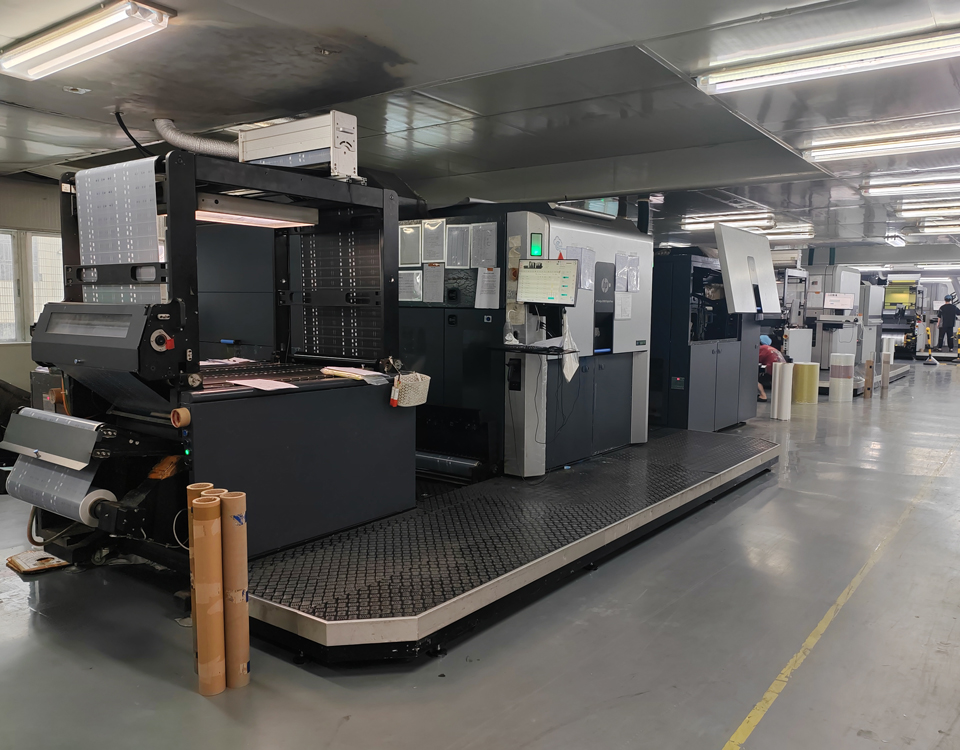

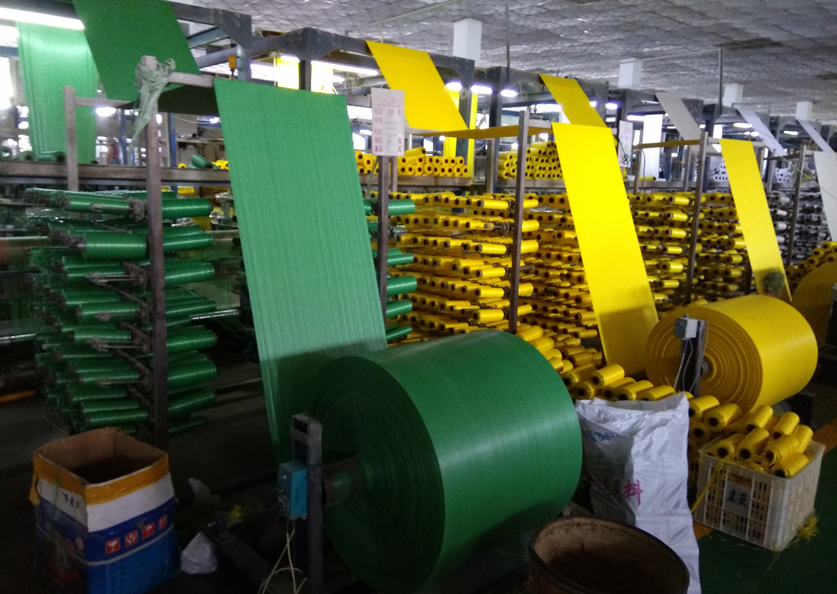
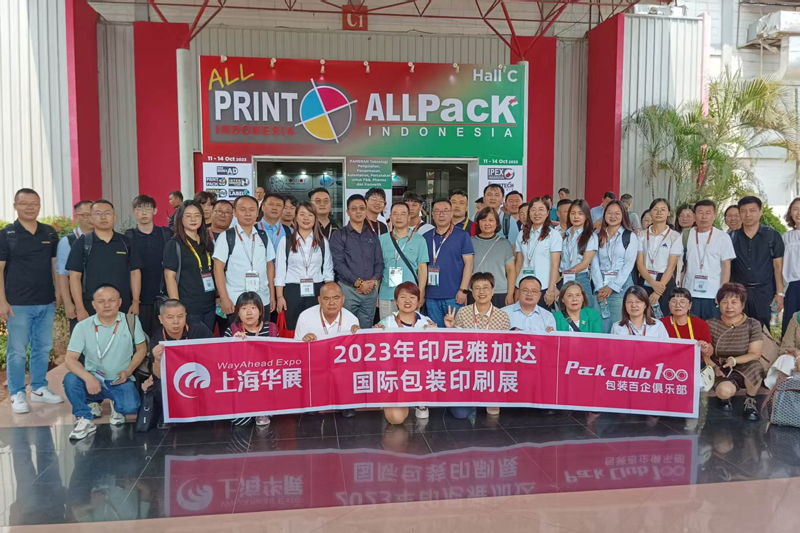
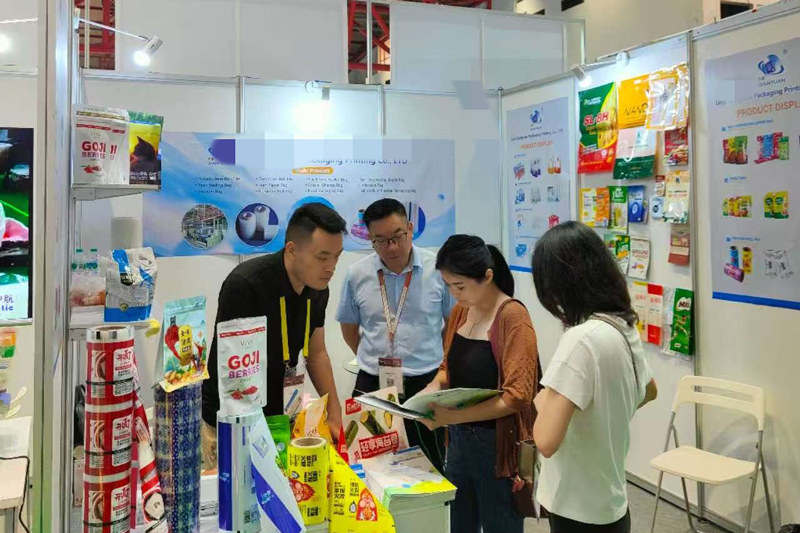
Since its establishment 23 years ago, relying on excellent product quality, comprehensive compliance guarantees, and efficient cross-border services, Jike Packaging Printing has established long-term cooperative relationships with customers in more than 50 countries and regions worldwide, serving clients including globally renowned food manufacturers, brand owners, and trading companies. In the future, we will continue to focus on changes in international market demand, using innovative technology and high-quality services as a link to become a trusted cross-border flexible packaging printing partner for global customers.
Comprehensive packaging solutions for diverse applications