Welcome to our company

Leave Your Message
Russia's pet food packaging industry has experienced remarkable growth over the past decade, driven by increasing pet ownership rates and changing consumer preferences. The Russian pet food market is currently valued at over $2.5 billion USD, with flexible packaging solutions, particularly plastic pet snack pouches, accounting for approximately 45% of the total packaging segment. Major metropolitan areas including Moscow, St. Petersburg, Novosibirsk, and Yekaterinburg represent the primary consumption centers, where premium pet products and innovative packaging formats are gaining significant traction among Russian pet owners.
The demand for plastic pet snack pouches in Russia has been accelerating at an annual growth rate of 12-15%, significantly outpacing traditional rigid packaging formats. This shift is attributed to several factors: the convenience of resealable zipper pouches, superior product freshness preservation, lightweight transportation benefits, and enhanced shelf appeal. Russian pet food manufacturers and distributors are increasingly recognizing that high-quality flexible packaging directly impacts brand perception and consumer purchasing decisions in the competitive retail environment.
The Russian pet food industry encompasses a diverse ecosystem of domestic manufacturers, international brands, and regional distributors. Major Russian pet food producers such as Mars Petcare Russia, Nestle Purina Russia, and domestic companies like Miratorg and Rusagro have established significant manufacturing presence across the country. These companies require consistent supplies of high-quality plastic pet snack pouches that meet both Russian GOST standards and international food safety certifications.
The commercial infrastructure supporting pet food packaging in Russia includes specialized printing facilities, converting plants, and distribution networks spanning the vast Russian territory. The Eurasian Economic Union (EAEU) regulations have standardized many packaging requirements across Russia, Belarus, Kazakhstan, Armenia, and Kyrgyzstan, creating opportunities for suppliers who can navigate these compliance frameworks. Russian importers particularly value suppliers who understand TR CU 005/2011 (On the safety of packaging) and TR CU 021/2011 (On food safety) technical regulations.
Russia's primary pet food manufacturing facilities are concentrated in the Central Federal District (Moscow Oblast), Northwestern Federal District (St. Petersburg area), and Southern Federal District (Rostov Oblast). These regions offer proximity to major consumer markets, established logistics infrastructure, and access to qualified workforce. International suppliers of plastic pet snack pouches typically establish partnerships with distributors in these key regions to ensure efficient delivery and after-sales support.
The Russian pet food distribution system operates through multiple channels including hypermarkets (Auchan, Metro, Lenta), specialized pet retail chains (Bethooven, Four Paws, ZooGalereya), veterinary clinics, and rapidly expanding e-commerce platforms (Ozon, Wildberries, Yandex Market). Each channel has specific packaging requirements, with e-commerce particularly demanding robust, puncture-resistant pouches that withstand long-distance transportation across Russia's extensive geography.
The Russian plastic pet snack pouch industry is experiencing several transformative trends that are reshaping the packaging landscape. Sustainability has emerged as a critical consideration, with Russian consumers increasingly demanding eco-friendly packaging solutions. Although traditional multi-layer plastic pouches remain dominant, there is growing interest in recyclable mono-material structures, biodegradable options, and packaging incorporating post-consumer recycled (PCR) content. Forward-thinking Russian pet food brands are beginning to communicate their environmental commitments through packaging innovations.
Digitalization and smart packaging technologies are gaining momentum in the Russian market. QR codes, augmented reality features, and track-and-trace systems are being integrated into pet snack pouches to enhance consumer engagement, provide product authenticity verification, and enable interactive brand experiences. These technologies are particularly valued in combating counterfeit products, a concern in certain market segments, and building consumer trust in premium pet food brands.
The regulatory environment in Russia continues to evolve, with authorities implementing stricter requirements for food contact materials and packaging waste management. The extended producer responsibility (EPR) system, introduced in recent years, requires packaging producers and importers to ensure proper collection and recycling of packaging waste. Suppliers of plastic pet snack pouches must stay informed about these regulatory developments and provide documentation demonstrating compliance with Russian environmental legislation.
Understanding the unique characteristics of the Russian pet food market is essential for successful plastic pet snack pouch applications. Russian consumers exhibit distinct preferences influenced by cultural factors, climate conditions, and economic considerations. The harsh Russian winter, with temperatures dropping below -30°C in many regions, requires packaging materials that maintain flexibility and integrity in extreme cold. Similarly, the short but intense summer heat in southern regions demands excellent barrier properties to prevent product degradation.
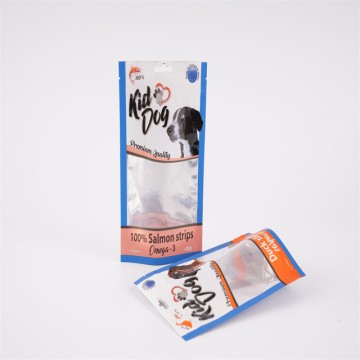
Product categories popular in Russia include traditional meat-based treats, fish-flavored snacks (reflecting Russian culinary preferences), and increasingly, functional treats with health benefits. Plastic pet snack pouches for the Russian market typically feature Cyrillic text, comply with specific labeling requirements mandated by Russian consumer protection laws, and incorporate design elements that resonate with local aesthetic preferences. Color psychology plays an important role, with Russian consumers associating certain colors with quality and trustworthiness.
In major Russian cities like Moscow and St. Petersburg, apartment living is predominant, influencing pet ownership patterns toward smaller breeds and cats. This urban demographic values convenience, premium quality, and innovative packaging formats. Stand-up pouches with resealable zippers are particularly popular, allowing easy storage in compact living spaces. Urban consumers are also more receptive to premium pricing for superior packaging that maintains product freshness and offers ease of use.
Russia's regional markets present distinct opportunities and challenges. In Siberia and the Far East, logistics costs are significantly higher, making lightweight flexible packaging economically advantageous compared to rigid containers. Regional distributors prefer pouches with robust construction that withstand multiple handling points and temperature fluctuations during extended transportation. Local retailers in these areas also value packaging that maximizes shelf space efficiency due to limited retail floor area.
For international suppliers of plastic pet snack pouches, the Russian market presents substantial opportunities despite certain complexities. Successful market entry typically requires partnership with established Russian distributors or importers who understand local business practices, regulatory requirements, and customer relationships. Trade shows such as ZooExpo Russia in Moscow and ParkZoo in St. Petersburg provide valuable platforms for establishing business connections and understanding market dynamics firsthand.
Pricing strategies must account for import duties, VAT (currently 20% in Russia), logistics costs, and distributor margins while remaining competitive with domestic and other international suppliers. Russian buyers typically seek flexible payment terms, particularly for initial orders, and value suppliers who can provide Russian-language technical documentation, certificates of conformity, and responsive customer support. Building long-term relationships based on reliability, consistent quality, and adaptability to changing requirements is essential for sustained success in the Russian market.

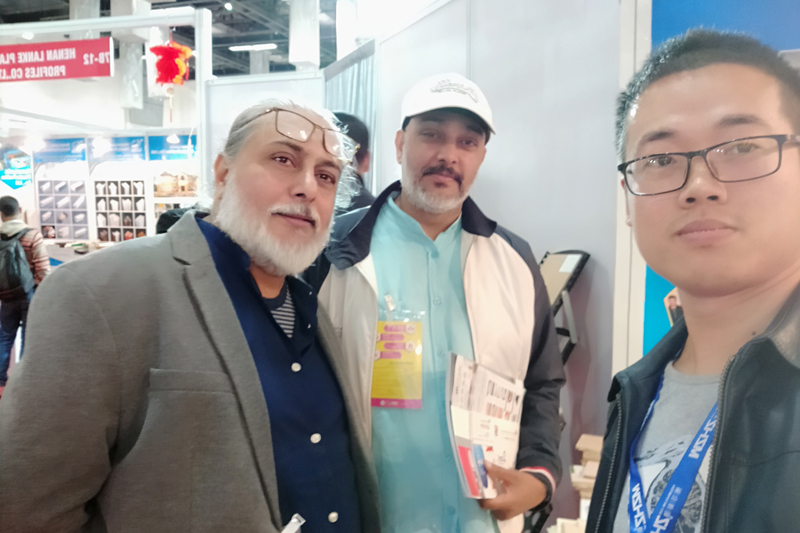
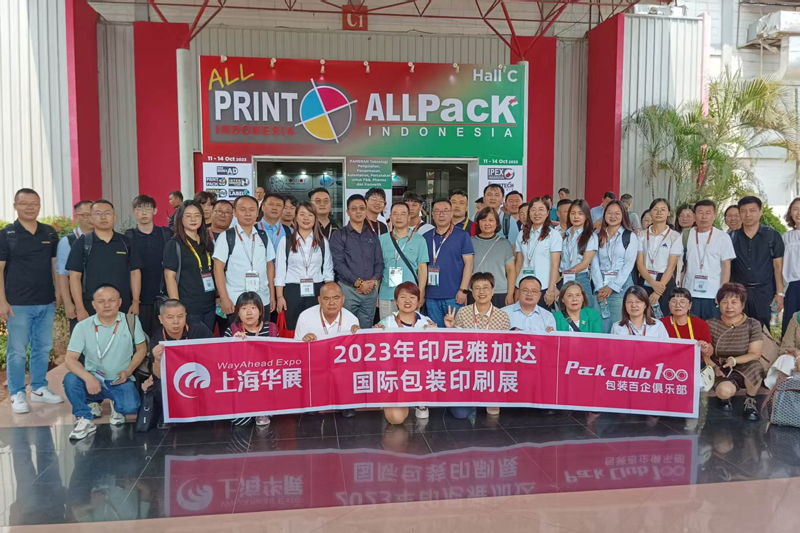
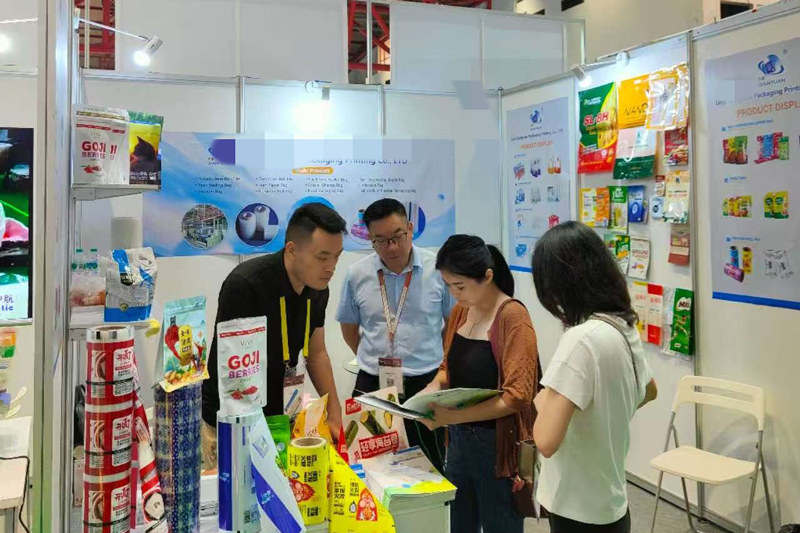
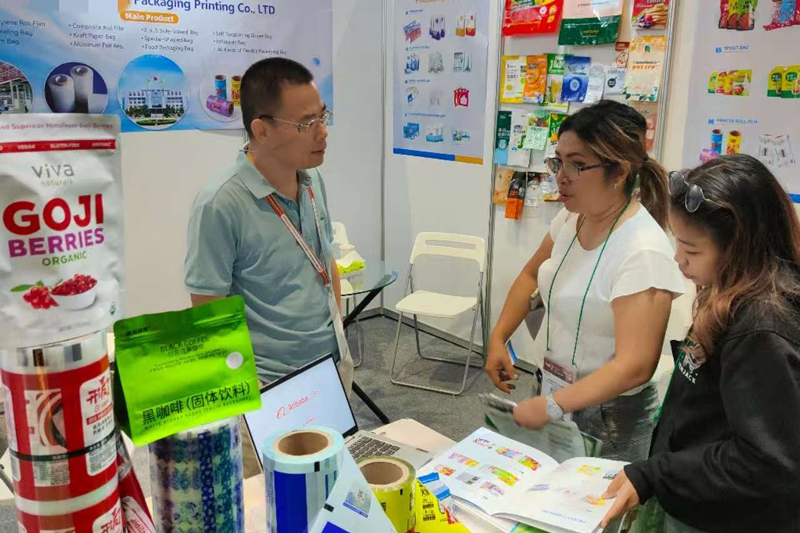
Over 23 years of production experience



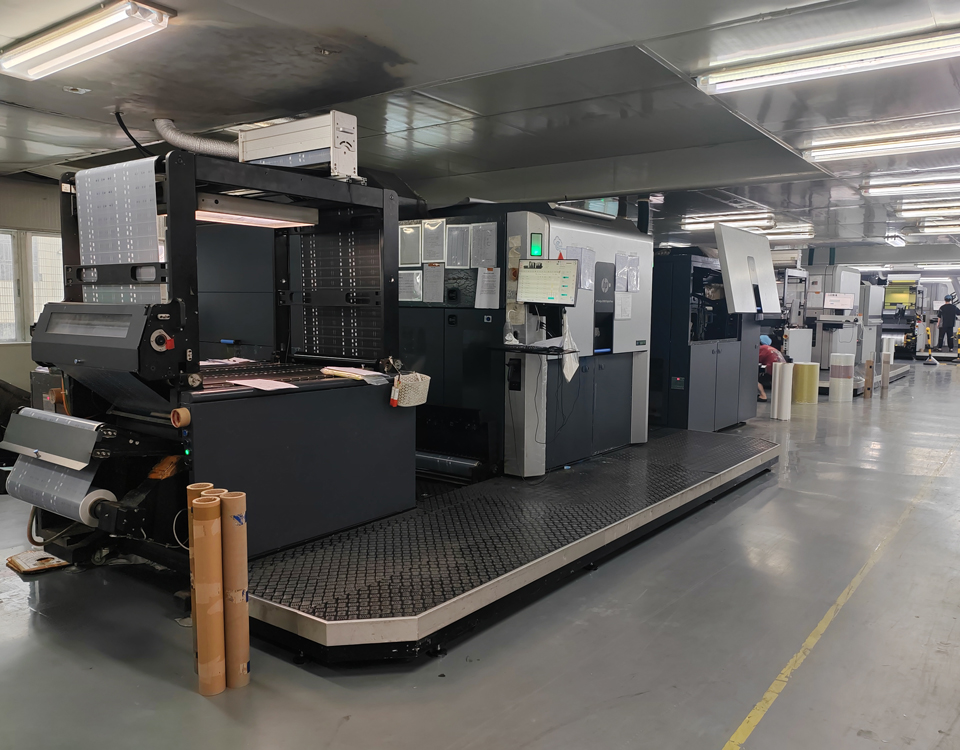

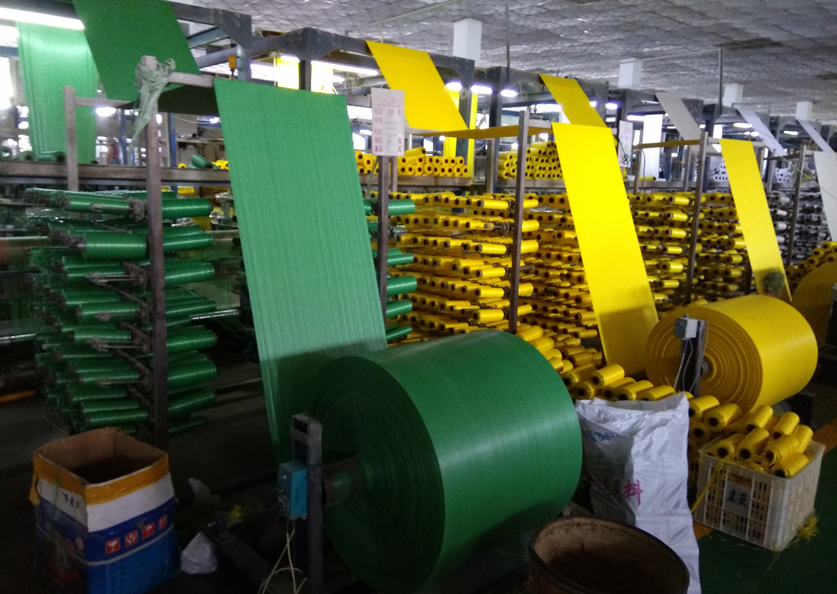
Since its establishment 23 years ago, relying on excellent product quality, comprehensive compliance guarantees, and efficient cross-border services, Jike Packaging Printing has established long-term cooperative relationships with customers in more than 50 countries and regions worldwide, including significant partnerships with Russian pet food manufacturers, distributors, and retail chains across Moscow, St. Petersburg, and regional markets. We understand the unique requirements of the Russian market, from regulatory compliance to consumer preferences, and provide tailored plastic pet snack pouch solutions that help our Russian partners succeed in their competitive marketplace. In the future, we will continue to focus on changes in international market demand, using innovative technology and high-quality services as a link to become a trusted cross-border flexible packaging printing partner for global customers, with special emphasis on expanding our capabilities to serve the growing Russian pet food packaging industry.