The Commercial and Industrial Evolution of Liquid Pet Food Packaging
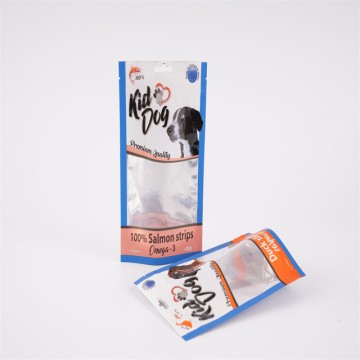
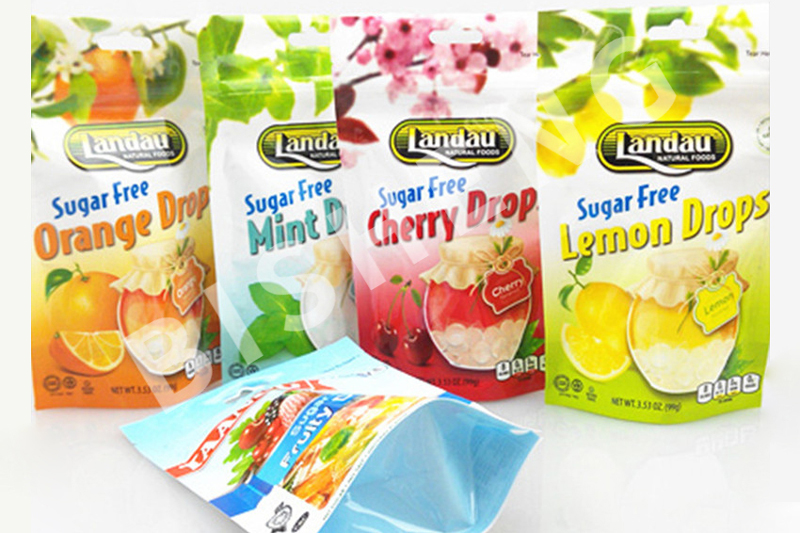
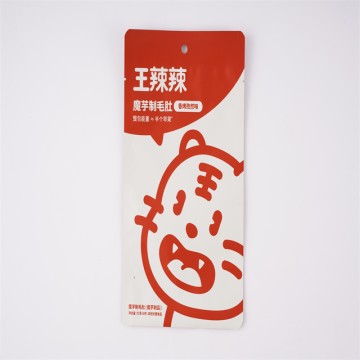
The global pet food industry is undergoing a monumental paradigm shift. Historically dominated by dry kibble packaged in large paper or woven bags, the market is experiencing an unprecedented surge in demand for wet, semi-liquid, and liquid pet foods. From nutrient-dense broths and gravies to pureed functional treats and clinical recovery formulas, modern pet owners are prioritizing hydration, palatability, and tailored nutrition for their companion animals. This shift has necessitated a parallel evolution in packaging materials and designs, bringing the Plastic Pet Food Bag For Convenient Resealable Liquid Pouching to the forefront of modern packaging technology.
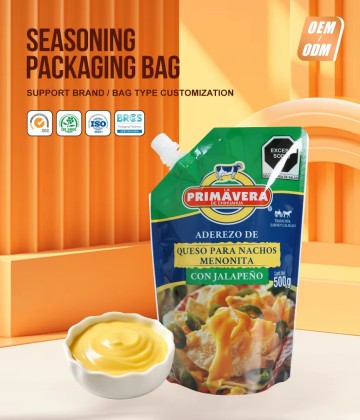
Today, flexible packaging solutions like stand-up pouches with integrated spouts and resealable caps are replacing traditional metal cans and rigid plastic tubs. The reasons are clear: they reduce shipping weight, minimize carbon footprints, optimize shelf space, and offer unmatched convenience to the consumer. For manufacturers, investing in high-barrier liquid pouching technology is no longer just an option—it is a critical strategy to capture market share in a highly competitive, premiumized pet care landscape.
Deep-Dive Technical Analysis: Material Engineering for Liquid Pet Food Pouches
Packaging liquids and semi-liquids presents unique challenges that dry food packaging never encounters. Liquid pet foods often contain high levels of fats, proteins, acids, and moisture, making them highly susceptible to oxidation, microbial growth, and structural degradation. To maintain freshness and guarantee a long shelf life, a highly engineered multi-layer film structure is essential.
Typically, a high-performance liquid pet food bag utilizes a laminated structure consisting of three or four distinct layers, each serving a specific functional purpose:
- Outer Layer (PET or BOPP): This layer provides the structural integrity of the pouch. It is highly printable, allowing for vibrant, high-definition gravure or flexographic graphics that drive brand appeal on retail shelves. It also protects the inner layers from external abrasion and heat during the sealing process.
- Barrier Layer (AL, VMPET, or EVOH): The barrier layer is the heart of the liquid pouch. Aluminum foil (AL) offers an absolute barrier against oxygen, moisture, and light, making it ideal for retort processing. For brands seeking metal-free or recyclable options, Ethylene Vinyl Alcohol (EVOH) or Metallized Polyester (VMPET) provides exceptional oxygen transmission rate (OTR) and water vapor transmission rate (WVTR) protection.
- Tie Layers (PE or Polyurethane Adhesives): These specialized adhesive layers bond the dissimilar materials together, ensuring the pouch does not delaminate when subjected to thermal processing, pressure, or chemical exposure from the liquid contents.
- Inner Sealing Layer (CPP or LLDPE): The innermost layer must be FDA-approved, food-grade, and chemically inert so it does not alter the taste or safety of the pet food. Cast Polypropylene (CPP) is widely used for retort pouches due to its high temperature resistance, while Linear Low-Density Polyethylene (LLDPE) provides excellent low-temperature sealability and drop-test performance for non-retort applications.
Why Spout and Cap Design Matters
The integration of a resealable plastic spout and cap is what transforms a standard pouch into a convenient liquid delivery system. These spouts must be heat-welded to the laminated film with absolute precision to prevent micro-leaks. Anti-choke caps are standard for consumer safety, while tamper-evident seals provide peace of mind to pet parents, proving that the product has not been compromised prior to use.
Diverse Application Scenarios of Resealable Liquid Pouches in Pet Care
The versatility of the plastic pet food bag for resealable liquid pouching allows brands to explore creative product formats that cater to various pet lifestyles and dietary requirements. Here are the primary application scenarios driving market growth today:
1. Lickable Treats and Purees
Lickable treats, particularly for cats, have exploded in popularity. These highly palatable purees are designed to be fed directly from the pouch or squeezed onto dry food. A small-format stand-up pouch with a narrow, resealable spout allows pet parents to dispense the treat incrementally, reinforcing the bond between pet and owner without mess or waste.
2. Nutritional Broths, Gravies, and Meal Toppers
Many pet owners use liquid toppers to entice picky eaters or add hydration to dry kibble diets. These broths are packed with collagen, amino acids, and joint-support supplements. A resealable spout pouch enables easy pouring and clean storage in the refrigerator between meals, keeping the product fresh and preventing odor transfer.
3. Veterinary and Clinical Liquid Diets
For pets recovering from illness, surgery, or dealing with chronic conditions, liquid diets are often prescribed. These specialized formulas require extremely reliable packaging that can undergo thermal sterilization (retort) to guarantee sterility. The high-barrier laminate structure ensures that the fragile vitamins and therapeutic compounds do not degrade over time.
4. On-the-Go and Travel Pet Nutrition
Active pet owners frequently travel, hike, and camp with their dogs. Carrying bulky cans or heavy plastic bottles is highly inconvenient. Lightweight, flexible liquid pouches are puncture-resistant, easy to pack, and can be rolled up and compressed once empty, making them the ultimate eco-friendly choice for outdoor enthusiasts.
Environmental Impact and Sustainable Manufacturing Practices
As sustainability becomes a core purchasing driver for global consumers, pet food brands are under intense pressure to reduce their environmental impact. Fortunately, flexible liquid pouches offer significant ecological advantages over rigid packaging alternatives.
From a life-cycle assessment (LCA) perspective, flexible pouches require up to 60% less plastic than rigid HDPE or PET bottles of equivalent volume, and they consume significantly less energy to manufacture. Furthermore, their lightweight and flat-packing nature prior to filling allows a single truck to transport the equivalent packaging volume of 25 trucks carrying empty glass jars or metal cans. This dramatically reduces transportation emissions and warehousing costs throughout the supply chain.
At Shandong Jike International Trade Co., Ltd., we are actively pioneering the development of mono-material recyclable laminates (such as all-PE structures) and compostable barrier films. These innovations ensure that pet food brands can meet their sustainability pledges without sacrificing the critical barrier properties required to keep liquid pet foods fresh and safe.
Industrial Trends: Automation, Smart Packaging, and the Future
Looking toward 2026 and beyond, several key trends are set to redefine the liquid pet food packaging landscape:
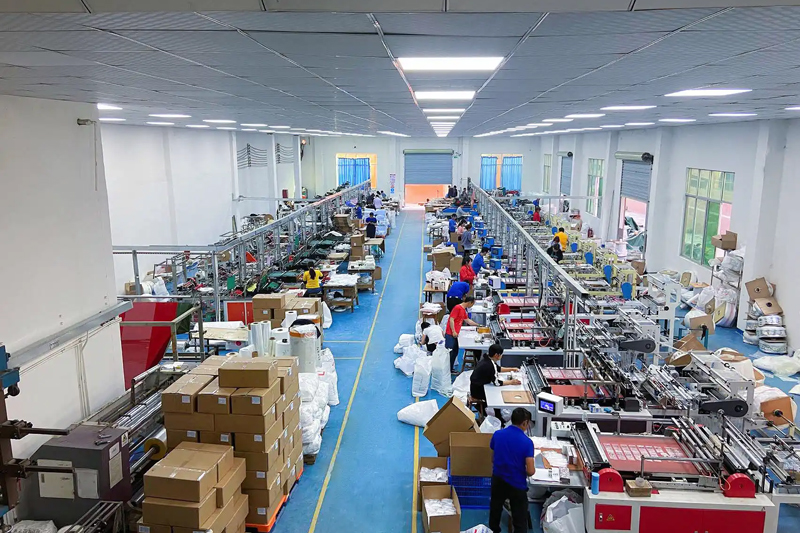
- High-Speed Filling Automation: Modern packaging facilities are adopting ultra-fast rotary filling and capping machines. Liquid pouches must be engineered with precise dimensional tolerances and coefficient of friction (COF) values to run smoothly on these automated lines without jamming or wrinkling.
- Smart Packaging Integration: QR codes and NFC tags are increasingly printed directly onto pet food pouches. This allows pet owners to trace the sourcing of the ingredients, access nutritional guides, and verify the authenticity of premium veterinary formulas instantly via their smartphones.
- Ergonomic & Inclusive Design: Easy-grip caps, integrated handles for larger liquid pouches (such as 1kg to 5kg bulk liquid feeds), and clear measurement windows are becoming standard features, enhancing the overall user experience.