Welcome to our company
Leave Your Message

Plastic Dry Pet Food Bag For Heavy-Duty Bulk Material Transport

Advanced Packaging Solutions for Industrial & Commercial Applications

Plastic Dry Pet Food Bags: The Evolution of Heavy-Duty Bulk Material Transport

In today's rapidly evolving packaging industry, plastic dry pet food bags have emerged as a critical solution for heavy-duty bulk material transport across multiple sectors. These specialized packaging solutions represent a convergence of advanced materials science, industrial engineering, and sustainable manufacturing practices. The global pet food packaging market, valued at over $9 billion in 2023, continues to expand at a compound annual growth rate (CAGR) of 4.8%, driven primarily by increasing pet ownership, premiumization trends, and the growing demand for convenient, durable packaging solutions that can withstand the rigors of international logistics and bulk transportation.
The significance of plastic dry pet food bags in heavy-duty bulk material transport extends far beyond simple containment. These bags serve as the critical interface between manufacturers, distributors, retailers, and end consumers, protecting valuable product investments while facilitating efficient supply chain operations. Modern plastic dry pet food bags incorporate multi-layer lamination technologies, typically combining polyethylene terephthalate (PET), aluminum foil, and linear low-density polyethylene (LLDPE) to create barriers against moisture, oxygen, light, and physical damage. This sophisticated construction enables the safe transport of bulk materials ranging from 5kg to 25kg or more, maintaining product integrity throughout extended shipping durations and challenging environmental conditions.

Current Industrial and Commercial Landscape

Market Dynamics and Industry Positioning
The commercial landscape for plastic dry pet food bags in heavy-duty bulk material transport is characterized by intense competition, technological innovation, and increasing regulatory scrutiny. Major manufacturing hubs in China, Southeast Asia, Europe, and North America compete to deliver cost-effective, high-performance packaging solutions that meet stringent food safety standards including FDA compliance, EU regulations, and various international certifications. The industry has witnessed significant consolidation, with leading packaging manufacturers investing heavily in automated production facilities capable of producing millions of bags monthly while maintaining consistent quality standards.
Current market trends reveal a pronounced shift toward sustainable packaging solutions without compromising the heavy-duty performance characteristics essential for bulk material transport. Manufacturers are increasingly adopting recyclable mono-material structures, incorporating post-consumer recycled (PCR) content, and developing compostable alternatives that maintain the structural integrity required for transporting substantial weight loads. This sustainability imperative is driven by both regulatory pressures—such as the European Union's Single-Use Plastics Directive—and consumer preferences, with recent surveys indicating that over 73% of pet owners consider environmental impact when selecting pet food products.
🏭
Manufacturing Excellence and Capacity
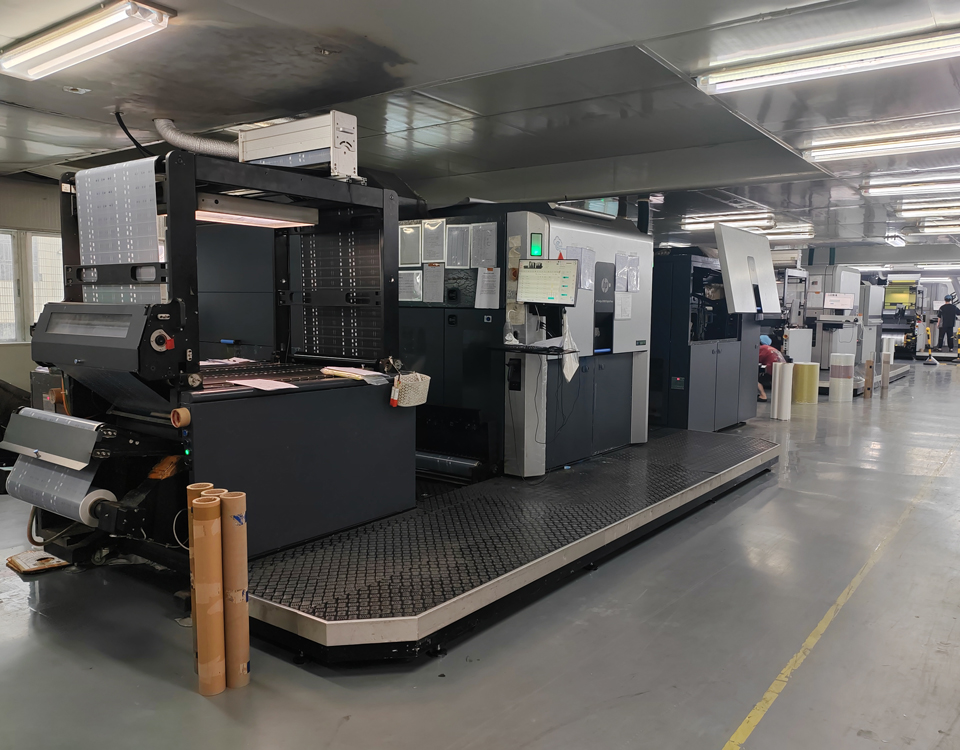
Leading manufacturers in the plastic dry pet food bag sector operate state-of-the-art facilities equipped with advanced gravure printing presses, high-speed lamination lines, and precision converting equipment. These facilities typically maintain production capacities exceeding 500 tons of finished packaging monthly, with quality control systems that monitor critical parameters including seal strength (typically 3-5 kg/15mm), puncture resistance (exceeding 500g force), and barrier properties (oxygen transmission rates below 1 cc/m²/24hrs). The integration of Industry 4.0 technologies—including IoT sensors, predictive maintenance systems, and real-time quality monitoring—has enhanced production efficiency by approximately 23% over the past five years while reducing defect rates to less than 0.1%.

Development Trends Shaping the Future

♻️
Circular Economy Integration
The transition toward circular economy models is fundamentally reshaping plastic dry pet food bag design for heavy-duty applications. Manufacturers are developing innovative take-back programs, designing for recyclability, and creating closed-loop systems that recover and reprocess used packaging materials.
🔬
Advanced Material Science
Breakthrough developments in polymer chemistry are producing next-generation materials with enhanced performance characteristics. Bio-based polyethylene derived from sugarcane, advanced barrier coatings using nanotechnology, and self-healing polymers represent the cutting edge of material innovation.
📱
Smart Packaging Integration
The incorporation of intelligent features such as QR codes, NFC tags, and time-temperature indicators transforms traditional packaging into interactive platforms. These technologies enable supply chain transparency, authentication, consumer engagement, and quality assurance throughout the bulk transport process.
The convergence of digital technologies with traditional packaging manufacturing is creating unprecedented opportunities for customization and functionality. Digital printing capabilities now enable short-run production of highly customized designs without the traditional cost barriers associated with plate-making for gravure printing. This democratization of customization allows smaller pet food brands to compete effectively with established players by creating distinctive packaging that resonates with target consumer segments. Furthermore, variable data printing enables serialization for track-and-trace applications, meeting emerging regulatory requirements in markets such as China and the European Union.
Another significant development trend involves the optimization of packaging formats specifically for e-commerce and direct-to-consumer distribution channels. The explosive growth of online pet food sales—which increased by 47% globally between 2020 and 2023—has created demand for plastic dry pet food bags that can withstand the unique stresses of parcel shipping while minimizing dimensional weight charges. Manufacturers are responding with innovative designs featuring reinforced corners, integrated handles for easy carrying, and compact formats that reduce shipping costs while maintaining the heavy-duty performance characteristics essential for bulk material transport.

Deep-Dive Application Scenario Analysis

Commercial Pet Food Manufacturing and Distribution
In commercial pet food manufacturing environments, plastic dry pet food bags for heavy-duty bulk material transport serve as the primary packaging format for products ranging from economy kibble to premium, grain-free formulations. Large-scale pet food manufacturers typically operate high-speed automated packaging lines capable of filling, sealing, and palletizing 60-120 bags per minute. These operations demand packaging materials that can withstand the mechanical stresses of automated handling equipment, maintain seal integrity under varying temperature conditions (from -20°C in frozen storage to 40°C in tropical shipping containers), and provide consistent performance across millions of units.
The distribution phase presents additional challenges that heavy-duty plastic bags must address. Bulk pallets containing 40-50 bags of 20kg pet food must maintain structural integrity during forklift handling, warehouse stacking (often 4-5 pallets high), cross-docking operations, and final delivery to retail locations. The bags must resist punctures from adjacent products, prevent moisture ingress during outdoor storage, and maintain graphics quality despite abrasion from handling. Leading manufacturers address these requirements through careful material selection, typically employing 120-150 micron total thickness with strategically positioned reinforcement layers at stress points such as corners and seal areas.
🌍
International Bulk Export Operations
International bulk export of pet food ingredients and finished products represents one of the most demanding application scenarios for plastic dry pet food bags. Container shipments crossing multiple climate zones—from temperate manufacturing regions through tropical shipping routes to destination markets—expose packaging to extreme temperature fluctuations, high humidity, and extended transit durations often exceeding 45 days. Successful bulk transport packaging must incorporate high-barrier materials that maintain oxygen transmission rates below 0.5 cc/m²/24hrs, moisture vapor transmission rates under 2 g/m²/24hrs, and provide complete protection against insect penetration and contamination. Additionally, the packaging must comply with phytosanitary requirements, fumigation protocols, and customs documentation standards across multiple jurisdictions.
Agricultural and Feed Industry Applications
Beyond companion animal nutrition, plastic dry pet food bags designed for heavy-duty bulk material transport find extensive application in the broader agricultural and feed industry sectors. Livestock feed supplements, aquaculture nutrition products, and specialty animal feeds all require robust packaging capable of protecting sensitive nutritional components while facilitating efficient bulk handling. In these applications, bags often feature specialized designs including breathable membranes for products with residual moisture, anti-static treatments for dusty materials, and UV-resistant formulations for outdoor storage conditions.
The aquaculture industry presents particularly stringent requirements for bulk feed packaging. Fish and shrimp feeds contain high concentrations of oils and fats that can migrate through packaging materials, requiring specialized barrier layers that resist oil permeation while maintaining flexibility at low temperatures. Additionally, the marine environment exposes packaging to salt spray, intense UV radiation, and mechanical abrasion from handling on fishing vessels and aquaculture platforms. Manufacturers serving this sector typically employ co-extruded structures incorporating ethylene vinyl alcohol (EVOH) or polyvinylidene chloride (PVDC) barrier layers, combined with UV stabilizers and anti-blocking agents to ensure consistent performance in challenging marine conditions.
Institutional and Food Service Bulk Packaging
Institutional buyers including zoos, animal shelters, veterinary hospitals, boarding facilities, and large-scale breeding operations represent a significant market segment for heavy-duty bulk material transport packaging. These customers typically purchase pet food in larger formats (15-25kg bags) to achieve cost efficiencies and reduce packaging waste. However, their handling environments often lack the sophisticated material handling equipment found in retail distribution centers, placing additional demands on packaging durability and user-friendliness.
Successful packaging designs for institutional applications incorporate features such as reinforced handles rated for the full product weight, easy-open tear notches positioned for convenient access, and reclosable zipper systems that maintain product freshness after initial opening. The bags must withstand repeated handling by multiple staff members, resist tearing during manual transport across rough surfaces, and provide clear product identification even when stored in dimly lit warehouse environments. Manufacturers address these requirements through careful ergonomic design, typically positioning handles 75-100mm from the top seal and reinforcing them with additional material layers or webbing to distribute stress and prevent tearing.

Technical Specifications and Performance Standards

Material Construction and Layer Architecture
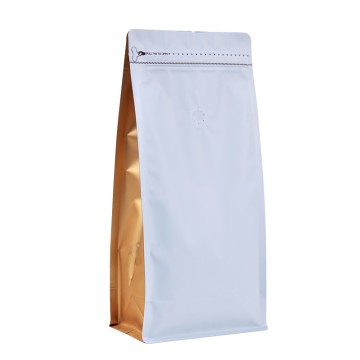
High-performance plastic dry pet food bags for heavy-duty bulk material transport typically employ multi-layer laminated structures optimized for specific performance requirements. A standard construction for premium applications might consist of: 12-micron PET (providing mechanical strength and printability), 9-micron aluminum foil (delivering superior barrier properties), 15-micron oriented polypropylene (OPP) for additional strength, and 80-micron cast polypropylene (CPP) or linear low-density polyethylene (LLDPE) as the heat-sealable inner layer. This configuration delivers exceptional barrier performance with oxygen transmission rates below 0.1 cc/m²/24hrs and moisture vapor transmission rates under 0.5 g/m²/24hrs, ensuring extended shelf life for sensitive pet food formulations.
For applications prioritizing sustainability without compromising performance, manufacturers are developing alternative structures using metallized films instead of aluminum foil. Metallized PET or metallized OPP provides barrier properties approaching 80-90% of aluminum foil performance while maintaining recyclability in specialized recycling streams. These structures typically employ: 12-micron metallized PET, 15-micron OPP, and 100-micron LLDPE, achieving oxygen transmission rates of 1-2 cc/m²/24hrs—sufficient for most dry pet food applications with shelf life requirements of 12-18 months.
Seal Integrity and Mechanical Performance
  • Seal strength specifications: Minimum 3.5 kg/15mm width for side seals, 4.5 kg/15mm for bottom seals
  • Hot tack strength: Minimum 800g at sealing temperatures to prevent seal failure during cooling
  • Dart drop impact resistance: Minimum 500g for bags up to 10kg capacity, 800g for bags exceeding 15kg
  • Tensile strength: Minimum 40 MPa in machine direction, 35 MPa in transverse direction
  • Puncture resistance: Minimum 25N force required for penetration using 1mm probe
  • Coefficient of friction: 0.2-0.4 for exterior surface to enable stable palletization

Sustainability Initiatives and Environmental Responsibility

The environmental impact of plastic packaging has become a central concern for manufacturers, regulators, and consumers alike. The pet food packaging industry is responding through comprehensive sustainability initiatives that address the entire lifecycle of plastic dry pet food bags used in heavy-duty bulk material transport. Leading manufacturers have committed to ambitious targets including 100% recyclable, reusable, or compostable packaging by 2030, reduction of virgin plastic content by 25-50% through incorporation of post-consumer recycled materials, and achievement of carbon neutrality in manufacturing operations.
Practical implementation of these commitments involves significant technical challenges. Incorporating post-consumer recycled (PCR) content into food-contact packaging requires careful material selection and processing to ensure compliance with food safety regulations. The FDA's guidance on recycled plastics in food packaging mandates that recycling processes achieve adequate contaminant removal, typically through super-clean recycling processes or functional barrier approaches. Manufacturers successfully incorporating 30-50% PCR content in the non-food-contact layers of multi-layer structures demonstrate that sustainability and performance can coexist when supported by appropriate technical solutions and quality control systems.
Circular Economy Models and Extended Producer Responsibility
The transition toward circular economy models requires systemic changes extending beyond individual packaging design decisions. Extended Producer Responsibility (EPR) schemes implemented in Europe, parts of Asia, and increasingly in North America require packaging manufacturers and brand owners to finance collection, sorting, and recycling infrastructure. These programs are driving innovation in packaging design-for-recycling, with manufacturers optimizing material selection to enhance compatibility with existing recycling streams. For example, transitioning from multi-material laminations to mono-material polyethylene structures—while maintaining acceptable barrier performance through specialized coatings—significantly improves recyclability and reduces EPR fees.
Emerging technologies such as chemical recycling (also called advanced recycling) offer potential solutions for packaging structures that cannot be effectively recycled through mechanical processes. Pyrolysis and depolymerization technologies can break down complex multi-layer structures into basic chemical building blocks suitable for producing virgin-quality polymers. While currently more expensive than mechanical recycling, scaling of these technologies could enable truly circular systems for high-performance packaging materials essential for heavy-duty bulk material transport applications.

Quality Assurance and Compliance Standards

Ensuring consistent quality in plastic dry pet food bags for heavy-duty bulk material transport requires comprehensive quality management systems spanning raw material procurement through finished product delivery. Leading manufacturers maintain ISO 9001 certified quality management systems, ISO 14001 environmental management systems, and ISO 45001 occupational health and safety management systems. Additionally, food safety management systems certified to FSSC 22000 or BRC Global Standard for Packaging Materials provide assurance that manufacturing processes meet stringent requirements for food-contact packaging production.
Raw material qualification represents the critical first step in quality assurance. Incoming films, adhesives, and inks undergo rigorous testing including verification of thickness specifications (±5% tolerance), barrier property testing using specialized permeation testing equipment, and migration testing to ensure compliance with food-contact regulations. Many manufacturers maintain approved vendor lists and conduct regular supplier audits to ensure consistent material quality. This upstream quality focus prevents defects that could compromise bag performance during heavy-duty bulk material transport applications.
Testing Protocols and Performance Verification
Comprehensive testing protocols validate that finished bags meet specified performance requirements. Drop testing simulates the impact forces encountered during handling and transport, with bags filled to rated capacity dropped from heights of 1.2-1.5 meters onto concrete surfaces. Successful bags must maintain seal integrity and show no signs of rupture or leakage. Vibration testing using specialized equipment simulates transportation conditions, with filled bags subjected to controlled vibration at frequencies of 3-100 Hz for extended periods. Stacking tests verify that bags maintain dimensional stability and do not deform excessively when palletized, with test protocols typically involving stacking loads equivalent to 4-5 pallets for 30-day durations at elevated temperatures (35-40°C) and humidity (75-85% RH).

Future Outlook and Industry Evolution

The future of plastic dry pet food bags for heavy-duty bulk material transport will be shaped by converging technological, regulatory, and market forces. Continued advancement in material science promises packaging solutions that deliver superior performance with reduced environmental impact. Innovations such as graphene-enhanced barrier coatings, bio-based polymers with properties matching conventional plastics, and self-healing materials that extend package life represent the frontier of packaging technology. These developments will enable manufacturers to meet increasingly stringent sustainability requirements without compromising the durability and protective properties essential for bulk material transport.
Regulatory evolution will continue driving industry transformation. Anticipated developments include expanded EPR schemes covering more jurisdictions, increased recycled content mandates (potentially requiring 30-50% PCR content in packaging), and restrictions on specific additives or material combinations that impede recyclability. Proactive manufacturers are already adapting to this regulatory trajectory by investing in recyclable designs, establishing relationships with recycling infrastructure operators, and developing transparent supply chain documentation systems that demonstrate compliance with emerging regulations.
Market dynamics will increasingly favor packaging solutions that deliver measurable value beyond basic containment. Brand owners seek packaging that enhances consumer engagement through interactive features, communicates sustainability credentials through credible certifications and transparent information, and optimizes total cost of ownership through improved logistics efficiency and reduced waste. Manufacturers capable of delivering these multifaceted value propositions—combining heavy-duty performance, environmental responsibility, and enhanced functionality—will capture growing market share in the expanding global pet food industry.
The integration of digital technologies throughout the packaging value chain will create new opportunities for optimization and innovation. Real-time monitoring of packaging performance during distribution, predictive analytics identifying potential quality issues before they impact customers, and automated customization systems delivering personalized packaging at scale represent the future of intelligent packaging systems. These capabilities will enable unprecedented levels of supply chain efficiency, quality assurance, and customer satisfaction in heavy-duty bulk material transport applications.
about
23

Over 23 years of production experience

about2
abbg

About Us

Shandong Jike International Trade Co., Ltd.

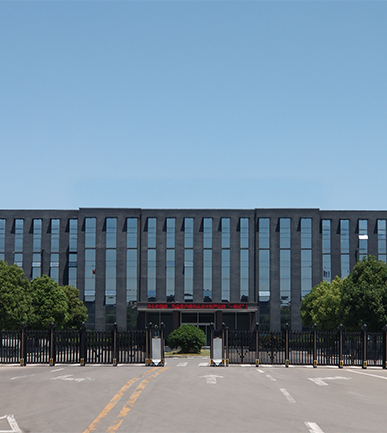
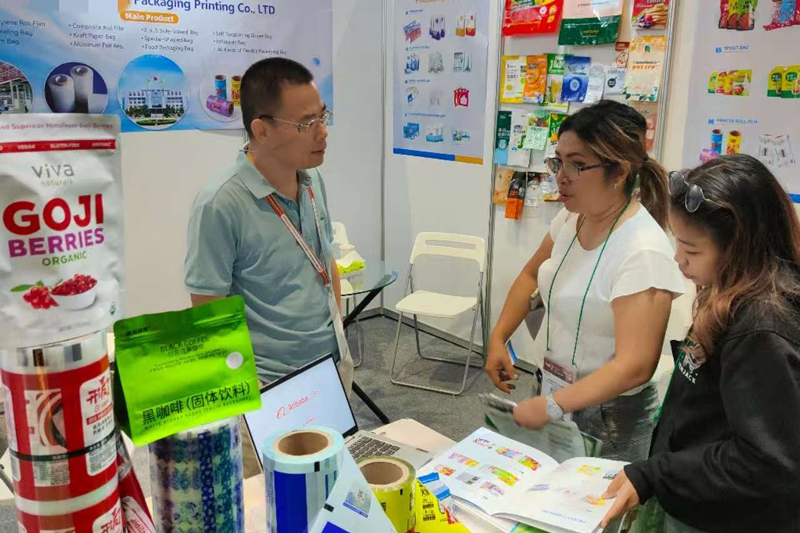
Shandong Jike International Trade Co., Ltd. is a state-owned professional food packaging and printing enterprise, established in 2003 and located in Shandong Province, eastern China. The company has obtained and passed ISO9001, ISO14001, and ISO45001 certifications, and all our products have passed QS food safety certification.
  • 2003
    Established in
  • 100 +
    Employees
  • 500 +
    More Than 500 Clients All Over The World
  • 70 +
    Export to 70+ Countries
Core Export Products
 
about3
 
0e603a4a50736b3d4ae8f589378e4258
 
Welcome to learn about our company
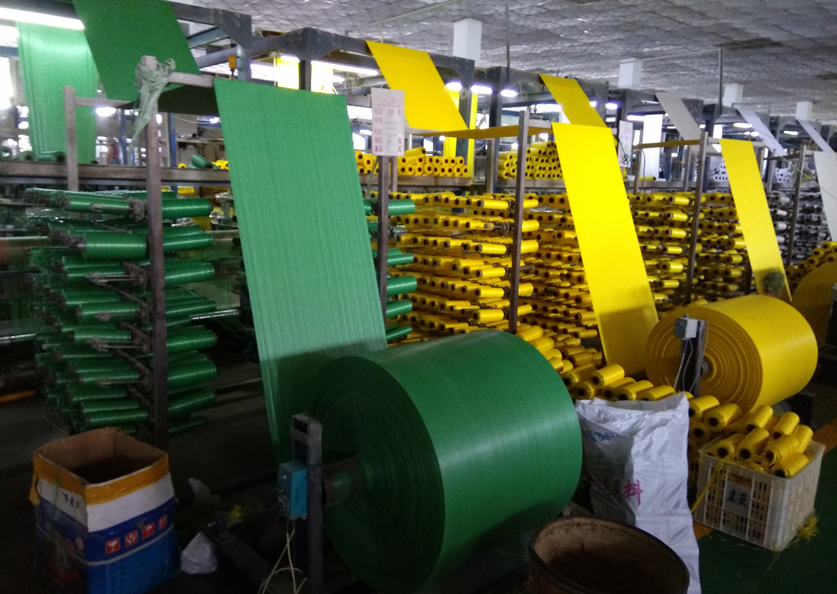
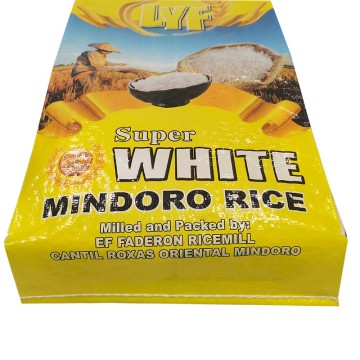
The company's core export products cover the needs of multiple industries, mainly including food-grade flexible packaging, pet food packaging, polyethylene film, and woven packaging bags, which can accurately match the market standards of different regions such as North America, the European Union, Southeast Asia, and the Middle East. We also support multi-language design and printing, barcode/QR code customization, material combination selection, and thickness selection to fully meet the needs of cross-border trade.

about uscross-border delivery capabilities

In terms of supply chain and service, the company has strong cross-border delivery capabilities. We have standardized production workshops and automated production lines, with flexible minimum order quantities for regular products. We undertake both small-batch customization and large-volume order production; we have established a strict quality control system, tracing the entire process from raw material procurement and production processing to finished product inspection, ensuring that every batch of products meets the quality standards of the importing country; and we are equipped with a professional cross-border logistics team to support various transportation methods such as full container shipping, LCL shipping, and air freight.
about4

Get In Touch

Since its establishment 23 years ago, relying on excellent product quality, comprehensive compliance guarantees, and efficient cross-border services, Jike Packaging Printing has established long-term cooperative relationships with customers in more than 50 countries and regions worldwide, serving clients including globally renowned food manufacturers, brand owners, and trading companies. In the future, we will continue to focus on changes in international market demand, using innovative technology and high-quality services as a link to become a trusted cross-border flexible packaging printing partner for global customers.

contact us

exhibition

exhibition1
 
 
exhibition2
 
 
exhibition3
 
 
exhibition4
 
 
exhibition5
 
 
exhibition6
 
 
exhibition7
 
 
exhibition8