Welcome to our company

Leave Your Message
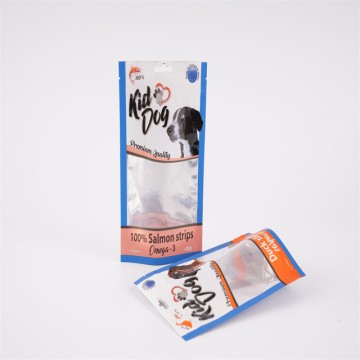
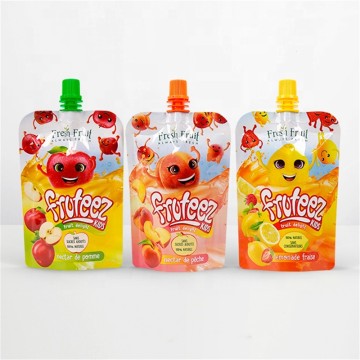
The United States pet food packaging industry represents one of the most dynamic and rapidly evolving sectors within the broader packaging market. With Americans spending over $123 billion annually on their pets, the demand for high-quality, innovative packaging solutions has never been greater. The plastic dry pet food bag segment specifically has experienced remarkable growth, driven by consumer preferences for convenience, product freshness, and sustainability.
The US market is characterized by stringent regulatory requirements from the FDA and USDA, ensuring that all packaging materials meet food-grade safety standards. Manufacturers must comply with the Federal Food, Drug, and Cosmetic Act, which mandates that packaging materials be safe for their intended use and not transfer harmful substances to pet food products.
Major production hubs are concentrated in the Midwest and Southeast regions, particularly in states like Ohio, Indiana, Illinois, and North Carolina, where access to raw materials, transportation networks, and skilled labor converge. These regions have established themselves as centers of excellence for flexible packaging manufacturing, serving both domestic and international markets.
The premiumization trend in pet food has significantly impacted packaging requirements. Pet owners increasingly view their animals as family members, driving demand for packaging that reflects quality, safety, and environmental responsibility. This shift has accelerated innovation in barrier technologies, resealable closures, and sustainable materials.
The commercial landscape for plastic dry pet food bags in the United States is highly competitive, with both large multinational corporations and specialized regional manufacturers serving the market. The industry has witnessed significant consolidation over the past decade, as major packaging companies acquire smaller specialized firms to expand their capabilities and market reach.
Manufacturing facilities across the US employ advanced technologies including multi-layer co-extrusion, rotogravure printing, and sophisticated quality control systems. The average production facility operates with high-speed equipment capable of producing thousands of bags per hour, with customization options ranging from small batch runs for boutique pet food brands to massive production volumes for national retailers.
The industrial infrastructure supporting this sector includes extensive supply chains for raw materials such as polyethylene, polypropylene, and various barrier films. Major chemical companies like Dow, ExxonMobil, and LyondellBasell provide the polymer resins, while specialized film manufacturers convert these materials into the multi-layer structures required for optimal product protection.
US manufacturers have invested heavily in automation and Industry 4.0 technologies, incorporating IoT sensors, predictive maintenance systems, and real-time quality monitoring. This technological advancement ensures consistent product quality while optimizing production efficiency and reducing waste.
The push toward sustainability has become the dominant trend in pet food packaging. Manufacturers are developing recyclable mono-material structures, incorporating post-consumer recycled content, and exploring compostable alternatives. Major retailers like Walmart and Target have set ambitious goals requiring suppliers to use 100% recyclable or compostable packaging by 2030, driving widespread industry transformation.
Innovation in barrier technologies continues to advance, with new metallized films, nano-coatings, and oxygen scavenger systems extending product shelf life while reducing material usage. These technologies are particularly critical for premium and organic pet foods that avoid artificial preservatives, requiring packaging to provide superior protection against oxygen, moisture, and light.
Digital integration through QR codes, NFC tags, and augmented reality features is transforming packaging into an interactive platform. Pet food brands use these technologies to provide consumers with product information, feeding guidelines, batch traceability, and loyalty program integration, enhancing brand engagement and consumer trust.
As pet food brands compete for shelf space and consumer attention, packaging design has become increasingly sophisticated. High-definition digital printing, matte finishes, soft-touch coatings, and window features allow brands to differentiate their products and communicate premium quality. The trend toward minimalist, clean designs with bold typography reflects broader consumer preferences.
The explosive growth of online pet food sales, accelerated by the COVID-19 pandemic, has created new packaging requirements. Bags must withstand the rigors of shipping while maintaining product integrity and providing an unboxing experience that reinforces brand value. This has led to innovations in puncture resistance, seal strength, and secondary packaging integration.
Consumer demand for convenience drives continuous improvement in functional features. Resealable zippers, tear notches, easy-open features, and ergonomic handles have become standard expectations. Additionally, portion control features and measuring guides printed on packaging help pet owners maintain proper feeding practices, adding value beyond simple containment.
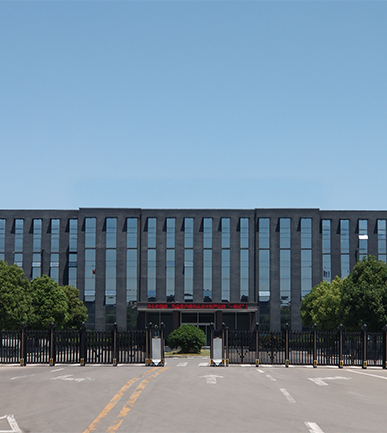

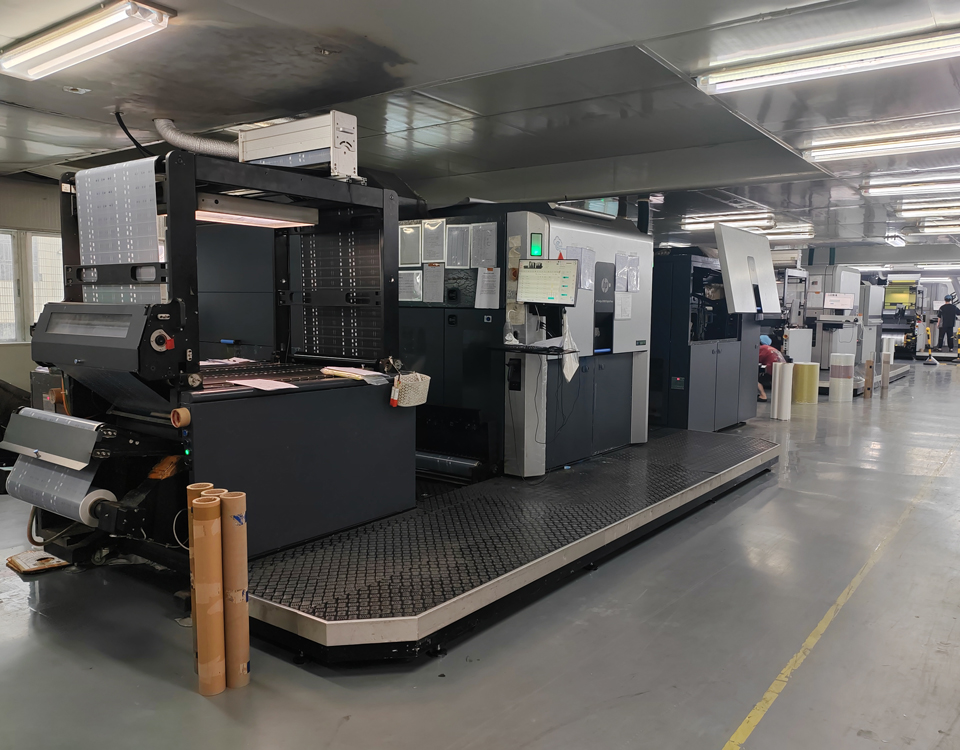
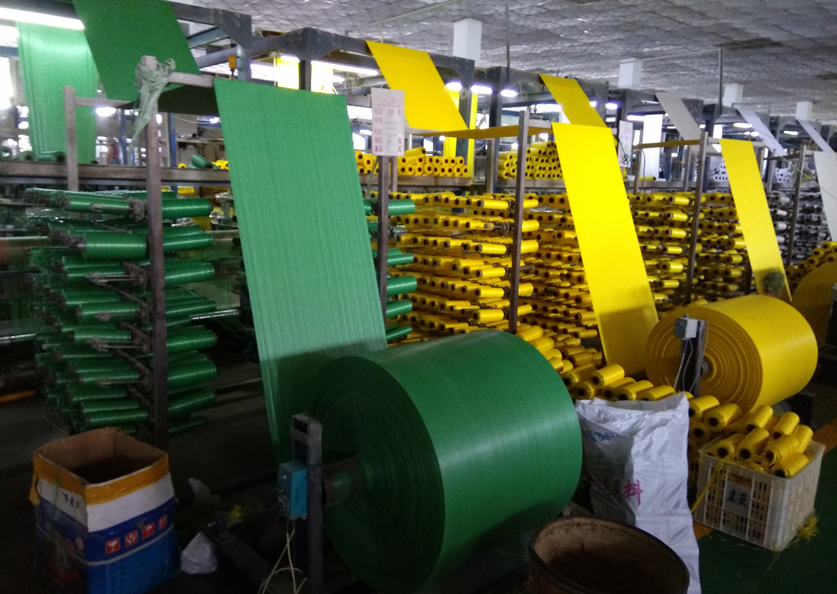
Since its establishment 23 years ago, relying on excellent product quality, comprehensive compliance guarantees, and efficient cross-border services, Jike Packaging Printing has established long-term cooperative relationships with customers in more than 50 countries and regions worldwide, serving clients including globally renowned food manufacturers, brand owners, and trading companies. In the future, we will continue to focus on changes in international market demand, using innovative technology and high-quality services as a link to become a trusted cross-border flexible packaging printing partner for global customers.
Contact Us