Welcome to our company

Leave Your Message
Explore our top-performing flexible packaging designs, engineered to preserve nutritional value, extend shelf life, and provide premium shelf appeal for professional pet food brands worldwide.
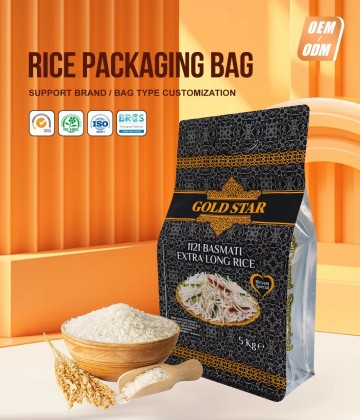
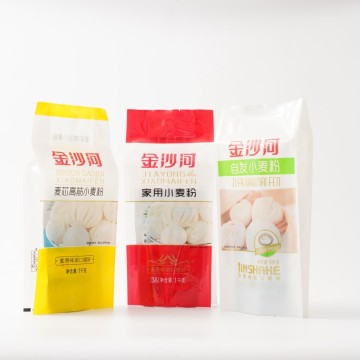
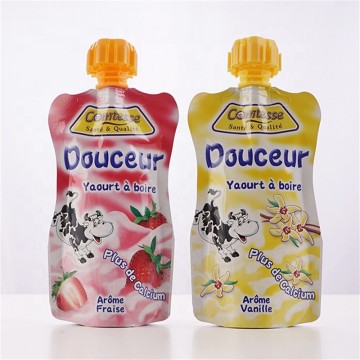
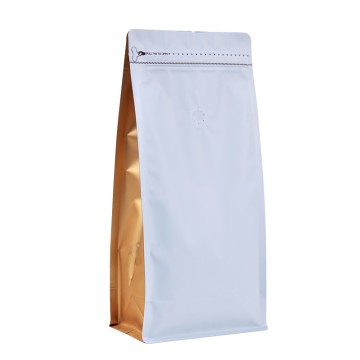
The global pet care industry is experiencing an unprecedented phase of premiumization. Pets are no longer viewed merely as domestic animals but as integral members of the family. This behavioral shift has directly influenced the demand for high-quality, nutritionally dense pet food, which in turn has placed strict requirements on packaging. The Plastic Cat Food Pouch For Professional Pet Food Packaging has emerged as the gold standard in the industry, replacing traditional metal cans and rigid containers. This transition is driven by the need for superior barrier protection, lightweight logistics, consumer convenience, and eye-catching aesthetics on retail shelves.
From a commercial perspective, flexible plastic pouches represent a significant cost-efficiency opportunity for pet food brands. Standard rigid tin cans are heavy, prone to denting, and require substantial space during transportation and warehousing. In contrast, empty flexible stand-up pouches and flat-bottom bags are shipped flat, saving up to 85% in freight volume and reducing carbon emissions across the supply chain. Once filled, their high strength-to-weight ratio minimizes product damage during distribution, which is particularly critical in the booming e-commerce sector where packages undergo multiple transit touchpoints.
By transitioning from rigid tin cans to high-barrier plastic cat food pouches, manufacturers can reduce packaging weight by up to 70%, translating directly into lower fuel consumption, reduced shipping costs, and a minimized carbon footprint.
In the industrial manufacturing sphere, modern pet food brands require packing materials that can withstand rigorous thermal processing (such as retort sterilization for wet cat food) or maintain absolute gas-tight seals for sensitive freeze-dried treats. The production of these pouches demands advanced co-extrusion and lamination technologies. Leading factories utilize multi-layer structures, combining different polymers like Polyethylene Terephthalate (PET), Oriented Nylon (OPA/PA), Aluminum Foil (AL), and Cast Polyethylene (CPE) to create tailored barriers. This engineering prevents oxygen ingress, blocks UV light, locks in essential fatty acids, and keeps moisture out, ensuring the food remains fresh and palatable for up to two years.
Shandong Jike International Trade Co., Ltd. is a state-owned professional food packaging and printing enterprise, established in 2003 and located in Shandong Province, eastern China. Over the past two decades, we have evolved into a global powerhouse in the flexible packaging industry, integrating advanced R&D, state-of-the-art manufacturing, and international trade operations.
Our manufacturing facility is certified under ISO9001, ISO14001, and ISO45001, reflecting our unwavering commitment to quality management, environmental sustainability, and occupational health safety. Furthermore, all our products have passed the stringent QS food safety certification, assuring pet food brands and consumers alike that our packaging materials are 100% safe for direct food contact.
To appreciate the complexity of a professional Plastic Cat Food Pouch, one must examine the material science that prevents spoilage. Pet foods, particularly cat foods, are rich in fats, proteins, and moisture. When exposed to oxygen, these fats oxidize quickly, leading to rancidity, loss of nutritional value, and off-flavors that cats—notoriously picky eaters—will reject immediately.
To combat this, professional packaging utilizes a laminated structure where each layer serves a distinct functional purpose:
| Layer Position | Common Materials | Primary Function |
|---|---|---|
| Outer Layer | PET, BOPP, Matte PET | Provides structural integrity, high heat resistance, scratch resistance, and serves as the printing substrate for high-definition graphics. |
| Middle Barrier Layer | AL (Aluminum Foil), VMPET, OPA (Nylon) | Offers near-zero oxygen and moisture transmission rates. Nylon adds extreme puncture resistance to prevent damage from sharp kibbles. |
| Inner Sealant Layer | LLDPE, CPP, Retort-grade PP | Provides excellent heat-sealing properties, mechanical strength, and chemical resistance to fats and oils. Must be strictly food-grade. |
For wet cat food applications, the packaging must survive the "retort" process. Retort processing involves heating the sealed pouch to temperatures between 121°C and 135°C under high pressure to sterilize the contents. This requires specialized adhesives and raw polymers that do not delaminate or release harmful chemicals under extreme heat. Shandong Jike's engineering team utilizes food-safe, high-temperature retort laminates that guarantee structural integrity throughout the sterilization cycle, keeping wet food fresh without the need for chemical preservatives.
We offer a comprehensive, end-to-end service framework designed to optimize your packaging line, enhance brand visibility, and guarantee product freshness from our factory to the pet owner's home.


To choose the optimal packaging, it is essential to analyze the specific application scenarios within the professional pet food sector. Different cat food products present unique preservation challenges, and the packaging design must respond accordingly.
Wet cat food, including chunks in gravy, pates, and broths, has high moisture content (often exceeding 75%). This environment is highly susceptible to bacterial growth if exposed to air. The packaging must act as an absolute barrier. Retort pouches are sterilized at high heat after filling, creating a shelf-stable product. Key requirements here are high seal strength to prevent bursting during pressure changes in the retort chamber, and excellent thermal stability of the inner CPP layer.
Dry cat food relies on maintaining a low moisture level to prevent mold growth, while simultaneously protecting the high fat content from oxidation. Large-format bags (1kg to 10kg) require sturdy flat-bottom or side-gusseted structures. Ergonomic features such as top slide zippers, hook-and-loop closures (like Velcro), and reinforced handles are critical. Puncture resistance is also vital, as dry kibble can have sharp edges that can pierce thin films during shipping.
Freeze-drying is a premium preservation method that removes almost all water content while retaining nutritional value. However, freeze-dried treats are extremely hygroscopic—they absorb moisture from the air instantly. Packaging for freeze-dried cat treats requires a high-barrier metalized film (such as VMPET or Aluminum Foil) and a reliable resealable zipper. Even a microscopic leak will cause the treats to soften, lose their texture, and spoil.
Liquid treats and purees have taken the cat treat market by storm. These are typically packaged in long, narrow "stick pack" pouches or stand-up spout pouches. Spout pouches allow for portion-controlled dispensing and resealing, making them highly convenient for pet owners. The spout design must be leak-proof, and the laminate must withstand squeezing and flexing without cracking.
The pet food packaging industry is moving rapidly toward environmental sustainability. Historically, multi-layer laminated pouches were difficult to recycle because separating the different plastic and metal layers was economically unviable. Today, the industry is witnessing a revolution in **mono-material recyclable packaging**.
Manufacturers are developing all-polyethylene (PE/PE) or all-polypropylene (PP/PP) laminated structures. These mono-material pouches offer barrier properties comparable to traditional multi-material films while being fully recyclable in existing soft plastic recycling streams. Additionally, bio-based plastics derived from renewable resources and compostable barrier films are undergoing intensive R&D to further reduce the ecological footprint of pet care products.
Another major trend is the integration of **Smart Packaging Technology**. By printing unique QR codes or RFID tags on the pouches, brands can offer full supply chain traceability, allowing consumers to scan the package and view the origin of the ingredients, manufacturing dates, and quality control reports. Furthermore, active packaging technologies, such as oxygen scavengers integrated directly into the film layers, are being utilized to actively extend freshness and protect delicate nutrients.
Browse our complete range of professional flexible packaging options, including stand-up pouches, spout pouches, flat-bottom bags, and heavy-duty woven sacks, designed for global distribution.
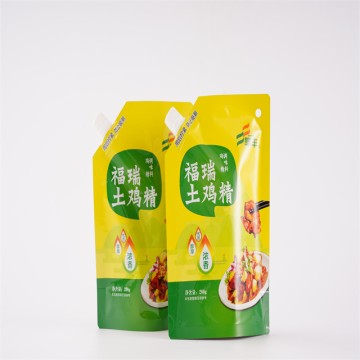
Stay updated with the latest technological shifts, environmental mandates, and design innovations shaping the future of global flexible packaging.
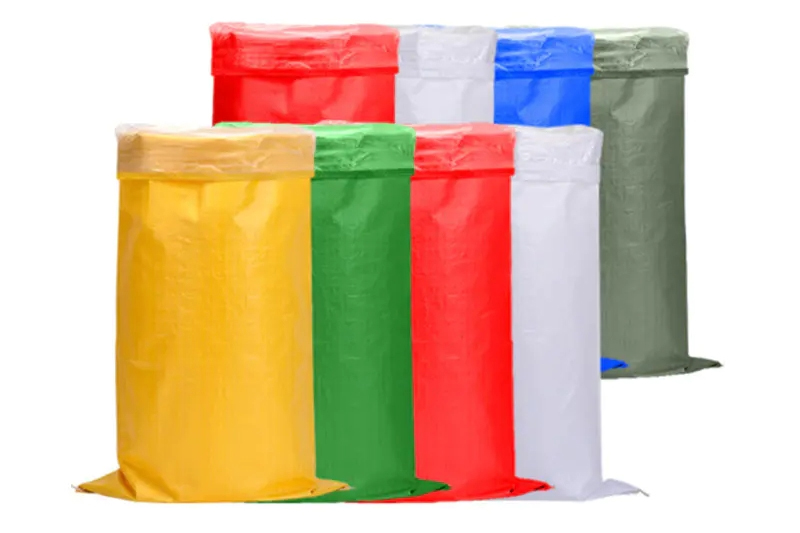
As the global demand for sustainable packaging continues to grow, more businesses are turning to innovative polypropylene designs to optimize bulk logistics and minimize waste.
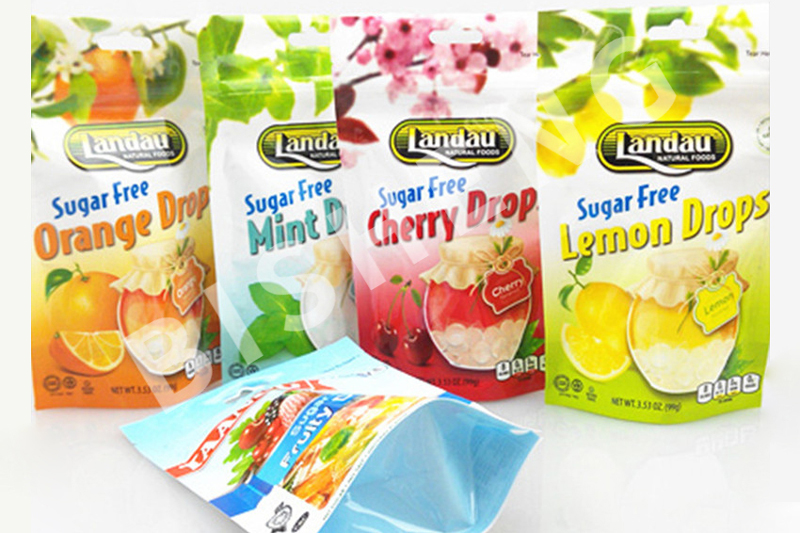
Stand-up pouches continue to capture market share across food and pet care industries, offering superior shelf display, material savings, and consumer convenience features.
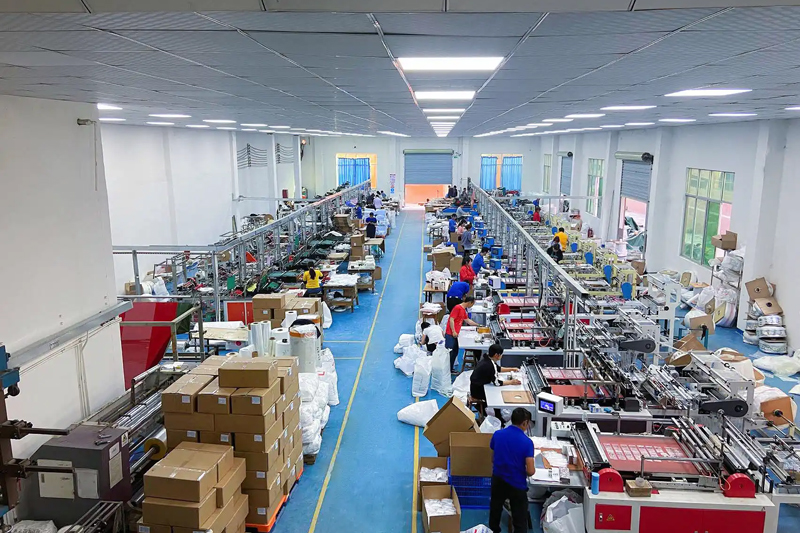
Entering 2026 and beyond, packaging trends reflect broader shifts in carbon neutrality, smart consumer interactions, high-speed automated filling compatibility, and circular economy principles.
Partner with Shandong Jike to elevate your brand's packaging. Whether you need high-barrier retort pouches for wet cat food, large-format gusseted bags with zippers, or eco-friendly mono-material options, our team of engineers and designers is ready to deliver.
Contact our Global Export Department directly: