Welcome to our company

Leave Your Message
Discover our top-tier plastic packaging designed specifically for feline nutrition.
The global pet food packaging market has experienced a monumental shift over the past decade. Historically dominated by heavy metal cans and rigid paperboard boxes, the industry is now aggressively pivoting towards flexible packaging. At the forefront of this revolution is the Plastic Cat Food Pouch. This transition is largely driven by the phenomenon of "pet humanization," where pet owners demand the same level of food quality, freshness, and convenience for their feline companions as they do for themselves. Consequently, preserving food freshness and flavor has become the paramount objective for pet food manufacturers.
From a commercial perspective, plastic pouches offer unparalleled advantages. They significantly reduce logistics and transportation costs due to their lightweight nature and space-saving flat profile before filling. A single truckload of empty flexible pouches equates to nearly 25 truckloads of empty rigid cans. This drastic reduction in carbon footprint aligns seamlessly with modern industrial sustainability goals. Furthermore, the expansive printable surface area of a stand-up pouch serves as a 360-degree billboard on retail shelves, allowing brands to utilize high-definition rotogravure or digital printing to attract discerning consumers.
The industrial manufacturing of these pouches relies heavily on advanced material science. Modern cat food pouches are rarely made from a single type of plastic. Instead, they utilize complex multi-layer laminated structures. By combining materials like Polyethylene Terephthalate (PET) for structural integrity, Aluminum foil (AL) or Vacuum Metallized PET (VMPET) for ultimate barrier properties, and Cast Polypropylene (CPP) or Polyethylene (PE) for heat-sealing capabilities, manufacturers engineer pouches that can withstand rigorous supply chain demands while ensuring the cat food inside remains as fresh as the day it was cooked.
Multi-layered laminates block oxygen, moisture, and UV light, preventing lipid oxidation in dry kibble and spoilage in wet food.
Lightweight flexible pouches reduce shipping weight by up to 70% compared to traditional metal cans, cutting freight costs dramatically.
Edge-to-edge printing capabilities allow for vibrant, photorealistic graphics that capture consumer attention on crowded retail shelves.
Shandong Jike International Trade Co., Ltd. is a state-owned professional food packaging and printing enterprise, established in 2003 and located in Shandong Province, eastern China. The company has obtained and passed ISO9001, ISO14001, and ISO45001 certifications, and all our products have passed QS food safety certification.
With over 23 years of dedicated production experience, we have mastered the art and science of flexible packaging, ensuring that every plastic cat food pouch we produce meets the highest global standards for safety and freshness preservation.

Cats are notoriously picky eaters. Their sense of smell is highly developed, and they rely heavily on the aroma of their food to stimulate their appetite. If the fats in cat food oxidize due to oxygen exposure, or if the moisture content fluctuates, the flavor profile degrades rapidly, leading to food rejection. This is where the engineering of the Plastic Cat Food Pouch becomes critical.
The efficacy of a pouch in preserving freshness is measured by its Oxygen Transmission Rate (OTR) and Moisture Vapor Transmission Rate (MVTR). To achieve near-zero OTR and MVTR, packaging engineers utilize barrier layers such as Ethylene Vinyl Alcohol (EVOH) or ultra-thin aluminum foils. EVOH is a synthetic polymer that provides an outstanding barrier against gases, ensuring that the savory aromas of the cat food are locked inside while external oxygen is kept out. This prevents lipid oxidation—the primary cause of rancidity in dry cat kibble.
Another sophisticated challenge in pet food packaging is "aroma scalping," a phenomenon where the plastic material itself absorbs the volatile flavor compounds of the food, leaving the actual product bland. Advanced plastic cat food pouches utilize specially formulated food-grade Polyethylene (PE) inner sealing layers that are chemically inert. These layers prevent the absorption of the essential oils and flavor molecules present in high-quality cat food, ensuring that the aroma released upon opening the pouch is as potent as when it was sealed.
Preserving freshness isn't just about the factory seal; it's about maintaining quality after the consumer opens the package. High-quality pouches integrate advanced resealable technologies. Press-to-close zippers, Velcro-style hook-and-loop closures, and slider zippers are commonly welded into the top of the pouch. For liquid or pureed cat treats, precision-engineered plastic spouts with tamper-evident caps are used. These closures allow pet owners to expel excess air and seal the pouch tightly, extending the shelf life of the product in the home pantry or refrigerator.
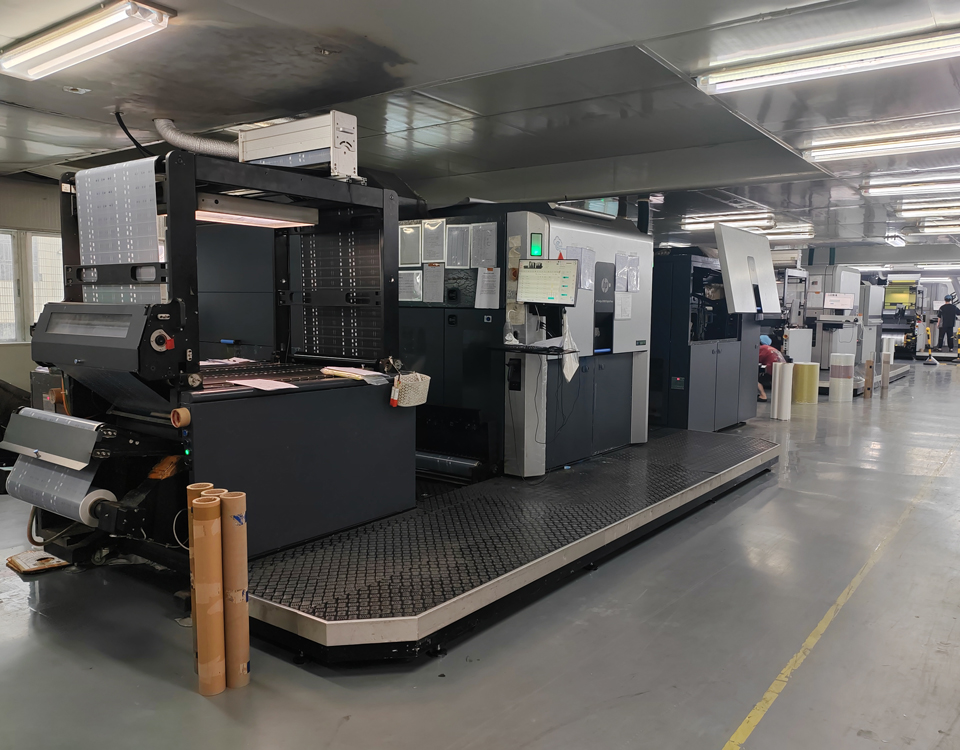
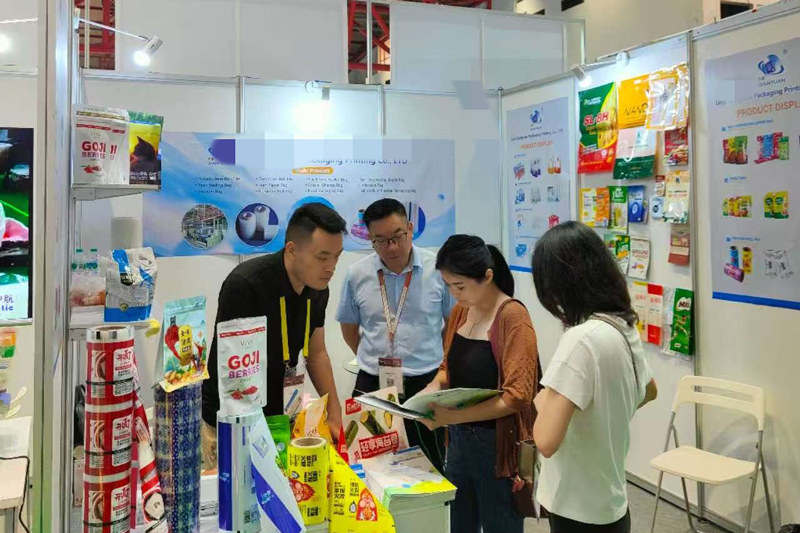
The company's core export products cover the needs of multiple industries, mainly including food-grade flexible packaging, pet food packaging, polyethylene film, and woven packaging bags, which can accurately match the market standards of different regions such as North America, the European Union, Southeast Asia, and the Middle East.
We also support multi-language design and printing, barcode/QR code customization, material combination selection, and thickness selection to fully meet the needs of cross-border trade. Our specific focus on Plastic Cat Food Pouches ensures that global pet brands receive packaging that performs flawlessly under various climatic conditions.
The versatility of the plastic pouch has led to its adoption across virtually every sub-category of cat food. Each application scenario demands specific structural and material modifications to optimize the preservation of freshness and flavor.
Wet cat food, often served in gravy or jelly, requires commercial sterilization to achieve a long, shelf-stable life without refrigeration. This is achieved using Retort Pouches. These pouches are subjected to high heat (typically 121°C to 135°C) and pressure in a retort chamber. The plastic film structure usually involves a layer of Nylon for puncture resistance and a specialized Cast Polypropylene (CPP) inner layer that can withstand high temperatures without melting or degrading. The result is a flexible pouch that offers the same sterilization benefits as a metal can but is easier to open, safer (no sharp edges), and preserves the delicate texture of the meat and jelly.
For dry cat food, bulk purchasing is common. Large format flat-bottom pouches or quad-seal bags are utilized to hold anywhere from 1kg to 10kg of kibble. These pouches require immense tensile strength to prevent bursting during transit. Furthermore, because these bags are opened and closed repeatedly over weeks or months, they are equipped with heavy-duty side gussets and robust slider zippers. The flat bottom design ensures the bag stands perfectly upright, acting as a stable storage container in the consumer's home while continually protecting the kibble from humidity and pests.
A massive growth area in the cat food sector is liquid treats and nutritional broths. Stand-up pouches with integrated plastic spouts provide the ultimate convenience here. The spout allows for controlled pouring of the liquid over dry food or directly into a bowl, and the screw cap ensures an airtight seal between uses. The internal plastic layers are specially formulated to resist the high acidity and fat content of these liquid supplements, ensuring no chemical leaching occurs that could alter the flavor.
In terms of supply chain and service, the company has strong cross-border delivery capabilities. We have standardized production workshops and automated production lines, with flexible minimum order quantities for regular products. We undertake both small-batch customization and large-volume order production.
We have established a strict quality control system, tracing the entire process from raw material procurement and production processing to finished product inspection, ensuring that every batch of Plastic Cat Food Pouches meets the quality standards of the importing country. We are equipped with a professional cross-border logistics team to support various transportation methods such as full container shipping, LCL shipping, and air freight.
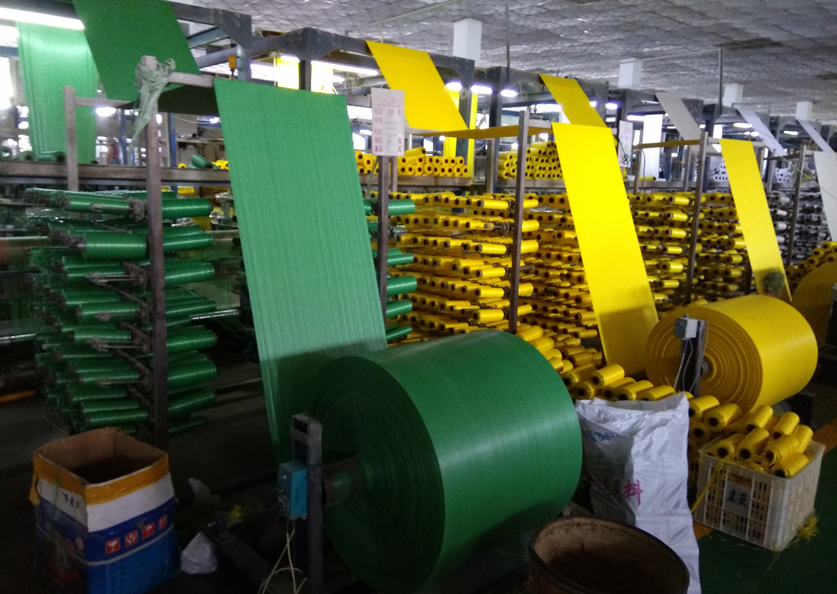
The future of the plastic cat food pouch is being shaped by two massive global trends: Artificial Intelligence (AI) and Environmental Sustainability. As a leading manufacturer and SEO optimizer, we recognize that staying ahead of these trends is vital for our B2B partners.
Ensuring the absolute integrity of a pouch's seal is non-negotiable; a micro-leak can lead to complete spoilage of the cat food inside. Today, advanced manufacturing lines employ AI-powered Automated Optical Inspection (AOI) systems. High-speed cameras powered by machine learning algorithms scan every single pouch as it comes off the line. These AI systems can detect microscopic defects in the heat seal, misaligned zippers, or printing anomalies that human eyes would miss. Furthermore, AI predictive maintenance on our extrusion and lamination machines ensures consistent film thickness and barrier quality, resulting in zero-defect packaging batches.
AI and smart tech are also being integrated directly into the packaging itself. Modern cat food pouches often feature unique QR codes or NFC tags. When scanned by a consumer's smartphone, these tags can launch AI-driven chatbots that provide personalized feeding recommendations based on the cat's breed and age. They can also trace the origin of the ingredients, providing transparency that builds immense brand trust. Some experimental smart pouches even feature freshness indicators—inks that change color if the internal atmosphere of the pouch changes, alerting the owner before the food spoils.
While multi-layer laminates (like PET/AL/PE) are excellent for preserving freshness, they are notoriously difficult to recycle. The industry is currently experiencing a massive shift towards Mono-material PE (Polyethylene) structures. Through advanced polymer engineering, manufacturers are now creating pouches made entirely from different densities of PE. Because they consist of a single polymer family, these pouches are 100% recyclable in soft plastic recycling streams. Achieving the necessary oxygen and moisture barriers with mono-materials is challenging, but with the latest MDO-PE (Machine Direction Oriented PE) technologies, we can offer sustainable pouches that do not compromise on preserving the flavor and freshness of the cat food.
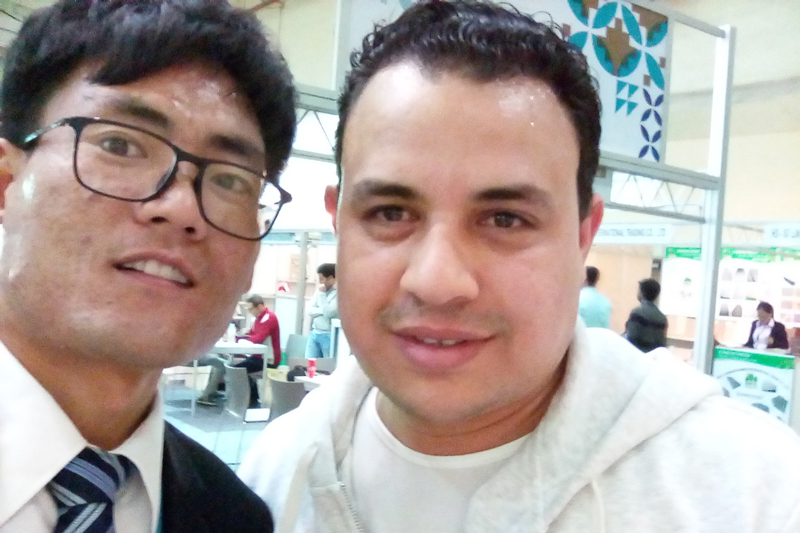
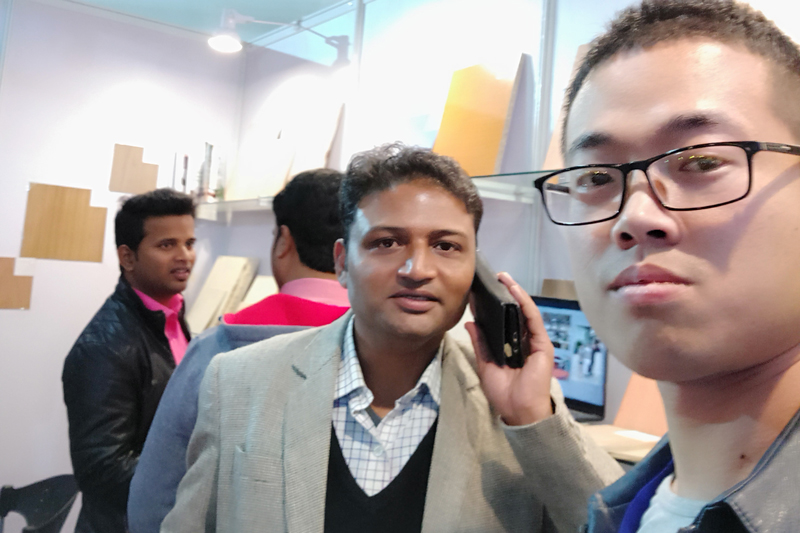
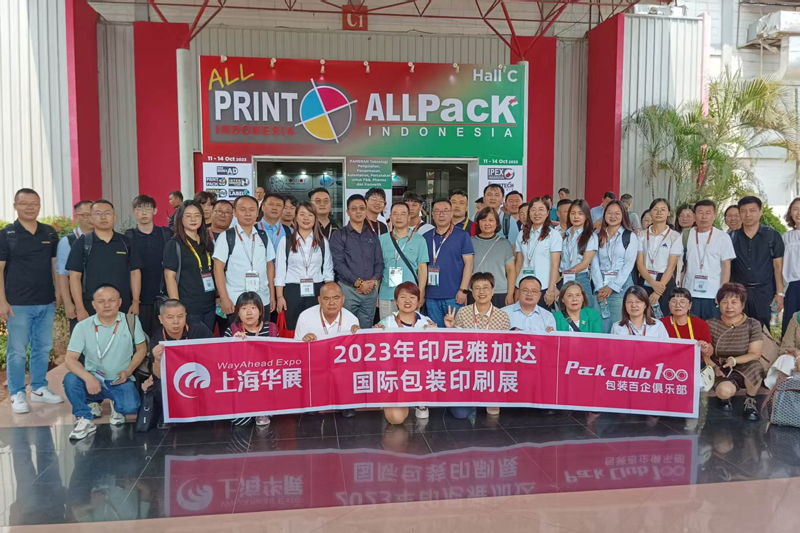
Since its establishment 23 years ago, relying on excellent product quality, comprehensive compliance guarantees, and efficient cross-border services, Jike Packaging Printing has established long-term cooperative relationships with customers in more than 50 countries and regions worldwide, serving clients including globally renowned food manufacturers, brand owners, and trading companies.
In the future, we will continue to focus on changes in international market demand, using innovative technology and high-quality services as a link to become a trusted cross-border flexible packaging printing partner for global customers.

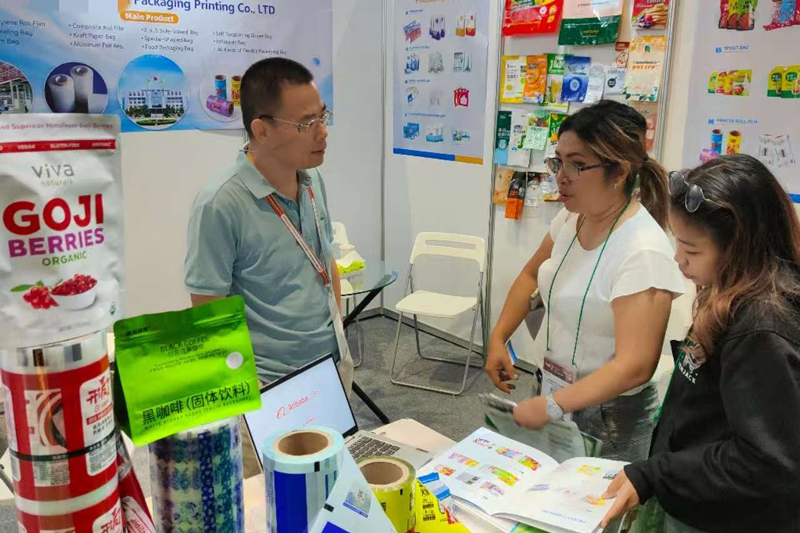
Explore our full range of innovative pouches designed to maximize freshness, flavor, and shelf appeal.
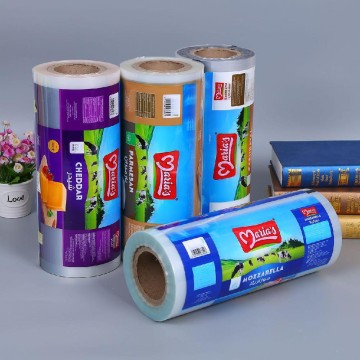 Premium Lamination Roll Film For Cat Food Pouches
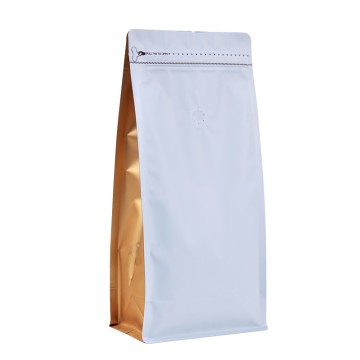 Strong Seal Zipper Pouch For Dry Cat Kibble Freshness
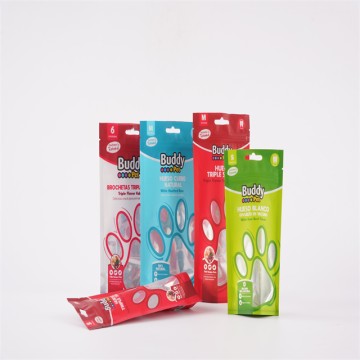 121℃ Retort Pouch For Wet Cat Food In Jelly
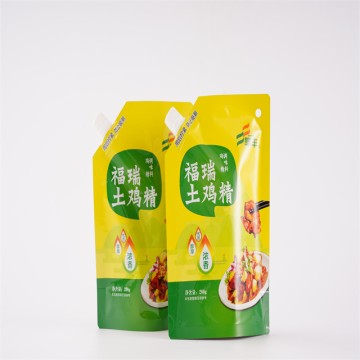 Convenient Stand Up Spout Pouch For Liquid Pet Supplements
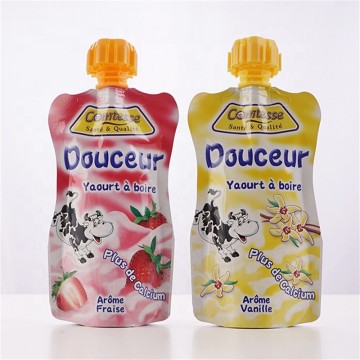 Reusable Liquid Spout Pouch For Cat Broth
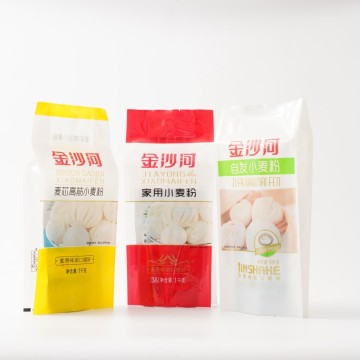 Large Capacity Flat Bottom Pouch For Bulk Cat Food
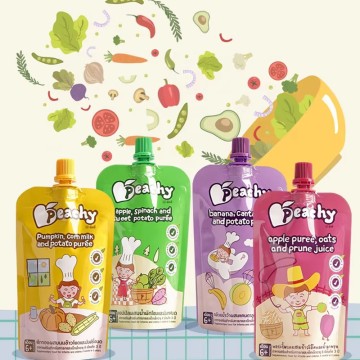 Sealed Plastic Spout Pouch For Pet Liquid Drinks
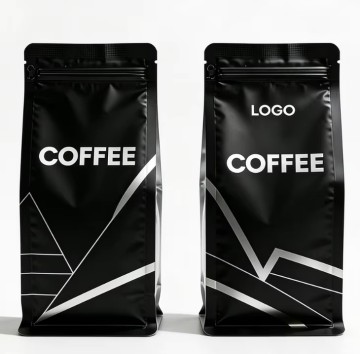 Custom Logo Flat Bottom Pouch For Premium Cat Food