Sustainability and Circular Economy
The most significant trend shaping Germany's plastic animal food bag industry is the transition toward sustainable packaging solutions. German manufacturers are investing heavily in research and development of alternative materials, including biodegradable plastics, compostable films, and packaging made from renewable resources. The industry is moving toward mono-material structures that simplify recycling processes and improve recovery rates. Major German packaging companies are collaborating with material suppliers, recyclers, and brand owners to develop closed-loop systems where used packaging is collected, processed, and converted into new packaging materials. This circular economy approach aligns with Germany's ambitious environmental goals and the European Union's Circular Economy Action Plan.
Digital Printing and Customization
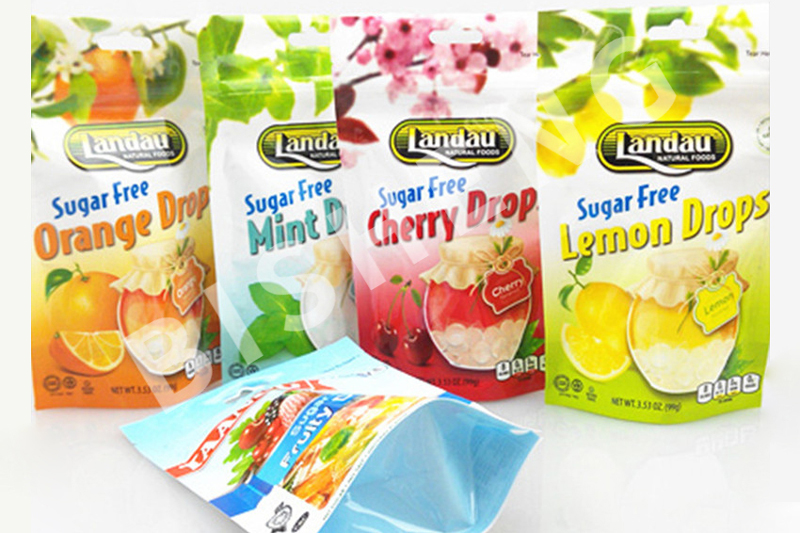
Advanced digital printing technologies are revolutionizing the plastic animal food bag market in Germany. Digital printing enables shorter production runs, faster turnaround times, and cost-effective customization for regional markets, seasonal promotions, and limited-edition products. German manufacturers are adopting high-speed digital printing systems that deliver photographic-quality graphics while reducing setup waste and enabling variable data printing for serialization and traceability. This technology supports the growing trend toward personalized pet nutrition products and allows smaller brands to compete with major manufacturers through distinctive packaging designs without requiring large minimum order quantities.
Smart Packaging and Traceability
Germany's packaging industry is embracing Industry 4.0 concepts through the integration of smart packaging features. QR codes, NFC tags, and RFID technology are being incorporated into animal food bags to provide consumers with product information, feeding guidelines, and brand storytelling. These technologies also support supply chain traceability, enabling manufacturers and retailers to track products from production through distribution to end consumers. Smart packaging features help combat counterfeiting, facilitate product recalls when necessary, and provide valuable consumer engagement data. German manufacturers are developing packaging solutions that integrate seamlessly with mobile applications, creating interactive experiences that strengthen brand loyalty.
Premium and Functional Packaging
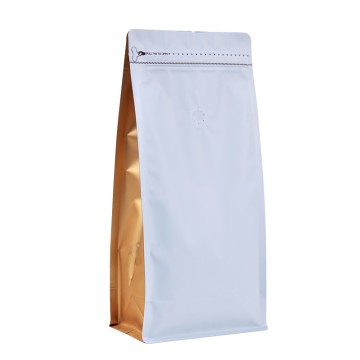
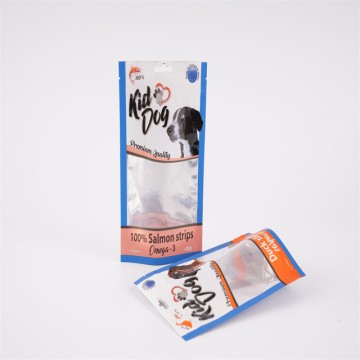
The German market shows strong demand for premium packaging solutions that reflect product quality and support brand differentiation. Manufacturers are developing sophisticated packaging structures with multiple layers providing superior barrier properties, extended shelf life, and enhanced product protection. Functional features such as resealable zippers, easy-open tear notches, carrying handles, and transparent windows are becoming standard expectations rather than premium features. German consumers particularly value packaging that maintains product freshness after opening, supports portion control, and provides clear usage instructions. This trend drives continuous innovation in closure systems, material combinations, and packaging formats.
Lightweighting and Material Efficiency
German manufacturers are pursuing aggressive lightweighting strategies to reduce material usage while maintaining or improving packaging performance. Advanced film technologies enable the production of thinner materials with equivalent or superior strength, barrier properties, and puncture resistance. This approach reduces raw material consumption, lowers transportation costs, decreases carbon footprint, and supports corporate sustainability goals. Material efficiency initiatives also include optimized bag designs that minimize waste during production, reduce storage space requirements, and improve packing efficiency in distribution. These efforts align with Germany's resource efficiency policies and help manufacturers meet increasingly stringent environmental performance targets.
Regulatory Compliance and Food Safety
The regulatory landscape for food contact materials continues to evolve, with increasingly stringent requirements for material safety, migration testing, and documentation. German manufacturers maintain comprehensive quality management systems certified to ISO 9001, ISO 22000, and BRC standards. The industry is preparing for new EU regulations on endocrine disruptors, microplastics, and chemical substances of concern. Manufacturers are investing in analytical testing capabilities, documentation systems, and supplier qualification processes to ensure full regulatory compliance. This focus on food safety and regulatory adherence positions German manufacturers as preferred suppliers for quality-conscious customers worldwide.
E-commerce Optimization
The rapid growth of online pet food sales is driving demand for packaging optimized for e-commerce distribution. German manufacturers are developing packaging solutions that protect products during shipping, minimize dimensional weight to reduce shipping costs, and provide positive unboxing experiences for consumers. E-commerce packaging must withstand the rigors of parcel delivery systems while maintaining product integrity and visual appeal. Manufacturers are creating packaging formats specifically designed for direct-to-consumer shipping, including outer shipping configurations that eliminate the need for additional corrugated boxes. This trend reflects the fundamental shift in how pet food products reach consumers and requires rethinking traditional packaging approaches.
Collaborative Innovation Ecosystems
Germany's packaging industry is characterized by strong collaboration between manufacturers, material suppliers, equipment providers, research institutions, and end users. Industry associations such as the German Packaging Institute (dvi) facilitate knowledge exchange and collaborative research projects. German universities and technical institutes conduct cutting-edge research on packaging materials, processing technologies, and sustainability solutions. This collaborative ecosystem accelerates innovation, enables rapid technology transfer, and ensures that German manufacturers remain at the forefront of global packaging developments. Joint development projects between packaging manufacturers and pet food brands are becoming increasingly common, resulting in customized solutions that address specific market needs.