
September 2026 Flexible Packaging Industry News: Sustainable Material Upgrades and Regulatory Compliance Drive Global Supply Chain Adjustments
Global flexible packaging manufacturers are comprehensively promoting product structure upgrades during the third quarter of 2026, focusing on the recyclability and environmental compliance issues associated with traditional composite packaging. Affected by the phased implementation of EU PPWR, European importers have tightened supplier qualification requirements since September, requiring flexible packaging suppliers to provide clearer evidence of recyclability, material efficiency, and carbon footprint reduction.
The latest industry data shows that mono-material PP and PE structures are gradually replacing conventional PET/aluminum/PE laminates in certain food and liquid packaging applications. These redesigned flexible pouches are being evaluated for oxygen barrier properties, moisture resistance, seal integrity, and compatibility with cold filling and UVC sterilization processes. Industry sources indicate that successful mono-material solutions could achieve recyclability rates of more than 95%, while reducing carbon emissions by up to 40% compared with some traditional laminated structures.
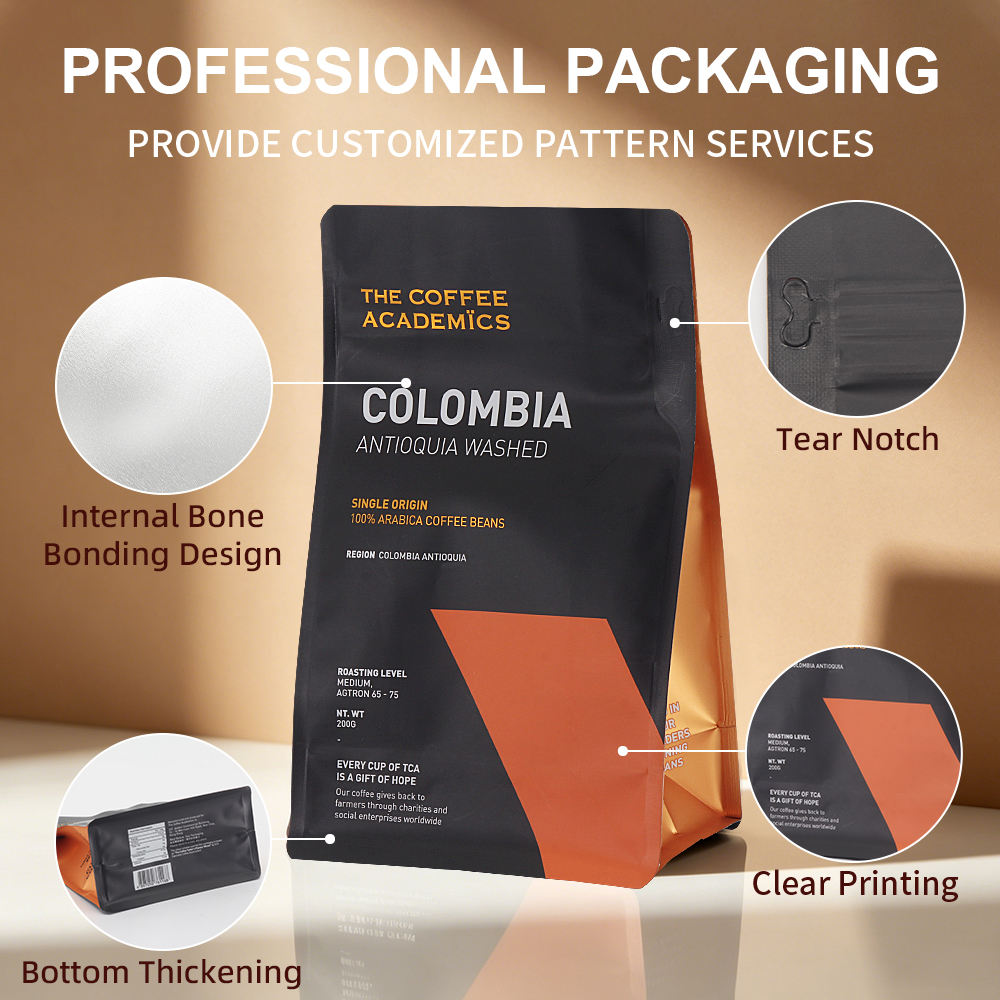
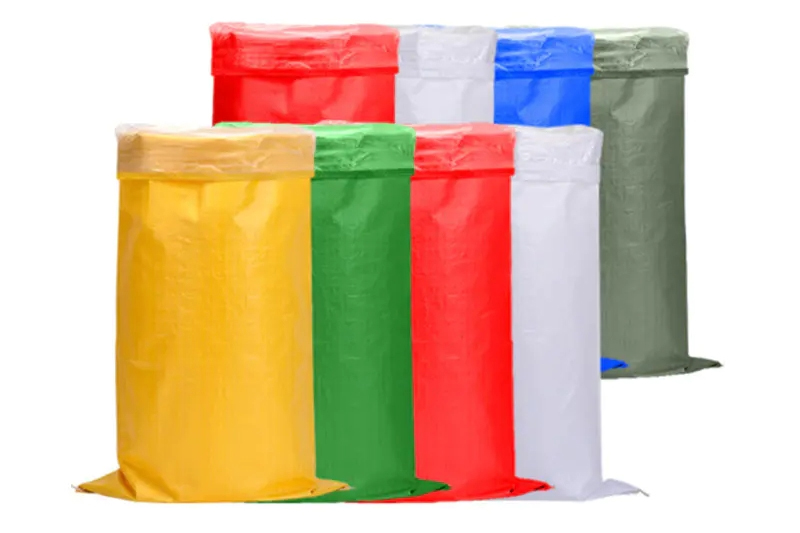
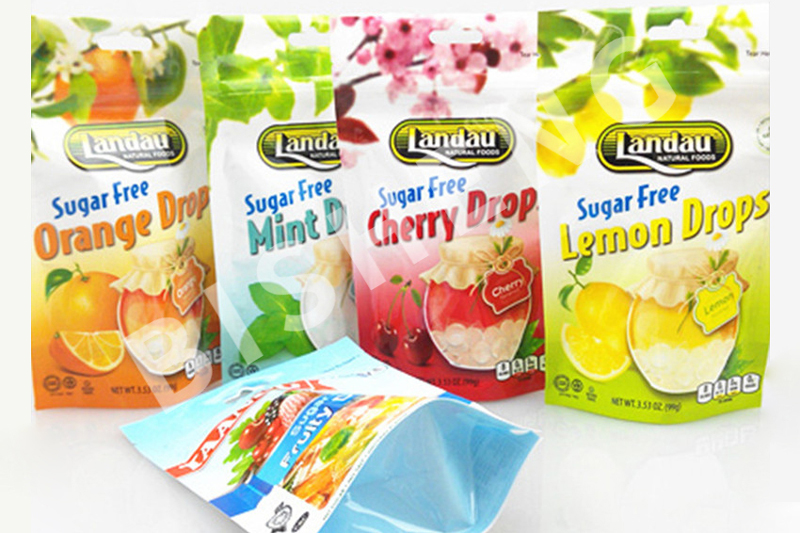
In September, export-oriented flexible packaging factories are also facing a critical window for certification updates ahead of the peak Q4 shipping season. Buyers from Europe, Sweden, the Czech Republic, and African markets are increasingly requesting BRC, FDA, and UN packaging certification for stand-up pouches, zipper bags, pet food packaging, and organic fertilizer sacks. Importers are prioritizing suppliers that can provide PCR content options, UV-stabilized PP bags, low-migration inks, and full traceability documentation.
Digital watermarking technology for flexible packaging sorting has also entered real-world trials in Belgium during September. The HolyGrail 2030 project is testing invisible marking systems on packaging films to improve the sorting accuracy of food-contaminated flexible packs. Industry analysts believe that if commercialized successfully, this technology could further reduce recycling losses and support wider adoption of mono-material packaging over the next two to three years.
However, cost volatility remains a major operational challenge. Polypropylene and polyethylene resin prices have shown mild fluctuations in September, forcing flexible packaging converters to optimize film thickness, production yield, and order planning. Small-batch digital printing services are also growing in popularity, particularly among mid-sized brand owners that require shorter lead times and more flexible packaging updates.
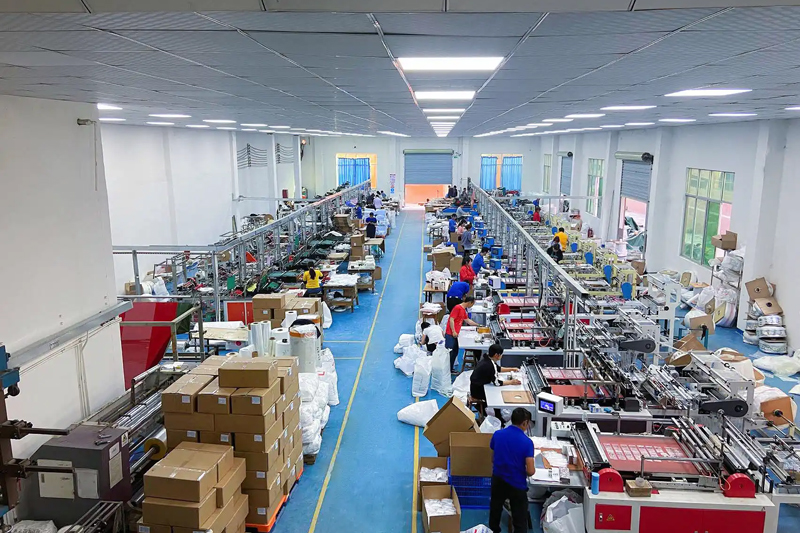
Industry experts warn that brands delaying recyclable packaging redesign may face supply chain and margin risks starting from 2027. Leading flexible packaging suppliers are now expanding from simple manufacturing to full-service solutions, including material selection, barrier testing, pre-press services, certification support, and container loading planning for DDP, CIF, and FOB shipments.