


New International Packaging Regulations for 2026
2026 marks a critical period for green compliance in the global packaging industry. Environmental regulations have become significant barriers to international trade, shifting market competition from production capacity and cost to circular design and compliance capabilities.
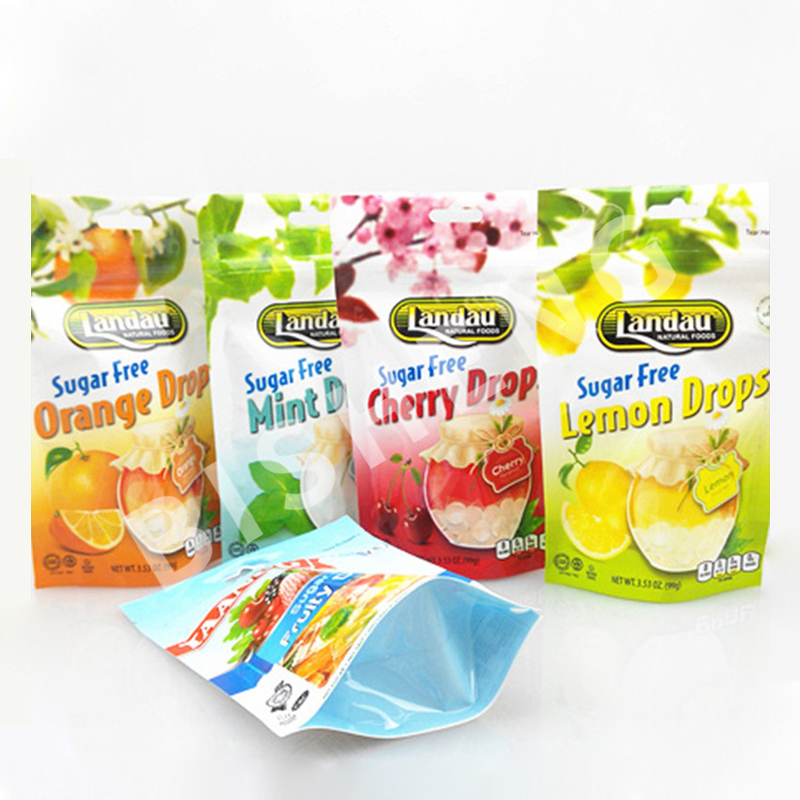
The EU’s Packaging and Packaging Waste Regulation (PPWR) officially comes into force, strictly controlling hazardous substances such as heavy metals and PFAS while implementing a recyclability grading system. Non-EU enterprises must complete Extended Producer Responsibility (EPR) registration and prepare Declarations of Conformity (DOC); non-compliant goods face seizure and fines, creating an urgent need for product upgrades among Chinese flexible packaging and plastic bag exporters.
In North America, individual states are introducing their own control policies—such as bans on EPS foam and PFAS-containing food packaging—in the absence of unified federal standards, thereby increasing the complexity of export compliance. ASEAN nations and African countries are successively implementing plastic restrictions, UN negotiations on a global plastics treaty are ongoing, and environmental requirements in emerging markets are gradually tightening.
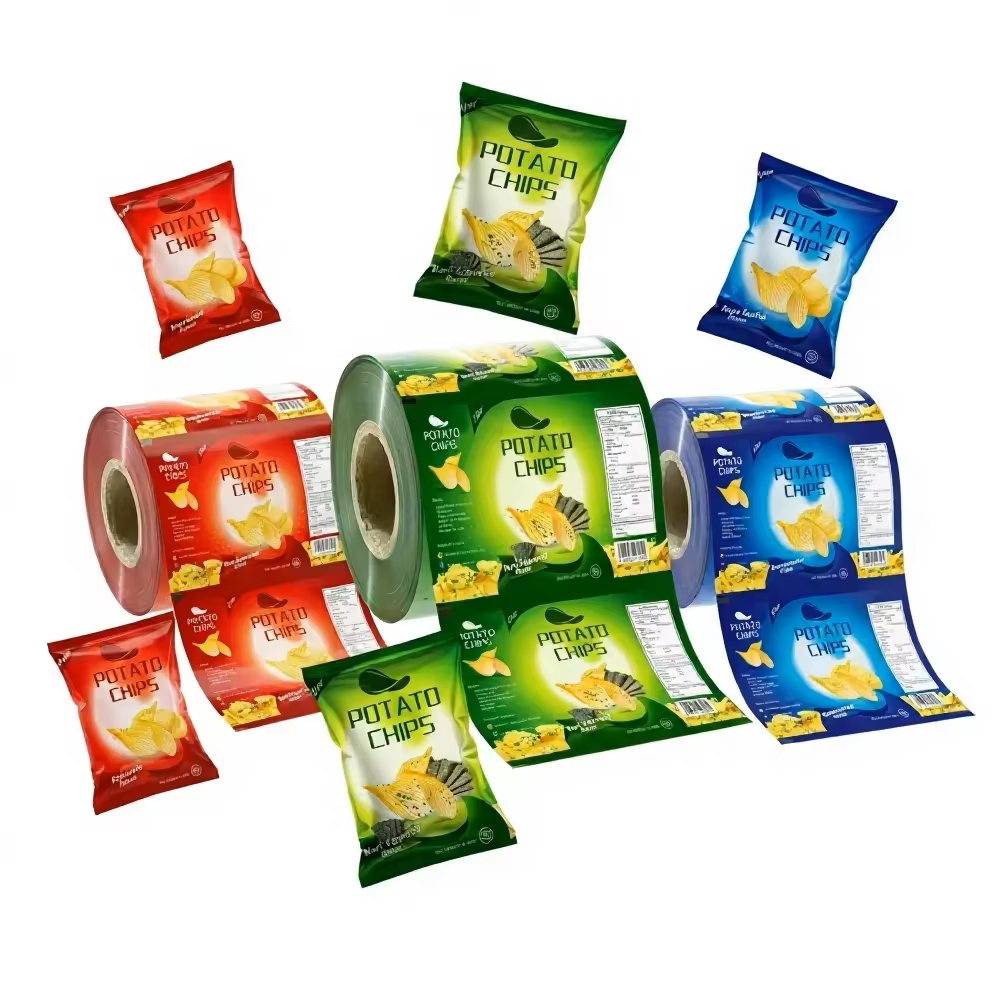
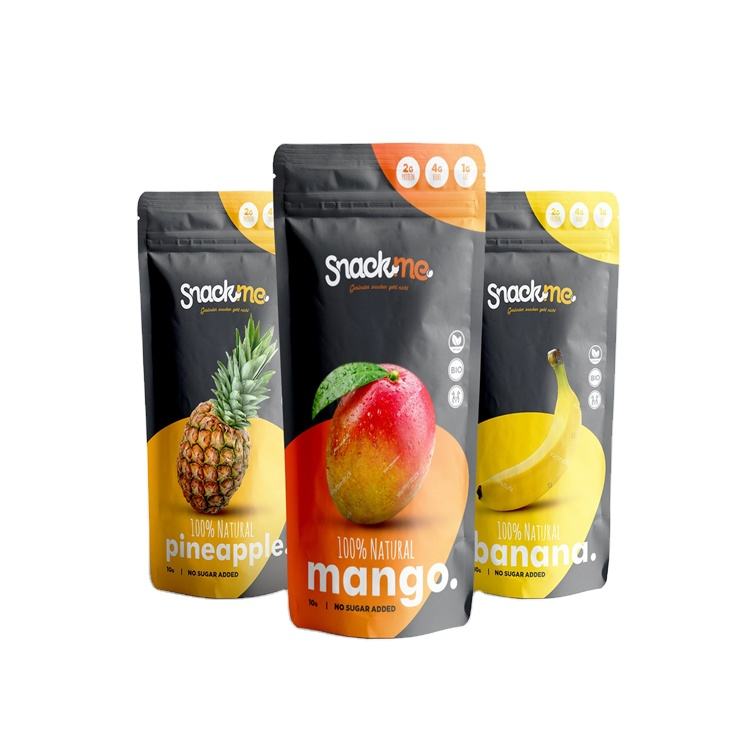
In the materials sector, demand for Post-Consumer Recycled (PCR) materials is surging, yet the supply of high-quality feedstock remains tight. Monomaterial flexible packaging is increasingly replacing hard-to-recycle aluminum-plastic laminates, while overseas orders for molded pulp and bamboo-based packaging are rising. International giants are accelerating the establishment of recycled material production lines and shifting some capacity to Southeast Asia; meanwhile, Chinese packaging companies maintain their export advantage thanks to a comprehensive industrial supply chain.
Foreign trade enterprises must distinguish between regional regulations: completing EPR registration for the EU, paying close attention to state-level differences in the US, and anticipating policy shifts when expanding into emerging markets. A business model relying solely on low-price competition is no longer sustainable; compliance capability has become a core competitive advantage for companies expanding globally.