2025 Packaging Industry Review: Three Major Trends Defining the Industry's Direction in 2026
After a year of growth in smart packaging and bio-based packaging, the packaging industry entered 2026 under pressure from regulations and sustainability demands.
The packaging trends of 2026 are defined by the escalating decisions and pressures of 2025, as sustainability goals, regulatory reforms, and cost control have shifted from ambitious plans to operational realities.
Industry data and regulatory developments show a clear market shift away from traditional plastics towards fiber-based, bio-based, and digitally enabled solutions, coupled with a growing focus on reusability, efficiency, and accessibility. For manufacturers, brand owners, and supply chain partners, the developments of 2025 laid the foundation for the direction of the packaging industry in the coming year.
Sustainable Packaging and Regulations Drive Material Transformation
One of the most significant packaging dynamics of 2025 was the rapid escalation of sustainable packaging from voluntary initiatives to regulatory and commercial requirements.
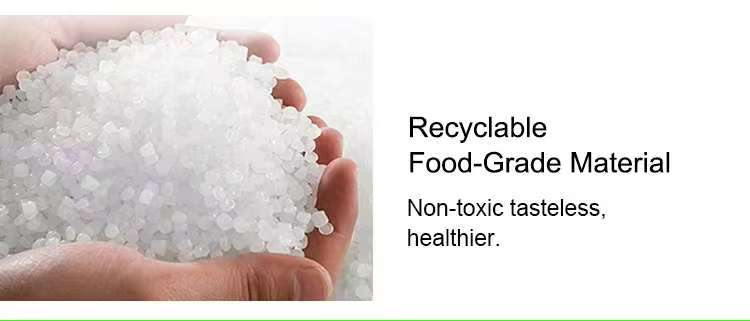
Governments, particularly in Europe, expanded Extended Producer Responsibility (EPR) schemes, increasing fees for difficult-to-recycle packaging and placing more responsibility on producers to fund collection and recycling systems. As a result, many companies accelerated their shift towards recyclable mono-materials, fiber-based packaging, and bio-based alternatives such as polylactic acid, mushroom mycelium, and algae-derived materials. These materials, once limited to niche applications, began to see scaled adoption in secondary packaging, food service, and some e-commerce applications.
This shift is expected to deepen further in 2026. Rising EPR costs, stricter environmental claims regulations, and increasing scrutiny of plastic waste are driving brands to redesign packaging for true recyclability and lower material intensity. Oversized and complex packaging formats are increasingly seen as financial and reputational risks, especially as consumers become more vocal about unnecessary waste.
Smart Packaging and Digital Traceability Enter the Mainstream
Smart packaging gained momentum in 2025 as brands sought better traceability, compliance, and consumer communication. QR codes, digital watermarks, sensors, and near-field communication (NFC) tags are increasingly being added to packaging to provide product information, usage instructions, and sustainability data. This trend is closely linked to regulatory developments such as the EU's planned introduction of digital product passports, which will require detailed information on product origin, materials, and environmental impact.
Smart packaging is also being used to support supply chain visibility, cold chain monitoring, and anti-counterfeiting measures, particularly in the food, pharmaceutical, and luxury goods sectors. By 2026, digital packaging is expected to expand further as brands seek to meet regulatory requirements and respond to consumer demand for transparency. For packaging suppliers, this brings new demands regarding data integration, printing capabilities, and system compatibility, while also raising questions about cost control and standardization across markets.
Circular systems, efficiency, and inclusive design are increasingly important.
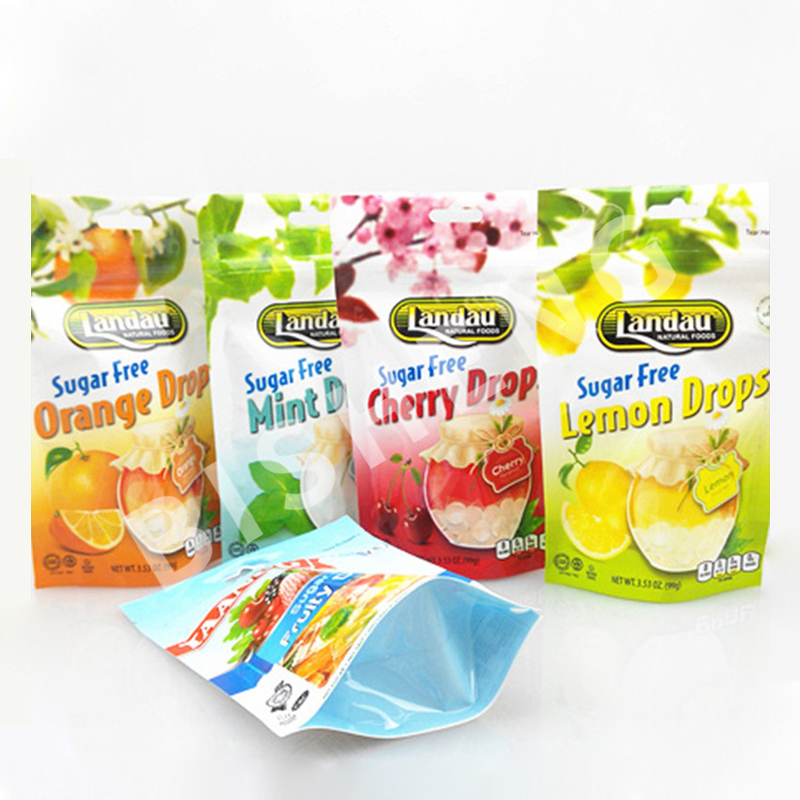
By 2025, circular economy models are closer to large-scale adoption, with more brands testing refill and reuse systems, including recyclable packaging, refill pouches, and in-store refill stations. Although still limited in many regions, these models are gaining momentum as companies seek to reduce single-use packaging volumes and long-term material costs.
Meanwhile, efficiency is becoming a core concern. Rising transportation costs and the continued growth of e-commerce have accelerated investment in precision-sized packaging technologies that customize boxes for individual products. These systems reduce void fill, lower material usage, and cut transportation-related emissions.
Packaging design is also beginning to reflect a broader definition of usability. Due to an aging population and expectations for inclusive design, accessibility features such as easy-open mechanisms, clearer labeling, tactile elements, and Braille embossing are gaining more attention. In sum, these changes point to a broader redefinition of the role of packaging. By 2026, packaging is expected to function as part of an interconnected, circular, and efficient system, supporting compliance,cost control, and customer trust.