Canada's packaging industry is experiencing a transformative period, with HDPE (High-Density Polyethylene) woven bags emerging as a cornerstone solution for various industrial and commercial applications. As Canadian businesses increasingly prioritize sustainable, durable, and cost-effective packaging solutions, HDPE woven bags have become the preferred choice across multiple sectors including agriculture, construction, mining, and food processing.
The Canadian HDPE Woven Bag Market Landscape
Canada's vast geographical expanse and diverse industrial sectors create unique packaging requirements that HDPE woven bags are perfectly positioned to meet. The country's agriculture sector, which contributes over $143 billion annually to the GDP, relies heavily on robust packaging solutions for grains, seeds, fertilizers, and animal feed. From the wheat fields of Saskatchewan to the potato farms of Prince Edward Island, HDPE woven bags provide the durability and protection needed for Canadian agricultural products.
The Canadian construction industry, valued at over $150 billion, represents another major market for HDPE woven bags. These bags are extensively used for packaging construction materials such as sand, cement, gravel, and industrial minerals. The bags' resistance to moisture, UV radiation, and extreme temperatures makes them ideal for Canada's diverse climate conditions, from the humid summers of Ontario to the frigid winters of the Northwest Territories.
Industry Development Trends in Canada
Sustainability and Circular Economy Initiatives
Canadian manufacturers and end-users are increasingly embracing sustainability principles, driving demand for recyclable and reusable HDPE woven bags. The Canadian government's commitment to achieving net-zero emissions by 2050 has accelerated the adoption of eco-friendly packaging solutions. HDPE woven bags, being 100% recyclable and reusable, align perfectly with Canada's circular economy goals. Many Canadian companies are now implementing take-back programs where used HDPE woven bags are collected, cleaned, and repurposed, reducing waste and environmental impact.
Technological Advancements
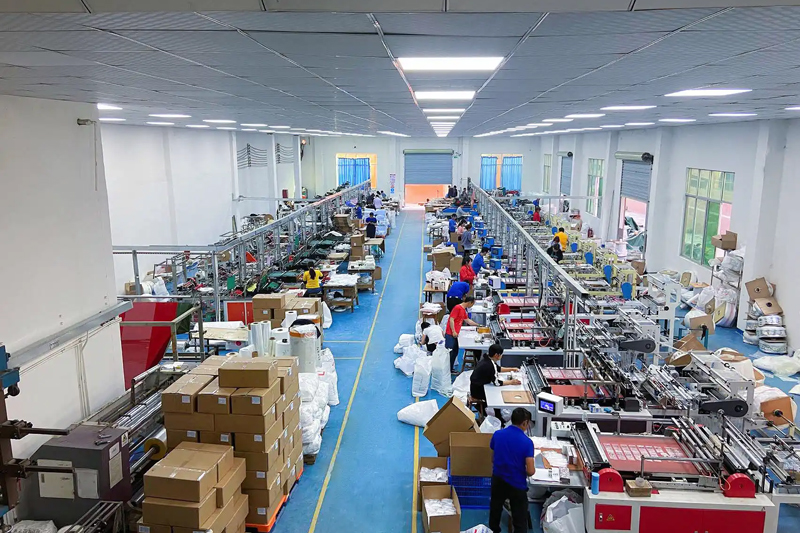
Canadian HDPE woven bag manufacturers are investing in advanced production technologies to enhance product quality and efficiency. Modern extrusion and weaving equipment enables the production of bags with superior strength-to-weight ratios, improved UV resistance, and enhanced printability for branding purposes. Digital printing technologies are allowing Canadian businesses to create customized bags with high-resolution graphics, supporting brand differentiation in competitive markets.
Regulatory Compliance and Quality Standards
Canada maintains stringent quality and safety standards for packaging materials, particularly those used in food and pharmaceutical applications. HDPE woven bag manufacturers serving the Canadian market must comply with regulations set by Health Canada, the Canadian Food Inspection Agency (CFIA), and provincial authorities. This regulatory environment ensures that HDPE woven bags used in Canada meet the highest standards for food safety, chemical resistance, and environmental protection.
Localized Applications in Canadian Industries
Agriculture and Agri-Food Sector
Canada is one of the world's leading agricultural exporters, with the agriculture and agri-food sector accounting for approximately 7% of the nation's GDP. HDPE woven bags play a critical role in this sector, providing reliable packaging for:
Grain and Cereal Storage: Western Canadian wheat, barley, and canola producers rely on HDPE woven bags for storage and transportation. These bags protect against moisture, pests, and contamination while allowing for efficient stacking and handling. The bags' breathability prevents condensation buildup, crucial for maintaining grain quality during storage and transport across long distances.
Seed Packaging: Canadian seed companies utilize HDPE woven bags for packaging certified seeds, including canola, soybean, corn, and specialty crop seeds. The bags' durability ensures seed integrity during distribution to farms across Canada's vast agricultural regions.
Potato and Vegetable Packaging: Prince Edward Island, New Brunswick, and other potato-growing regions use HDPE woven bags extensively for packaging potatoes destined for domestic and export markets. The bags' strength supports heavy loads while maintaining product freshness.
Mining and Natural Resources
Canada's mining industry, a cornerstone of the national economy generating over $100 billion annually, depends on HDPE woven bags for various applications. From potash mines in Saskatchewan to copper operations in British Columbia, these bags package minerals, ores, and processed materials. The bags' resistance to abrasion and tearing makes them ideal for handling rough materials, while their moisture resistance protects contents during transportation through diverse Canadian climates.
Food Processing and Distribution
Canada's food processing industry, particularly in Ontario and Quebec, utilizes HDPE woven bags for packaging flour, sugar, rice, pet food, and other bulk food products. These bags meet stringent food safety requirements while providing cost-effective solutions for manufacturers and distributors. The bags' compatibility with automated filling and handling systems enhances operational efficiency in modern food processing facilities.
Construction and Building Materials
Canadian construction companies from Vancouver to Halifax use HDPE woven bags for packaging cement, sand, aggregates, and other building materials. The bags' high tensile strength supports heavy loads, while their UV resistance ensures durability during outdoor storage. The ability to customize bag sizes and printing allows construction material suppliers to meet specific project requirements and enhance brand visibility.
Retail and Consumer Applications
Canadian retailers are increasingly adopting reusable HDPE woven bags as alternatives to single-use plastic bags. These bags, available in various sizes and designs, support Canada's plastic reduction initiatives while providing consumers with durable, long-lasting shopping solutions. Major Canadian grocery chains and retailers have introduced branded HDPE woven bags, contributing to waste reduction and promoting sustainable shopping practices.
Regional Market Dynamics
Western Canada
The prairie provinces of Alberta, Saskatchewan, and Manitoba represent the largest market for agricultural HDPE woven bags in Canada. This region's extensive grain production and livestock operations create consistent demand for bulk packaging solutions. Additionally, Alberta's energy sector utilizes HDPE woven bags for packaging various industrial materials and chemicals.
Central Canada
Ontario and Quebec, Canada's manufacturing and population centers, drive demand for HDPE woven bags across multiple sectors. The concentration of food processing facilities, construction projects, and retail operations in this region creates diverse packaging requirements. The proximity to major ports like Montreal and Toronto facilitates both domestic distribution and international trade.
Atlantic Canada
The Atlantic provinces, particularly New Brunswick and Prince Edward Island, rely on HDPE woven bags for agricultural products, especially potatoes and seafood-related materials. The region's fishing industry also utilizes these bags for packaging fish feed and related products.
British Columbia and Northern Territories
British Columbia's diverse economy, including forestry, mining, and agriculture, creates varied demand for HDPE woven bags. The northern territories' mining operations require specialized bags capable of withstanding extreme cold temperatures and harsh handling conditions.
Quality Standards and Certifications for Canadian Market
HDPE woven bags supplied to Canadian markets must meet rigorous quality standards and certifications. Manufacturers serving Canada typically obtain:
ISO 9001 Certification: Ensuring consistent quality management systems and product reliability.
Food Safety Certifications: For bags used in food applications, compliance with CFIA regulations and food safety standards is mandatory.
Environmental Certifications: Demonstrating commitment to sustainable manufacturing practices and recyclability.
CSA Standards Compliance: Meeting Canadian Standards Association requirements for packaging materials.
Customization Options for Canadian Businesses
Canadian businesses benefit from extensive customization options for HDPE woven bags, including:
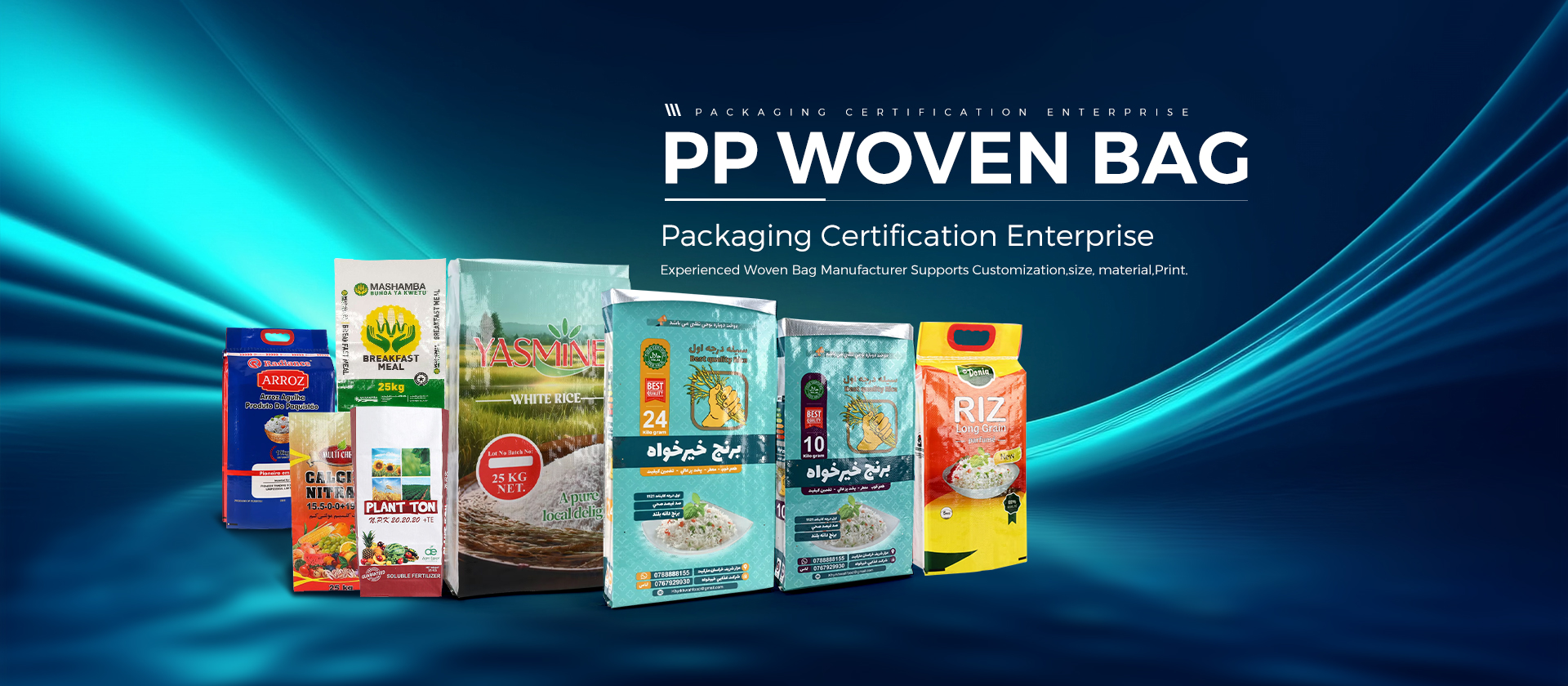
Size Variations: From small 10kg bags for retail applications to large 1000kg bulk bags for industrial use, manufacturers can produce bags tailored to specific requirements.
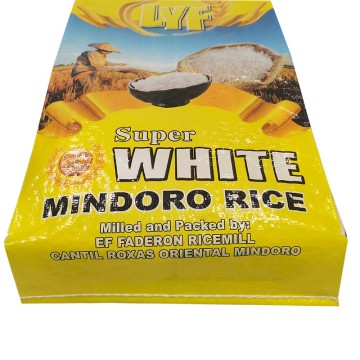
Printing and Branding: High-quality printing capabilities allow Canadian companies to showcase their brand identity, product information, and compliance labels in both English and French, meeting bilingual requirements.
Special Features: Options include UV protection for outdoor storage, moisture barriers for sensitive products, valve closures for automated filling, and handles for easy handling.
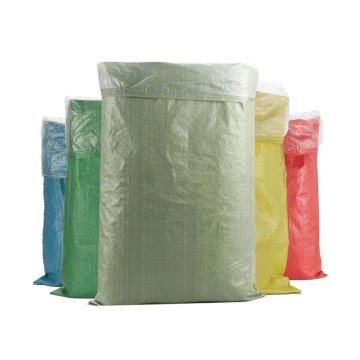
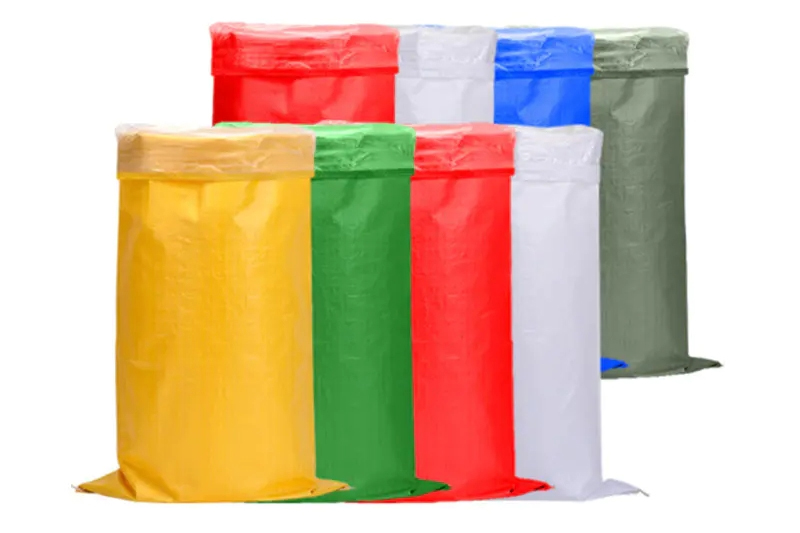
Color Coding: Different colored bags help Canadian businesses organize inventory and distinguish between product types or grades.
Supply Chain and Distribution Networks
The Canadian HDPE woven bag supply chain involves domestic manufacturers, importers, and distributors strategically located across the country. Major distribution hubs in Toronto, Montreal, Calgary, and Vancouver ensure efficient delivery to end-users nationwide. Many suppliers maintain inventory in multiple locations to reduce lead times and transportation costs, critical factors in Canada's vast geography.
Economic Impact and Market Size
The Canadian HDPE woven bag market is estimated to be worth hundreds of millions of dollars annually, with steady growth projected over the coming years. This growth is driven by expanding agricultural production, ongoing construction projects, and increasing adoption of sustainable packaging solutions. The market supports thousands of jobs across manufacturing, distribution, and related services.
Future Outlook and Opportunities
The future of HDPE woven bags in Canada looks promising, with several emerging opportunities:
Biodegradable and Bio-based Options: Research into bio-based HDPE and biodegradable additives may create new product categories meeting even stricter environmental standards.
Smart Packaging Integration: Incorporation of RFID tags and QR codes into HDPE woven bags can enhance supply chain tracking and product authentication.
Export Expansion: Canadian businesses are increasingly exporting products packaged in HDPE woven bags, creating opportunities for specialized export-grade packaging solutions.
Automation and Efficiency: Continued investment in automated filling and handling systems will drive demand for bags optimized for machine compatibility.
Choosing the Right HDPE Woven Bag Manufacturer
Canadian businesses selecting HDPE woven bag suppliers should consider several factors:
Quality Assurance: Look for manufacturers with robust quality control systems and relevant certifications.
Customization Capabilities: Ensure the manufacturer can meet specific size, printing, and feature requirements.
Lead Times and Reliability: Consistent supply and reasonable lead times are crucial for maintaining operations.
Sustainability Credentials: Partner with manufacturers committed to environmental responsibility and recyclability.
Technical Support: Access to knowledgeable technical support helps optimize bag selection and usage.
Competitive Pricing: Balance cost considerations with quality requirements to achieve the best value.