Welcome to our company

Leave Your Message
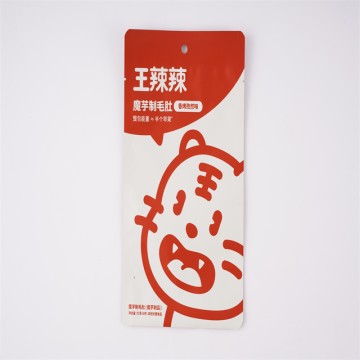
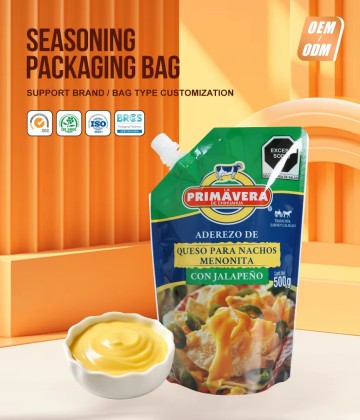
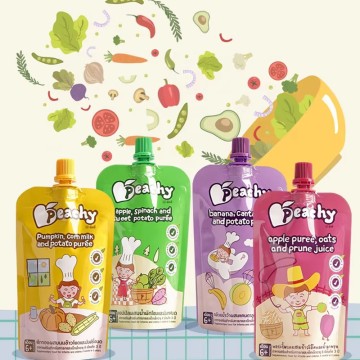
Explore our top-selling flexible packaging solutions designed for single-serve snack portioning, sachet applications, liquid fills, and coffee formats — all fully customizable for global export.
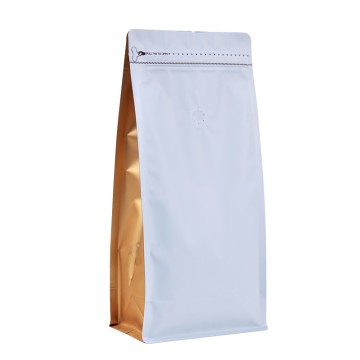
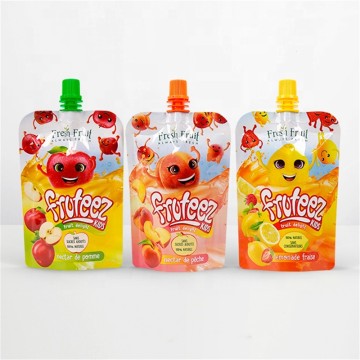
A deep-dive into the commercial and industrial landscape, applications, and future trends shaping this rapidly evolving packaging segment.
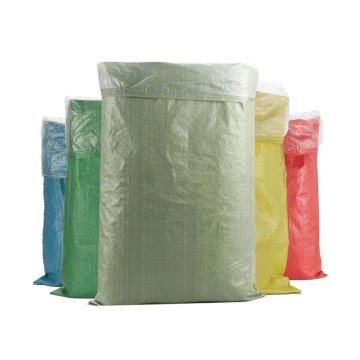
The global snack food and single-serve sachets packaging industry has undergone a seismic transformation over the past decade. At the center of this revolution stands the HDPE (High-Density Polyethylene) woven bag — a packaging material that combines superior mechanical strength, moisture resistance, lightweight properties, and exceptional cost efficiency. As consumer lifestyles continue to demand convenience, portion-controlled servings, and on-the-go formats, the commercial deployment of HDPE woven bags in single-serve snack and sachet portion applications has accelerated dramatically across every major global market.
According to recent market intelligence reports, the global flexible packaging market — of which HDPE woven bags form a significant segment — is projected to surpass USD 360 billion by 2030, growing at a CAGR exceeding 5.2%. The single-serve and sachet sub-segment alone accounts for over 28% of all flexible packaging demand globally, with explosive growth recorded in Southeast Asia, the Middle East, Africa, and Latin America.
HDPE woven bags are manufactured by weaving flat tapes of high-density polyethylene into a fabric-like structure, which is then laminated, coated, or combined with inner liners depending on the application. The molecular structure of HDPE grants these bags a unique combination of tensile strength, chemical inertness, and moisture barrier performance that makes them ideal for food-grade single-serve packaging applications.
Unlike conventional plastic pouches, HDPE woven bags offer a significantly higher load-bearing capacity per unit of material used. For single-serve snack and sachet portion contexts, this means brands can design ultra-compact, lightweight packages that nonetheless maintain structural integrity through distribution, retail shelving, and consumer handling — a critical factor in markets with extensive logistics chains.
The single-serve packaging segment — encompassing sachets, pillow bags, stick packs, doy packs, and mini woven pouches — is one of the most competitive and innovation-driven niches in the global FMCG packaging industry. HDPE woven bags have secured a dominant position within this space due to several commercial realities:
Multi-layer HDPE + EVOH + PE constructions deliver oxygen and moisture barriers previously only achievable with foil-based packaging.
10-color HD flexographic printing enables photographic-quality graphics directly on woven HDPE surfaces for sachet and snack packs.
All-HDPE monomaterial constructions are enabling fully recyclable sachet and snack bag formats aligned with EPR regulations globally.
Ultra-small sachet sizes (1g–30g) are now achievable with precision heat-seal technology on woven HDPE, targeting condiment and supplement markets.
QR codes, holographic laminates, and UV-reactive inks embedded in HDPE woven bag printing layers for brand authentication.
From street food to pharmaceutical sachets, HDPE woven bags are enabling new business models and consumer experiences across six major verticals.
Individual portions of chips, nuts, dried fruits, popcorn, and puffed snacks in HDPE woven mini-pouches deliver the right texture, freshness barrier, and shelf appeal for impulse purchase formats in modern trade and convenience channels.
Single-serve instant coffee, tea, flavored drink powder, and protein shake sachets leverage HDPE woven bag constructions with aluminum foil lamination for maximum aroma and moisture barrier — critical for premium single-origin coffee brands and functional beverage companies.
Fast-food chains, airlines, and institutional caterers worldwide demand consistent, leak-proof single-serve sachets for ketchup, soy sauce, chili oil, mayonnaise, and specialty condiments. HDPE woven bag derivatives with spout closures and heat-seal integrity meet the strictest food service standards.
The booming global functional food and supplement market relies on HDPE woven-laminate stick packs and sachets for collagen powder, protein isolate, probiotic blends, and vitamin C sachets. Precise weight control and hermetic sealing are non-negotiable requirements fully met by modern HDPE woven bag production lines.
Premium pet food brands are transitioning to single-serve HDPE woven pouches for wet food, kibble mixes, and training treat portions. The format resonates strongly with the humanization trend in pet care, where pet owners seek convenient, hygienic, and visually appealing packaging comparable to human food standards.
Beyond food, HDPE woven bag technology serves the agrochemical, seed treatment, and industrial chemical markets with micro-sachet formats for pesticide powders, fertilizer additives, and desiccant sachets — all benefiting from HDPE's chemical resistance and moisture barrier properties.
Six engineering and commercial advantages that make HDPE woven bags the material of choice for demanding single-serve applications.
HDPE woven construction delivers outstanding puncture and tear resistance, ensuring snack portions and sachets survive automated filling lines, transit stress, and retail handling without failure.
The inherent hydrophobic nature of HDPE, combined with optional PE or aluminum inner laminates, creates robust moisture barriers that preserve snack crunch, powder flowability, and flavor profile.
Up to 10-color flexographic or rotogravure printing directly on HDPE woven surfaces enables photographic-quality branding, regulatory text, barcodes, QR codes, and multi-language content in a single production run.
HDPE is globally classified under recycling stream #2, with well-established collection and reprocessing infrastructure. Brands using HDPE woven bags can communicate authentic sustainability credentials backed by third-party certification.
From 1g micro sachets to 5kg multi-serve formats, HDPE woven bags can be engineered across an extraordinarily wide size range with consistent heat-seal performance and dimensional accuracy on modern converting equipment.
HDPE woven bags produced under ISO9001, ISO14001, ISO45001, and QS food safety certification frameworks satisfy import requirements across North America, the EU, Southeast Asia, the Middle East, and beyond.
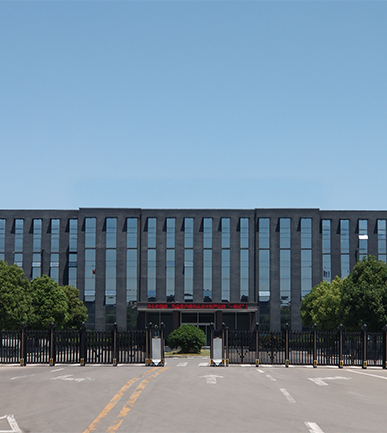
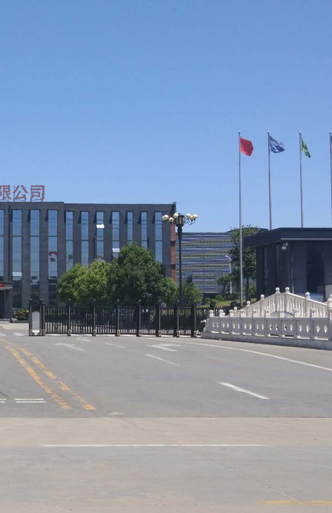

Shandong Jike International Trade Co., Ltd. is a state-owned professional food packaging and printing enterprise, established in 2003 and located in Shandong Province, eastern China. The company has obtained and passed ISO9001, ISO14001, and ISO45001 certifications, and all our products have passed QS food safety certification.
With over 23 years of production experience, Jike has grown into a globally recognized supplier of HDPE woven bags, flexible packaging solutions, and food-grade sachet packaging — trusted by manufacturers, brand owners, and distributors across 70+ countries worldwide.
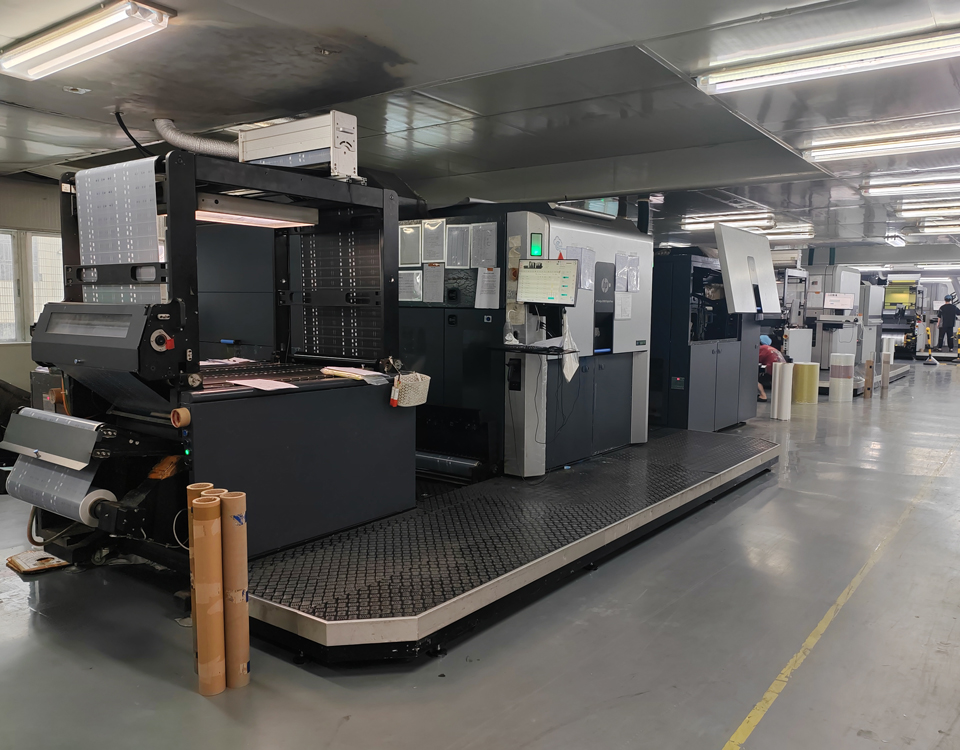
The company's core export products cover the needs of multiple industries, mainly including food-grade flexible packaging, pet food packaging, polyethylene film, and woven packaging bags, which can accurately match the market standards of different regions such as North America, the European Union, Southeast Asia, and the Middle East.
We also support multi-language design and printing, barcode/QR code customization, material combination selection, and thickness selection to fully meet the needs of cross-border trade. Whether you require a short-run sachet sampling project or a multi-million-unit annual volume contract for HDPE woven snack bags, our production infrastructure and commercial team are equipped to deliver.
Our product development team stays current with international packaging trends, working closely with brand designers, food technologists, and regulatory consultants to ensure every HDPE woven bag we produce aligns with both the aesthetic aspirations and compliance requirements of your target market.
In terms of supply chain and service, the company has strong cross-border delivery capabilities. We have standardized production workshops and automated production lines, with flexible minimum order quantities for regular products. We undertake both small-batch customization and large-volume order production.
We have established a strict quality control system, tracing the entire process from raw material procurement and production processing to finished product inspection, ensuring that every batch of products meets the quality standards of the importing country. We are equipped with a professional cross-border logistics team to support various transportation methods.
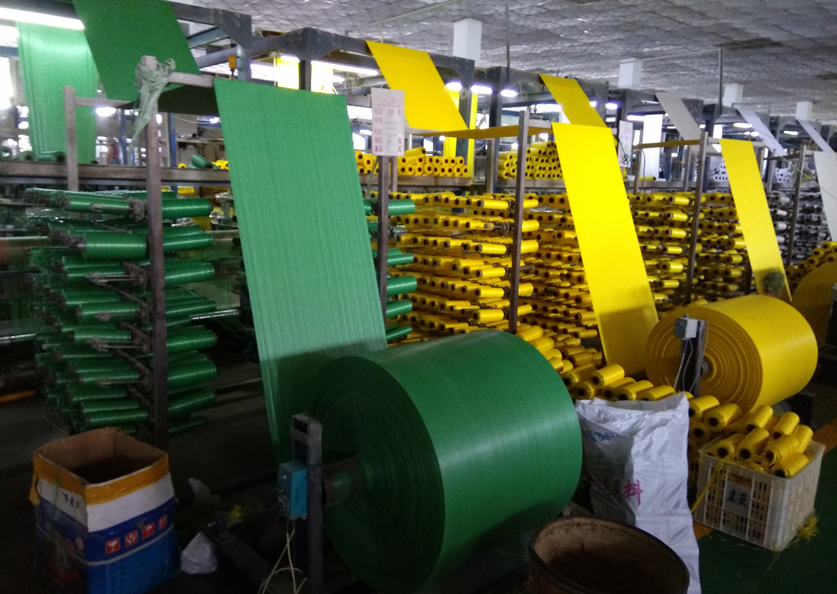
Since its establishment 23 years ago, relying on excellent product quality, comprehensive compliance guarantees, and efficient cross-border services, Jike Packaging Printing has established long-term cooperative relationships with customers in more than 50 countries and regions worldwide, serving clients including globally renowned food manufacturers, brand owners, and trading companies. In the future, we will continue to focus on changes in international market demand, using innovative technology and high-quality services as a link to become a trusted cross-border flexible packaging printing partner for global customers.
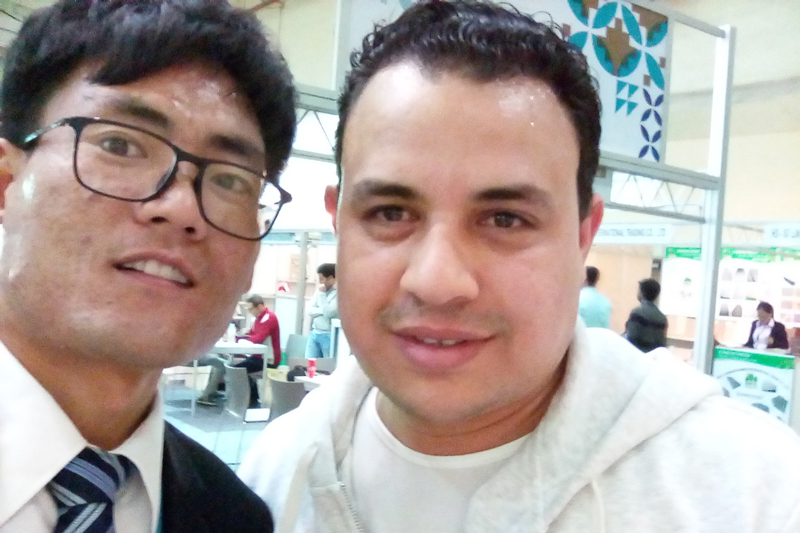
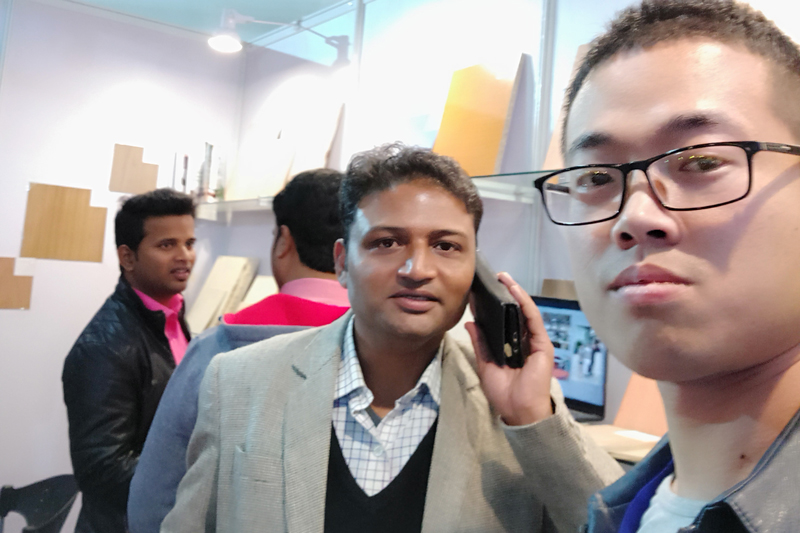
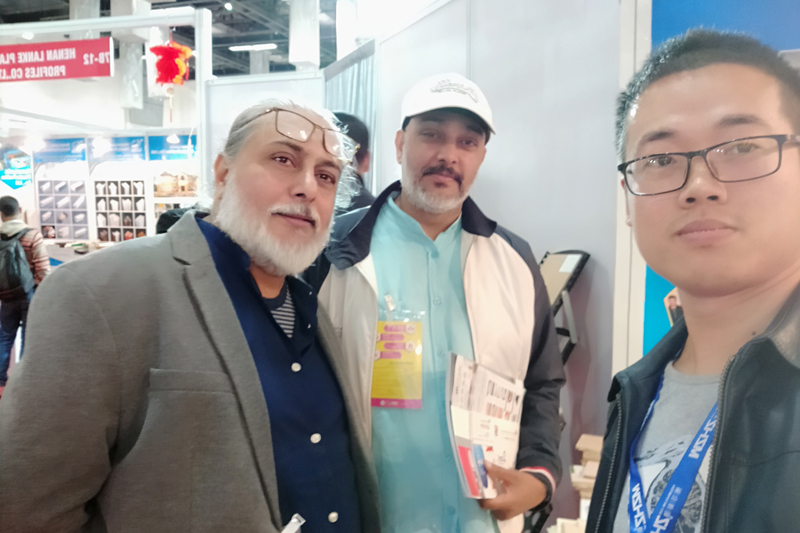
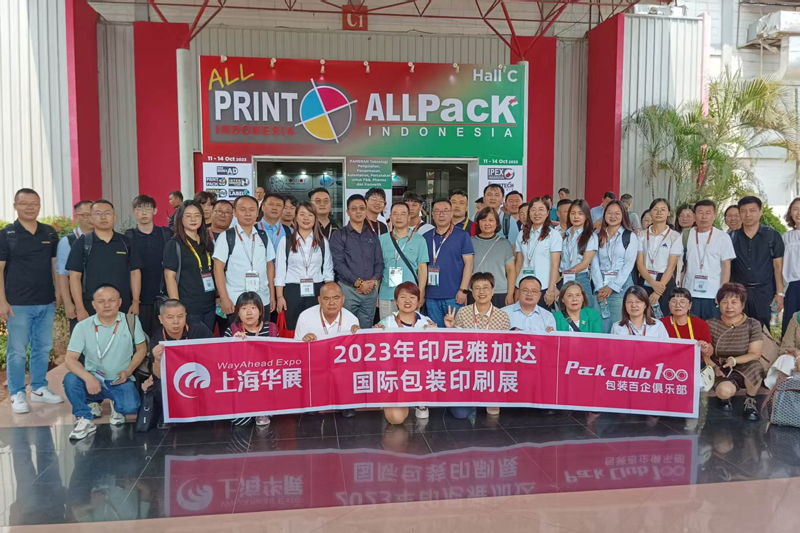
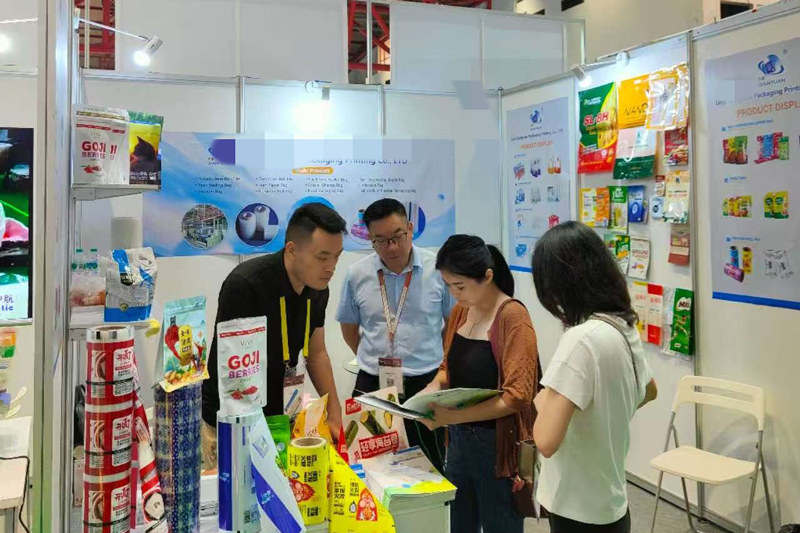
We actively participate in international packaging and food industry exhibitions, showcasing our latest HDPE woven bag innovations and single-serve snack packaging solutions to buyers worldwide.

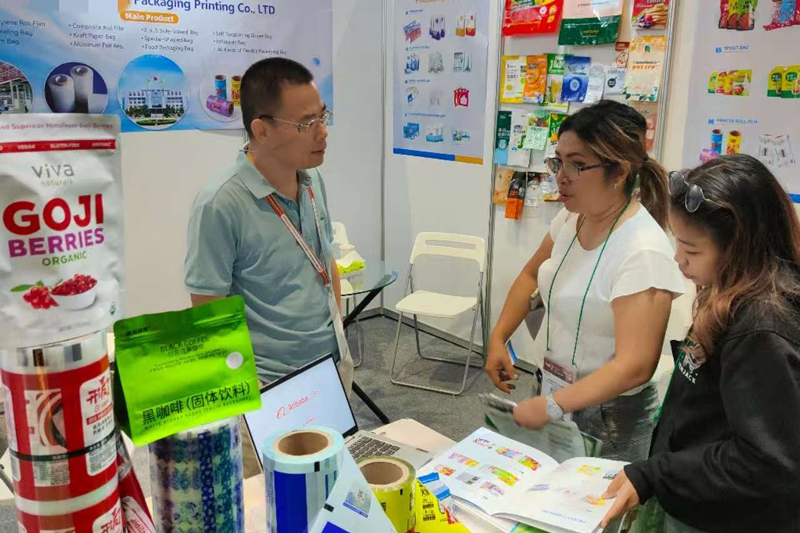
Browse our full portfolio of single-serve snack packaging, sachet solutions, spout pouches, PP woven bags, and food-grade flexible packaging — all available for custom specification and global export.