Welcome to our company

Leave Your Message
Premium recyclable packaging products designed for sustainability
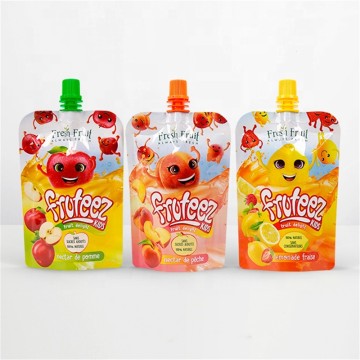
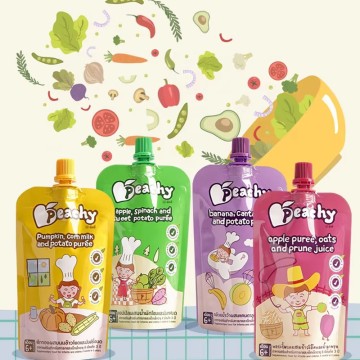
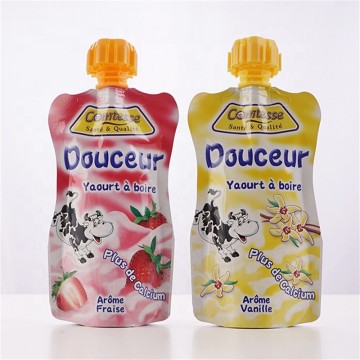
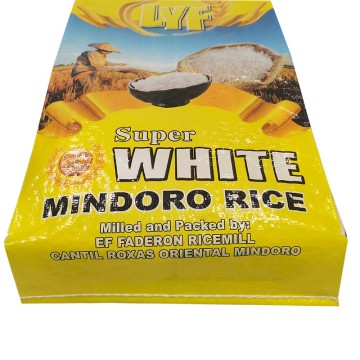
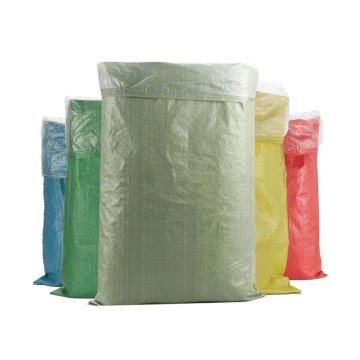
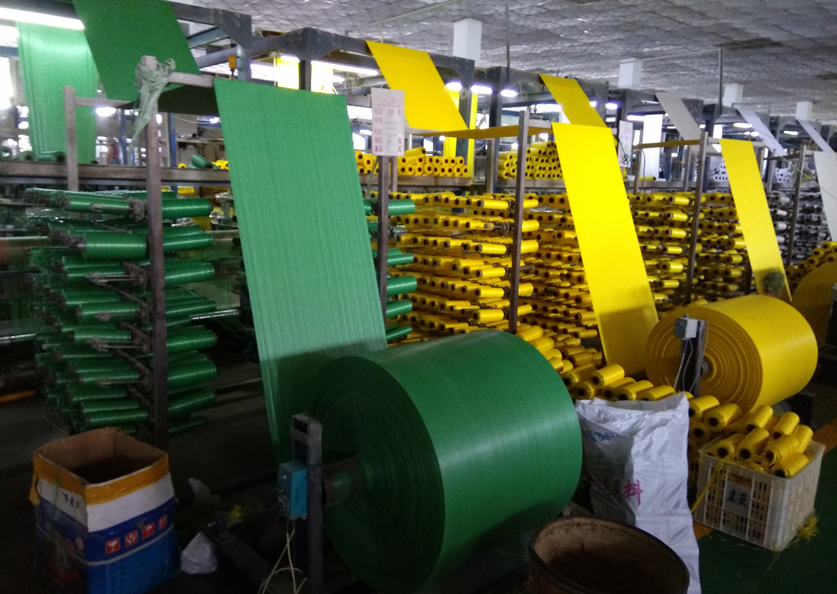
High-Density Polyethylene (HDPE) woven bags have emerged as a cornerstone solution in the global shift toward eco-friendly and recyclable packaging. These versatile bags combine exceptional strength, durability, and environmental responsibility, making them an ideal choice for businesses committed to sustainable practices. HDPE woven bags are manufactured using advanced weaving technology that interlaces HDPE tape yarns to create a robust, lightweight, and highly functional packaging material.
The growing demand for sustainable packaging solutions has positioned HDPE woven bags as a preferred alternative to traditional packaging materials. Their recyclability, reusability, and minimal environmental impact align perfectly with the circular economy principles that modern industries are adopting. From agriculture and construction to retail and logistics, HDPE woven bags serve diverse sectors with unmatched efficiency and environmental consciousness.
As global regulations tighten around single-use plastics and environmental protection, HDPE woven bags offer a compliant, cost-effective solution that doesn't compromise on performance. Their ability to be recycled multiple times without significant degradation in quality makes them a truly sustainable packaging option for forward-thinking businesses worldwide.
Understanding the global landscape of eco-friendly packaging solutions
The global HDPE woven bag market is experiencing robust growth, projected to reach $8.5 billion by 2028, with a CAGR of 6.2%. This expansion is driven by increasing environmental awareness, stringent regulations against single-use plastics, and growing demand from emerging economies.
Governments worldwide are implementing strict regulations promoting recyclable packaging. The EU's Circular Economy Action Plan and similar initiatives in Asia and North America are accelerating the adoption of HDPE woven bags as businesses seek compliant, sustainable alternatives.
Advanced manufacturing technologies have significantly improved HDPE woven bag production efficiency. Automated weaving systems, precision printing capabilities, and quality control innovations enable manufacturers to deliver high-quality products at competitive prices while maintaining environmental standards.
HDPE woven bags have become integral to modern supply chains, particularly in agriculture, construction, and food industries. Their standardized dimensions, stackability, and compatibility with automated handling systems make them essential for efficient logistics operations.
Despite initial perceptions, HDPE woven bags offer superior cost-effectiveness over their lifecycle. Their durability allows for multiple uses, reducing per-use costs significantly. Additionally, their lightweight nature reduces transportation costs, contributing to overall supply chain efficiency.
Leading manufacturers are investing heavily in research and development to enhance HDPE woven bag properties. Innovations include UV-resistant formulations, antimicrobial treatments, enhanced printing technologies, and bio-based HDPE alternatives that further reduce environmental impact.
Comprehensive analysis of HDPE woven bag applications across industries
HDPE woven bags dominate agricultural packaging, used for grains, seeds, fertilizers, and animal feed. Their breathability prevents moisture accumulation, protecting contents from spoilage. The bags' high tensile strength handles loads up to 50kg safely, while UV stabilization ensures outdoor durability. Customizable printing allows for branding, product information, and traceability codes, essential for modern agricultural supply chains.
The construction industry relies heavily on HDPE woven bags for cement, sand, aggregates, and chemical additives. These bags withstand rough handling, resist tearing, and protect contents from environmental factors. Their puncture resistance and load-bearing capacity make them ideal for heavy-duty applications. Many construction companies now mandate recyclable packaging, making HDPE woven bags the preferred choice.
Food-grade HDPE woven bags are extensively used for packaging flour, rice, sugar, and processed foods. These bags meet stringent food safety standards, preventing contamination while maintaining product freshness. Their moisture-resistant properties protect against humidity, and their recyclability aligns with food industry sustainability goals. Advanced printing technologies enable attractive designs that enhance shelf appeal.
Chemical and pharmaceutical sectors utilize HDPE woven bags for powders, granules, and solid materials. These bags offer excellent chemical resistance, preventing reactions with contents. Their sealed construction protects sensitive materials from moisture and contamination. Compliance with industry regulations and the ability to incorporate safety information through printing make them ideal for hazardous material transport.
Retail applications of HDPE woven bags include shopping bags, promotional bags, and product packaging. Their reusability appeals to environmentally conscious consumers, while customization options support brand marketing. Many retailers have transitioned to HDPE woven bags as part of their sustainability initiatives, offering them as alternatives to single-use plastic bags and enhancing brand reputation.
HDPE woven bags play a crucial role in waste management systems, used for collecting and transporting recyclable materials, garden waste, and construction debris. Their durability withstands sharp objects and heavy loads, while their recyclability supports circular economy principles. Color-coding and printing facilitate waste segregation, improving recycling efficiency in municipal and commercial operations.
Emerging trends shaping the future of HDPE woven bag technology
The industry is witnessing a significant shift toward bio-based HDPE derived from renewable sources like sugarcane ethanol. This innovation maintains the material's excellent properties while reducing dependence on fossil fuels. Bio-HDPE woven bags offer identical performance characteristics to conventional HDPE but with a substantially lower carbon footprint. Major manufacturers are investing in bio-HDPE production capacity, with projections indicating that bio-based materials could constitute 30% of HDPE woven bag production by 2030. This transition aligns with corporate sustainability goals and consumer demand for genuinely eco-friendly packaging solutions.
Integration of smart technologies into HDPE woven bags is revolutionizing supply chain management. RFID tags, QR codes, and NFC chips embedded in bags enable real-time tracking, inventory management, and authenticity verification. These technologies provide valuable data on product movement, storage conditions, and consumer behavior. Smart HDPE woven bags can monitor temperature, humidity, and handling conditions, ensuring product quality throughout the supply chain. This trend is particularly significant in pharmaceutical and food industries where product integrity is paramount.
Development of advanced recycling infrastructure specifically for HDPE woven bags is accelerating. Chemical recycling technologies can break down used bags into their molecular components, enabling production of virgin-quality HDPE. Closed-loop recycling systems are being established where manufacturers collect, recycle, and reproduce bags, creating truly circular supply chains. Industry collaborations and government initiatives are funding recycling facility expansion, making HDPE woven bag recycling more accessible and economically viable globally.
Digital printing technologies are transforming HDPE woven bag customization. High-resolution, full-color printing enables complex designs, photographic images, and variable data printing for personalization. This advancement supports brand differentiation and marketing initiatives while maintaining the bags' recyclability. On-demand printing reduces minimum order quantities, making customized HDPE woven bags accessible to small and medium enterprises. The ability to print security features, anti-counterfeiting elements, and interactive designs adds value beyond basic packaging functionality.
Ongoing research focuses on reducing HDPE woven bag weight without compromising strength. Advanced weaving techniques and material optimization enable lighter bags that maintain load-bearing capacity. This trend reduces raw material consumption, lowers transportation costs, and decreases carbon emissions. Lightweight HDPE woven bags align with corporate sustainability targets and regulatory requirements for packaging waste reduction. The industry is achieving 15-20% weight reductions while improving or maintaining performance characteristics.
International efforts to standardize HDPE woven bag specifications, recycling protocols, and sustainability metrics are gaining momentum. Organizations like ISO and industry associations are developing comprehensive standards that facilitate global trade, ensure quality consistency, and promote best practices. Standardization simplifies compliance for multinational corporations, reduces market fragmentation, and accelerates the adoption of sustainable packaging solutions worldwide. These initiatives also support developing countries in establishing quality manufacturing and recycling capabilities.
Why businesses worldwide choose HDPE woven bags for sustainable packaging
Exceptional tensile strength and load-bearing capacity for heavy-duty applications
Fully recyclable material supporting circular economy and sustainability goals
UV stabilization and moisture resistance for outdoor storage and transportation
Competitive pricing with long lifespan and reusability reducing per-use costs
Flexible printing and design options for branding and product information
Woven structure allows air circulation preventing moisture accumulation
Resistant to most chemicals making them safe for various industrial applications
Minimal environmental impact compared to alternatives with lower carbon footprint
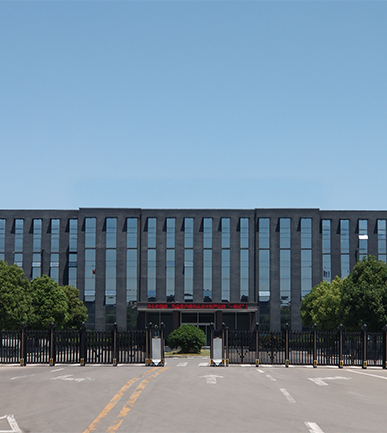
Over 23 years of production experience
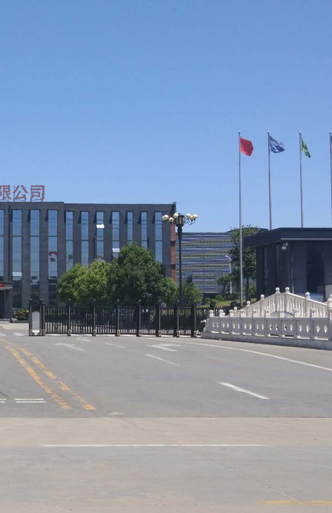


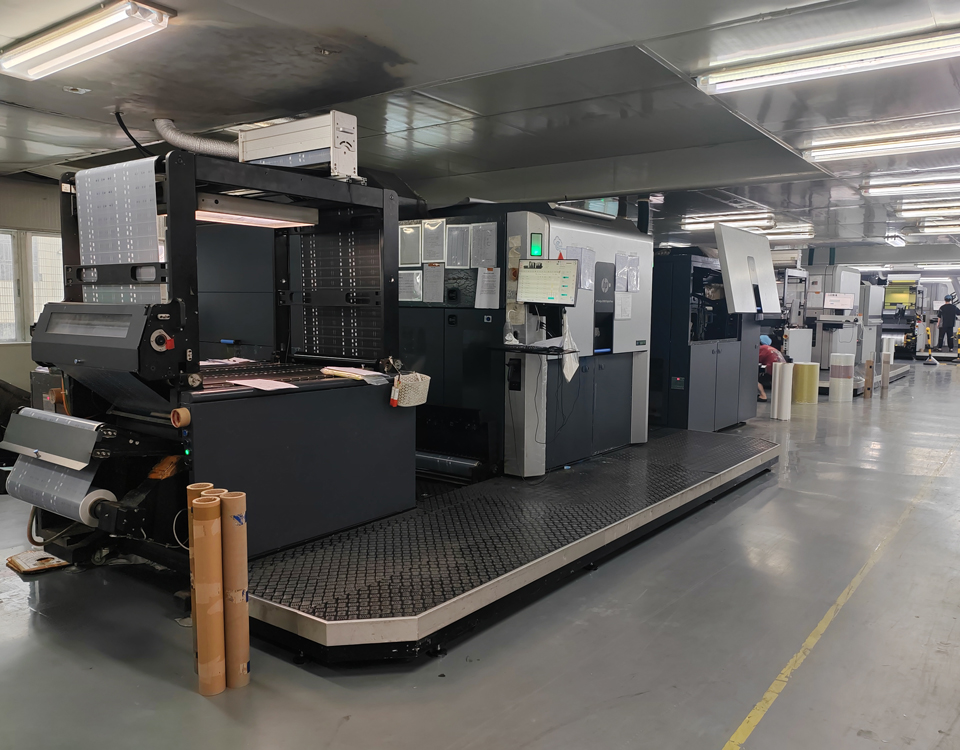

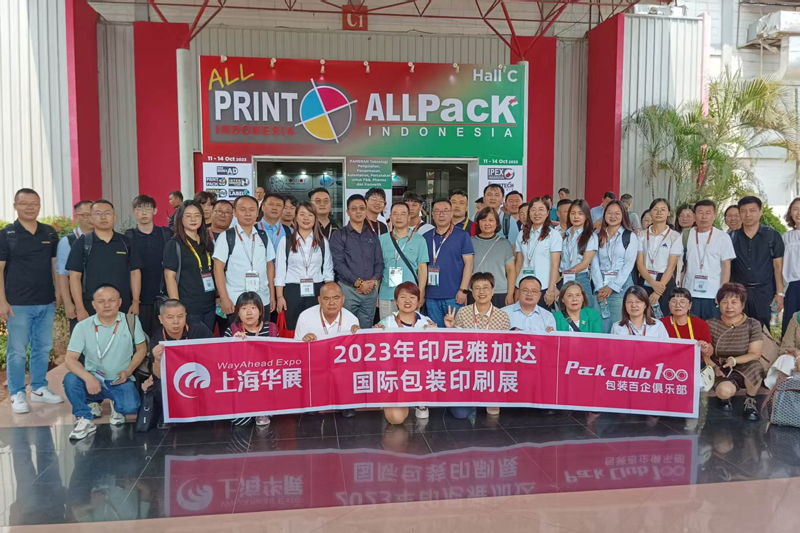
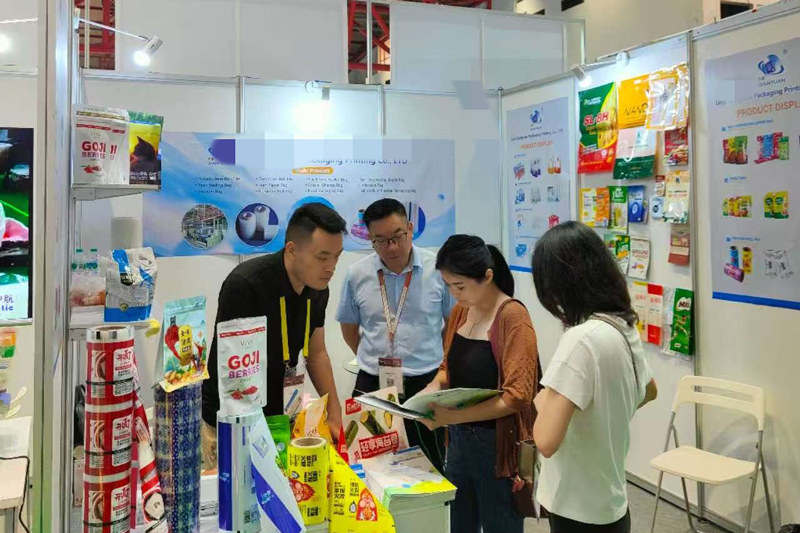
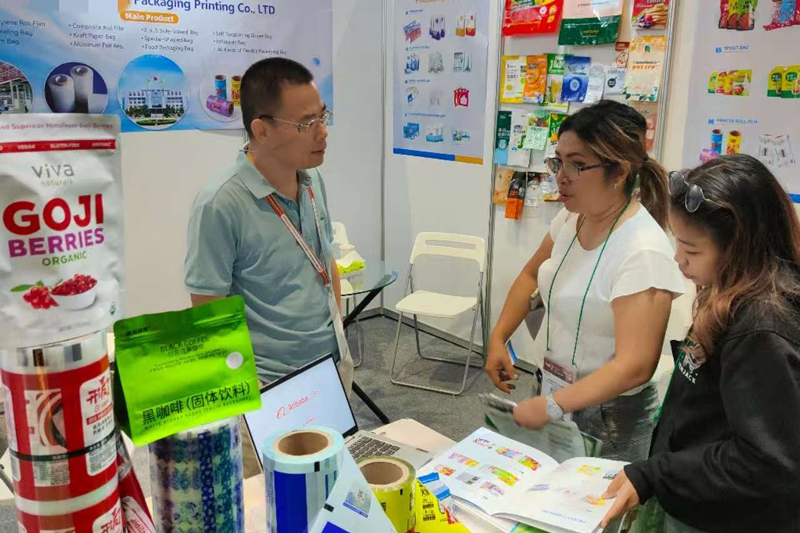
Since its establishment 23 years ago, relying on excellent product quality, comprehensive compliance guarantees, and efficient cross-border services, Jike Packaging Printing has established long-term cooperative relationships with customers in more than 50 countries and regions worldwide, serving clients including globally renowned food manufacturers, brand owners, and trading companies. In the future, we will continue to focus on changes in international market demand, using innovative technology and high-quality services as a link to become a trusted cross-border flexible packaging printing partner for global customers.
Comprehensive packaging solutions for diverse industry needs