Handle Woven Bag For Single-Serve Snack And Sachet Portions: Revolutionizing Modern Packaging
In today's fast-paced consumer landscape, the demand for convenient, portable, and sustainable packaging solutions has never been higher. Handle woven bags for single-serve snack and sachet portions represent a significant evolution in the packaging industry, combining durability, functionality, and eco-consciousness in one innovative solution. These specialized bags are transforming how manufacturers, retailers, and consumers approach portion-controlled food packaging.
📊Market Overview and Industry Status
The global flexible packaging market, which includes handle woven bags for single-serve portions, has experienced remarkable growth over the past decade. According to industry analysis, the market is projected to reach $290 billion by 2027, with single-serve and portion-controlled packaging representing one of the fastest-growing segments. This growth is driven by changing consumer lifestyles, increased demand for on-the-go consumption, and heightened awareness of food waste reduction.
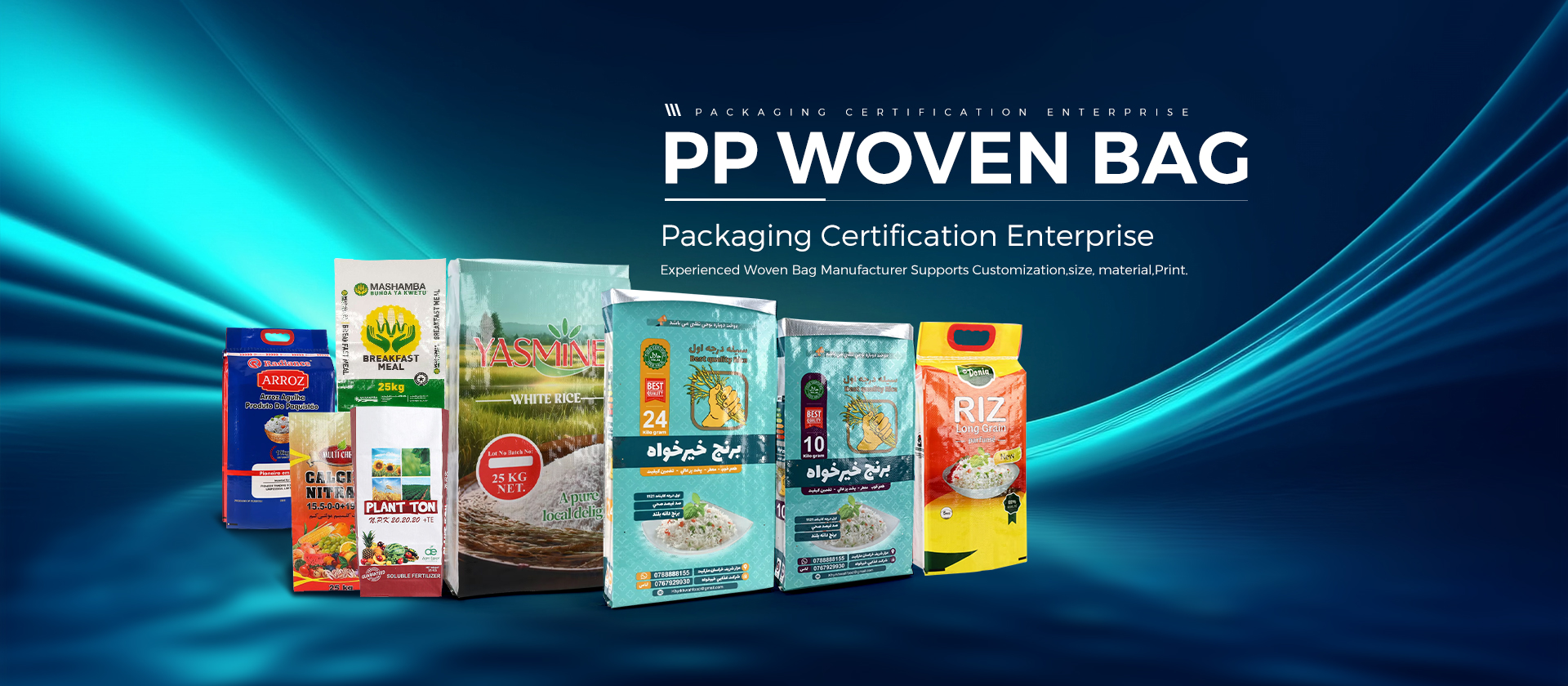
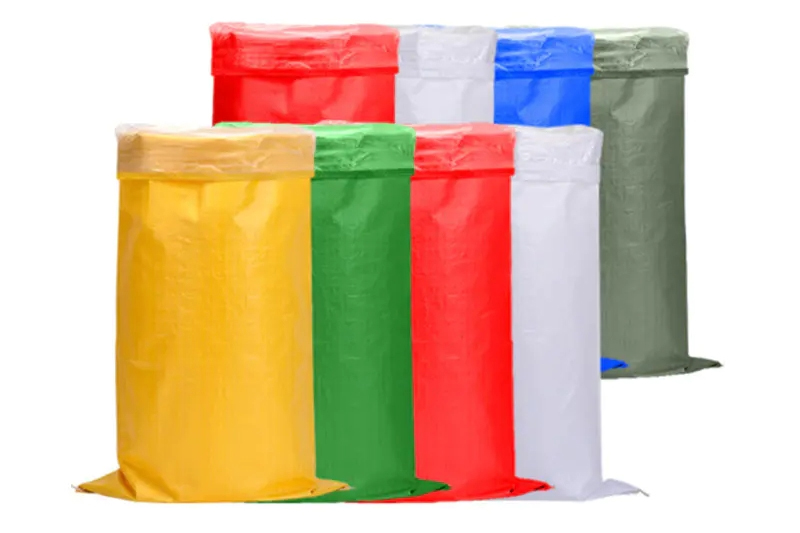
Handle woven bags specifically designed for single-serve snacks and sachet portions occupy a unique niche within this expanding market. These bags combine the structural integrity of woven polypropylene with the convenience features demanded by modern consumers—integrated handles for easy carrying, resealable closures for freshness preservation, and customizable designs for brand differentiation. The commercial adoption of these bags has been particularly strong in emerging markets across Asia-Pacific, Latin America, and Africa, where portion-controlled packaging addresses both economic accessibility and food safety concerns.
Industry Insight: The single-serve packaging segment is growing at a CAGR of 6.8%, outpacing traditional bulk packaging solutions. This trend reflects fundamental shifts in consumer behavior, including increased snacking frequency, preference for portion control, and demand for packaging that supports active lifestyles.
🔬Technical Specifications and Material Innovation
Handle woven bags for single-serve applications are engineered with precision to meet the demanding requirements of food packaging. The base material—typically woven polypropylene (PP)—is selected for its exceptional strength-to-weight ratio, moisture resistance, and recyclability. Modern manufacturing processes incorporate lamination layers that provide additional barrier properties, protecting contents from oxygen, moisture, and light exposure that could compromise product quality.
🎯
Barrier Technology
Advanced multi-layer lamination provides superior protection against moisture, oxygen, and UV light, extending shelf life for snacks and sachets by up to 300%.
💪
Structural Integrity
Woven construction delivers tensile strength exceeding 200 N/5cm, ensuring bags maintain shape and integrity throughout distribution and handling.
♻️
Sustainability Features
100% recyclable PP materials with optional biodegradable additives reduce environmental impact while maintaining performance standards.
The handle integration represents a critical design element that distinguishes these bags from standard flexible packaging. Ergonomically designed handles are either woven directly into the bag structure or thermally bonded as reinforced components, capable of supporting loads ranging from 500g to 5kg depending on application requirements. This feature transforms the bag from mere packaging into a functional carrying solution, enhancing consumer convenience and brand perception.
🏭Manufacturing Process and Quality Control
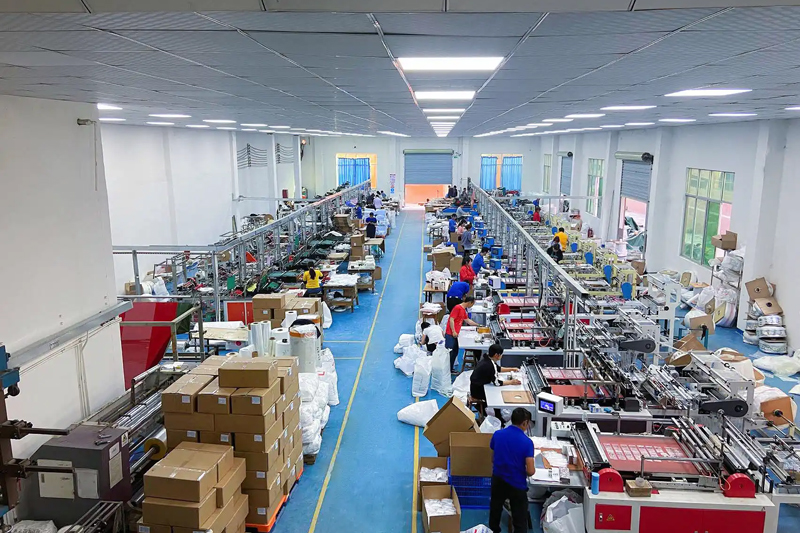
The production of handle woven bags for single-serve portions involves sophisticated manufacturing processes that ensure consistency, safety, and performance. The process begins with extrusion of polypropylene resin into flat tapes, which are then woven on circular looms to create the base fabric. This fabric undergoes lamination with food-grade films—typically BOPP (biaxially oriented polypropylene) or PE (polyethylene)—to create the necessary barrier properties.
- Extrusion and tape production with precise width and thickness control (±0.02mm tolerance)
- Circular weaving at densities ranging from 10x10 to 14x14 threads per inch
- Lamination using hot-melt or solvent-based adhesives meeting FDA and EU food contact standards
- Printing with gravure or flexographic processes supporting up to 8-color designs
- Cutting and sewing with ultrasonic or thermal sealing for leak-proof construction
- Handle attachment through reinforced stitching or thermal bonding techniques
- Final inspection including leak testing, load bearing verification, and visual quality assessment
Quality control throughout the manufacturing process is paramount, particularly for food packaging applications. Leading manufacturers implement ISO 9001 quality management systems alongside food safety certifications such as BRC, FSSC 22000, and HACCP. Each production batch undergoes rigorous testing including tensile strength analysis, seal integrity verification, migration testing for food contact compliance, and accelerated aging studies to ensure consistent performance throughout the product's intended shelf life.
🎯Application Scenarios and Market Segments
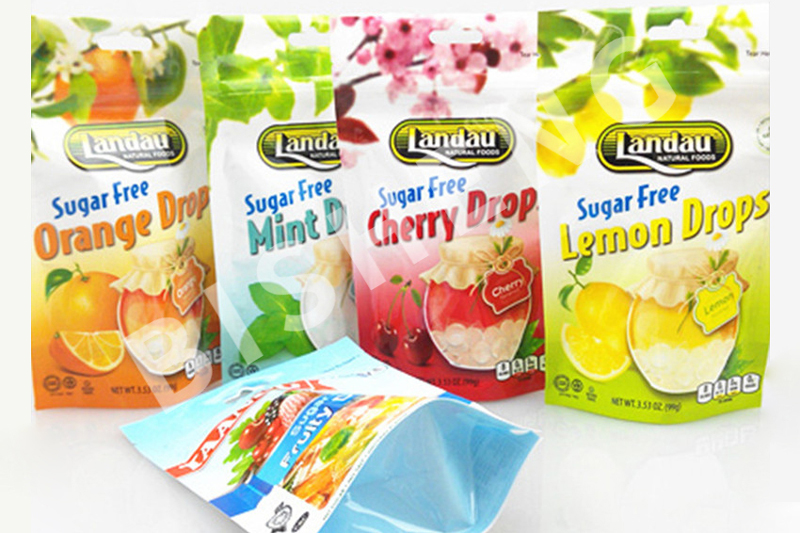
Handle woven bags for single-serve snack and sachet portions serve diverse application scenarios across multiple market segments. In the snack food industry, these bags are increasingly used for portion-controlled packaging of chips, nuts, dried fruits, and confectionery products. The integrated handle makes them ideal for multipack formats, where consumers appreciate the convenience of carrying multiple single-serve portions in one easy-to-transport package.
The sachet portion market represents another significant application area. Condiments, sauces, seasonings, and beverage concentrates packaged in sachets benefit from the protective outer packaging provided by handle woven bags. This dual-packaging approach offers several advantages: the sachets maintain product freshness and portion control, while the outer woven bag provides structural protection, brand visibility, and carrying convenience. This configuration is particularly popular in foodservice and institutional catering sectors.
Application Spotlight: Emerging markets are driving innovation in handle woven bag applications. In Southeast Asia, these bags are used for bundling single-serve instant noodle packets. In Africa, they package portion-controlled cooking ingredients. In Latin America, they're popular for snack assortments and trial product samplers.
Retail environments have embraced handle woven bags as promotional packaging solutions. Supermarkets and convenience stores use them for value packs, seasonal offerings, and loyalty program incentives. The bags' durability allows for reuse, turning packaging into a mobile advertisement that extends brand exposure well beyond the initial purchase. E-commerce has also discovered the benefits of these bags, as their robust construction protects contents during shipping while the handle facilitates last-mile delivery and customer convenience.
📈Development Trends and Future Outlook
The evolution of handle woven bags for single-serve portions is being shaped by several converging trends. Sustainability demands are driving material innovation, with manufacturers exploring bio-based polypropylene derived from renewable feedstocks, incorporation of post-consumer recycled content, and development of truly compostable alternatives that maintain the performance characteristics of conventional materials.
Smart packaging integration represents another frontier. RFID tags and NFC chips embedded in handle woven bags enable supply chain tracking, authentication verification, and consumer engagement through smartphone interactions. QR codes printed on bags link to digital content including recipes, nutritional information, and sustainability credentials, transforming packaging into an information platform that enhances brand storytelling.
🌱
Sustainable Materials
Next-generation bio-PP and PCR content integration targeting 50%+ renewable/recycled content by 2028 without performance compromise.
📱
Digital Integration
Smart packaging features including NFC, RFID, and interactive QR codes creating connected consumer experiences and supply chain transparency.
🎨
Design Innovation
Advanced printing techniques including digital, metallic, and holographic effects enabling premium brand differentiation and anti-counterfeiting features.
Customization capabilities are expanding rapidly. Digital printing technologies now enable short-run production of highly personalized designs, making handle woven bags accessible for small brands and limited-edition product launches. Variable data printing allows for serialization, regional customization, and personalized marketing messages—all without the traditional setup costs associated with conventional printing methods.
Regulatory developments are also shaping the future of these packaging solutions. Extended Producer Responsibility (EPR) schemes being implemented globally are incentivizing designs that facilitate recycling and reduce environmental impact. This is driving innovation in mono-material constructions that simplify end-of-life processing and development of clear labeling systems that guide consumers in proper disposal.
💼Business Advantages and ROI Considerations
For businesses considering handle woven bags for single-serve snack and sachet portions, the value proposition extends beyond basic packaging functionality. These solutions offer measurable advantages across multiple business dimensions. From a supply chain perspective, the durability of woven construction reduces product damage during distribution, lowering replacement costs and improving customer satisfaction. The bags' efficient cube utilization optimizes warehouse space and transportation efficiency, reducing logistics costs per unit.
Marketing benefits are equally significant. The large printable surface area of handle woven bags provides premium branding opportunities that enhance shelf presence and consumer recall. The integrated handle transforms packaging into a walking advertisement as consumers carry products, extending brand visibility beyond retail environments. This mobile marketing effect is particularly valuable for building brand awareness in competitive market segments.
- Cost efficiency: 15-25% reduction in per-unit packaging costs compared to rigid alternatives at scale
- Damage reduction: Up to 40% decrease in product loss during distribution versus conventional flexible packaging
- Brand visibility: 300%+ increase in consumer brand exposure through mobile advertising effect
- Sustainability credentials: Measurable reduction in packaging waste supporting corporate ESG objectives
- Consumer convenience: Enhanced user experience driving repeat purchase rates 20-30% higher
- Versatility: Single packaging solution serving multiple product categories reducing SKU complexity
The reusability factor should not be underestimated. Consumers increasingly retain and repurpose quality packaging, with handle woven bags commonly used for shopping, storage, and organization after the original contents are consumed. This extended utility creates ongoing brand exposure and positive associations that enhance customer lifetime value.
🌍Global Market Dynamics and Regional Variations
The adoption and application of handle woven bags for single-serve portions varies significantly across global markets, reflecting regional differences in consumer preferences, regulatory environments, and economic conditions. In developed markets such as North America and Western Europe, emphasis is placed on premium features—sophisticated printing, specialized closures, and sustainability credentials. Consumers in these regions are willing to pay premium prices for packaging that aligns with environmental values and offers superior convenience.
Emerging markets present different dynamics. In Asia-Pacific, the focus is on cost-effectiveness and portion control that makes products accessible to price-sensitive consumers. Handle woven bags enable manufacturers to offer smaller package sizes at affordable price points while maintaining product integrity. The carrying convenience is particularly valued in markets where personal vehicle ownership is lower and consumers frequently transport purchases on foot or via public transportation.
African markets are witnessing rapid adoption driven by the need for packaging that withstands challenging distribution conditions—high temperatures, humidity, and extended supply chains. The durability of woven construction makes these bags ideal for markets where refrigeration infrastructure is limited and packaging must protect contents through ambient temperature distribution. The handle feature addresses practical transportation needs in markets where shopping trips often involve carrying purchases over significant distances.
Regional Insight: Middle Eastern markets show growing preference for handle woven bags in Ramadan and holiday gift packaging, where the bags bundle multiple single-serve portions into attractive presentation formats. This application demonstrates how packaging solutions can be adapted to cultural contexts and seasonal opportunities.
🔧Customization Options and Design Considerations
The versatility of handle woven bags for single-serve applications is reflected in the extensive customization options available to brands. Size configurations range from compact formats holding 3-5 single-serve sachets to larger bags accommodating 20+ portions. Dimensions are tailored to specific product requirements, with width, height, and gusset depth optimized for contents while maintaining structural stability and aesthetic appeal.
Handle design itself offers numerous variations. Die-cut handles integrated into the bag body provide a sleek, minimalist appearance while maintaining strength. Reinforced fabric handles offer enhanced carrying capacity and tactile quality. Drawstring closures combine handle functionality with resealability, particularly popular for products requiring repeated access. Some designs incorporate dual handles—one for carrying and another for hanging display—maximizing retail presentation flexibility.
Printing capabilities have advanced significantly, enabling brands to achieve sophisticated visual effects. Gravure printing delivers photographic quality images across the entire bag surface. Flexographic printing offers cost-effective multi-color reproduction suitable for most commercial applications. Digital printing enables ultra-short runs and personalization previously impossible with conventional methods. Specialty finishes—matte lamination, spot UV, metallic inks, and holographic effects—create premium aesthetics that differentiate products in competitive retail environments.
Closure systems represent another critical customization dimension. Zip-lock closures provide consumer-friendly resealability for products consumed over multiple occasions. Heat-sealed closures offer tamper-evidence and maximum freshness protection. Velcro closures enable repeated opening and closing with minimal dexterity required. The closure selection depends on product characteristics, target consumer demographics, and brand positioning.
⚖️Regulatory Compliance and Food Safety Standards
Handle woven bags intended for food contact applications must comply with stringent regulatory requirements that vary by jurisdiction but share common objectives of ensuring consumer safety. In the United States, the FDA regulates food contact materials under 21 CFR, requiring that packaging components do not transfer harmful substances to food products. Manufacturers must conduct migration testing demonstrating that materials meet established safety thresholds.
European Union regulations are equally rigorous, governed by Framework Regulation (EC) No 1935/2004 and specific measures for plastics (EU) No 10/2011. These regulations establish positive lists of approved substances, migration limits, and testing protocols. Compliance requires comprehensive documentation including declarations of conformity, supporting test data, and traceability through the supply chain.
Beyond food contact safety, packaging must address labeling requirements that inform consumers about contents, nutritional information, allergens, and disposal instructions. Increasingly, regulations mandate sustainability information including recyclability symbols and guidance on proper end-of-life handling. Manufacturers of handle woven bags must stay current with evolving requirements across multiple jurisdictions, particularly for products destined for international markets.
- FDA compliance for US market including 21 CFR 177.1520 for polypropylene food contact
- EU Framework Regulation (EC) No 1935/2004 and plastics regulation (EU) No 10/2011
- GB standards for Chinese market including GB 9685 and GB 4806 series
- BRC Global Standard for Packaging and Packaging Materials certification
- FSSC 22000 Food Safety System Certification for manufacturing facilities
- ISO 9001 Quality Management System implementation and maintenance
- Sustainability certifications including recyclability verification and carbon footprint assessment
🎓Best Practices for Implementation
Successfully implementing handle woven bags for single-serve snack and sachet portions requires careful planning and execution across multiple dimensions. Product compatibility assessment is the essential first step—evaluating whether the packaging provides adequate protection for specific contents considering factors such as moisture sensitivity, oxygen exposure, mechanical fragility, and shelf life requirements. This assessment should include accelerated aging studies that simulate distribution and storage conditions.
Supplier selection is equally critical. Experienced manufacturers bring valuable expertise in material selection, design optimization, and regulatory compliance. Evaluation criteria should include production capacity, quality certifications, testing capabilities, and track record with similar applications. Site visits to manufacturing facilities provide insights into quality control processes, equipment capabilities, and overall operational excellence.
Design development benefits from collaborative approaches that engage packaging engineers, graphic designers, and marketing professionals. Prototype testing with target consumers yields valuable feedback on usability, aesthetic appeal, and value perception. Structural testing validates load-bearing capacity, seal integrity, and durability under realistic handling conditions. This iterative development process identifies optimization opportunities before committing to full-scale production.
Supply chain integration requires coordination between packaging production and product filling operations. Lead time management, inventory optimization, and quality inspection protocols must be established to ensure smooth operations. Many brands benefit from vendor-managed inventory arrangements where packaging suppliers maintain buffer stocks and manage replenishment based on consumption patterns.
Implementation Tip: Pilot programs testing handle woven bags in limited markets or product lines provide valuable learning before full-scale rollout. These pilots reveal operational challenges, gather consumer feedback, and validate business case assumptions with minimal risk exposure.