Welcome to our company

Leave Your Message
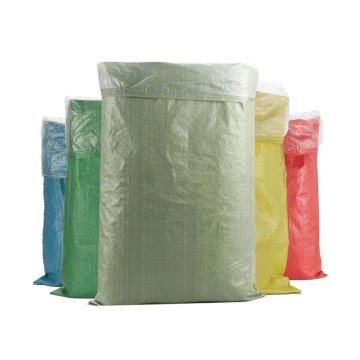
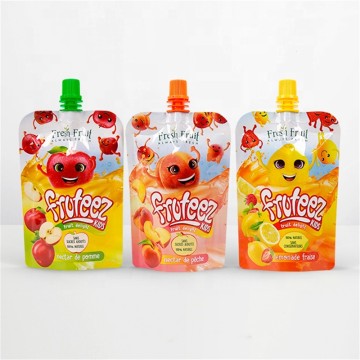
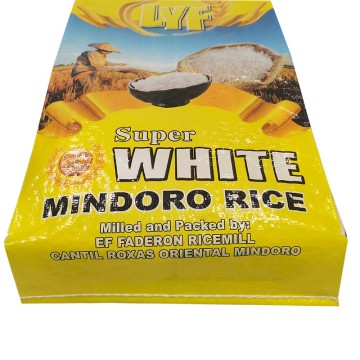
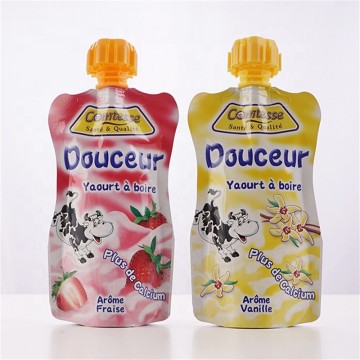
In the contemporary landscape of global packaging solutions, handle woven bags have emerged as a cornerstone of eco-friendly and recyclable packaging alternatives. These versatile products represent a significant shift in how industries approach sustainable packaging, combining durability, functionality, and environmental responsibility in a single solution. As businesses worldwide increasingly prioritize sustainability, handle woven bags have become an essential component of modern packaging strategies across multiple sectors.
The handle woven bag industry has witnessed remarkable transformation over the past two decades, evolving from simple agricultural sacks to sophisticated packaging solutions that meet the demanding requirements of international commerce. This evolution reflects broader trends in consumer behavior, regulatory frameworks, and corporate sustainability commitments that are reshaping the packaging industry globally.
The global woven bag market is projected to reach $8.5 billion by 2027, with a compound annual growth rate (CAGR) of 5.8%. Handle woven bags specifically account for approximately 35% of this market, driven by their superior functionality and increasing demand for reusable packaging solutions. The Asia-Pacific region dominates production, contributing over 60% of global supply, with China, India, and Southeast Asian countries leading manufacturing capabilities.
The commercial landscape for handle woven bags is characterized by robust growth across multiple sectors. The agriculture industry remains the largest consumer, utilizing these bags for packaging grains, seeds, fertilizers, and animal feed. However, significant expansion is occurring in retail, construction materials, chemicals, and food processing industries. The retail sector, in particular, has embraced handle woven bags as an alternative to single-use plastic bags, driven by consumer demand for sustainable shopping solutions and regulatory restrictions on conventional plastic bags in numerous jurisdictions.
Industrial applications have expanded dramatically as manufacturers recognize the superior strength-to-weight ratio and cost-effectiveness of woven polypropylene materials. Construction companies utilize large-capacity handle woven bags for transporting sand, cement, and aggregates, while chemical manufacturers appreciate the moisture resistance and durability for packaging powdered and granular products. The food industry has adopted food-grade woven bags with handles for bulk packaging of rice, flour, sugar, and other staples, particularly in emerging markets where traditional packaging methods are being modernized.
Modern manufacturing facilities have revolutionized handle woven bag production through advanced automation and quality control systems. Contemporary production lines incorporate circular looms capable of producing high-density polypropylene fabric with precise specifications, followed by automated cutting, printing, and handle attachment systems. These technological advancements have significantly improved production efficiency, with leading manufacturers achieving output rates exceeding 100,000 bags per day while maintaining consistent quality standards.
The integration of digital printing technology has transformed customization capabilities, enabling manufacturers to produce small batches with complex graphics and multiple color variations cost-effectively. This flexibility has opened new market opportunities in branded packaging, promotional materials, and specialty applications where visual appeal and brand identity are critical factors. Additionally, innovations in lamination processes have enhanced barrier properties, extending the application range to moisture-sensitive products and improving overall product shelf life.
Grain storage, seed packaging, fertilizer distribution, and animal feed transportation with capacities ranging from 5kg to 50kg.
Reusable shopping bags, promotional merchandise, and branded packaging for consumer goods with custom printing options.
Construction materials, chemical products, mineral transportation, and bulk commodity packaging with reinforced designs.
Food-grade packaging for rice, flour, sugar, and dry goods with FDA-compliant materials and moisture barriers.
The most significant trend shaping the handle woven bag industry is the accelerating transition toward circular economy principles. Manufacturers are increasingly developing bags designed for multiple reuse cycles, with some products rated for 50-100 uses under normal conditions. This durability dramatically reduces the environmental footprint compared to single-use alternatives, aligning with global initiatives to reduce plastic waste and promote resource efficiency.
Recycling infrastructure for polypropylene woven bags is expanding rapidly, with specialized facilities capable of processing used bags into recycled PP pellets for manufacturing new products. Progressive manufacturers are incorporating recycled content into their production processes, with some facilities achieving 30-40% recycled material content without compromising product performance. This closed-loop approach is becoming a competitive differentiator as corporate buyers prioritize suppliers with demonstrated sustainability credentials.
Research and development efforts are intensifying around biodegradable alternatives to conventional polypropylene. Several manufacturers are experimenting with bio-based polymers derived from renewable resources such as corn starch, sugarcane, and cellulose. While these materials currently represent a small market segment due to higher costs and performance limitations, ongoing innovation is gradually improving their viability for specific applications. Industry experts predict that bio-based woven bags could capture 10-15% of the market within the next decade as production scales and costs decline.
The integration of smart technologies into handle woven bags represents an emerging frontier with significant growth potential. RFID tags, QR codes, and NFC chips are being embedded into bags to enable supply chain tracking, authenticity verification, and consumer engagement. These technologies provide valuable data for inventory management, logistics optimization, and anti-counterfeiting measures, particularly valuable for high-value agricultural products and branded consumer goods. As IoT infrastructure expands and technology costs decrease, smart woven bags are expected to become increasingly prevalent in premium market segments.
Life cycle assessments demonstrate that reusable handle woven bags have significantly lower environmental impact compared to alternatives when used multiple times. A single woven bag used 50 times generates approximately 80% less CO2 emissions than equivalent single-use paper or plastic bags. Water consumption in production is 60% lower than cotton bags, while energy requirements are 40% less than comparable paper packaging solutions.
In agricultural applications, handle woven bags serve critical functions beyond simple containment. For grain packaging, bags typically range from 25kg to 50kg capacity, featuring reinforced stitching and UV-resistant materials to withstand outdoor storage conditions. The handles facilitate manual handling during harvest, transportation, and storage operations, reducing labor costs and improving worker safety by minimizing strain injuries associated with lifting heavy loads.
Seed packaging represents a specialized application requiring precise moisture control and protection from environmental contamination. Manufacturers produce laminated woven bags with polyethylene inner layers that create effective moisture barriers while maintaining breathability to prevent condensation. These bags often incorporate printed information panels displaying seed variety, planting instructions, and regulatory compliance data, serving both functional and informational purposes throughout the distribution chain.
The retail sector has embraced handle woven bags as sustainable alternatives to conventional shopping bags, with many jurisdictions implementing regulations that encourage or mandate reusable bag adoption. Premium retail applications utilize high-quality printing techniques to create visually appealing designs that serve as mobile advertising platforms. Retailers report that well-designed woven shopping bags generate significant brand exposure, with average bags being reused 40-60 times and exposed to hundreds of potential customers during their lifecycle.
Promotional applications leverage the durability and large surface area of woven bags for marketing campaigns, trade show giveaways, and corporate gifts. The ability to incorporate complex graphics, multiple colors, and various handle styles enables creative brand expression while providing recipients with practical, long-lasting products. Market research indicates that promotional woven bags generate higher brand recall rates compared to many traditional advertising mediums, making them cost-effective marketing investments.
Construction applications demand exceptional strength and durability, with bags designed to hold 25-50kg of cement, sand, or aggregates. These industrial-grade bags feature reinforced corners, heavy-duty stitching, and high-density polypropylene fabric rated for rough handling conditions. The handles enable efficient manual loading and unloading operations, improving productivity at construction sites where mechanical handling equipment may not be readily available.
Chemical industry applications require specialized bags with chemical-resistant coatings and antistatic properties for safely packaging powdered chemicals, fertilizers, and industrial additives. Regulatory compliance is paramount in this sector, with bags meeting strict standards for material composition, labeling requirements, and handling instructions. Manufacturers serving this market segment maintain rigorous quality control protocols and comprehensive testing procedures to ensure consistent product performance and safety compliance.
Food-grade handle woven bags represent a growing market segment driven by increasing demand for bulk packaging solutions in emerging markets and specialty food applications. These bags must comply with food safety regulations such as FDA standards in the United States or EU food contact regulations in Europe. Manufacturing processes incorporate virgin polypropylene materials, sanitized production environments, and comprehensive testing protocols to ensure products meet stringent food safety requirements.
Rice packaging exemplifies the sophisticated requirements of food-grade woven bags. Bags typically range from 5kg to 25kg capacity, featuring inner polyethylene liners that protect against moisture and pest contamination while allowing necessary gas exchange to maintain product quality. High-quality printing displays nutritional information, cooking instructions, and branding elements, transforming functional packaging into effective marketing tools. The handles facilitate consumer convenience during transportation and storage, enhancing the overall user experience.
The Asia-Pacific region dominates global handle woven bag production, leveraging advantages in raw material availability, manufacturing expertise, and cost competitiveness. China leads production capacity with sophisticated manufacturing infrastructure capable of producing billions of bags annually. Indian manufacturers have established strong positions in specialized segments such as food-grade and agricultural packaging, while Southeast Asian countries like Vietnam, Thailand, and Indonesia are rapidly expanding production capabilities to serve both domestic and export markets.
This regional concentration creates complex supply chain dynamics for global buyers. While Asian manufacturers offer competitive pricing and large-scale production capacity, buyers must navigate considerations including shipping costs, lead times, quality consistency, and regulatory compliance across different jurisdictions. Progressive buyers are developing diversified sourcing strategies that balance cost optimization with supply chain resilience and sustainability objectives.
North American and European markets are characterized by stringent quality standards, comprehensive regulatory frameworks, and strong sustainability preferences. These markets demand detailed documentation of material composition, manufacturing processes, and environmental impact assessments. Suppliers serving these regions must demonstrate compliance with regulations such as REACH in Europe or state-specific packaging regulations in the United States, requiring sophisticated quality management systems and comprehensive testing protocols.
Consumer preferences in developed markets increasingly favor products with verified sustainability credentials, driving demand for certifications such as recycled content verification, carbon footprint assessments, and ethical manufacturing audits. This trend is creating market opportunities for manufacturers that invest in sustainability infrastructure and transparent reporting systems, while challenging suppliers relying solely on cost competitiveness.
Emerging markets in Africa, Latin America, and parts of Asia represent significant growth opportunities as these regions modernize agricultural practices, develop retail infrastructure, and implement packaging regulations. These markets often prioritize functionality and cost-effectiveness over premium features, creating demand for standardized products with proven performance characteristics. However, local preferences regarding bag sizes, handle configurations, and design aesthetics vary considerably, requiring manufacturers to develop market-specific product variations.
Handle woven bag manufacturers must navigate complex quality standards that vary by application and destination market. ISO 9001 quality management certification has become a baseline requirement for suppliers serving international markets, demonstrating systematic approaches to quality control and continuous improvement. Specialized certifications such as BRC for food packaging or ISO 22000 for food safety management are essential for suppliers targeting food industry applications.
Testing protocols evaluate multiple performance parameters including tensile strength, drop resistance, UV degradation resistance, and seam strength. Leading manufacturers maintain comprehensive testing facilities capable of simulating real-world conditions and conducting accelerated aging tests to predict long-term performance. These quality assurance investments differentiate premium suppliers from commodity producers and enable them to command price premiums while building long-term customer relationships based on consistent quality delivery.
Environmental regulations increasingly influence product specifications and manufacturing processes. Extended Producer Responsibility (EPR) schemes in various jurisdictions require packaging manufacturers to contribute to end-of-life management costs, incentivizing designs that facilitate recycling. Some markets mandate minimum recycled content percentages or restrict certain additives, requiring manufacturers to adapt formulations and maintain detailed material documentation.
Voluntary sustainability certifications provide market differentiation opportunities. Certifications such as Global Recycled Standard (GRS) verify recycled content claims, while carbon footprint certifications quantify environmental impact. These credentials are becoming increasingly important in procurement decisions as corporate buyers seek to meet their own sustainability commitments and respond to stakeholder expectations for environmental responsibility.
Material science innovations are expanding the performance envelope of handle woven bags. Nano-coating technologies enhance barrier properties without adding significant weight or cost, enabling applications previously requiring more expensive multi-layer structures. Antimicrobial additives are being incorporated into food-contact applications to enhance product safety and extend shelf life. These technological advances are gradually blurring distinctions between woven bags and more sophisticated flexible packaging formats, creating opportunities for market expansion into premium segments.
Industry 4.0 technologies are transforming manufacturing operations through advanced automation, predictive maintenance, and real-time quality monitoring. Automated vision systems inspect every bag for defects, while machine learning algorithms optimize production parameters to maximize efficiency and minimize waste. These technological investments improve consistency, reduce labor costs, and enhance overall competitiveness, though they require substantial capital investment that favors larger manufacturers with access to financing.
The development of comprehensive collection, sorting, and recycling infrastructure represents a critical enabler for realizing the full sustainability potential of handle woven bags. Progressive manufacturers are partnering with waste management companies, retailers, and municipalities to establish take-back programs that capture used bags for recycling. These initiatives create closed-loop systems that dramatically reduce environmental impact while generating recycled material feedstock for manufacturing, improving both sustainability performance and cost structure.
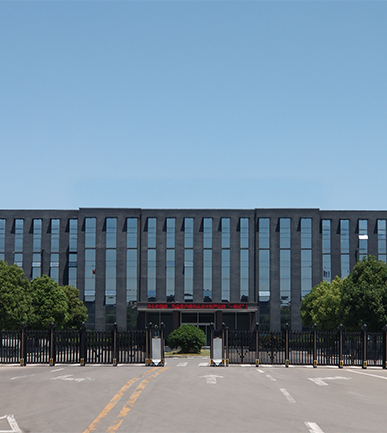
Over 23 years of production experience
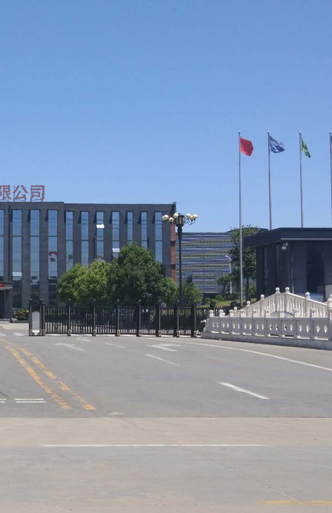


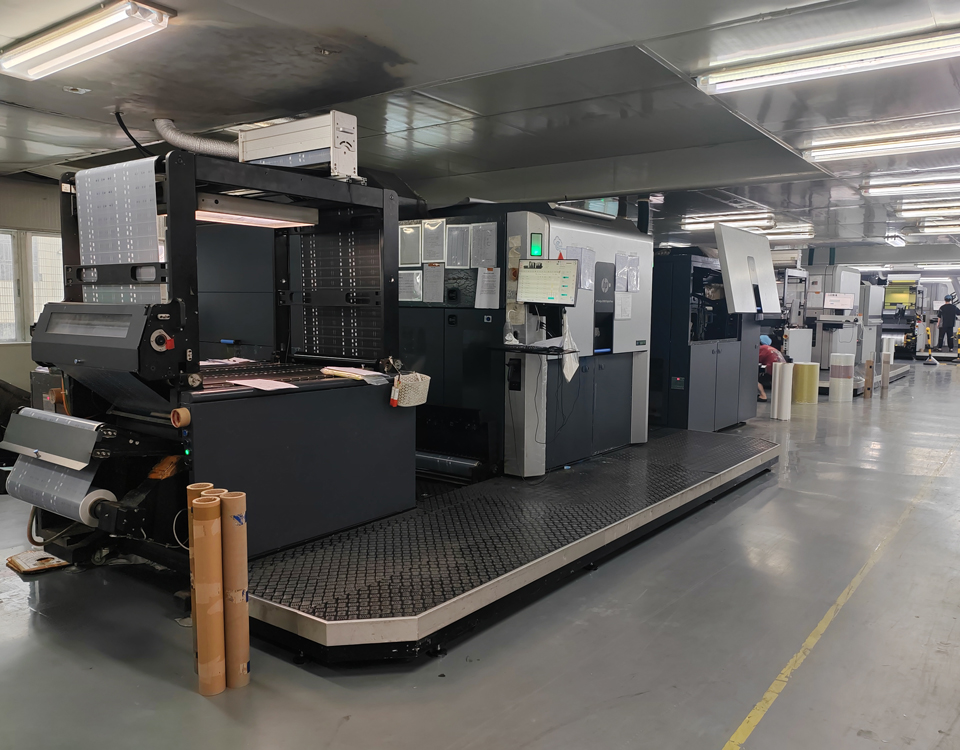

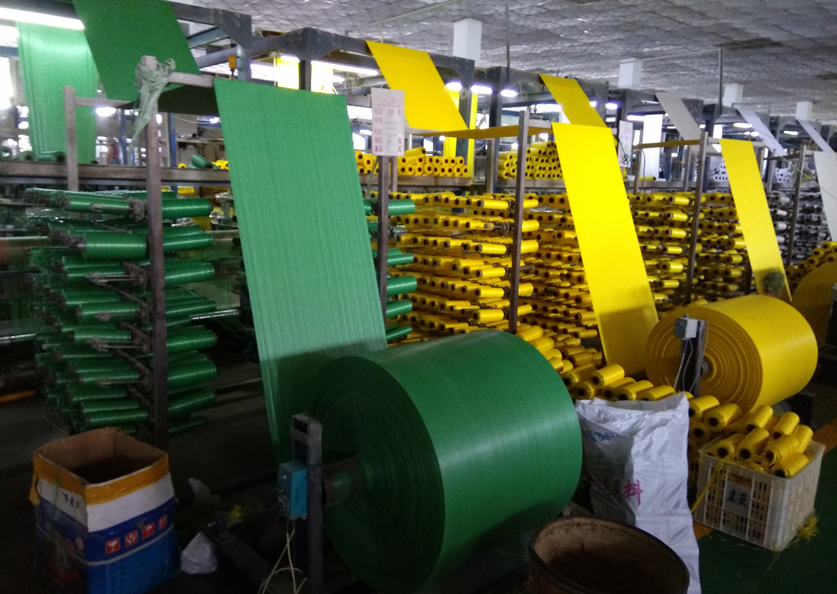
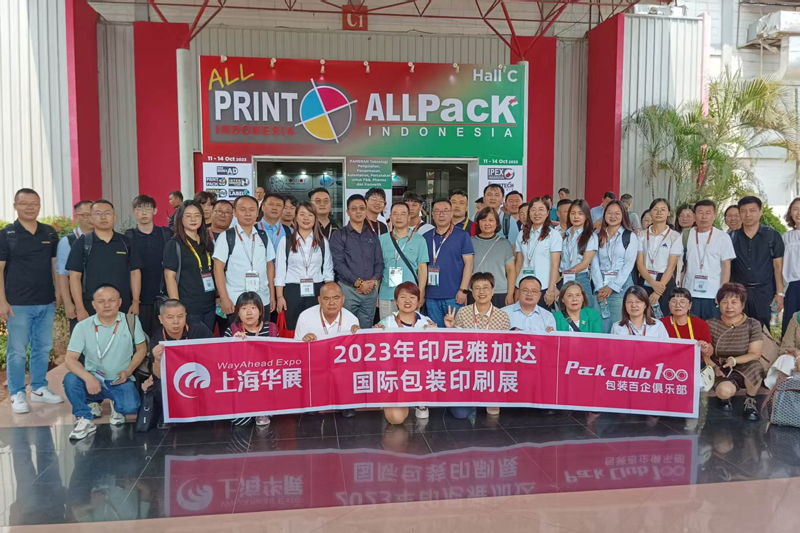
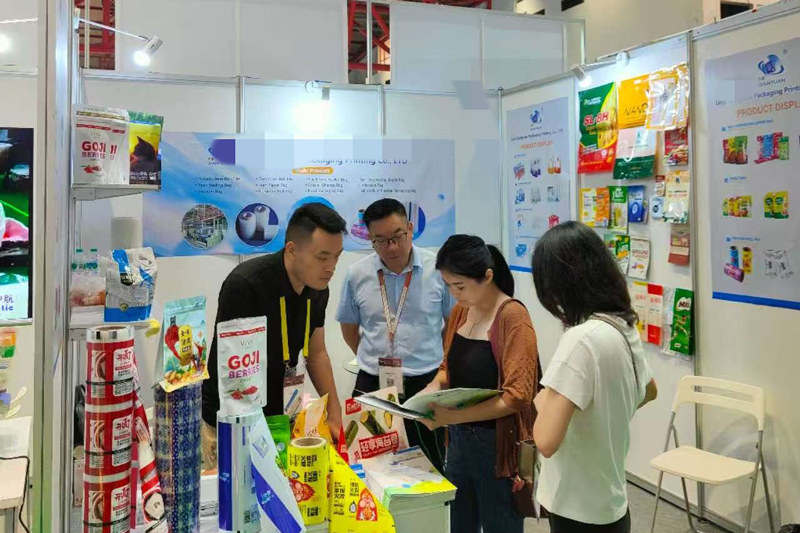
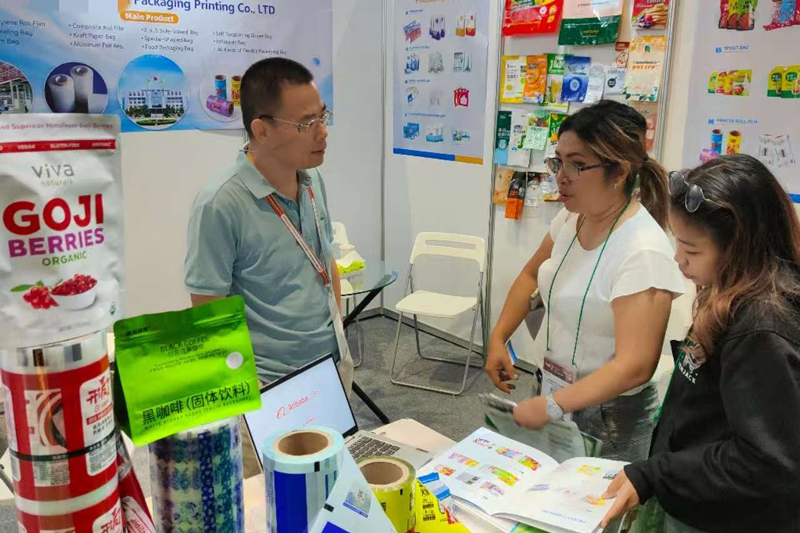
Since its establishment 23 years ago, relying on excellent product quality, comprehensive compliance guarantees, and efficient cross-border services, Jike Packaging Printing has established long-term cooperative relationships with customers in more than 50 countries and regions worldwide, serving clients including globally renowned food manufacturers, brand owners, and trading companies. In the future, we will continue to focus on changes in international market demand, using innovative technology and high-quality services as a link to become a trusted cross-border flexible packaging printing partner for global customers.