Welcome to our company

Leave Your Message
Explore our top-performing flexible packaging formats tailored specifically for snack portions and sachet applications.
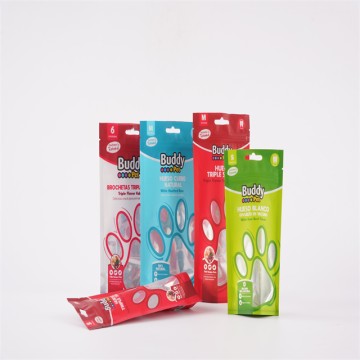
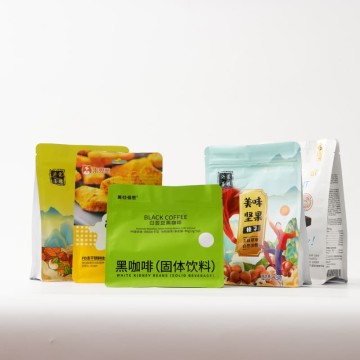
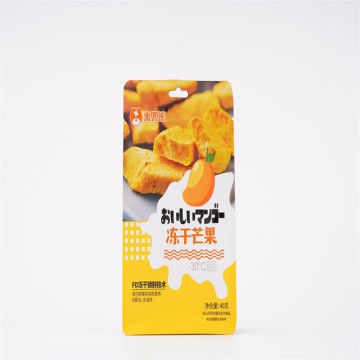
In today's fast-paced global marketplace, the packaging industry is witnessing a monumental paradigm shift. The traditional bulk-buy mentality is rapidly giving way to convenience, portion control, and on-the-go compatibility. At the heart of this transformation is the Food Pouch for Single-Serve Snack and Sachet Portions. Offering unmatched portability, precise dosage, and exceptional barrier protection, flexible single-serve packaging has become a cornerstone of modern consumer package goods (CPG) strategies. From high-barrier laminate films for protein powders to high-temperature retort pouches for wet pet food, the applications of single-serve pouches are vast, diverse, and expanding at an exponential rate.
As consumer habits align with active lifestyles, outdoor recreation, and portion-controlled nutrition, manufacturers must adopt advanced packaging technologies to remain competitive. Single-serve packaging not only addresses these consumer demands but also optimizes logistics, reduces food waste, and provides brands with a highly customizable canvas for visual storytelling and digital integration. This article explores the commercial landscape, material science, applications, and future trends of single-serve food pouches.
The global single-serve packaging market is projected to reach unprecedented heights, driven by the rise of single-person households, fitness-centric lifestyles, and an increasing demand for ready-to-consume food formats. Advanced barrier materials and eco-friendly films are leading this growth, ensuring product integrity is never compromised.
The commercial success of single-serve food pouches is rooted in changing demographics and shifting consumer behavior. The modern consumer values time and convenience above all else. Single-serve sachets eliminate the need for measuring, prevent over-consumption, and fit seamlessly into pockets, gym bags, and lunchboxes. Furthermore, the rise of the "snackification" of meals—where traditional sit-down breakfasts, lunches, or dinners are replaced by multiple smaller snacks throughout the day—has solidified the role of sachet packaging in the modern diet.
From an industrial perspective, single-serve formats offer significant advantages for brand owners. Smaller packaging footprint means reduced transportation costs and optimized warehouse space. High-speed form-fill-seal (FFS) machinery allows for rapid, automated production lines that can pack hundreds of sachets per minute, lowering per-unit manufacturing costs. Additionally, single-serve packets allow brands to enter new market segments, offering trial sizes or travel kits that encourage consumers to sample products without committing to full-sized purchases.
Snack foods such as roasted nuts, dried fruits, beef jerky, and candies are highly susceptible to moisture gain and oxidation, which lead to staleness and loss of flavor. Single-serve pouches utilize multi-layer laminated structures—often incorporating metalized polyester (PET) or aluminum foil—to create an impermeable barrier against oxygen and moisture. The integration of resealable zippers or tear-notches ensures easy access while maintaining freshness. For premium snacks like organic beef jerky, food-grade EVA or PE laminates provide a soft-touch texture that elevates the brand's premium positioning on retail shelves.
Single-serve liquid pouches are widely used for condiments (ketchup, mustard, mayonnaise), energy gels for athletes, honey, and salad dressings. Packaging liquids requires exceptional seal strength to prevent leakage during transport and handling. Advanced polyolefin sealant layers are engineered to seal through product contamination in the seal area, ensuring hermetic closures. Spouted stand-up pouches or easy-tear sachets allow controlled dispensing, minimizing mess and waste for the end-user.
The pet food industry has embraced single-serve retort packaging, shifting away from heavy, rigid metal cans. Wet pet food, such as cat food in jelly or gravy, requires sterilization at high temperatures (typically 121°C to 135°C) to achieve shelf stability without preservatives. Retort pouches are constructed from specialized cast polypropylene (CPP) and high-barrier aluminum foil or nylon layers that can withstand the intense heat and pressure of autoclaves. These lightweight pouches are easier to open, squeeze, and dispose of compared to traditional cans, offering pet owners a superior feeding experience.
Protein powders, collagen supplements, instant coffee, and powdered beverage mixes rely heavily on sachet packaging. These hygroscopic powders clump quickly when exposed to ambient humidity. Stick packs and three-side seal sachets with high-barrier aluminum foil laminates provide absolute protection against moisture ingress. The precise portioning of single-serve sachets ensures that consumers get the exact nutritional dose or flavor profile intended by the manufacturer, whether at the gym, office, or traveling.
Retort pouches (capable of withstanding 121°C - 135°C sterilization) reduce processing time by up to 50% compared to traditional metal cans. This rapid heat penetration preserves the nutritional value, texture, and flavor profile of wet food products.
The performance of a food pouch for single-serve applications depends entirely on its material composition. Packaging engineers design custom laminates by combining different polymer films to achieve the desired mechanical strength, barrier properties, and aesthetic appeal. The standard structure typically consists of three main layers:
For brands targeting eco-conscious consumers, the industry is transitioning toward monomaterial recyclability and compostable films. Monomaterial PE or PP structures offer similar barrier properties when enhanced with ultra-thin coatings of aluminum oxide (AlOx) or silicon oxide (SiOx), making them compatible with existing recycling streams without compromising food preservation.
As we look to the future, several key trends are redefining how single-serve sachets are designed, manufactured, and consumed:
With the integration of QR codes, NFC chips, and unique serial numbers, single-serve pouches are becoming interactive. Consumers can scan a sachet to verify product authenticity, trace the supply chain from farm to table, or access nutritional guides. For brands, this provides invaluable consumer data and direct marketing channels.
Incorporating oxygen scavengers or moisture-absorbing agents directly into the film structure helps maintain the sensory qualities of sensitive foods. This technology is particularly beneficial for preservative-free, organic, and clean-label snack brands that require extended shelf lives without chemical additives.
Easy-open features, laser scoring for straight tears, and ergonomic shapes are becoming standard. Ensuring that children, elderly individuals, and people with limited dexterity can open sachets without tools is crucial for universal market acceptance.
Shandong Jike International Trade Co., Ltd. is a state-owned professional food packaging and printing enterprise, established in 2003 and located in Shandong Province, eastern China. The company has obtained and passed ISO9001, ISO14001, and ISO45001 certifications, and all our products have passed QS food safety certification.
For over two decades, we have dedicated ourselves to the research, development, and manufacturing of high-performance flexible packaging. Our state-of-the-art facilities and strict adherence to international safety standards make us a trusted partner for global brands seeking reliable food-grade packaging solutions.
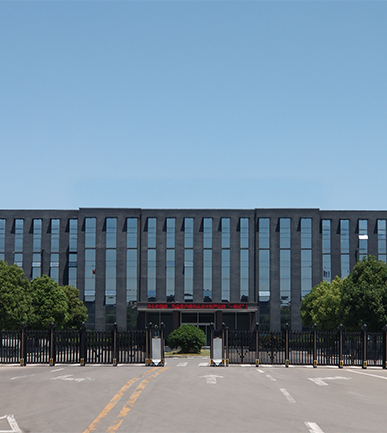
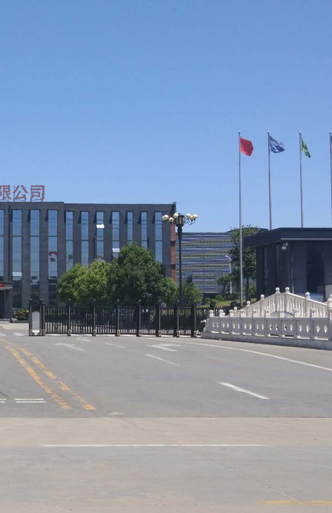

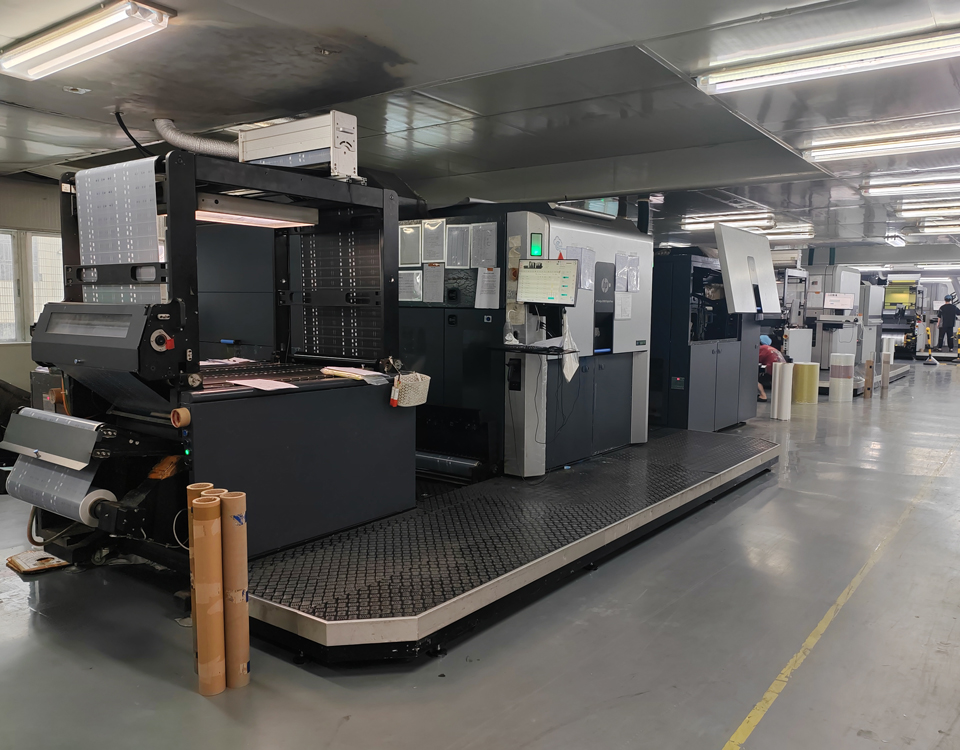
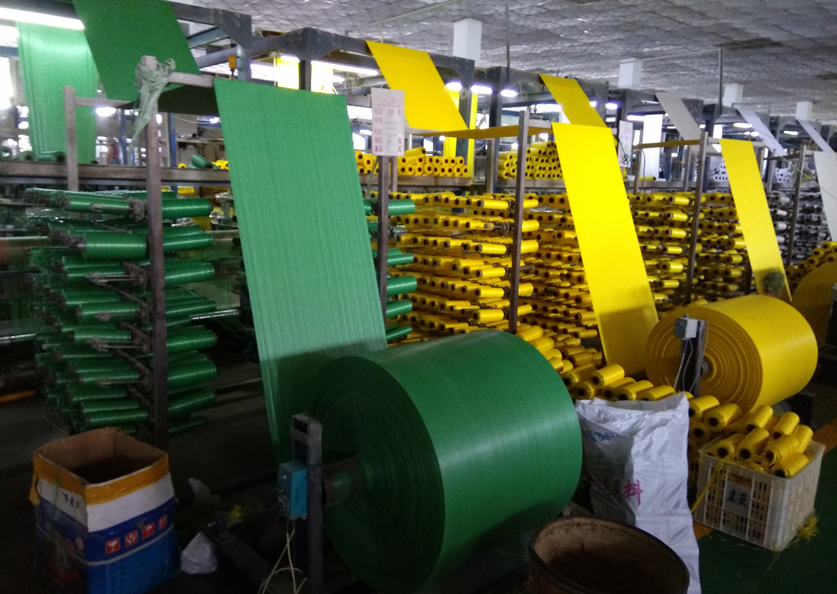
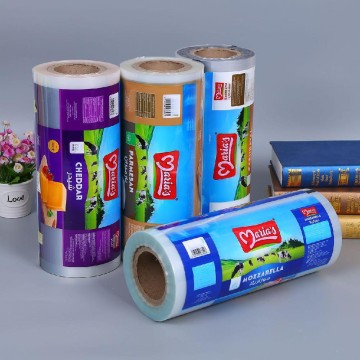
The company's core export products cover the needs of multiple industries, mainly including food-grade flexible packaging, pet food packaging, polyethylene film, and woven packaging bags, which can accurately match the market standards of different regions such as North America, the European Union, Southeast Asia, and the Middle East.
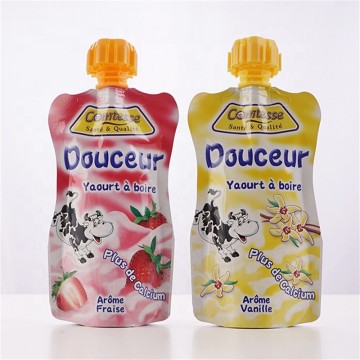
We also support multi-language design and printing, barcode/QR code customization, material combination selection, and thickness selection to fully meet the needs of cross-border trade. Whether you require retort pouches for wet food or barrier films for dry powders, our engineered films guarantee optimal performance.

In terms of supply chain and service, the company has strong cross-border delivery capabilities. We have standardized production workshops and automated production lines, with flexible minimum order quantities for regular products. We undertake both small-batch customization and large-volume order production.
We have established a strict quality control system, tracing the entire process from raw material procurement and production processing to finished product inspection, ensuring that every batch of products meets the quality standards of the importing country; and we are equipped with a professional cross-border logistics team to support various transportation methods such as full container shipping, LCL shipping, and air freight.
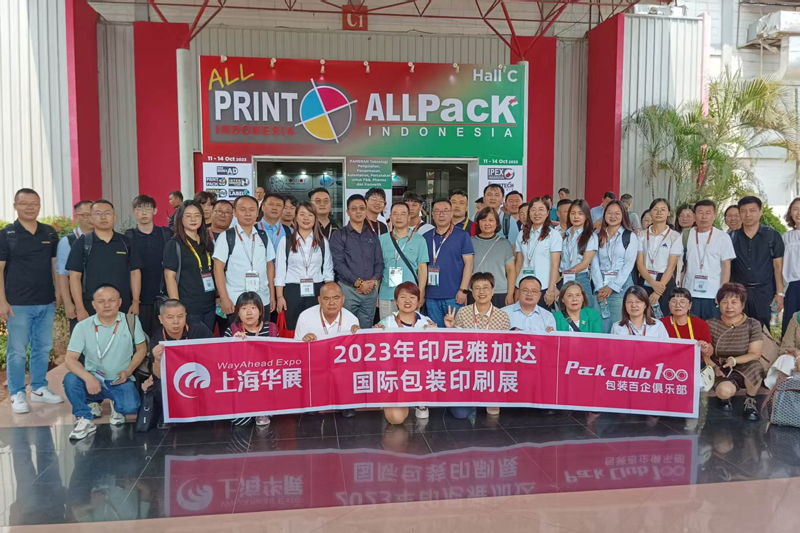
Connecting with clients worldwide and showcasing our innovative flexible packaging technologies at leading trade fairs.


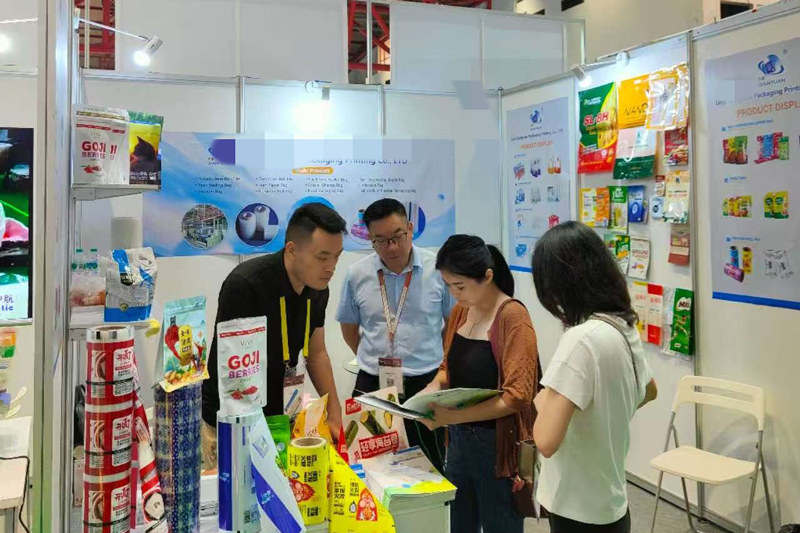
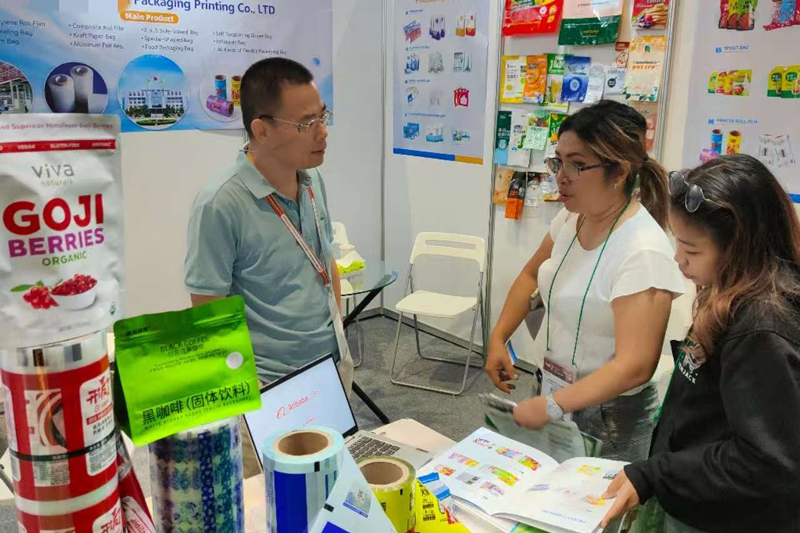
Discover our full catalog of high-barrier, custom-printed pouches engineered for maximum freshness and brand impact.
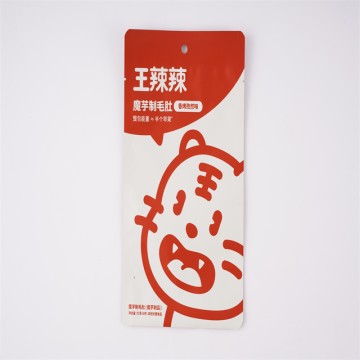
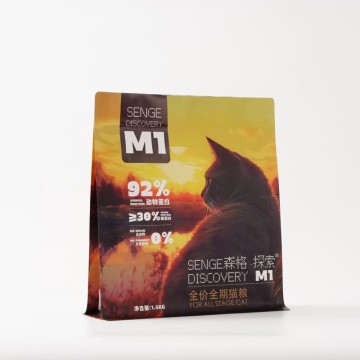
Since its establishment 23 years ago, relying on excellent product quality, comprehensive compliance guarantees, and efficient cross-border services, Jike Packaging Printing has established long-term cooperative relationships with customers in more than 50 countries and regions worldwide, serving clients including globally renowned food manufacturers, brand owners, and trading companies. In the future, we will continue to focus on changes in international market demand, using innovative technology and high-quality services as a link to become a trusted cross-border flexible packaging printing partner for global customers.