Welcome to our company

Leave Your Message
Engineered for freshness, compliance, and shelf appeal in the German and European markets.
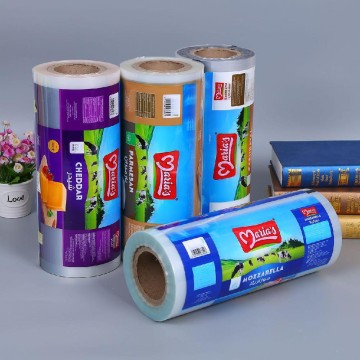
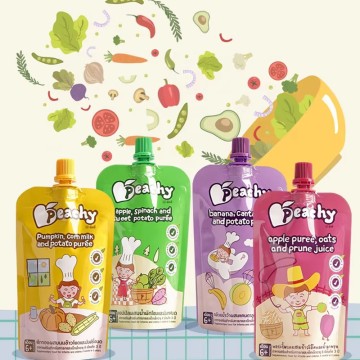
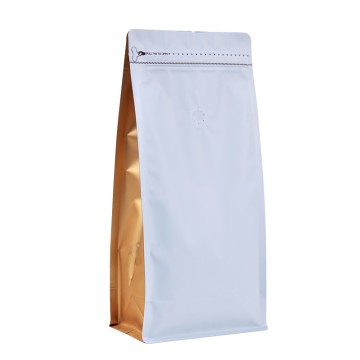
Germany represents the largest food and beverage market in Europe. With a population of over 83 million and a highly sophisticated consumer base, the demand for safe, hygienic, and sustainable food packaging is at an all-time high. The German packaging market is heavily regulated by local and EU laws. The German Packaging Act (Verpackungsgesetz - VerpackG), which came into force in 2019 and was updated in 2021 and 2022, places strict responsibilities on manufacturers and distributors to participate in a dual system for packaging waste recycling. Consequently, German food processors, from local organic bakeries in Bavaria to massive confectionery manufacturers in North Rhine-Westphalia, are actively seeking food-grade packaging bags that are not only high-barrier but also fully recyclable.
This regulatory landscape has triggered a major shift toward flexible packaging solutions. Rigid plastic containers and heavy glass jars are increasingly being replaced by lightweight, flexible pouches. These pouches require significantly less energy to produce and transport, drastically reducing the overall carbon footprint. As a specialized supplier, we design our food-grade packaging bags to align perfectly with Germany’s circular economy goals. We focus on developing mono-material structures (such as all-PE or all-PP laminates) that can be easily sorted and recycled in Germany's yellow bin ("Gelber Sack") system, helping our German partners avoid heavy eco-taxes while maintaining optimal food preservation.
In the German food sector, shelf-life extension and food safety are non-negotiable. German consumers expect fresh products without excessive artificial preservatives. To meet this demand, food-grade packaging must offer outstanding barrier properties against oxygen, moisture, UV light, and external contaminants.
Traditionally, multi-layer laminates containing aluminum foil (PET/AL/PE) were the industry standard for high-barrier applications, such as coffee packaging and dry snacks. However, aluminum laminates are notoriously difficult to recycle. To address this challenge, our factory has introduced state-of-the-art co-extrusion and lamination technologies. We utilize advanced barrier materials like EVOH (Ethylene Vinyl Alcohol copolymer) and SiOx/AlOx coated films. These materials provide glass-like barrier performance against gas and moisture transmission while keeping the packaging lightweight, transparent, and recyclable.
Every batch of raw materials—from the food-grade polyethylene resins to the solvent-free laminating adhesives and water-based inks—undergoes rigorous migration testing. This ensures that no harmful chemicals migrate from the packaging bag into the food, protecting the health of consumers in Frankfurt, Munich, Berlin, and beyond.
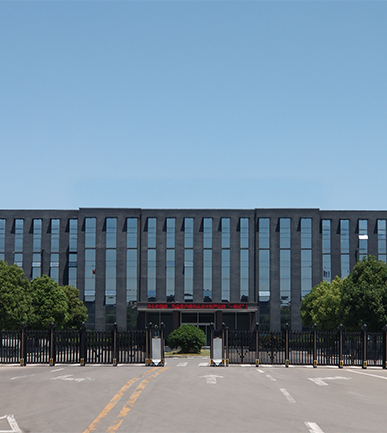
Years of Production Experience
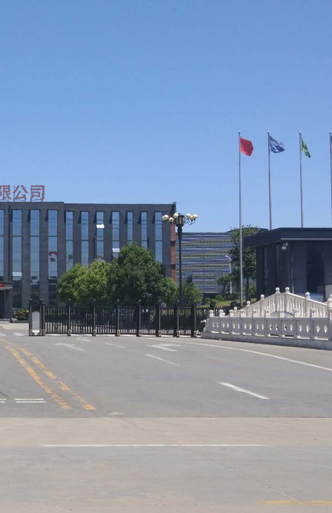
We work closely with German food brands to ensure that all packaging materials comply with the German Food and Feed Code (LFGB) and EU Regulation (EC) No 1935/2004.
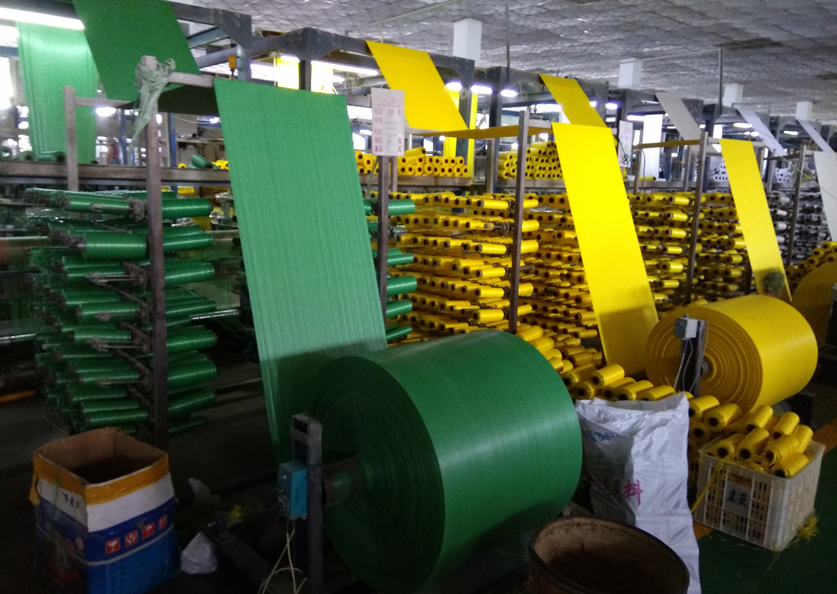
Our core export products cover the needs of multiple industries, mainly including food-grade flexible packaging, pet food packaging, polyethylene film, and woven packaging bags, which can accurately match the market standards of different regions such as North America, the European Union, Southeast Asia, and the Middle East.
To support our German clients, we offer an array of customization options designed to facilitate cross-border trade:
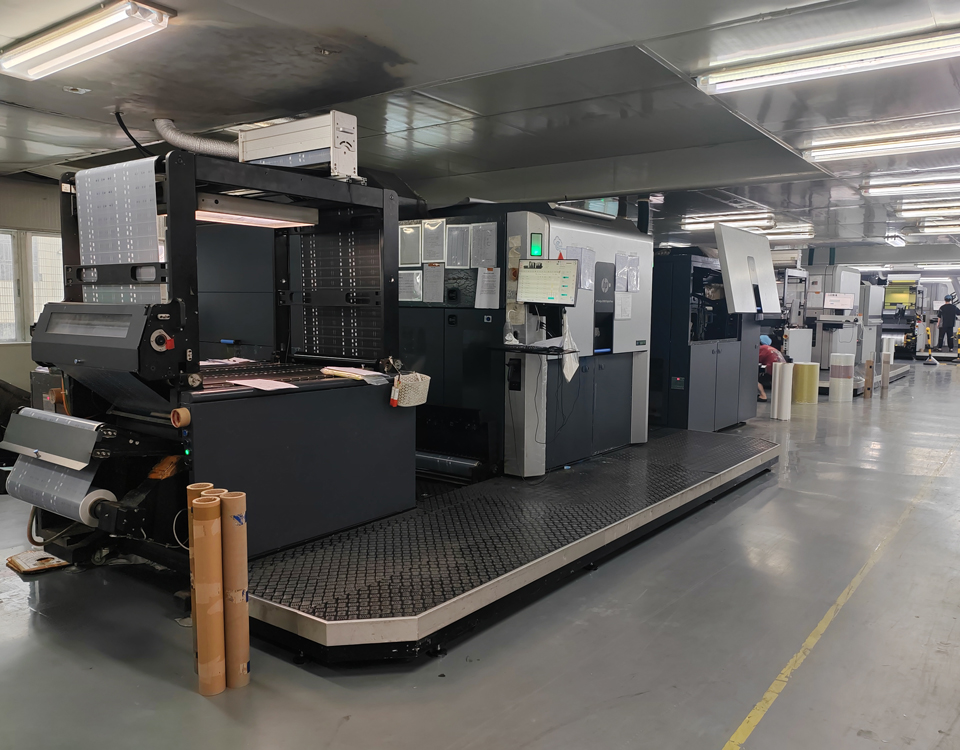

In terms of supply chain and service, the company has strong cross-border delivery capabilities. We have standardized production workshops and automated production lines, with flexible minimum order quantities for regular products. We undertake both small-batch customization and large-volume order production.
Our comprehensive logistics and quality assurance systems include:
Our food-grade packaging bags are designed to meet the unique functional and aesthetic demands of various German food sectors:
Germany has the largest organic food market in Europe. Brands like Denns BioMarkt and Alnatura demand packaging that reflects their environmental commitment. Our plastic-free look, matte-finish compostable pouches, and recyclable mono-PE bags are perfect for packaging organic oats, muesli, nuts, and dried fruits.
From the trendy roasters in Berlin-Kreuzberg to established coffee brands in Hamburg, maintaining bean freshness is paramount. Our flat-bottom coffee bags feature high-performance one-way degassing valves and resealable pocket zippers to release built-up gas while blocking oxygen, keeping the aroma locked in.
The fast-paced German lifestyle has increased the demand for ready-to-eat snacks and convenience food. Our custom-printed roll films and 3-side seal pouches are optimized for high-speed automated packaging lines, offering excellent seal strength and barrier protection for pretzels, chips, and confectionery.
Spout pouches are highly popular in Germany for baby food ("Quetschies"), fruit purées, and organic sauces. Our leak-proof spout bags are puncture-resistant and offer a lightweight alternative to glass bottles, significantly reducing transport costs and carbon emissions.
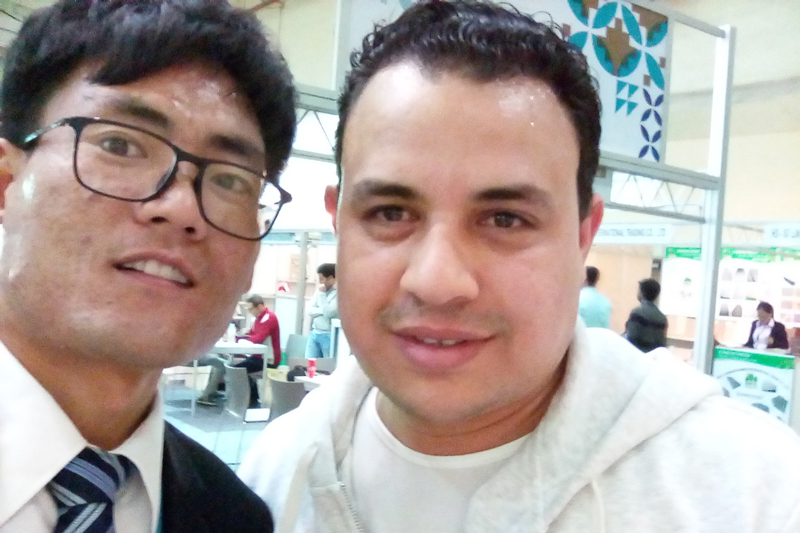
Showcasing our innovations at world-class packaging and food processing exhibitions.

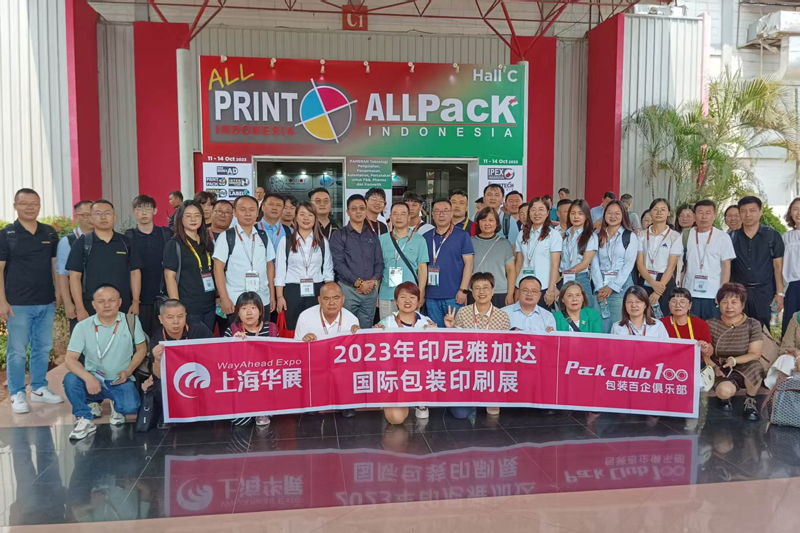
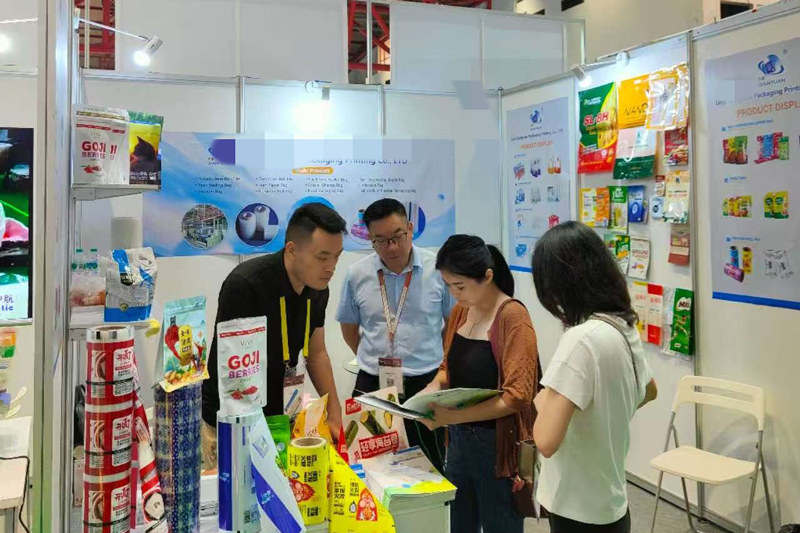
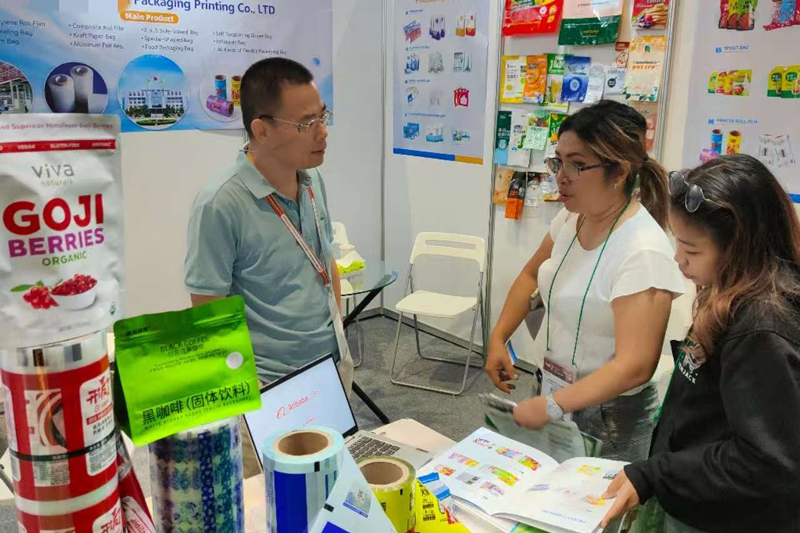
Explore our full range of customizable food-grade packaging bags designed for European food compliance standards.
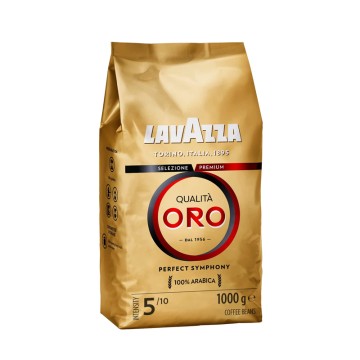
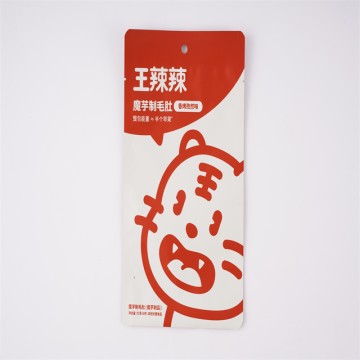
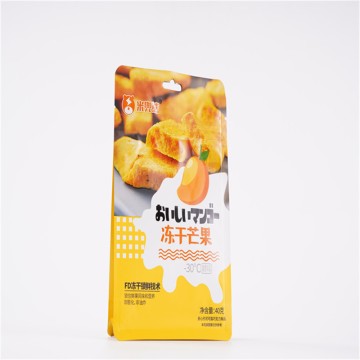
Since its establishment 23 years ago, relying on excellent product quality, comprehensive compliance guarantees, and efficient cross-border services, Jike Packaging Printing has established long-term cooperative relationships with customers in more than 50 countries and regions worldwide, serving clients including globally renowned food manufacturers, brand owners, and trading companies. In the future, we will continue to focus on changes in international market demand, using innovative technology and high-quality services as a link to become a trusted cross-border flexible packaging printing partner for global customers.
Contact Us Today