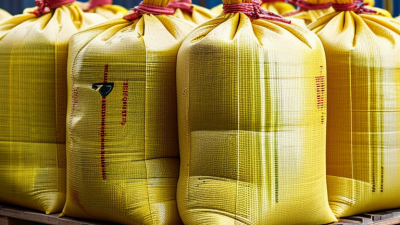
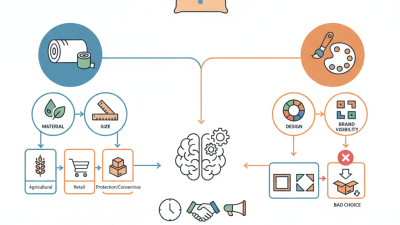
By 2026, the best PP woven sacks aren’t just about being the strongest or the most colorful. Honestly, the real deal is how well they match your product, filling process, storage needs, and transportation conditions. Picking the right sack can make a big difference—whether you're packing grain, animal feed, fertilizer, or construction stuff. And let’s be honest, there's no one-size-fits-all design for every load.
In this guide, I’ll walk you through some common options—like unlaminated, laminated, and BOPP-laminated sacks. We’ll look into their fabric strength, coatings, stitching, printing, and how they close up. For instance, a sack meant for rough feed might need a different build than one holding fine powder. Always double-check the dimensions and max load capacity, and if you can, ask for a sample before buying in bulk. Feel the fabric, check those seams, and even test it on your filling equipment if you can.
Little details really matter here. A laminated woven sack can add an extra barrier, but don’t assume it’s completely waterproof—you’ll want to check the specs, sample it, and consider your actual packing conditions. We also need to think about trade-offs: looks, durability, cost. There’s no universal winner, and kinda honestly, sometimes how you plan to use the sack will determine what’s best. The goal is to pick a sack that keeps your stuff safe and works reliably in your setup.
So, the bottom line? Choose wisely based on your specific needs, and remember, the perfect sack is the one that’s practical, durable, and gets the job done without breaking the bank.
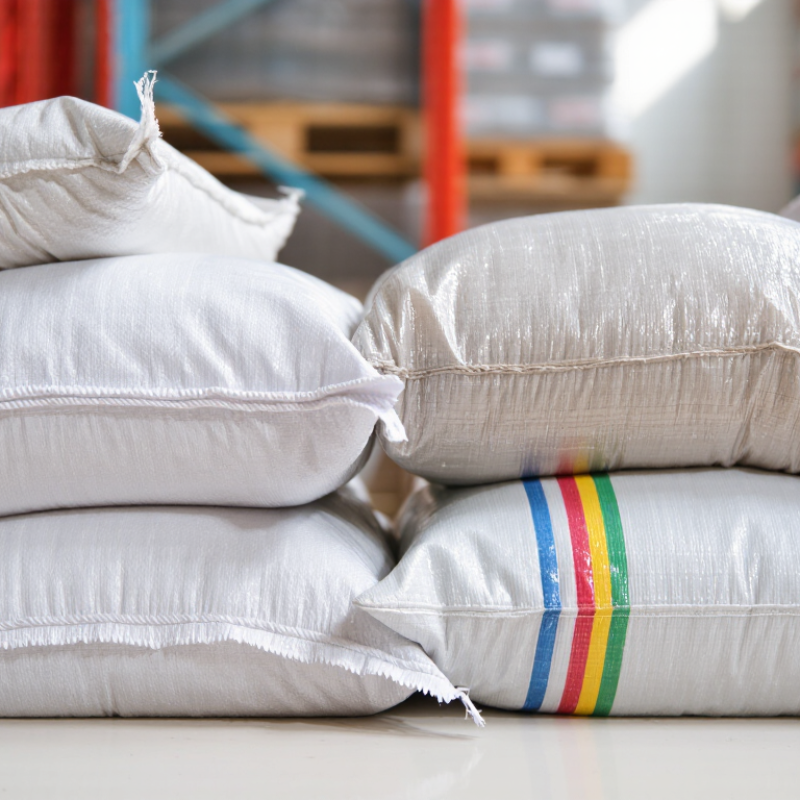
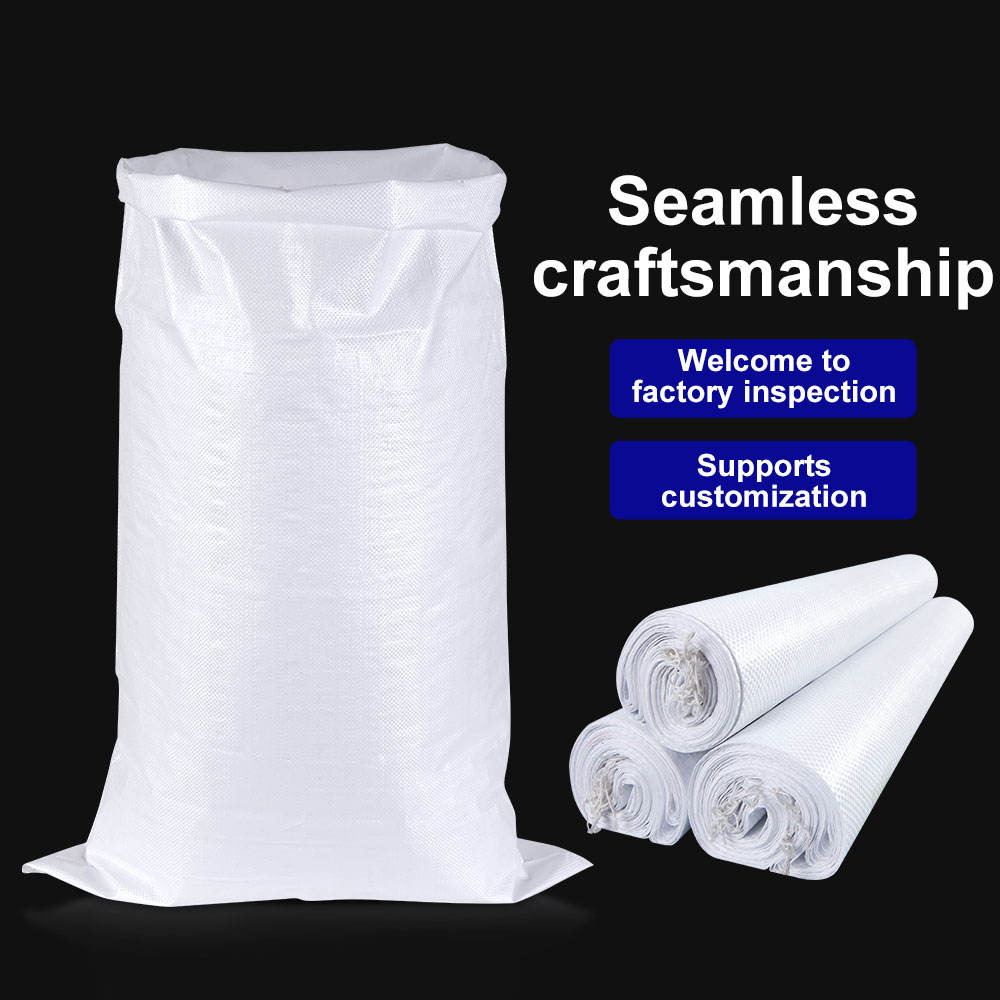
A Pp Woven Sack begins as polypropylene resin, melted and pushed through a narrow die into thin film. The film is slit into flat tapes, then stretched to improve tensile strength. These tapes are wound onto bobbins and woven on circular or flat looms. The result is a flexible fabric with a visible grid of interlaced strands. It is not simply plastic film sewn into a bag.
After weaving, the fabric may be coated or laminated to reduce moisture and dust entry. Some sacks also receive an inner liner, printed panels, or a sewn bottom. Each choice changes the bag’s feel and use. A coating can improve protection, but it may also affect flexibility and recycling options. Small details matter.
Woven construction gives these sacks useful strength for products such as grain, feed, and mineral materials. Their weight is low, and their dimensions can be adjusted for different filling and handling systems. Still, “woven” does not mean indestructible. Rough edges, overfilling, or poor seams can cause failure. Buyers should check fabric weight, seam quality, and intended load rather than relying on appearance alone. A sack can look sturdy and still disappoint.
For 2026, choose a PP woven sack by its real filling conditions, not by appearance alone. Check the product’s weight, bulk density, filling speed, and stacking height. A 25-kilogram flour sack and a heavy mineral sack need different fabric strength and seam design. Ask for test results covering tensile strength, seam performance, and drop resistance. Numbers matter.
Moisture protection depends on the weave, coating, liner, and closure working together. For goods exposed to sunlight during storage or transport, ask whether UV stabilization is specified and tested. Confirm that sack dimensions fit your filling line; a few centimeters of mismatch can slow packing. If comparing a PP woven sack with a Non Woven Sack, check construction and load ratings rather than assuming they perform alike.
Environmental performance deserves equal scrutiny. The OECD’s Global Plastics Outlook (2022) reports that only 9% of global plastic waste was recycled in 2019. That figure covers plastics broadly, not PP sacks specifically, but it makes recyclability and reuse worth discussing with suppliers. Ask whether inks, coatings, and liners affect local recycling options. A small trial run helps reveal issues that a specification sheet may miss. It is not a perfect guarantee. Keep records of test methods, sample results, and the conditions used.
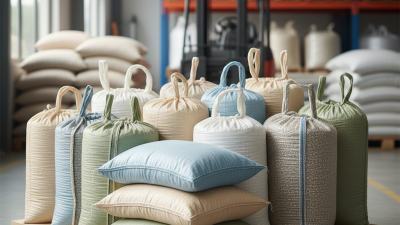
The right PP woven sack depends on the product and filling process, not just price. Open-mouth sacks suit rice, grain, and animal feed when quick filling and stitching are practical. Valve sacks work well with automated filling for powders such as flour or cement. Gusseted sides help bulky loads sit neatly on pallets. Breathable fabric suits dry produce, while a liner or laminate can reduce moisture and dust exposure. No single construction fits every load.
The FAO’s 2019 report, The State of Food and Agriculture, estimated that 14% of food was lost globally between harvest and retail. A suitable sack can support careful handling, but it cannot replace dry storage.
The OECD’s Global Plastics Outlook (2022) reported 353 million tonnes of plastic waste in 2019, with packaging representing 40% of that total. This is a useful reminder to match sack strength and size to actual use, rather than over-specifying material.
Tips: Check seam strength, sack dimensions, and filling speed with a sample load. Fit matters. Inspect filled sacks after stacking; small seam damage can become a costly leak. One detail is easy to miss: a sack that fills well may still stack poorly.
What Are the Top PP Woven Sacks for Packing in 2026?
Matching Sack Features to Products and Handling Conditions
The right PP woven sack depends on the product and its journey. Dry grains may need breathable fabric, while powders often benefit from a liner or coated surface to limit leaks and moisture exposure. A coating is not a guarantee of waterproofing. Check the sack under the conditions it will actually face. For a Sand Woven Sack, compare fabric strength, weave, seams, and closure style before choosing by appearance alone. Sack performance also depends on fill weight, stacking height, and repeated handling. I still find seam strength easy to overlook.
Tips: Test a filled sample. Check for loose stitching, dust escaping at the seams, and damage after a short drop test. If sacks sit outdoors, assess sun exposure and rain protection; ordinary woven fabric may not shield contents from prolonged weather.
Match sack dimensions to filling equipment and pallet layout. Oversized sacks can slump, while tight ones may strain seams during filling. For sharp-edged or abrasive products, consider heavier fabric and reinforced construction. For clean, dry goods, inspect the inside for debris before packing. Ask suppliers for documented specifications, then compare them with your own handling tests. Small trials can reveal problems that a product sheet misses. Keep records of sack failures, too; one weak corner may point to a recurring issue, not just bad luck.
A strong PP woven sack starts with consistent fabric, secure seams, and dimensions that match the product being packed. Check the weave for gaps, loose threads, or thin patches, especially near the bottom corners. Check the seams. Ask for the rated load and confirm it reflects real handling, not just a tidy factory test. If sacks may sit outdoors, verify their resistance to sunlight; UV exposure can weaken fabric over time. A sample can look excellent and still fail when filled, stacked, and moved repeatedly.
Safety depends on the intended use. For food or other sensitive goods, request material and cleanliness documentation suited to that application. Do not assume that a clean appearance proves suitability. Not always. A Hdpe Woven Sack may be worth comparing when a different resin or construction is specified, but performance depends on the actual design and testing. Sustainability needs the same scrutiny: ask about recycled content, expected reuse, and local end-of-life options. Reuse can reduce waste, provided sacks remain clean and structurally sound. Claims are easy to print; evidence takes more effort. I would compare test records with a filled sack handled under ordinary warehouse conditions, because that practical check is sometimes overlooked.
Compare suppliers using one written specification, not competing samples with different weights or coatings. State the product, target fill weight, sack dimensions, fabric mass, weave, coating, closure, and printing needs. Then ask for test results covering seam strength, drop performance, and dimensional tolerances. Ask how results were measured. A certificate without a test method tells you little.
For outdoor storage, specify expected sunlight exposure and request evidence for the proposed UV protection. For moisture-sensitive goods, compare coated fabric and liner options using the same packing conditions. Request production samples, inspect seams and corners, then run a trial on your filling line. Small details matter. A slightly loose mouth can slow filling; a weak seam can spill product. Plastics Europe’s Plastics—The Fast Facts 2024 reports 413.8 million tonnes of plastics were produced globally in 2023. That figure is not specific to sacks, but it makes traceable material claims worth checking. Ask suppliers to document resin composition and recycled-content claims, where relevant. I still find weight comparisons easy to misread: confirm whether quoted fabric mass includes coating. Compare delivered cost, defect handling, lead time, and batch consistency too. A cheaper quote may not stay cheaper.
| Sack format | Typical use and filling | Construction and protection | Advantages and limitations | What to specify and verify |
|---|---|---|---|---|
| Uncoated open-mouth woven sack | Common for bagged grains, seed, animal feed, and other dry bulk products; filled through the open top and usually sewn closed. | Woven polypropylene fabric; may include a hemmed mouth and sewn bottom. The weave allows air exchange and does not provide a moisture barrier. | A straightforward, widely used format. Not the right choice when fine powders need strong sift resistance or the contents need moisture protection. | State filled weight, finished dimensions, fabric weight, weave construction, seam type, closure method, and acceptable leakage or sift limits. Test with the actual product and filling equipment. |
| Coated or laminated woven sack | Suitable for dry goods needing reduced exposure to humidity, dust, or product sifting; typically filled through an open mouth or a specified valve. | A polymer coating or film layer is applied to woven fabric. The added layer can improve surface protection, but does not automatically make the sack waterproof or hermetic. | Offers more protection than uncoated fabric and can improve print quality. Barrier performance depends on material, seams, and closure. | Identify coating or film type, coverage, print requirements, and the protection needed. Request test data relevant to the product and storage conditions. |
| Woven sack with an inner liner | Used when extra containment or moisture protection is needed for dry products; can be filled on suitable open-mouth lines. | Combines an outer woven PP sack with a separate inner film liner. Protection depends on liner material, thickness, fit, and how the liner is closed. | Adds a separate containment layer. The liner can complicate filling and closing, and the finished pack is not necessarily airtight unless designed and sealed for that purpose. | Specify liner material and thickness, fit, closure or sealing method, and whether the liner must remain attached. Confirm compatibility with filling and packing equipment. |
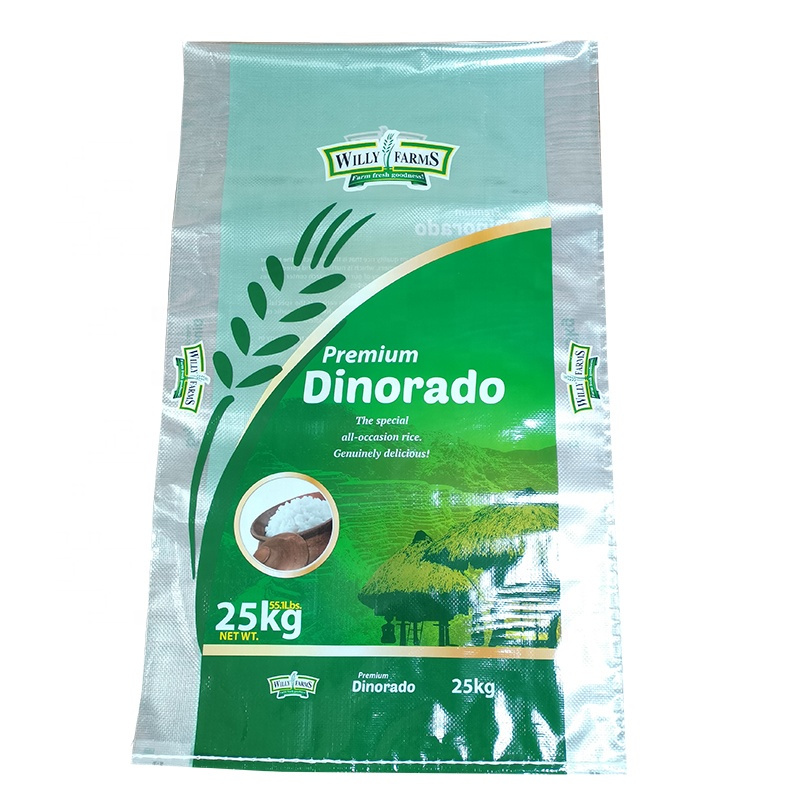
| Printed film-laminated woven sack | Useful for retail-facing or information-heavy packaging of dry goods where clear graphics and product identification matter. | Printed film is laminated to woven PP fabric. The film provides the printable surface; the woven fabric supplies the sack structure. | Supports detailed graphics and branding-free product information. Print scuff resistance and moisture protection vary by film, lamination, seams, and handling. | Confirm artwork, color proofing, print position, film and lamination details, seam allowances, and readability of required product information. |
| Valve woven sack | Often selected for fast, automated filling of powdered or granular products using compatible valve-bag equipment. | Has a filling valve incorporated into the sack. Valve design and sack construction affect filling, dust control, and closure performance. | Can suit automated packing lines and reduce the need for a sewn top. Must match the filling spout and product flow; valve closure is not necessarily airtight. | Provide valve position and dimensions, filling-spout details, product flow characteristics, target filling rate, and dust-control requirements. Run a line trial. |
| Block-bottom woven sack | Used where a more squared pack and improved shelf or pallet presentation are desired; may be made with an open mouth or valve filling design. | A shaped bottom forms a flatter base than a conventional sewn-bottom sack. Overall performance depends on the complete bag design and closure. | Can stand and stack neatly when correctly filled. May require compatible equipment and careful specification of the bottom and dimensions. | Specify finished width, length, bottom construction, filling style, target pack shape, and pallet pattern. Check stability using filled production samples. |
| Supplier comparison checklist | Compare suppliers using the same product, filled weight, packing conditions, and acceptance criteria. | Request a complete specification covering dimensions, fabric and coating or liner details, seams, closure, printing, and any required compliance documentation. | A low unit price alone does not establish equivalent performance. Production consistency, delivery terms, and quality controls also affect the total purchasing decision. | Compare samples and test reports; confirm tolerances, inspection method, order quantity, lead time, defect handling, and applicable food-contact documentation where relevant. |
Match the sack to product weight, bulk density, filling speed, and stacking height. A flour sack and a mineral sack may need different fabric and seams.
Ask for tensile strength, seam performance, and drop-resistance results. Check the test conditions, too. Numbers matter.
Review the weave, coating, liner, and closure as a system. For outdoor storage, ask whether UV resistance was specified and tested.
A mismatch of a few centimeters can slow a filling line. Test samples on the actual equipment, not only on paper.
Look for weave gaps, loose threads, and thin patches near the bottom corners. Fill and handle a sample. A neat sample can still fail.
Request material and cleanliness records suited to the intended use. A clean appearance alone proves little. Not always.
Ask about recycled content, expected reuse, and local end-of-life options. Reuse only sacks that remain clean and structurally sound.
It can reveal problems that specifications miss, especially during filling, stacking, and ordinary warehouse handling. It is not a guarantee. I might still overlook something.
No. The reported 9% figure covers plastic waste broadly, not PP sacks specifically. It is a reason to ask better questions, not a sack-specific result.
Choosing the right Pp Woven Sack For Packing in 2026 starts with understanding how woven polypropylene fabric is produced and how its strength, weight, and construction affect performance. Buyers should compare sack types and features such as dimensions, capacity, closure style, lamination, and moisture protection, then match them to the product’s weight, texture, storage needs, and handling conditions. A sack suited to granular goods may not be the best fit for fine powders or bulky materials.
Before ordering, check consistent workmanship, fabric strength, seam quality, and any food-contact or other safety requirements relevant to the intended use. Consider reusability and recyclable material options as part of a practical sustainability review. When comparing suppliers, request clear specifications, samples, and test information, and confirm that the quoted sack meets packing, transport, and storage requirements. A well-defined specification helps buyers make a reliable, cost-conscious choice.