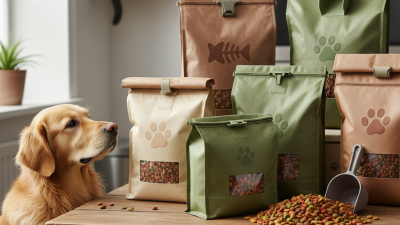
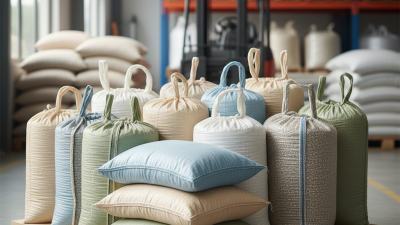
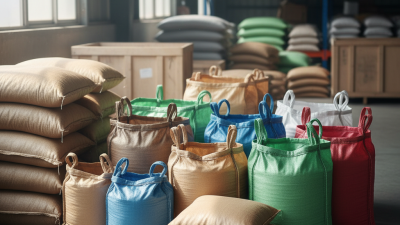
When it comes to keeping our pet’s food fresh, having a good quality Pet Food Container Bag really makes all the difference. Picking the right container isn’t just about convenience—it actually plays a big role in your pet’s health too. Honestly, a lot of pet owners overlook how important this part of pet care is. Stale food? That can upset your pet’s tummy and cause digestive troubles, which nobody wants.
There are all kinds of options out there—airtight bags, insulated containers, you name it. Each one serves its own purpose. Some are great for travel, while others are better for keeping things fresh at home. Brands like IRIS and OXO are doing some pretty innovative designs that help lock in that freshness. But, don’t forget to think about the size you actually need—getting one that’s too small can lead to messes and wasted food.
Honestly, choosing the right pet food container can feel kinda overwhelming at first. Things like material, size, and how easy it is to use all matter. Sometimes, cheaper options don’t do a great job sealing in the food—then you’re risking its quality. Thinking through these details will help you make sure your furry buddy always gets fresh, healthy meals. After all, their well-being is totally worth investing in a good container.
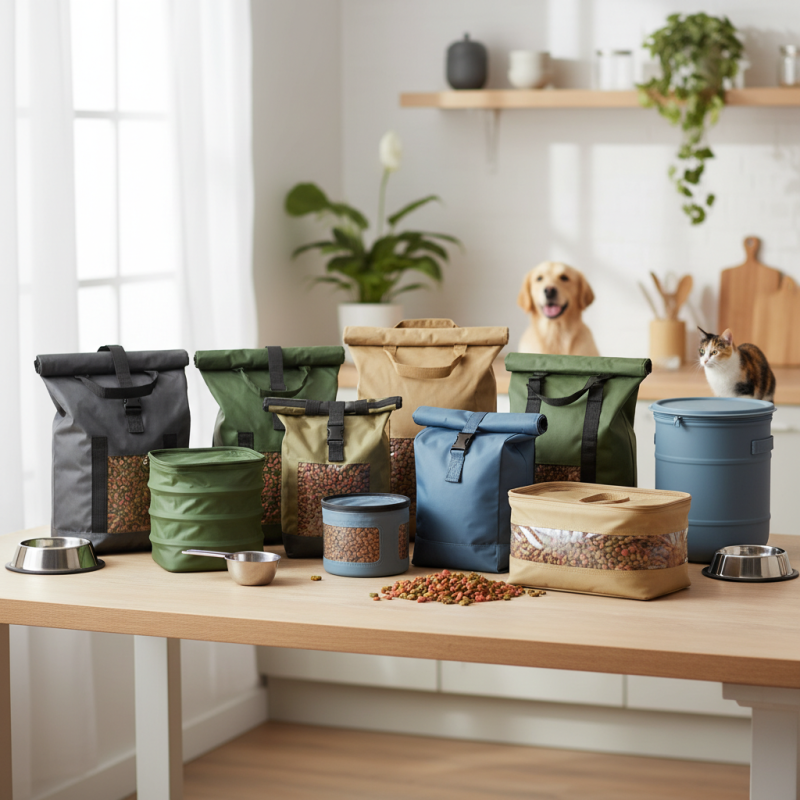
Overview of Pet Food Storage Needs and Benefits
When it comes to pet food storage, freshness is key. Proper storage not only preserves the taste of your pet's food, but it also maintains its nutritional value. Many pet owners overlook the importance of airtight containers. These containers safeguard against moisture, pests, and odors.
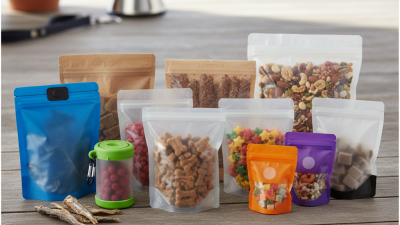
It's essential to choose the right type of storage for your needs. For dry kibble, a durable pet food container is advisable. Look for options that are BPA-free and resealable to enhance longevity. If you're considering shorter-term storage, a Pet Disposable Food Container can be a practical choice. These containers work great for travel or smaller portions.
Tips: Always label your pet food containers with purchase dates. This helps track freshness. Consider a transparent container to quickly assess food levels. Remember, not all containers are equal. Some may trap moisture, compromising your pet’s food quality. Always reflect on what works best for you and your pet's dietary needs.
Criteria for Choosing the Best Pet Food Container Bags
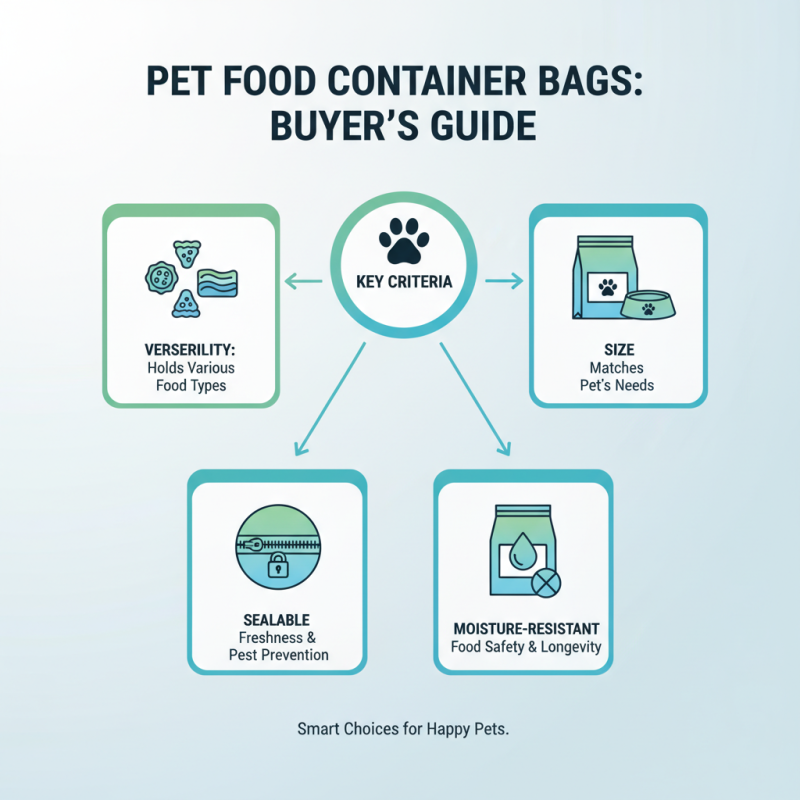
When selecting a pet food container bag, versatility is key. Look for bags designed to hold various types of pet food. The size should match your pets’ needs as well. Consider options that come with a sealable feature. This helps retain freshness and prevents pests. Materials that resist moisture are also crucial. They keep food from spoiling and ensure safety.
Another important factor is ease of use. A good Dog Food Bag Container should allow for easy access. A simple design can make feeding time hassle-free. Straps, handles, or wheels can enhance portability. A transparent window can also allow you to check food levels at a glance. It’s important for you not to struggle when refilling or transporting your pet’s food.
Think about the weight as well. Some containers can be quite heavy once filled. Ensure you can easily lift and move it without injury. Reflect on your storage space too. A bag that fits well within your home is essential. It's also good to choose a container that complements your home decor while serving its purpose efficiently. It all boils down to what suits your lifestyle best.
Top Features to Look for in Pet Food Storage Bags
When selecting pet food storage bags, certain features can significantly enhance freshness and convenience. High-quality bags usually include airtight seals. This helps keep food fresh for longer. According to a report from the American Pet Products Association, over 70% of pet owners prioritize food freshness.
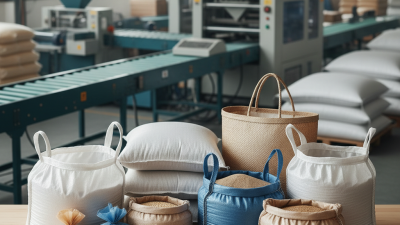
Size matters when choosing a bag. A bag that holds a 50 Lb Food Container is ideal for larger pets. It prevents frequent trips to refill. Additionally, materials matter too. Many experts recommend BPA-free plastics or biodegradable materials. These choices reduce harmful chemicals that can leach into the food.
Tips: Always check the seal before purchase. A weak seal can compromise freshness. Also, consider bags with clear plastic windows. This helps you monitor food levels easily. Lastly, remember that weight affects structural integrity. Heavier bags may tear under stress, leading to food spills and waste.
Top 10 Pet Food Container Bags for Easy Storage and Freshness
| Container Type |
Material |
Capacity |
Sealing Mechanism |
Features |
| Plastic Container |
Polypropylene |
25 lbs |
Latch Closure |
BPA-free, Stackable |
| Metal Container |
Stainless Steel |
30 lbs |
Screw Top |
Rust-resistant, Airtight |
| Fabric Bag |
Nylon |
20 lbs |
Drawstring Closure |
Lightweight, Portable |
| Glass Container |
Glass with Plastic Lid |
10 lbs |
Lid Clamp |
Eco-friendly, Non-toxic |
| Stackable Bin |
Plastic |
50 lbs |
Snap Lid |
Space-saving, Clear Window |
| Vacuum Sealed Bag |
Plastic |
Varies |
Vacuum Seal |
Max freshness, Space-efficient |
| Pet Food Bucket |
Plastic |
25 lbs |
Twist Top |
Functional handle, Lightweight |
| Collapsible Container |
Silicone |
15 lbs |
Snap Closure |
Space-saving, Easy to clean |
| Folding Food Bin |
Plastic |
33 lbs |
Hinged Lid |
Compact, Versatile |
| Hermetic Seal Bag |
Plastic |
10 lbs |
Zip Closure |
Odor-resistant, Resealable |
Review of the Top 10 Pet Food Container Bags
Finding the right pet food container bag is crucial to maintaining freshness. Many pet owners overlook how critical proper storage is for their pets’ health. According to a study from the American Pet Products Association, 67% of households own a pet. This means millions are storing pet food incorrectly, risking spoilage.
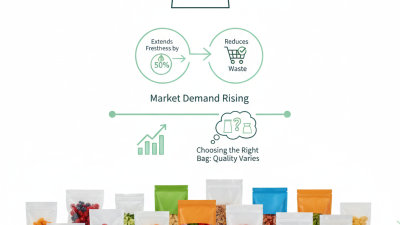
Using high-quality containers can extend the shelf life of kibble significantly. Data from Petfood Industry highlights that bags designed with airtight seals can keep food fresh for up to six months longer compared to traditional packaging. When selecting a container, consider its material and size. A solid, durable bag can prevent pests and moisture from contaminating the food. However, not all bags are created equal. Some may crack or degrade over time, causing issues with storage.
Transparency in labeling is another key factor. Many consumers feel confused by the variety of materials used. A survey showed that over 40% of pet owners do not read storage instructions. This highlights a need for better education in the pet care industry. Investing in dependable storage solutions is not just about convenience; it also impacts your pet’s health. Choose wisely and always stay informed about best practices in pet food storage. Enriching your pet’s life starts with fresh food.
Top 10 Pet Food Container Bags for Easy Storage and Freshness
Comparing Materials: Plastic vs. Fabric vs. Metal Containers
When choosing pet food containers, material matters. Each type has unique advantages.
Plastic is lightweight and easy to clean, making it convenient for everyday use. However, it can retain odors over time.
Some people find that plastic isn't as durable as other options. A well-constructed plastic bag may last a while, but over time, it can wear out.
Fabric containers offer breathability, which helps prevent mold and spoilage.
They can be stylish and are often collapsible for easy storage. Yet, fabric can absorb smells, and cleaning them may be challenging.
If you have a curious pet, you might worry about them chewing through the fabric.
In contrast, metal containers are robust and resistant to pests. They provide excellent protection against moisture and harm.
However, they can be heavy and often feature sharp edges, which require caution.
Each material has pros and cons. Think about your pet's habits and your storage space.
Consider how often you buy pet food and how long you store it.
These factors will influence your choice of container. It’s essential to balance attractiveness and functionality.
Selecting the right container can make feeding time smoother and keep your pet's food fresh longer.
Tips for Maintaining Freshness and Longevity of Pet Food
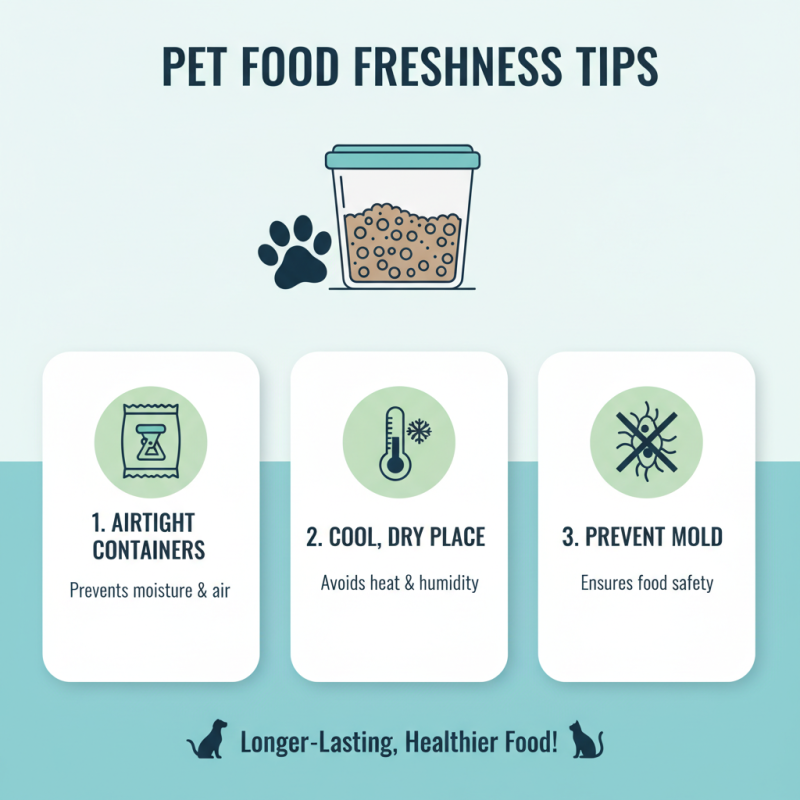
Keeping pet food fresh requires attention to detail. For starters, choose the right container. Opt for airtight bags or bins. This helps prevent moisture and air from spoiling the food. It’s vital to store bags in a cool, dry place. Heat and humidity can promote mold growth.
Regularly check for pests, too. Insects love pet food just like we do. Empty containers should be cleaned thoroughly before reuse. This prevents cross-contamination. Pay attention to expiration dates. Using food past its prime can affect your pet's health.
Consider dividing larger bags into smaller portions. Use resealable bags for easy access. This way, you can minimize exposure to air and maintain freshness. The quality of the food matters, so select high-quality brands. Educate yourself about proper storage techniques. It can make a real difference in your pet’s diet. Always be aware of changes in smell or texture. Learn to identify signs of spoilage.
Best Practices for Storing Pet Food Containers Safely
Storing pet food properly is crucial for maintaining its freshness and nutritional value. Most pet owners overlook this aspect. According to a report by the American Pet Products Association, 67% of pet owners choose food based solely on brand and flavor, often neglecting how storage impacts quality. Improper storage can lead to spoilage, attracting pests, or diminishing nutrient levels.
To prevent these issues, consider using airtight containers. They help keep air and moisture out, prolonging the food's shelf life. A study from the Journal of Animal Science suggests that maintaining low humidity preserves kibbles' freshness. Ideally, pet food should be stored in a cool, dry place.
Tips: Always check for expiration dates on packaging. Use a clean scoop when serving food to avoid contamination. For optimal results, consider using a Fish Packing Container if you're storing wet or semi-moist food products. Lastly, while bulk buying can save money, monitor how quickly you go through a bag to ensure it stays fresh. Keeping an eye on pet food storage can make a significant difference in your pet's health.
Innovative High-Temperature Retort Pouch Packaging for Premium Pet Cat Wet Food in Jelly
Innovative high-temperature retort pouch packaging is revolutionizing the way premium pet cat wet food is presented, particularly those served in jelly. This advanced packaging solution not only ensures the safety and freshness of the food but also enhances its visual appeal through custom printed designs. Made from durable materials such as PET, VMPET, and PE, these retort pouches are capable of withstanding high temperatures of 121°C and 135°C during the cooking process, making them ideal for preserving the quality of pet food.
The versatility of the high-temperature retort pouch doesn't stop at pet foods; it can also be adapted for a myriad of products, including rice, coffee, snacks, and protein powders. Customers can benefit from tailored sizes and various bag styles, including stand-up pouches and spout pouches. This flexibility, combined with the option for custom logos through gravure printing, allows brands to create a distinctive identity while meeting their packaging needs. Moreover, the professional manufacturing process ensures high-quality control and the use of superior raw materials, contributing to a product that is not only functional but also attractive on the shelf.
For businesses looking to explore this innovative packaging, free samples are available to see the quality firsthand before committing to an order. With a considerate service team and skilled staff, potential partners can rely on support throughout the packaging selection process, ensuring their premium cat wet food is both protected and appealing.
FAQS
: Choose versatile bags that can hold different types of pet food. They should match your pet's needs.
A strong seal is crucial. It helps retain freshness and keeps pests out.
Opt for moisture-resistant materials. BPA-free plastics or biodegradable options are safer for your pet.
Look for bags with easy access features like straps, handles, or wheels for better portability.
Proper storage maintains freshness and nutritional value. It prevents spoilage and pest attraction.
Keep pet food in airtight containers in a cool, dry place. This prolongs its shelf life.
Always check the seal before buying. Look for clear plastic windows to monitor food levels.
Avoid bags that feel heavy when filled. They may be hard to lift or may tear easily.
Use a clean scoop each time you serve food. This reduces the risk of contamination.
Bulk buying can save money, but ensure you monitor how quickly you use it. Freshness is key.
Conclusion
In the quest for proper pet food storage, selecting the right Pet Food Container Bag is essential for maintaining the freshness and quality of your pet's food. This article outlines the key considerations for choosing the best storage options, including materials, capacity, and design features that enhance usability. A comprehensive review of the top ten container bags highlights what makes each option stand out.
Additionally, the comparison of materials—plastic, fabric, and metal—provides insight into their respective advantages and disadvantages. Practical tips for maintaining food freshness and ensuring longevity further optimize your pet food storage practices. By understanding these factors and following best practices, pet owners can create a safe and efficient storage solution for their furry friends.