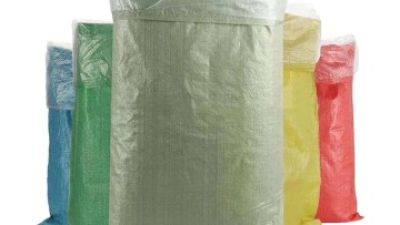
In the super competitive world of packaging, HDPE woven bags have really become a go-to choice for many industries. I’ve seen firsthand how industry pros like Mark Thompson talk about them—for example, he mentions that the strength and versatility of these bags make them perfect for all sorts of uses. That just goes to show how much reliance there’s been on HDPE woven bags, especially in fields like agriculture, construction, and retail.
When it comes to choosing the right factory to produce these bags, it’s pretty important. The quality of the raw materials really affects how durable and usable the bags will be. Big names like Novolex and Uline are leading the way—they combine cutting-edge manufacturing techniques with a lot of expertise. That’s why their bags can handle heavy loads and harsh conditions without breaking a sweat.
A lot of people overlook this, but selecting a reliable factory is a big deal. If you don’t pay attention, you might end up with bags that don’t perform as expected. It’s not just about the materials, either—consider the factory’s reputation and whether they follow industry standards. As demand for HDPE woven bags keeps climbing, understanding which factories are trustworthy is key to making smart choices.
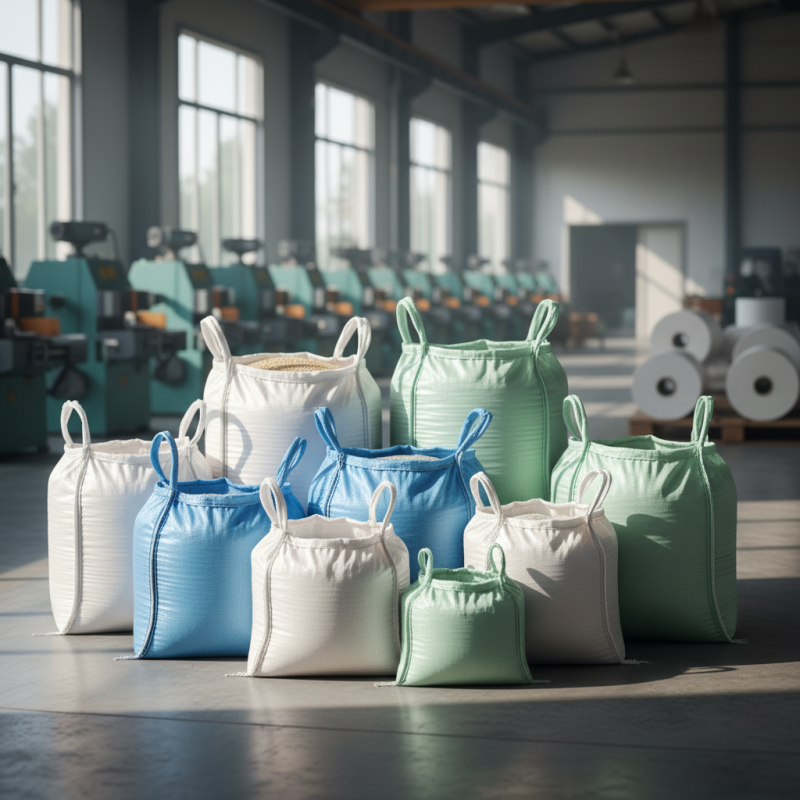
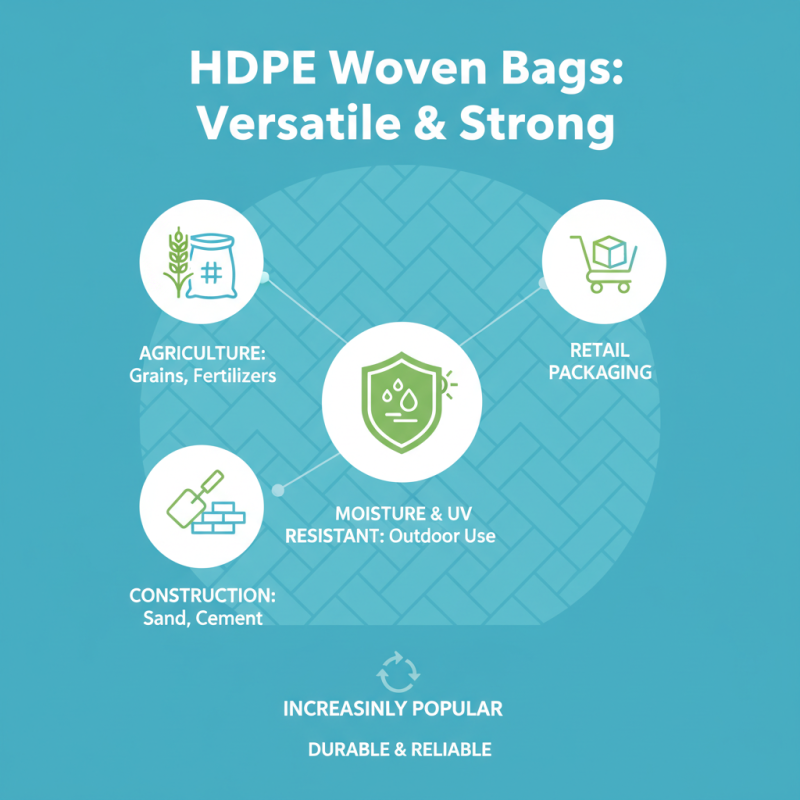
HDPE woven bags are becoming increasingly popular due to their versatility and strength. Made from high-density polyethylene, these bags are perfect for various applications. They are often used in agriculture, construction, and retail packaging. Their resistance to moisture and UV rays makes them a reliable choice for outdoor use. Farmers can store grains and fertilizers safely in them. Construction sites rely on HDPE bags to hold materials like sand and cement securely.
The production of Hdpe Pp Bags involves several steps. From weaving to printing, each process needs precision. This creates a high-quality product. However, not all factories meet the same standards. It's essential to choose facilities that prioritize quality control. Some manufacturers may cut corners, leading to weaker bags. This inconsistency can affect the final product's durability. Clients should always ask about the materials and processes used.
Moreover, customization is a strong feature of these bags. Businesses often request specific sizes and designs. This flexibility can enhance brand visibility. However, it requires clear communication with manufacturers. Misunderstandings can lead to subpar results. Attention to detail is crucial to ensure satisfaction. Exploring the right factories for HDPE woven bags can make a significant difference in product quality and performance.
When selecting a top HDPE woven bag factory, it is essential to consider various criteria that ensure quality and reliability. One crucial factor is the factory's production capacity. According to industry reports, leading manufacturers can produce volumes exceeding 100 tons monthly. This capability signifies not only experience but also efficiency in meeting large orders.
Another important aspect is the factory's commitment to sustainability. Many consumers now demand eco-friendly practices. Studies show that factories using recycled materials can significantly reduce waste. The ability to produce Hdpe Sack Bags while adhering to environmental standards reflects a manufacturer's dedication to responsible sourcing.
Quality control measures are also paramount. Factories should implement rigorous testing protocols. For example, a reputable factory evaluates bags for strength, durability, and UV resistance. A recent survey indicated that 75% of industry experts prioritize quality assurance in their selection process. These insights can help navigate the landscape of HDPE woven bags, revealing both strengths and potential shortcomings in the market.
When exploring the top custom high-quality HDPE woven bag factories, several factors stand out. These manufacturers offer excellent durability, customization options, and environmentally friendly practices. A strong focus on quality ensures these bags withstand various conditions, making them suitable for a wide range of uses.
Tips: Always examine the material before purchasing. Look for factories that provide samples. It’s essential to assess their production processes and how they handle quality control. A transparent manufacturing process is a good sign. You may want to compare pricing among different factories to get the best deal.
Many factories also produce Hdpe Bag Rolls. These rolls are versatile for packaging needs. However, not all factories offer the same level of customization or quality. Research and inquire about their capabilities thoroughly. Some may have limitations on design or size, so ensure you communicate your requirements clearly to avoid misunderstandings.
Tips: Check customer reviews and feedback online. This can provide insight into the factory's reliability. Also, consider the factory's commitment to sustainability. Environmental practices are increasingly important in today’s market. You will want to partner with factories that reflect your values.
When exploring the landscape of HDPE woven bag manufacturing, it's essential to consider various factories that excel in this field. These factories stand out due to their commitment to quality, innovation, and sustainable practices. Each factory showcases distinct capabilities, from utilizing advanced weaving techniques to adopting eco-friendly materials. This contributes to their reputation in the industry.
Some factories specialize in custom designs tailored to client specifications. They use high-tech machinery to ensure precision in production. This level of detail can often lead to delays, as perfection takes time. Others focus on bulk production, which sometimes compromises quality for speed. Clients need to weigh these factors carefully. Visiting these factories or checking their certifications may provide deeper insights into their operations and reliability.
Moreover, the industry faces challenges, such as fluctuating raw material costs and environmental concerns. Factories are often required to adapt quickly, which can impact their production schedules. Monitoring these developments can be crucial for potential clients seeking dependable partnerships. Engaging with these factories can yield valuable information about their processes, ensuring informed decisions in choosing the right partner for quality HDPE woven bags.
| Factory Location | Annual Production Capacity (Tons) | Certifications | Main Products | Export Markets |
|---|---|---|---|---|
| China | 50,000 | ISO 9001, BRC | HDPE Woven Bags, PP Bags | North America, Europe |
| India | 30,000 | ISO 14001, SEDEX | Woven Agricultural Bags, Tarpaulins | Middle East, Africa |
| Vietnam | 25,000 | FSC, ISO 9001 | Woven FIBC Bags, Shopping Bags | Asia, Australia |
| Turkey | 40,000 | OHSAS 18001, CE | Garden Bags, Industrial Bags | Europe, Asia |
| Indonesia | 20,000 | ISO 9001 | Food Bags, Bulk Bags | Asia, America |
| Bangladesh | 35,000 | ISO 14001 | Agricultural Bags, Sacks | Europe, USA |
| Thailand | 45,000 | ISO 9001, BRC | Supermarket Bags, Woven Sheets | Asia, Oceania |
| Pakistan | 15,000 | ISO 9001, CE | Mesh Bags, Packaging Bags | Middle East, South Asia |
| Mexico | 55,000 | ISO 9001, GOTS | FIBC Bags, Customized Bags | North America, Central America |
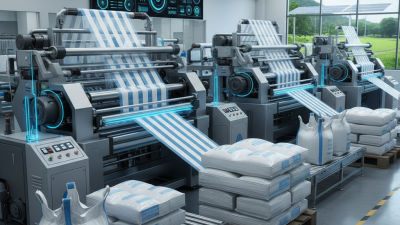
The production of Hdpe Woven bags has advanced significantly in recent years. Innovations in technology are reshaping manufacturing processes. For instance, automated weaving machines are now capable of producing bags with enhanced precision. This boosts efficiency and minimizes waste. In fact, research shows that automation can increase production rates by up to 30%.
Sustainability is another key focus. Many manufacturers are exploring biodegradable additives for HDPE woven bags. This change reflects a growing demand for eco-friendly products. According to industry data, around 55% of consumers prefer sustainable packaging options. Companies embracing this trend are often viewed as more reliable and responsible.
However, some challenges remain. The transition to new materials can be costly. Many manufacturers are still adapting their processes. Additionally, the market's fluctuating prices for raw materials create uncertainty. This calls for ongoing reflection on best practices in production. Balancing innovation with cost-effectiveness is essential for long-term success in the HDPE woven sector.
This chart illustrates the annual production capacity of various HDPE woven bag factories, showcasing their ability to manufacture high-quality products in large quantities.
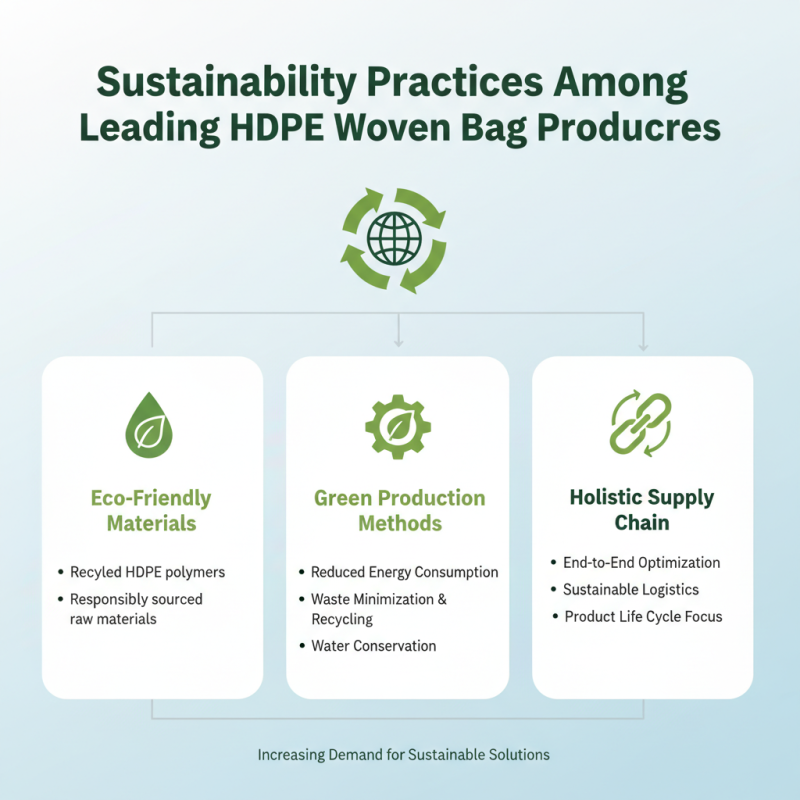
The demand for HDPE woven bags is increasing, particularly due to their sustainability. Many leading manufacturers are adopting eco-friendly practices. They are now focusing on the entire supply chain, from sourcing raw materials to the final product. Sustainable production methods often include reducing energy consumption and minimizing waste.
Some factories emphasize recycled materials. Using post-consumer plastics helps lower the environmental impact. However, the challenge remains significant. Not all producers maintain consistent quality while trying to be eco-friendly. It is crucial to balance both aspects to appeal to environmentally conscious consumers.
Innovation is key in this industry. Some factories are experimenting with biodegradable options. This is promising, but not widely adopted yet. The move towards sustainability is a journey, not an overnight transformation. Adopting green practices may require additional resources and planning, but the potential benefits are immense.
The HDPE woven bag industry is rapidly evolving. Companies are focusing on sustainability. The use of recycled materials is becoming more common. This shift responds to environmental concerns. Many businesses are exploring biodegradable options. These innovations aim to reduce plastic waste.
Automation is another trend reshaping production. Factories are adopting advanced technology. This enhances efficiency and reduces costs. However, it raises questions about workforce impacts. Balancing automation with employment opportunities is a challenge.
Customization remains in high demand. Brands seek unique designs to stand out. High-quality printing techniques allow detailed graphics. Even so, some manufacturers struggle with consistency. Ensuring quality while meeting client timelines is complex. Continuous improvement and adaptation are essential for success in this competitive market.
In today's competitive market, the demand for custom solutions in packaging has surged, particularly for PP woven bags. These bags offer a unique blend of quality, durability, and functionality that can be tailored to meet diverse industry needs. With their adaptability, businesses can optimize their packaging solutions while also enhancing operational efficiency. The robust design of PP woven bags allows for secure storage and transportation of goods, making them an essential choice for various sectors.
The emphasis on environmental sustainability is increasingly significant in consumer preferences. Custom PP woven bags can be produced with eco-friendly materials and methods, aligning with modern sustainability standards. Businesses looking to improve their green credentials can leverage these bags to not only reduce their carbon footprint but also appeal to environmentally conscious consumers. By integrating cost-effectiveness with performance, these tailored packaging solutions empower companies to meet stringent quality and environmental certifications while providing superior functionality.
: Focus on production capacity, sustainability, and quality control measures. These aspects ensure reliability and efficiency.
A factory producing over 100 tons monthly indicates experience and reliability. It's a significant factor for large orders.
Many consumers prefer eco-friendly practices. Factories using recycled materials help reduce waste and appeal to this growing market.
Rigorous testing for strength, durability, and UV resistance is key. This assures customers of product reliability and safety.
Yes, automated machines now enhance production precision. Automation can increase efficiency and minimize material waste substantially.
Transitioning to sustainable materials can be expensive. Fluctuating raw material prices also create uncertainty for manufacturers.
There's a high demand for unique designs. However, ensuring quality and meeting timelines can be challenging for some manufacturers.
Sustainability, automation, and customization are key trends. These changes aim to meet environmental concerns and market demands.
While automation boosts efficiency, it raises concerns about potential job losses. Finding a balance is crucial for the industry.
Continuous adaptation and a focus on quality are essential. Reflecting on processes can lead to better outcomes in a competitive market.
HDPE woven bags have gained prominence across various industries due to their durability and versatility. This article provides an overview of HDPE woven bags, highlighting their applications in packaging, agriculture, and construction. It also details the criteria for selecting top manufacturers, emphasizing quality, innovation, and sustainability practices in the production process.
Readers will find a curated list of the top 10 custom high-quality HDPE woven bag factories, alongside in-depth profiles of each factory, showcasing their strengths and capabilities. Additionally, the piece discusses current innovations in manufacturing technologies and sustainability efforts that leading producers are implementing. It concludes with insights into future trends in the HDPE woven bag industry, reflecting a growing commitment to eco-friendly practices and technological advancements.